



Story and Photos by ITN European Reporter Herve’ Rebollo
Salut à toi American rider,
This Saturday, February 14, the sun was unexpectedly shinning: no worries, I took my motorcycle out and went for a ride (the day before, it was pouring rain, it felt like the end of the world and today on Sunday, it’s snowing), let’s go!
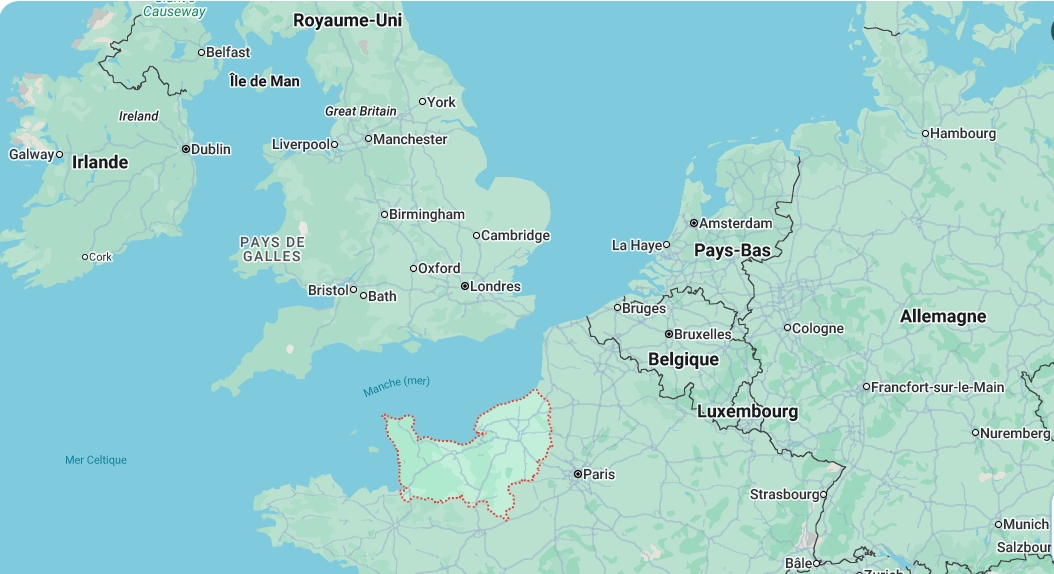
My initial plan was to cross the eastern border and visit the Luxembourgish Harley Davison dealership (established in 1999) in the small town of Moutfort. But the weather forecast predicted heavy rain in the east and a sunny Saturday in the West. Oh well, back to Normandy!!
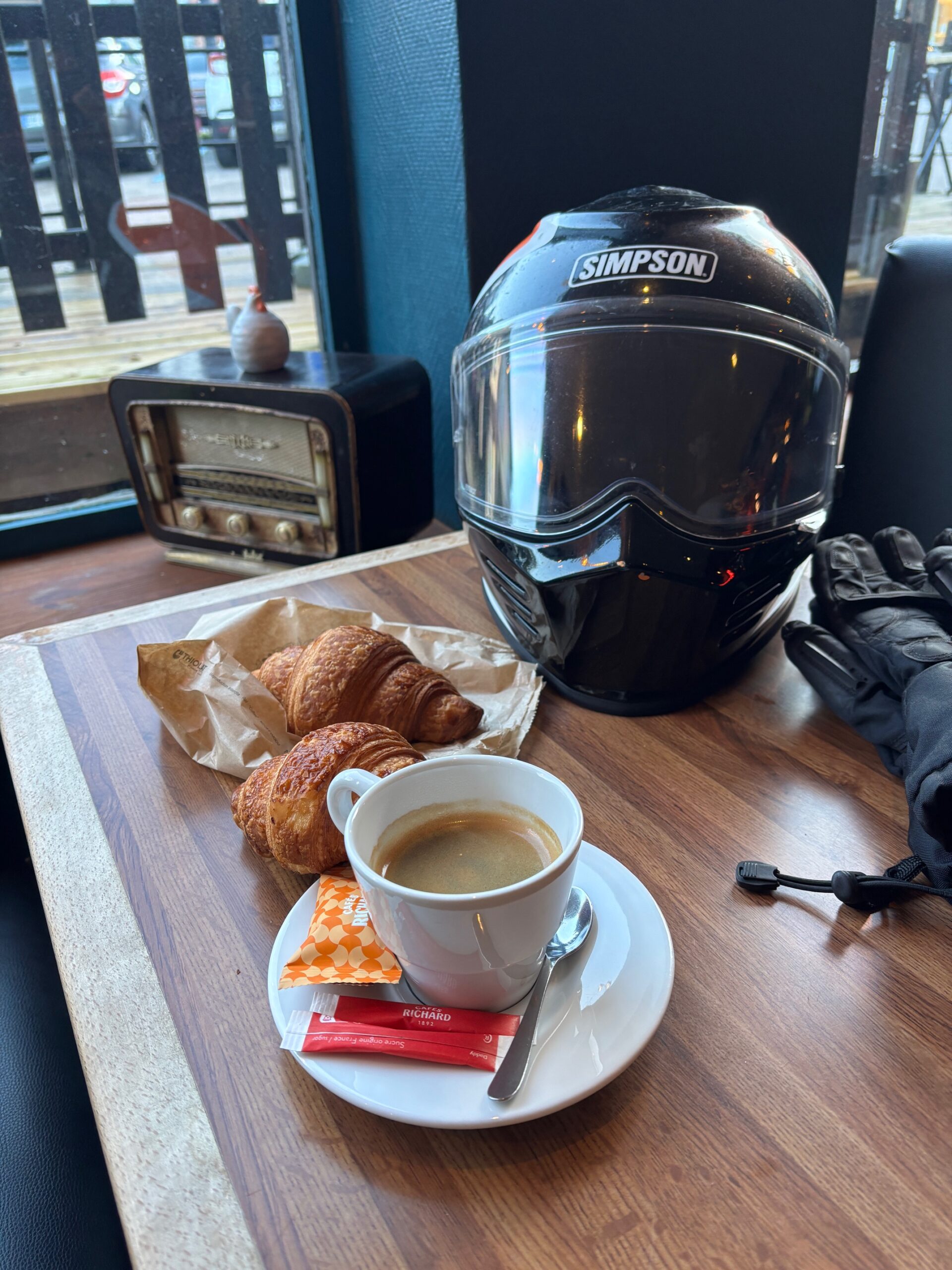
Leaving home at 6:30 in the morning was quit difficult (in the frozen night), but it was worth it because the idea was to have a French breakfast in a Norman bar aroud 8a.m. And I found the right place
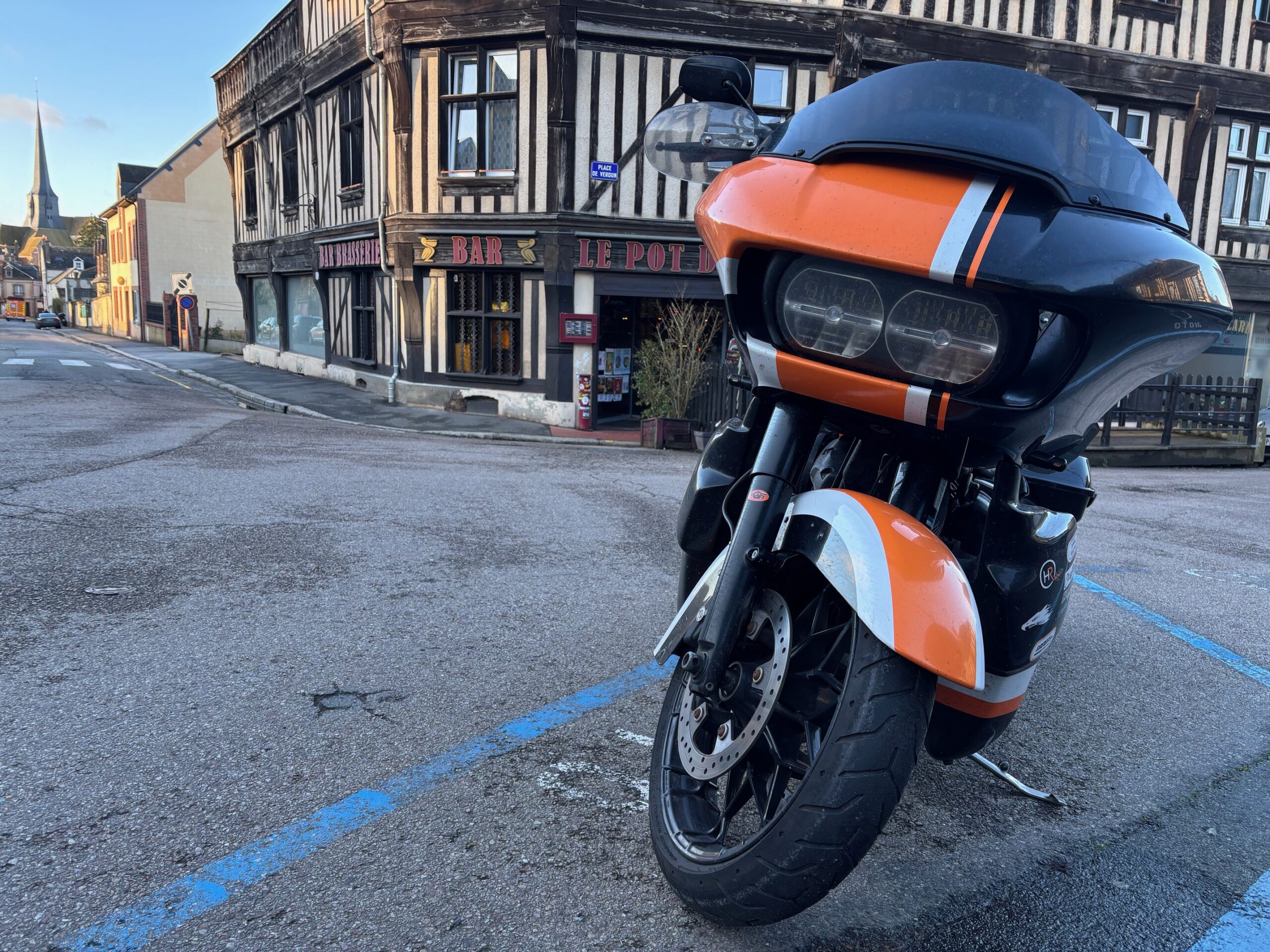
Traditional Croissants were absolutely perfect.
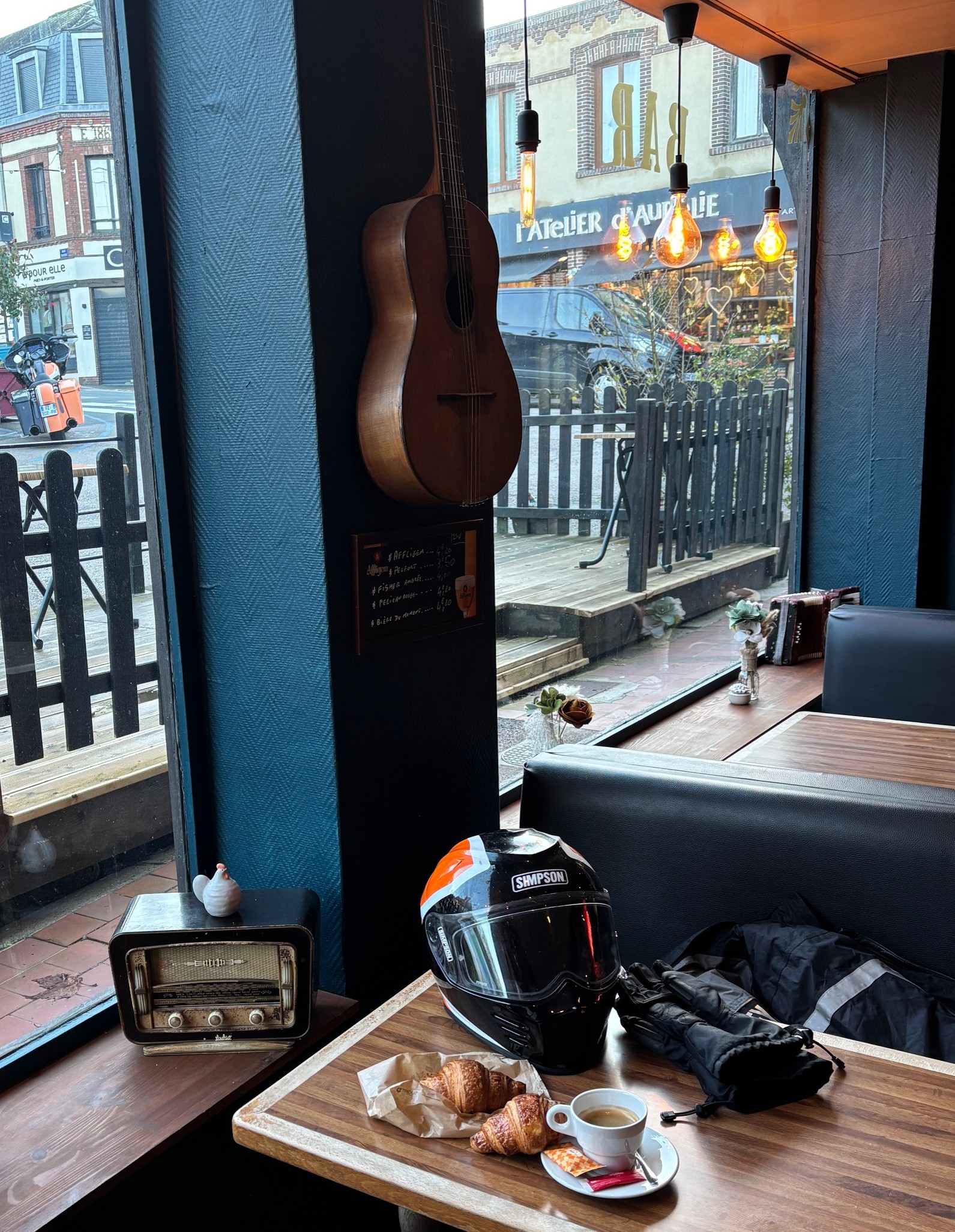
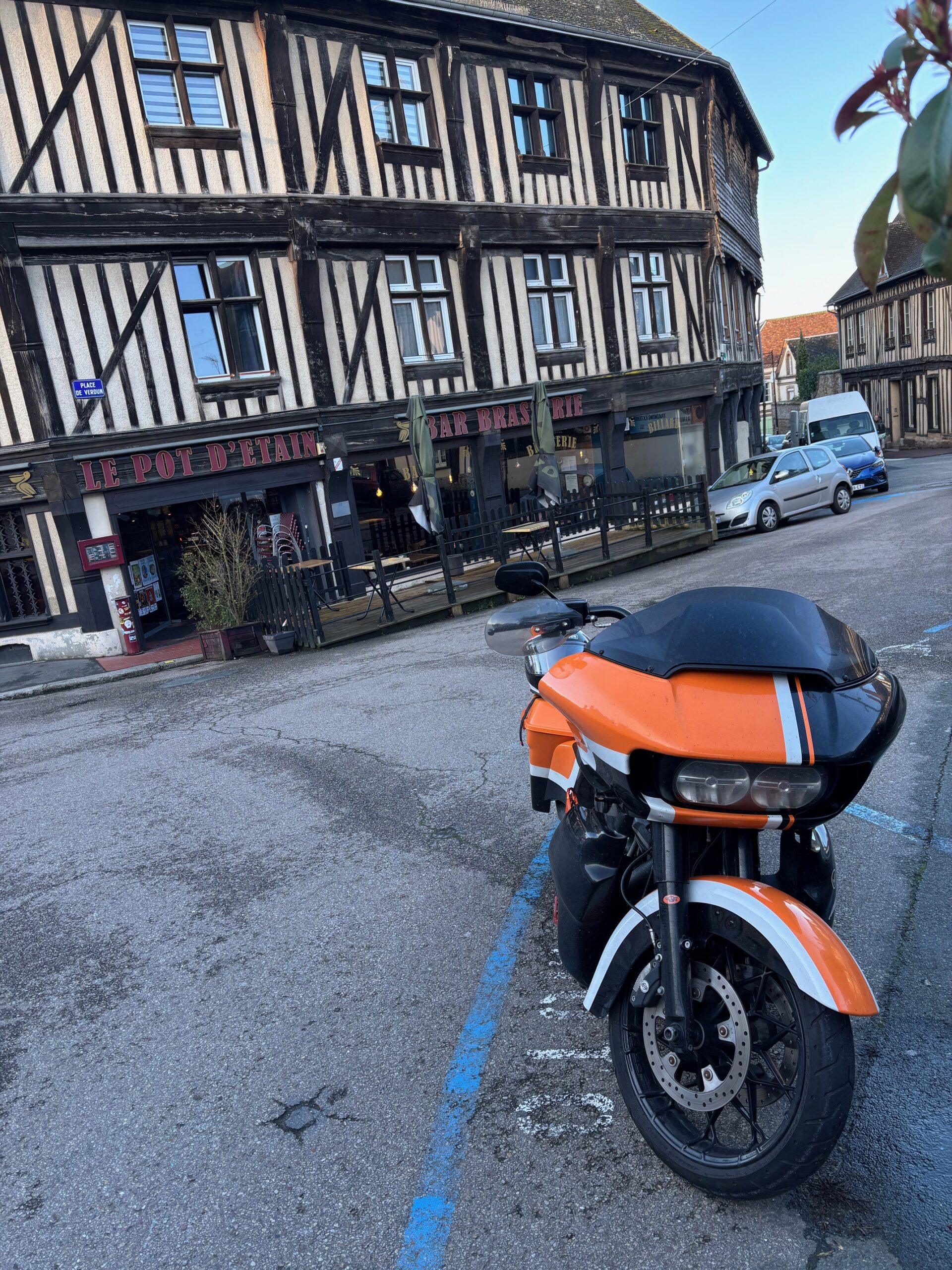
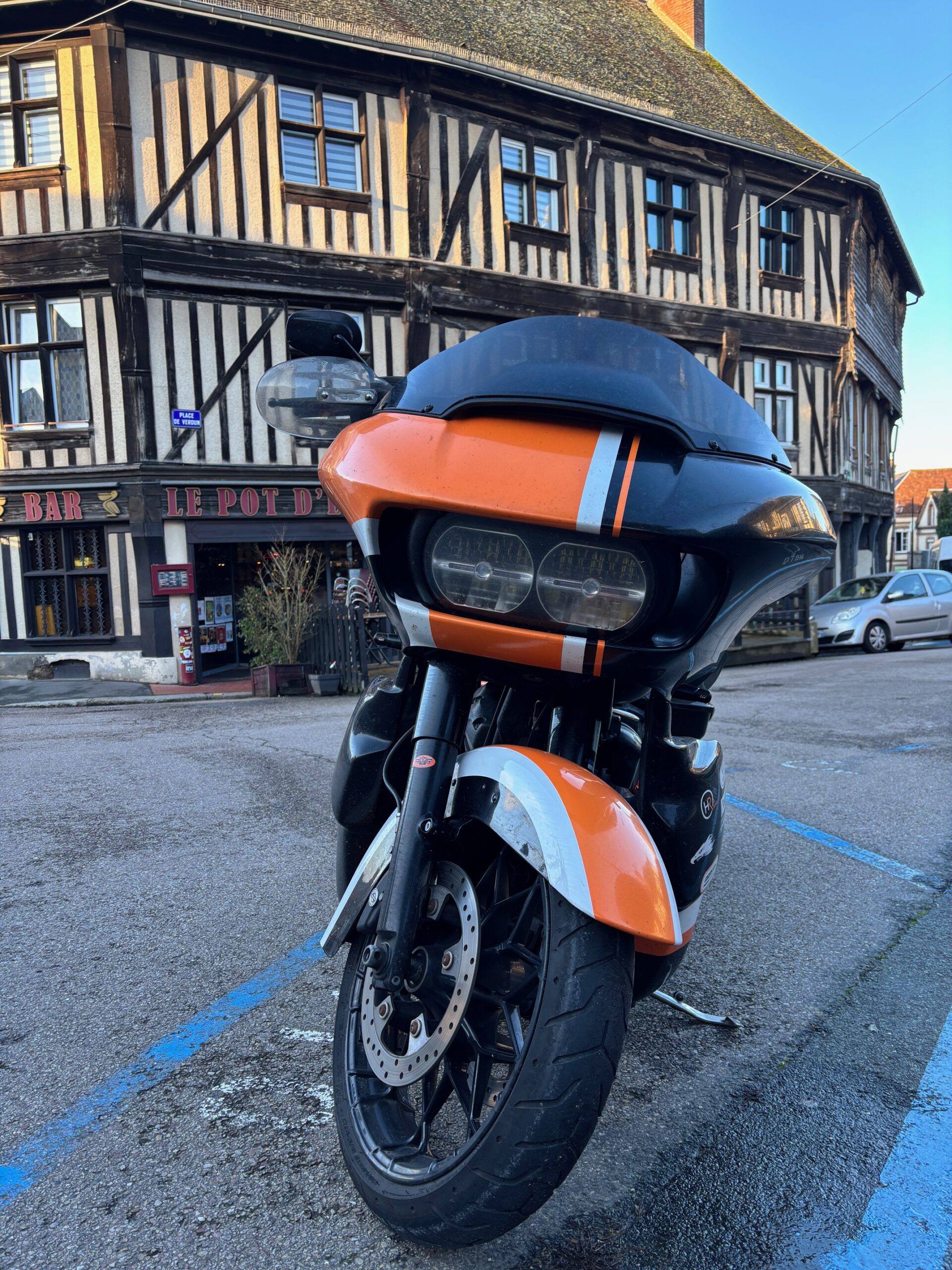
This bar provides a very good overwiev of the local historical. Normandy boasts an impressive number of half-timbered houses, including townhouses and thatched cottages. This construction technique has always been highly valued in the region, particularly in its eastern part where wood was plentiful.
And at the same time, you can discover absolutelty magnificient stunning buildings dating back to the Middle Ages, built entirely of stone. This house with its little tower is barely two hundred meters from the bar where I ate my delicious croissants.
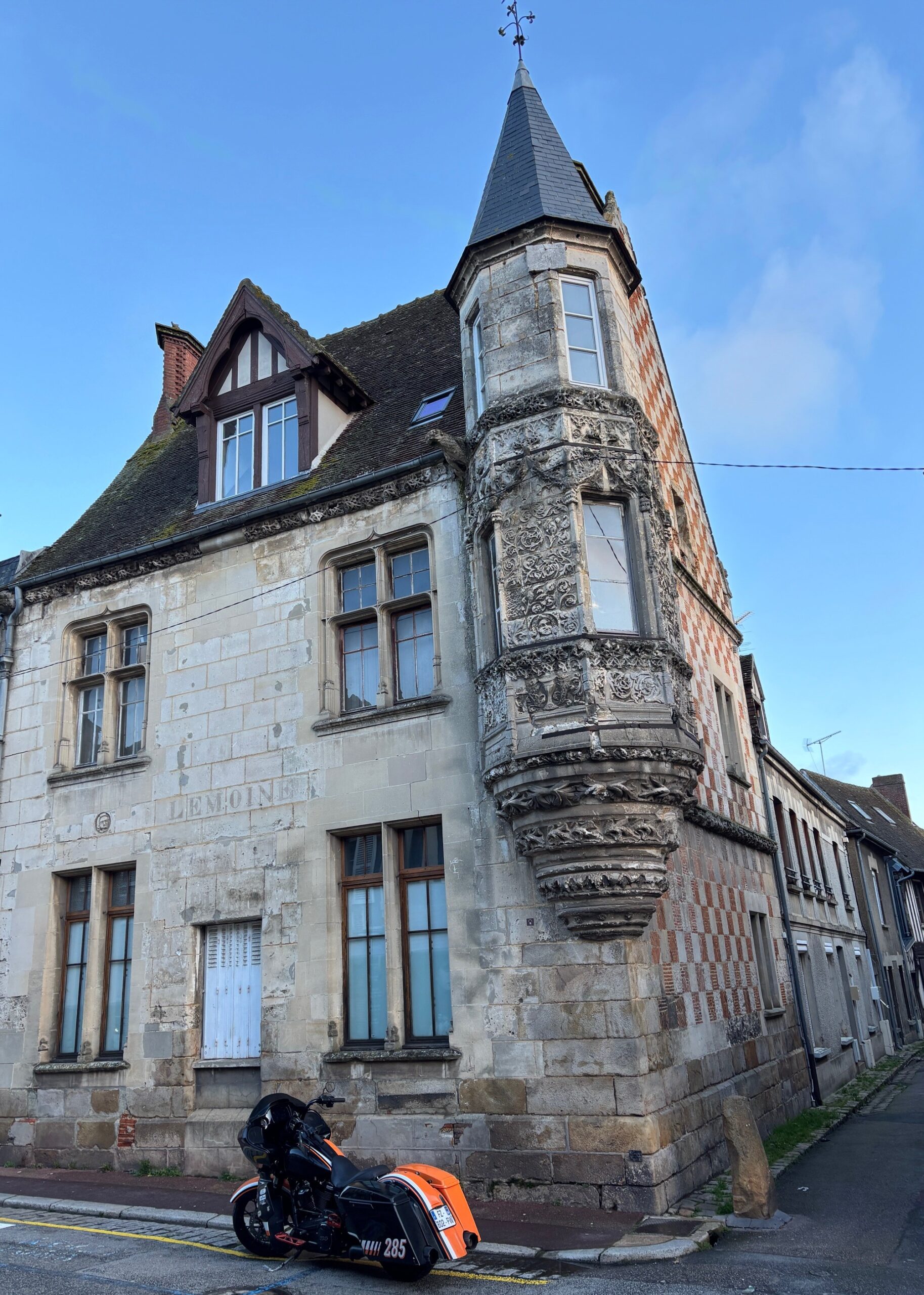
Located in the small town of VERNEUIL SUR AVRE founded in 1120.
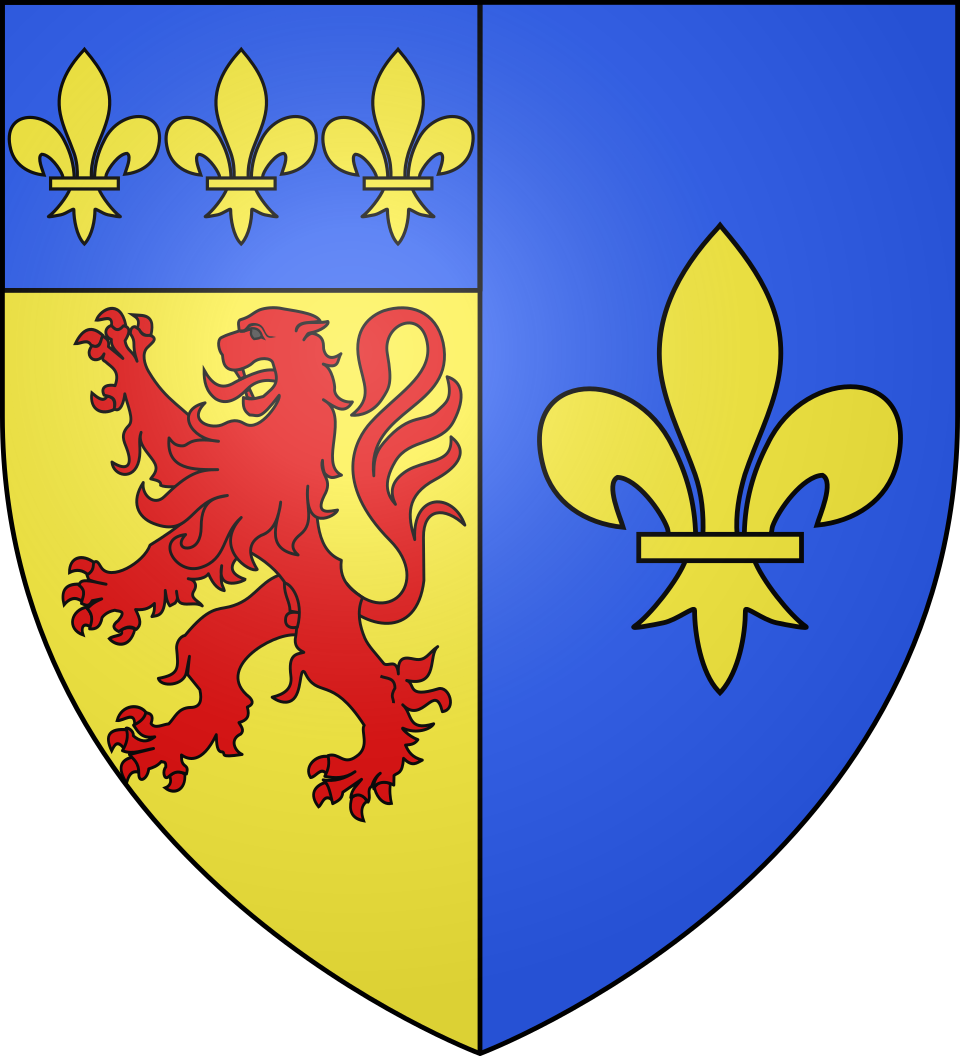
A full stomach and caffeine in the blood, suddenly my brain started working more or less properly again. So I began to envision what my day might hold: going back to photograph the Tiger, passing through the village where the famous and world-renowned Camembert cheese was born, speeding to the Harley dealership in Caen (due west), and returning to Paris via the little routes before nightfall (and the snow). A wonderful day was taking shape!
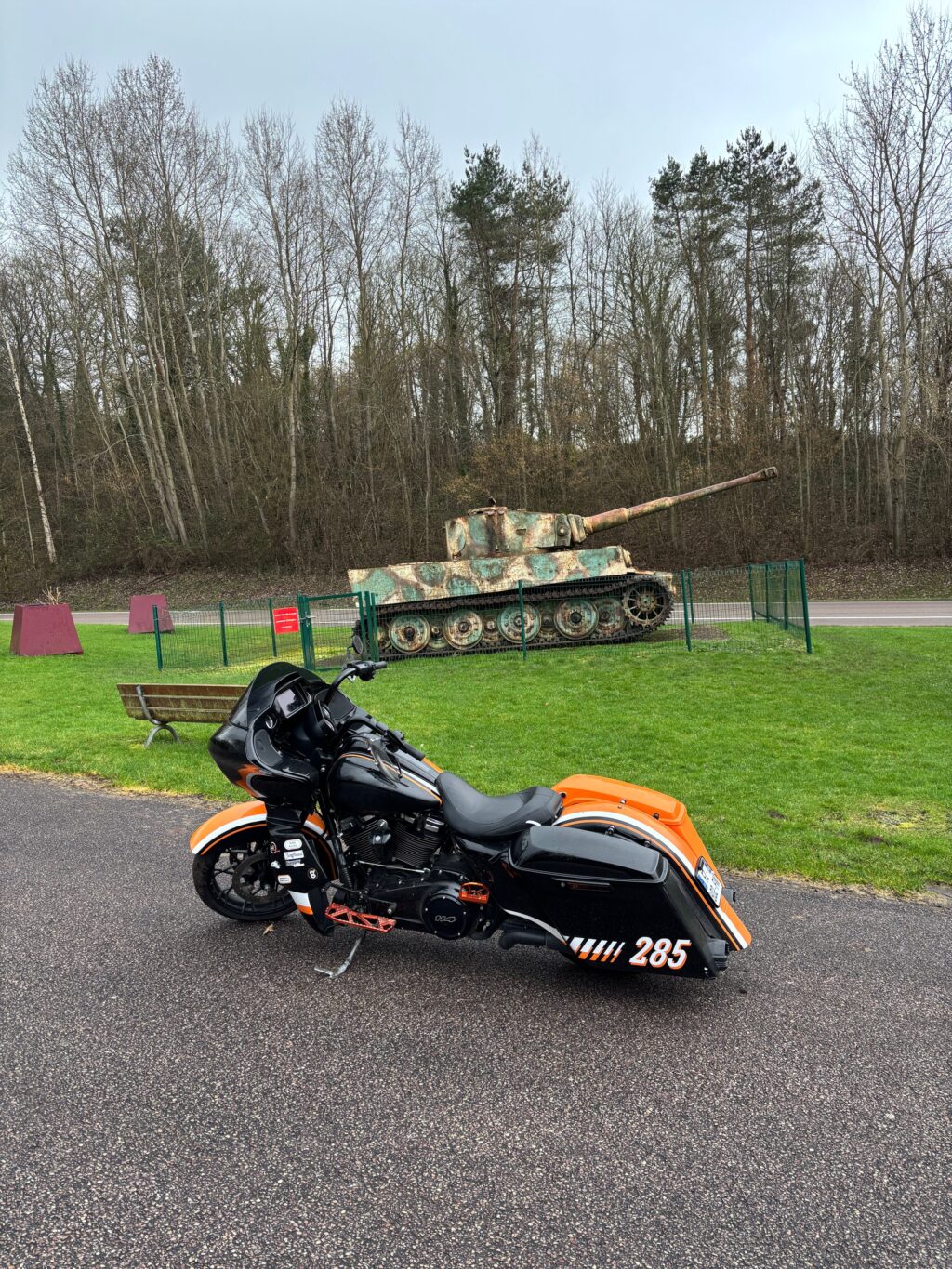
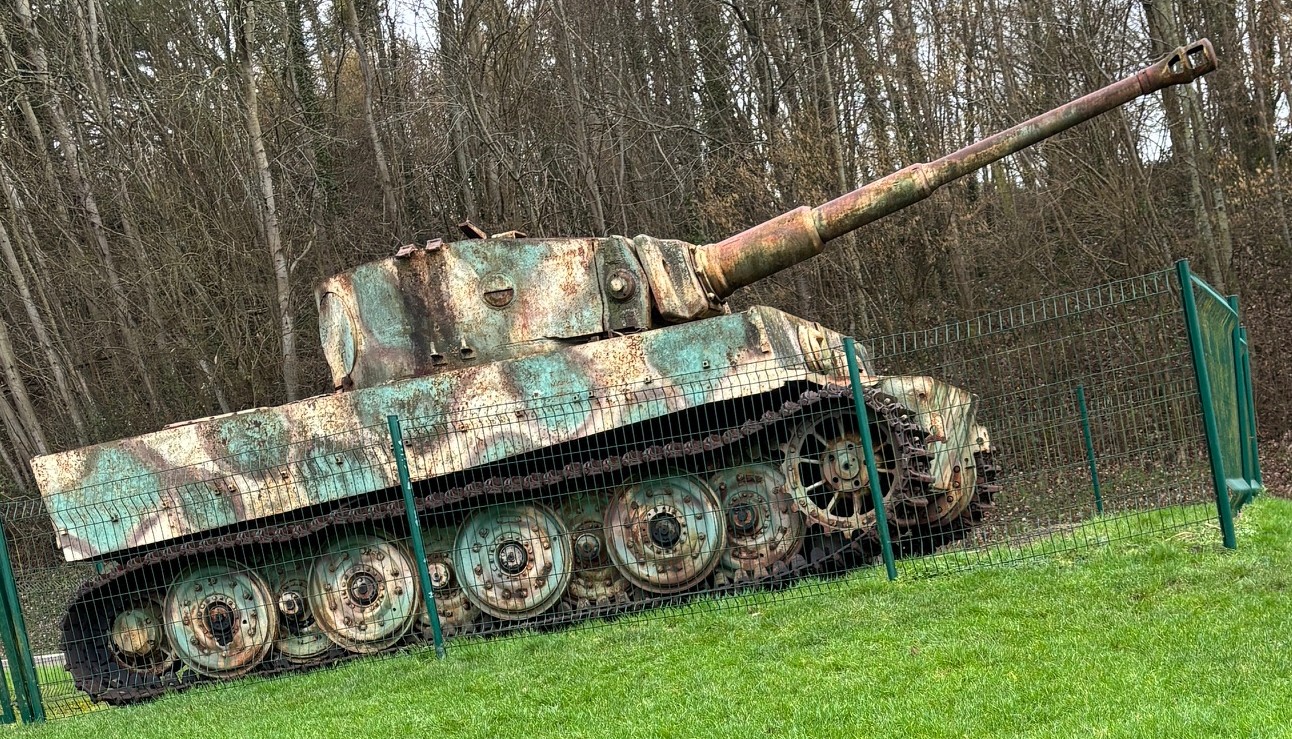
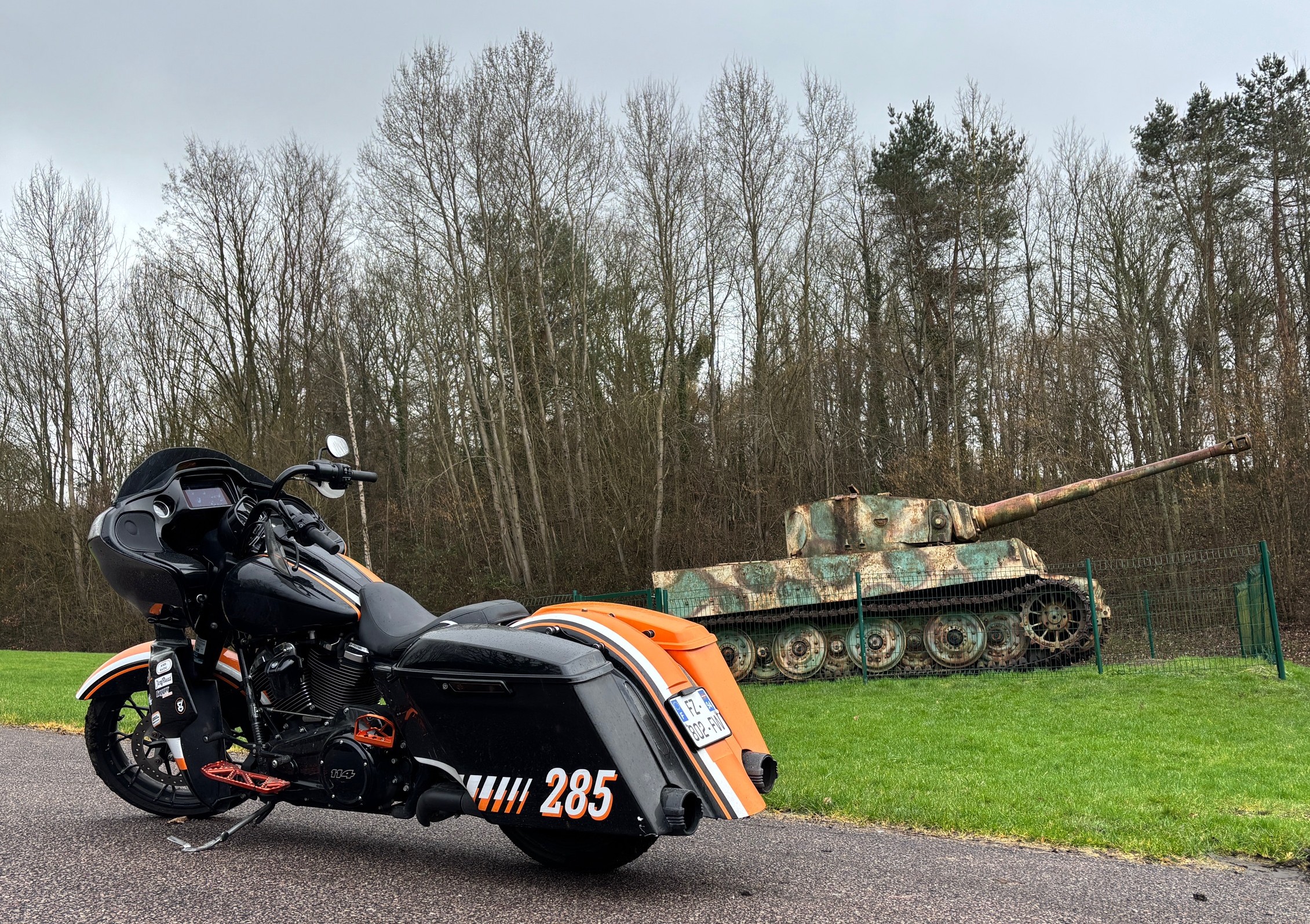
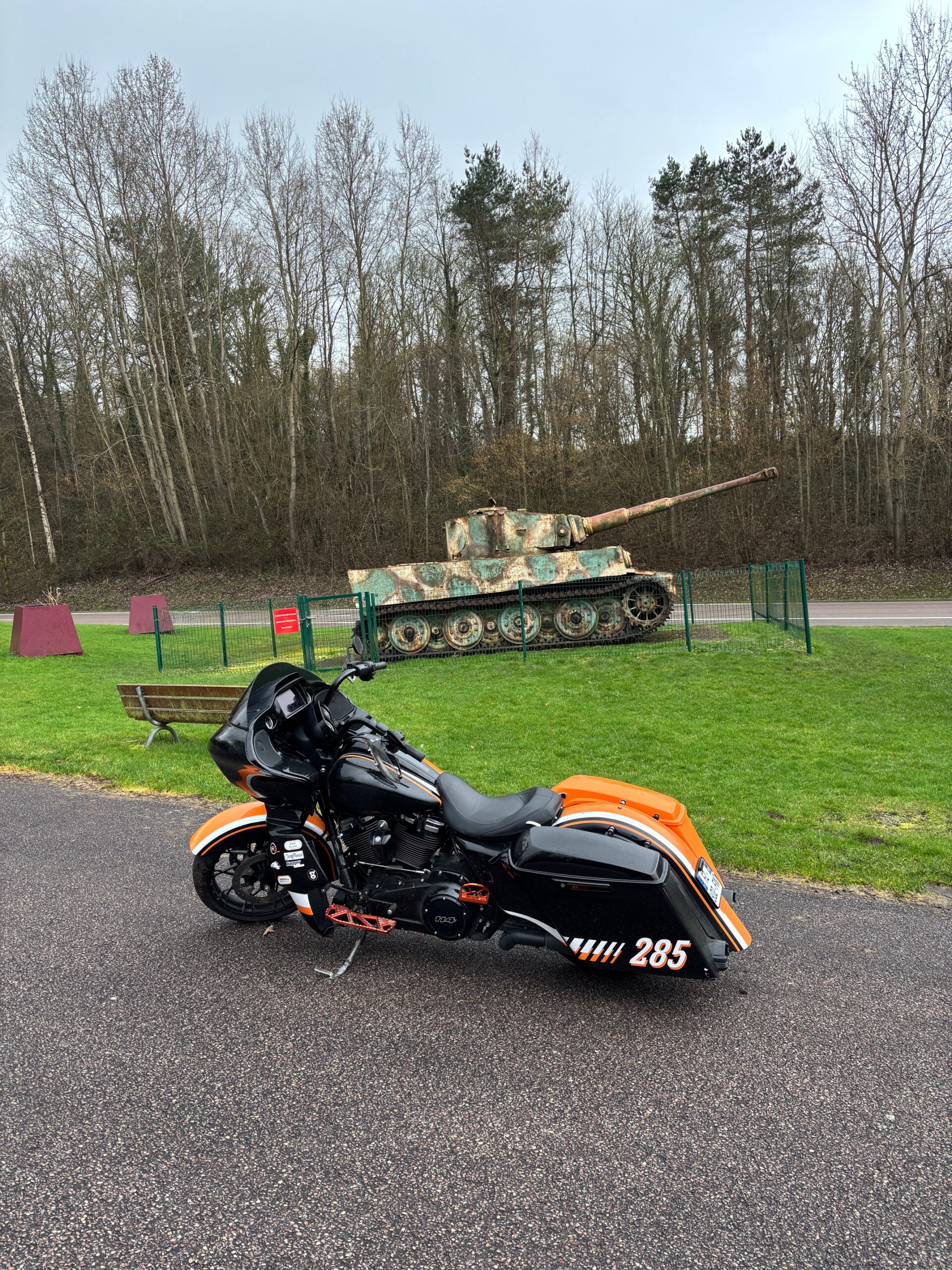
It has been a long time since I saw the Tiger of Vimoutier, and I have never taken a picture of this Panzerkampfwagen with my beloved Roadglide (Remeber and see: RIDE IN FRANCE AND … EAT CAMEMBERT AND SHOOT THE TIGER!! – Iron Trader News).
Vimoutiers is a French commune, located in the Orne department in the Normandy region, with a population of 2,978.
The old German Tiger tank is still there. Unfortunately, it’s in increasingly poor condition and could certainly use a little restoration.
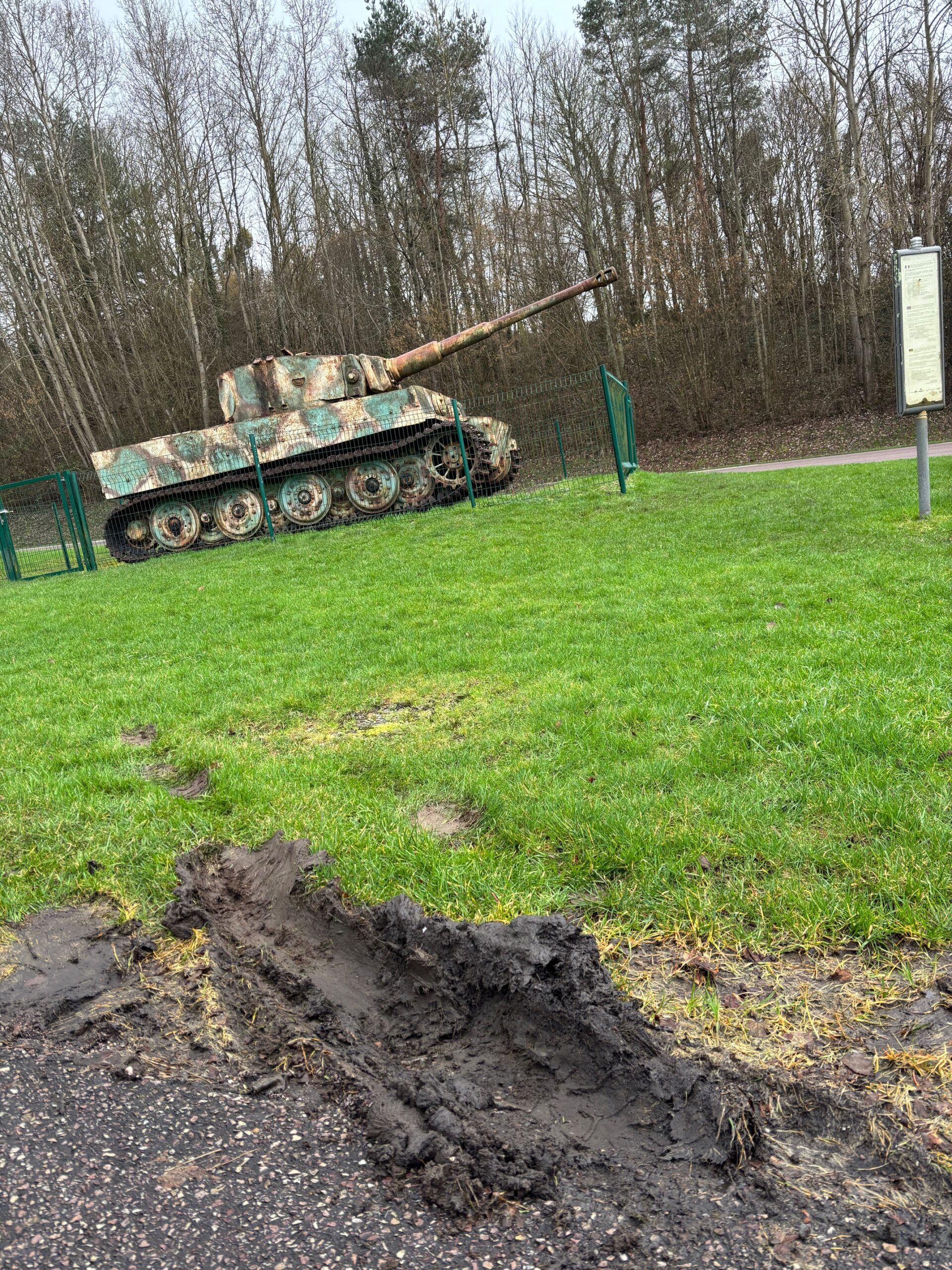
I’m a little embarrassed to admit I had a bit of a mishap here. I tried to get my motorcycle closer to the Panzer, completely forgetting that the ground was totally waterlogged. As a result, I was stuck in the mud for 10 minutes like an idiot, unable to get the bike out of that predicament. It was only thanks to an old lady who happened to be passing by and who helped me by pushing the motorcycle that I was finally able to get out. Utterly humiliating (don’t tell anyone, it’ll be our little secret – thank you).
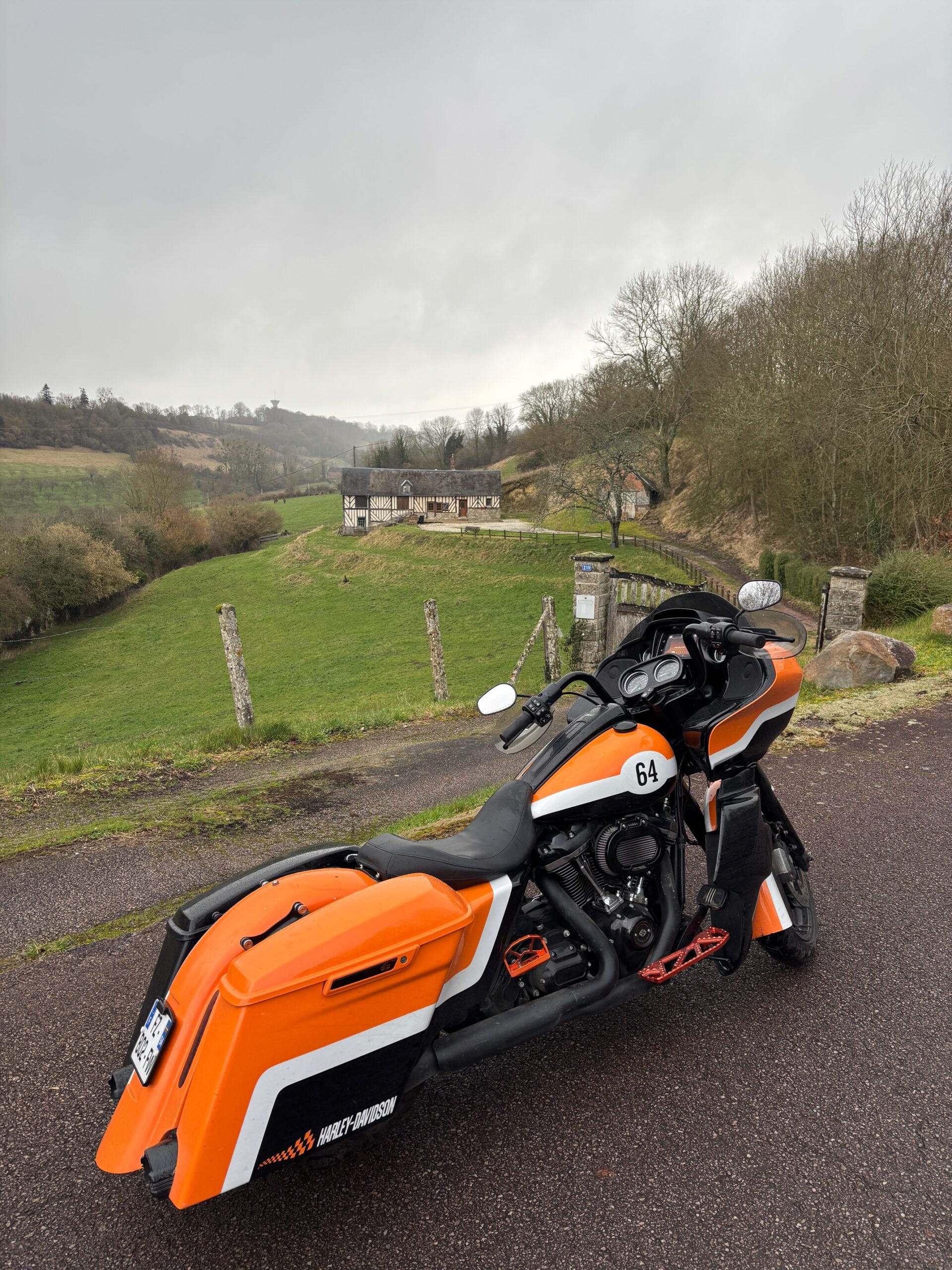
Ok, let’s get back on the road, amidst the charming little Norman houses of the countryside.
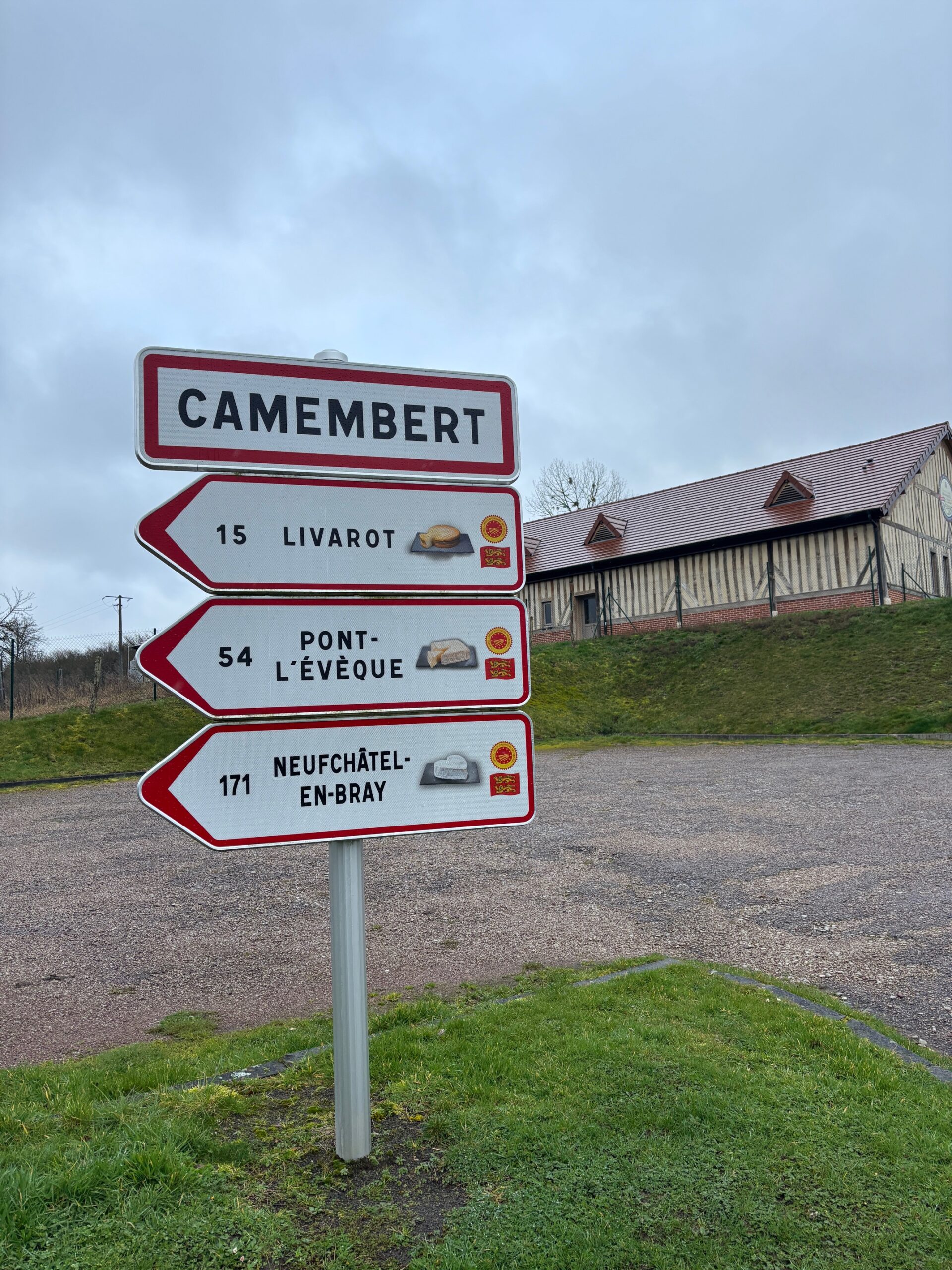
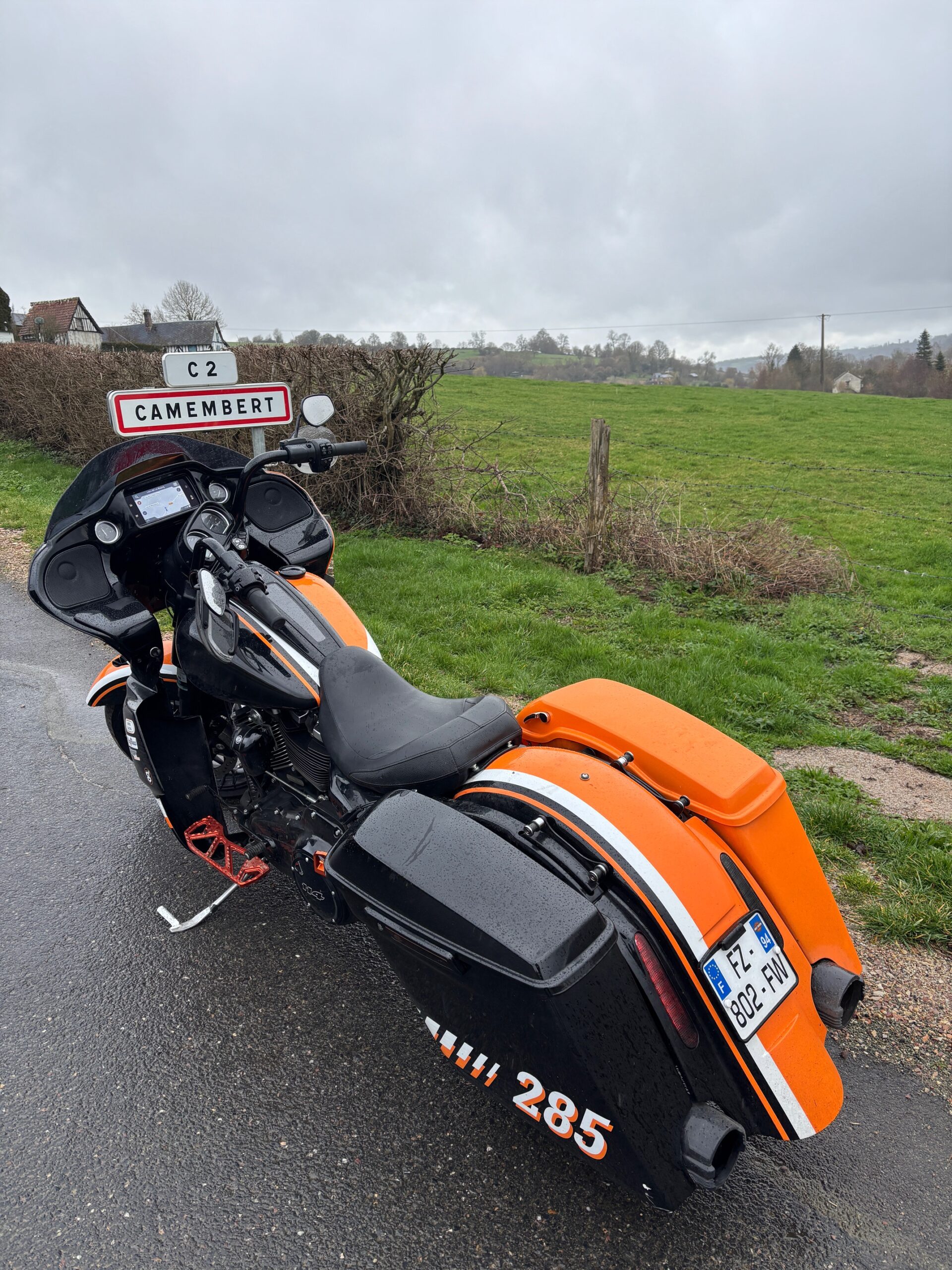
Off to the smallvillage of Camembert!
In the heart of the green (and wet) Normandy.
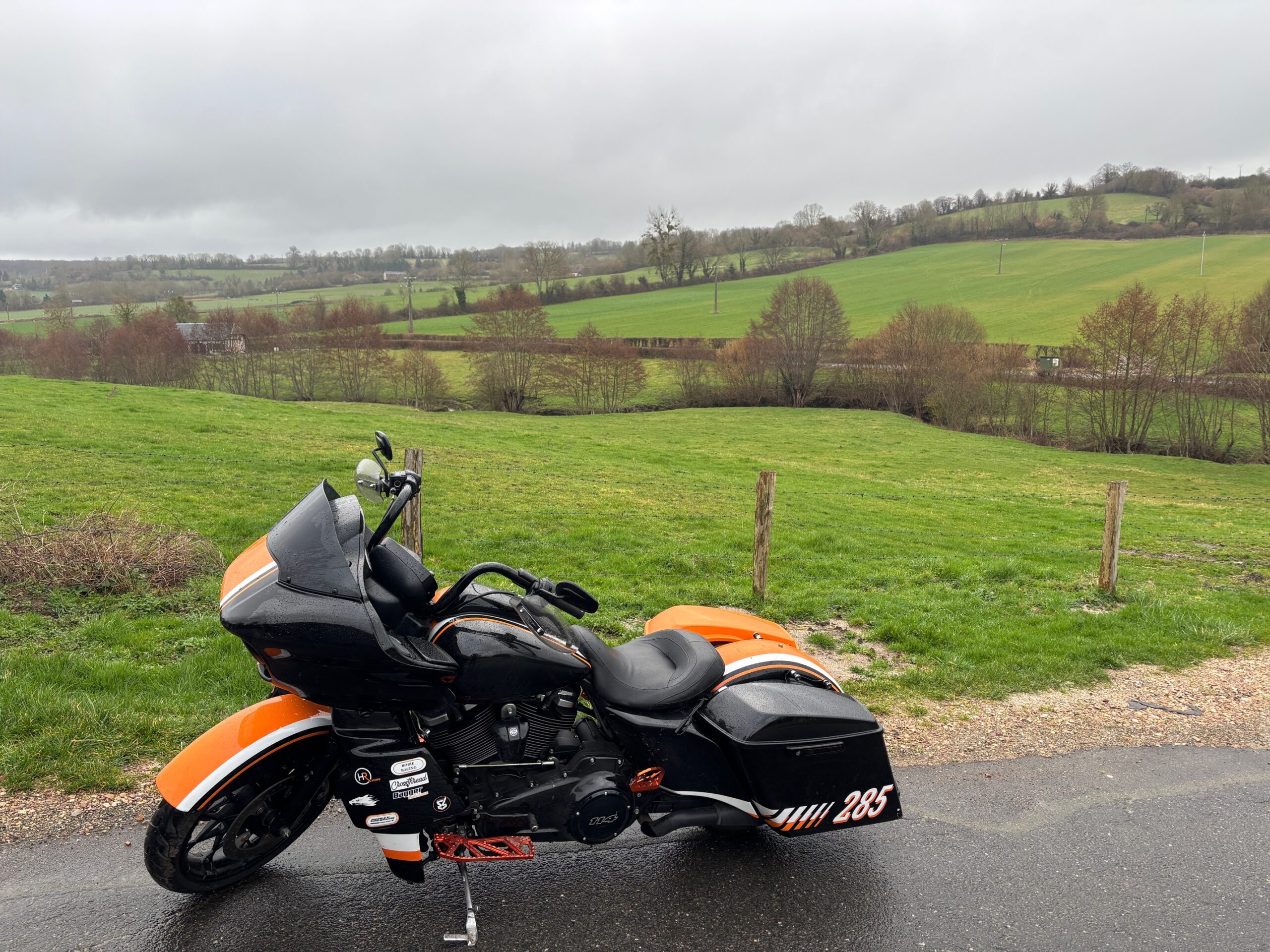
Camembert is a French commune, located in the Orne department in the Normandy region, with a population of 168 (4 km / 2,5 miles southeast of Vimoutiers).
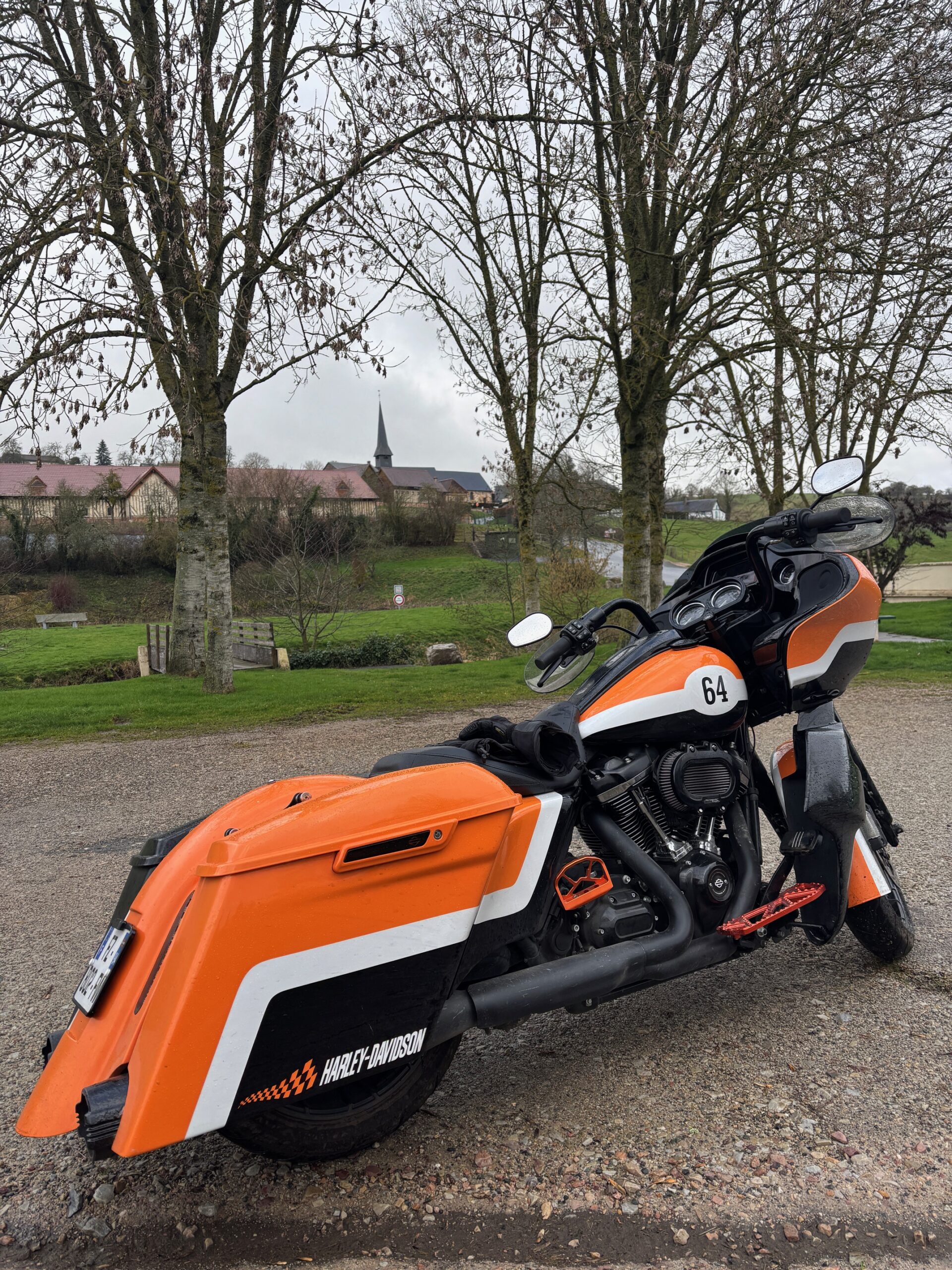
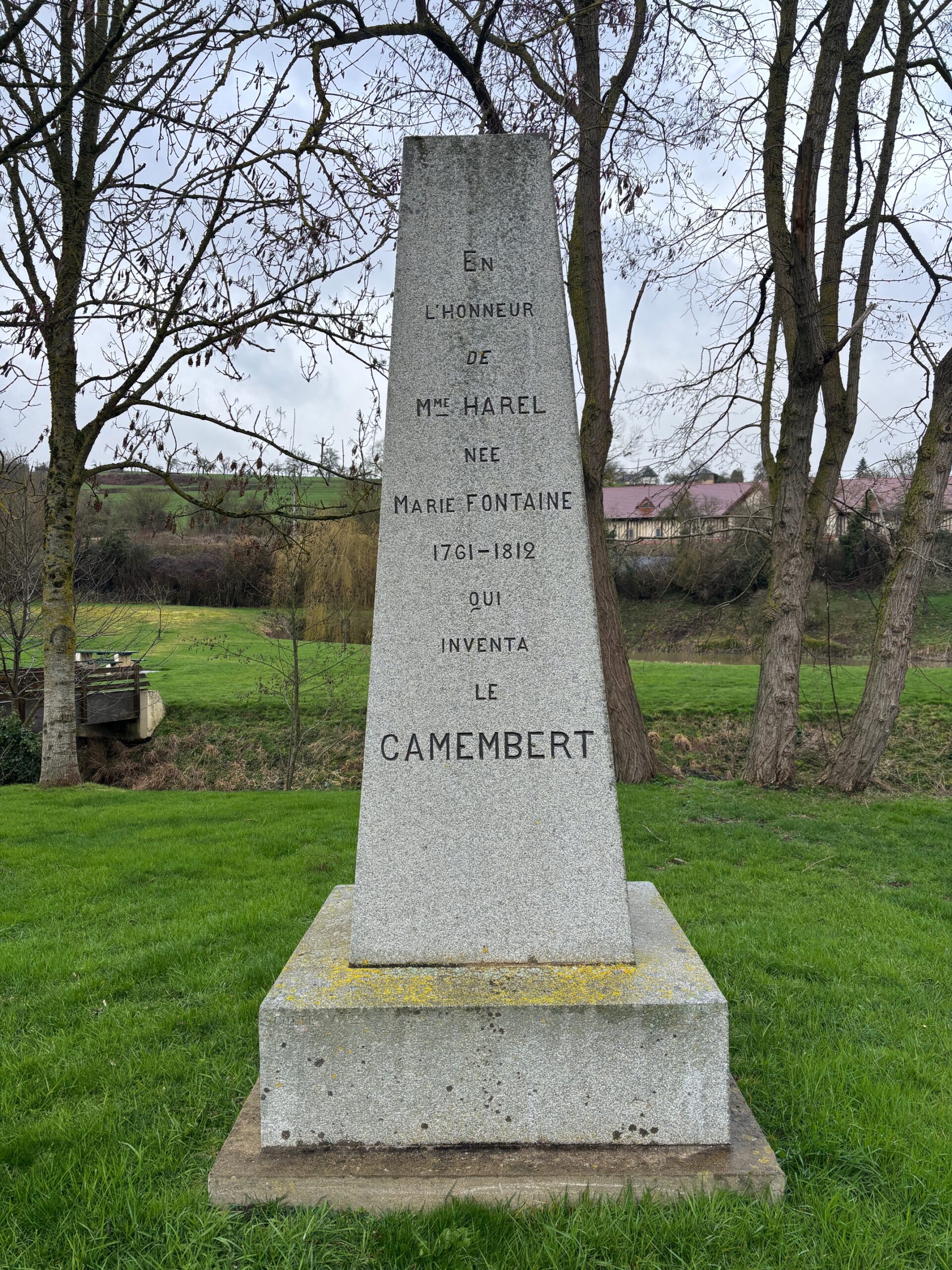
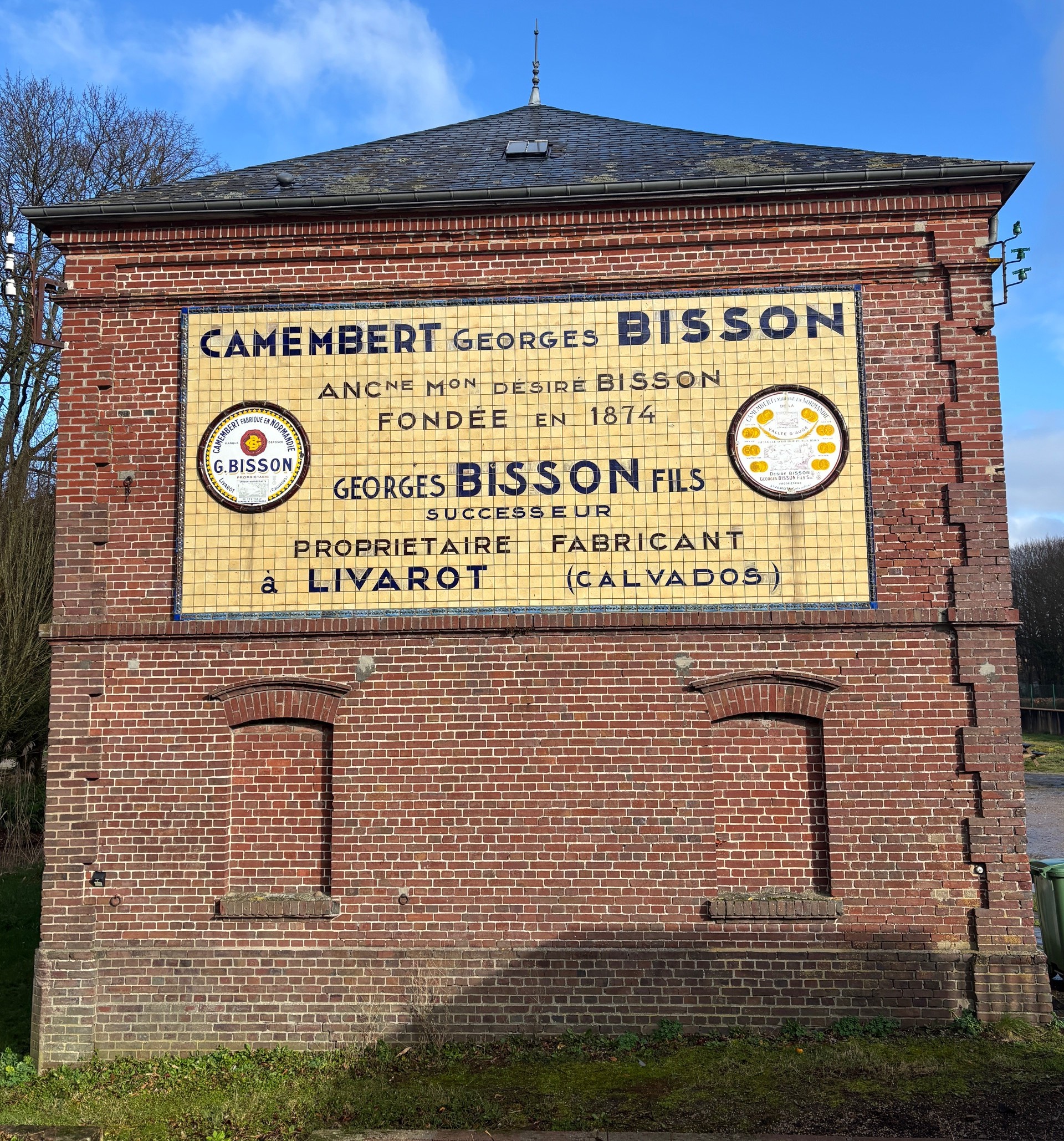
The village is famous as the birthplace of the cheese that bears its name: Camembert de Normandie. Camembert is a generic term that generally refers to a soft, bloomy-rind cheese. In everyday language, Camembert is sometimes called “Claquos,” “Clacos,” or “Calendos.” Camembert is the second most consumed cheese in France (52,500 tons) after Emmental (146,000 tons) (2022 figures). According to legend, which is historically implausible, the story of Camembert cheese begins in October 1791, when Marie Harel, a resident of Camembert, helped Charles-Jean Bonvoust, a priest from Alençon, escape the Republicans. This priest, supposedly from Brie, then thanked her by revealing the secret of making Brie cheese. Marie Harel (II), the daughter of Marie Harel (I), and her husband, Thomas Paynel, gradually increased the production of this new cheese. Napoleon III, during a stay in Argentan, is said to have tasted it, enjoyed it, and had it delivered to the Tuileries Palace in Paris. This is how Camembert’s success is said to have begun. In any case, Camembert cheese is, in France, a national monument.
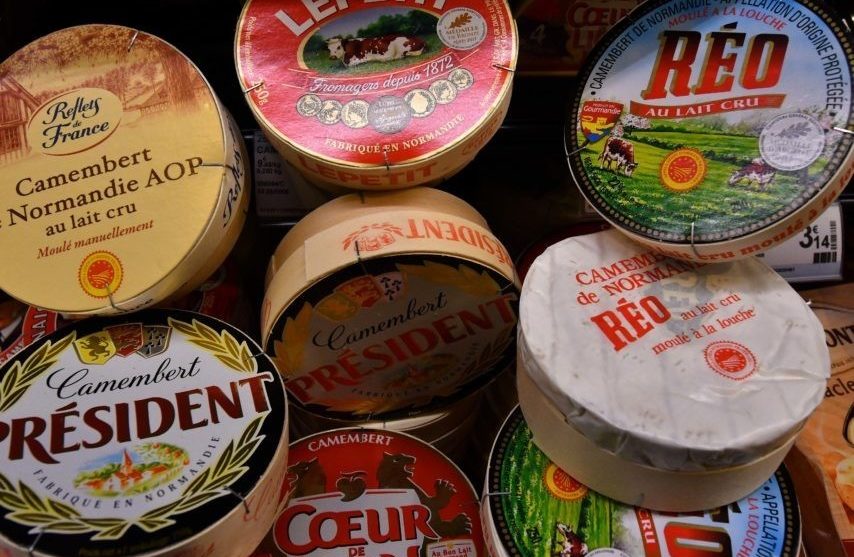
A symbol of its popularity with consumers, Camembert cheese is the object of collectors, known as “Tyrosemiophiles”. Along with the baguette, it constitutes an international symbol of France.
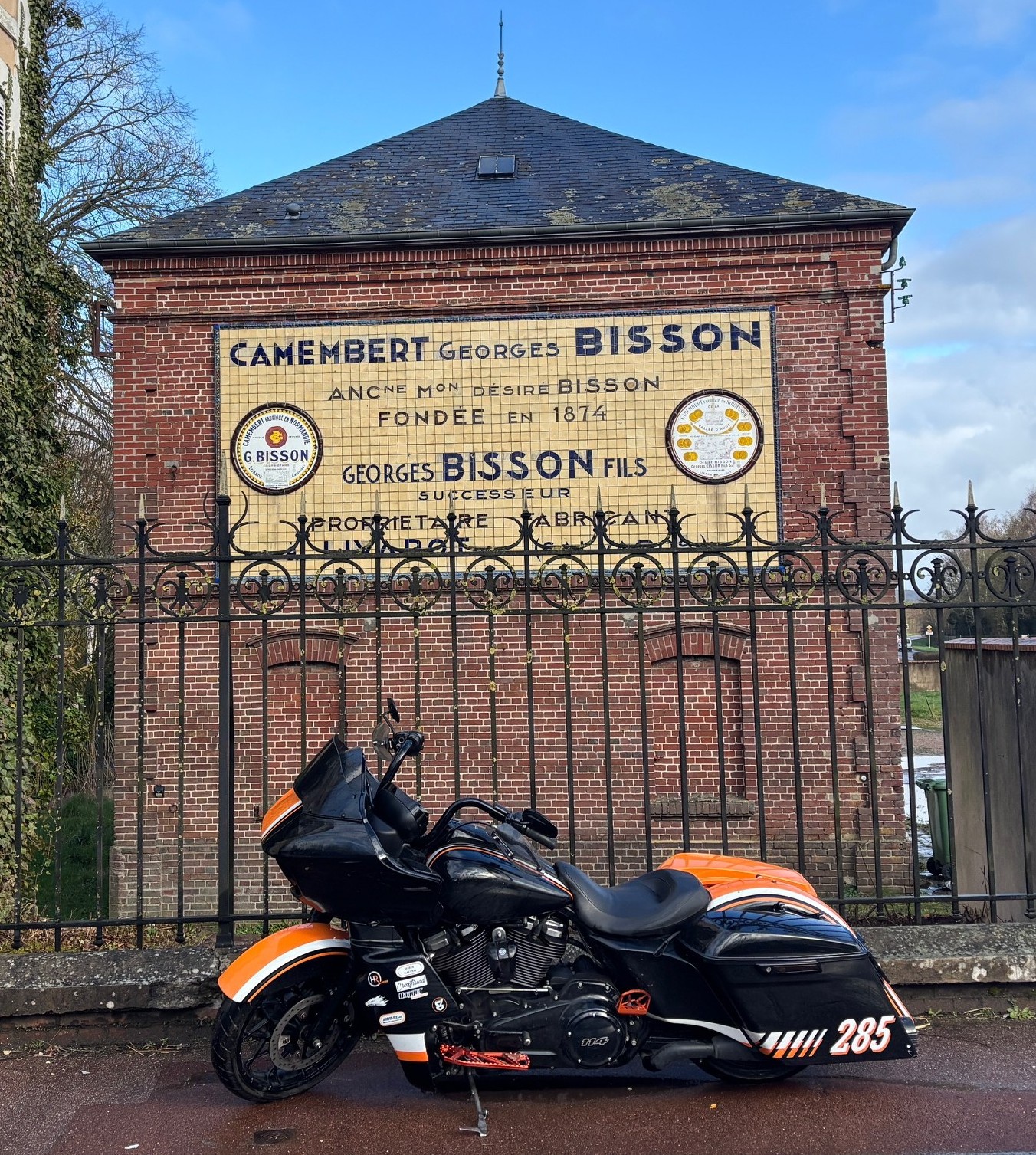
Leaving the charming village of Camembert to reach the city of Caen, historical references to local cheese production are omnipresent, and one can admire magnificent old cheese manufactures.
Caen, the city of William the Conqueror and, along with Rouen, capital of the Duchy of Normandy, Caen inherited a rich architectural heritage, part of which was destroyed during the Battle of Caen. The city has preserved the memory of this pivotal moment in the Second World War, notably by erecting a Memorial for Peace, renowned worldwide for the commemorative ceremonies held there. With a population of 110,000 within its city limits, Caen is the most populous municipality in the Calvados department. It ranks thirty-eighth in France.
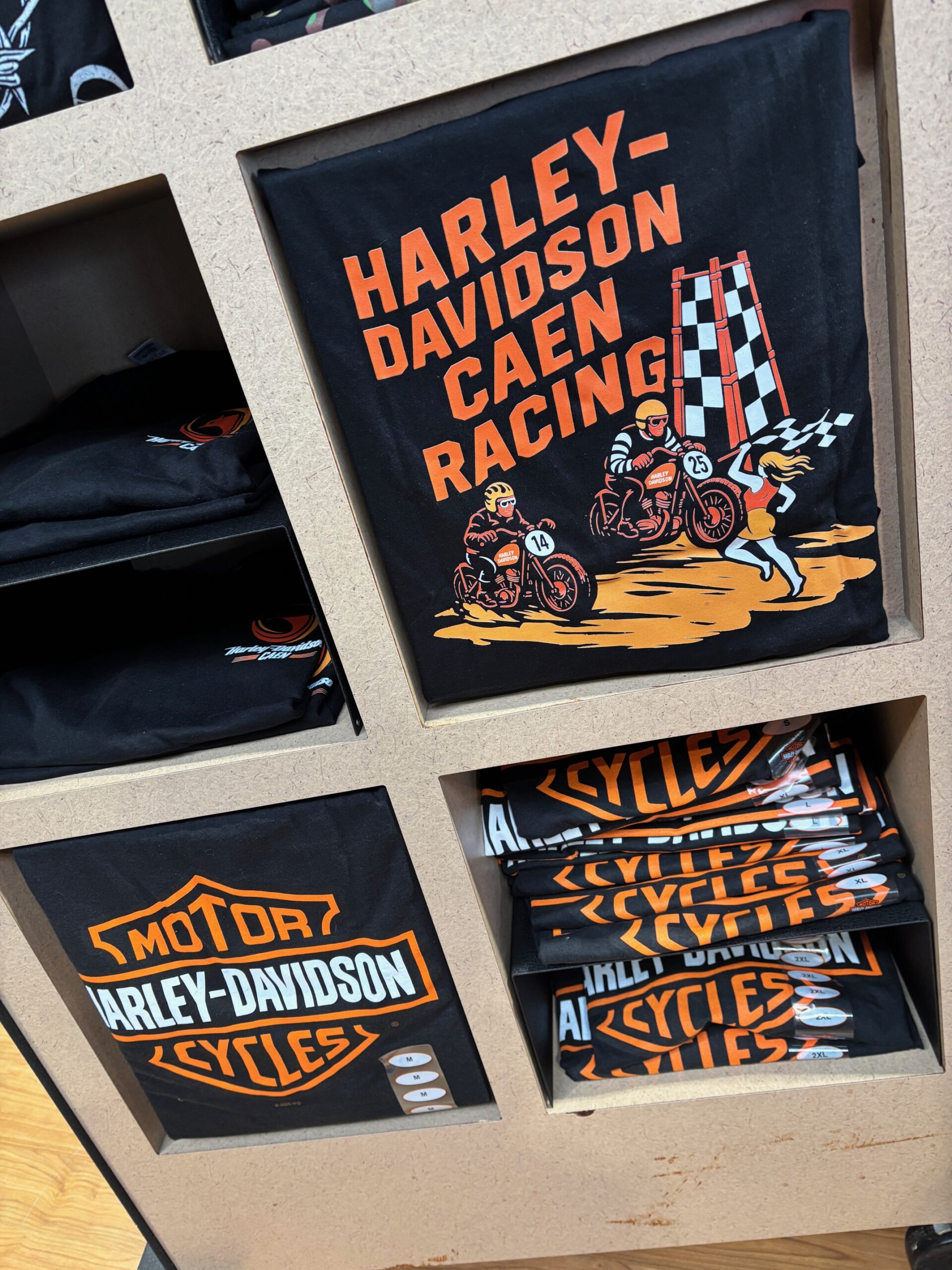
And since 1999, Caen has had its Harley-Davidson dealership.

I hadn’t been back there for many years.

As is typical at an HD dealership, the atmosphere is relaxed and the coffee is free.
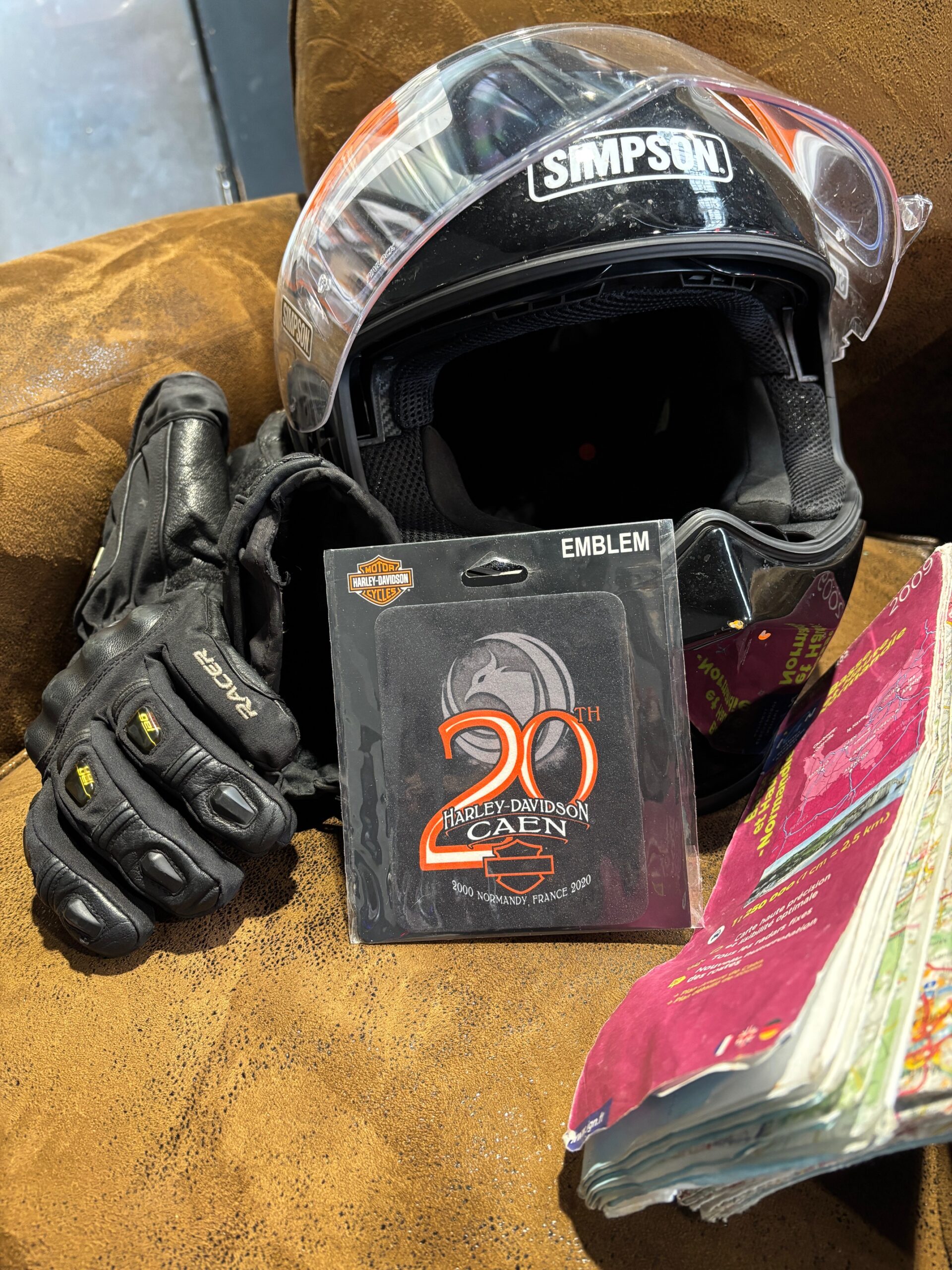
This month, the dealership’s contest offers the chance to win a Pan America model.

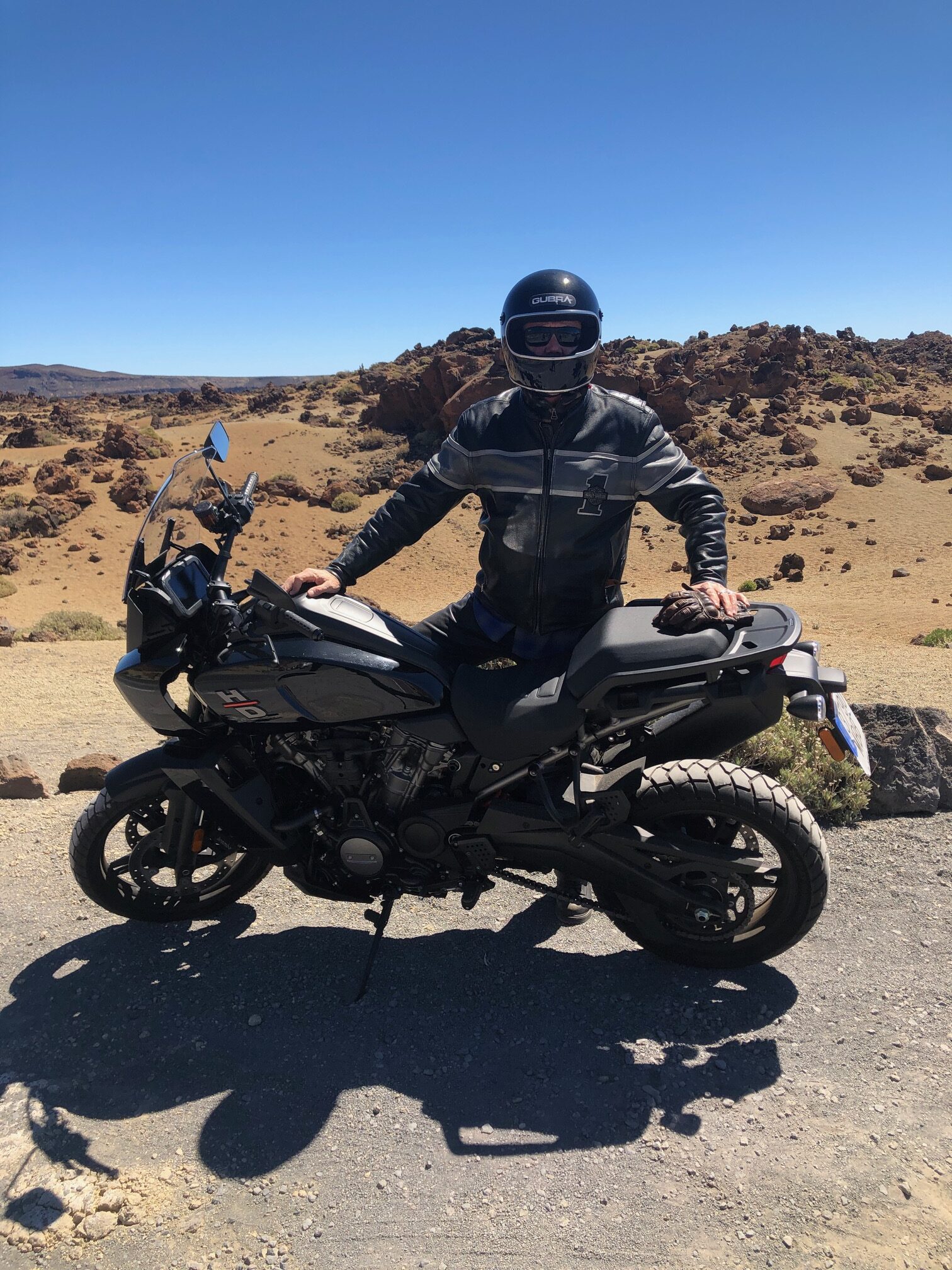
Very good bike, but not my favorite (See: RIDIN’ EL TEIDE! – Iron Trader News )
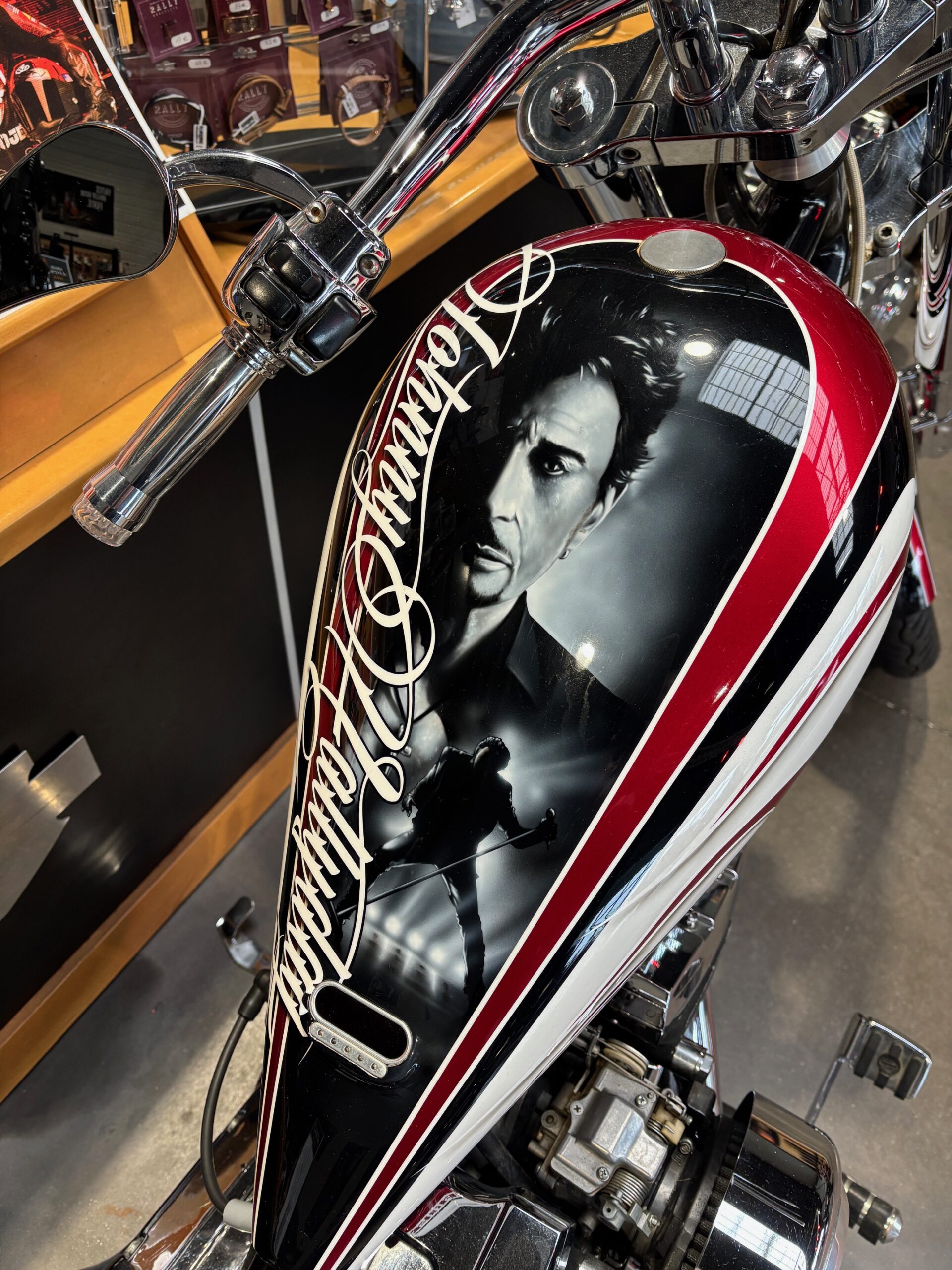
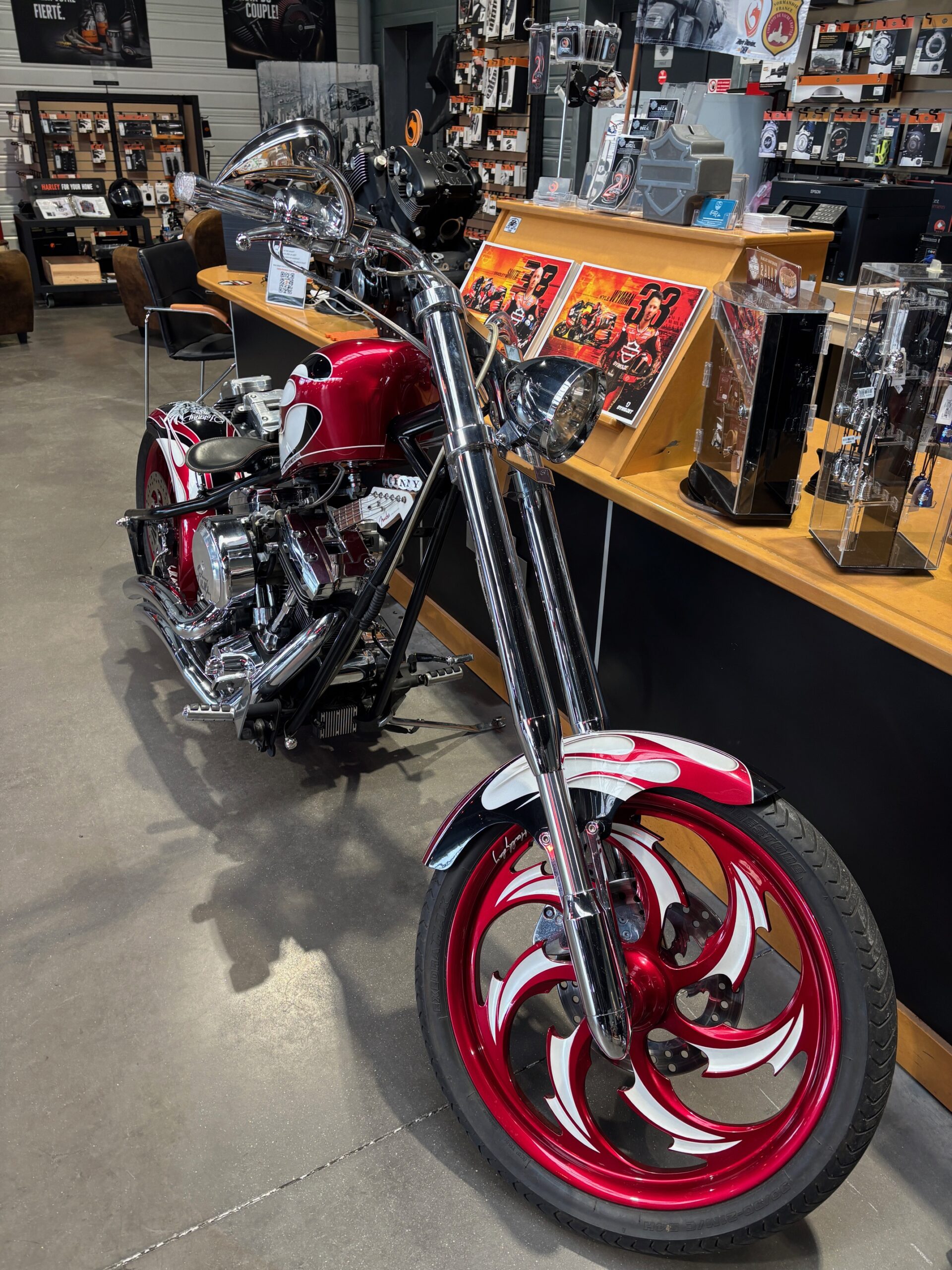
That day, the dealership was displaying the chopper of one of its customers.
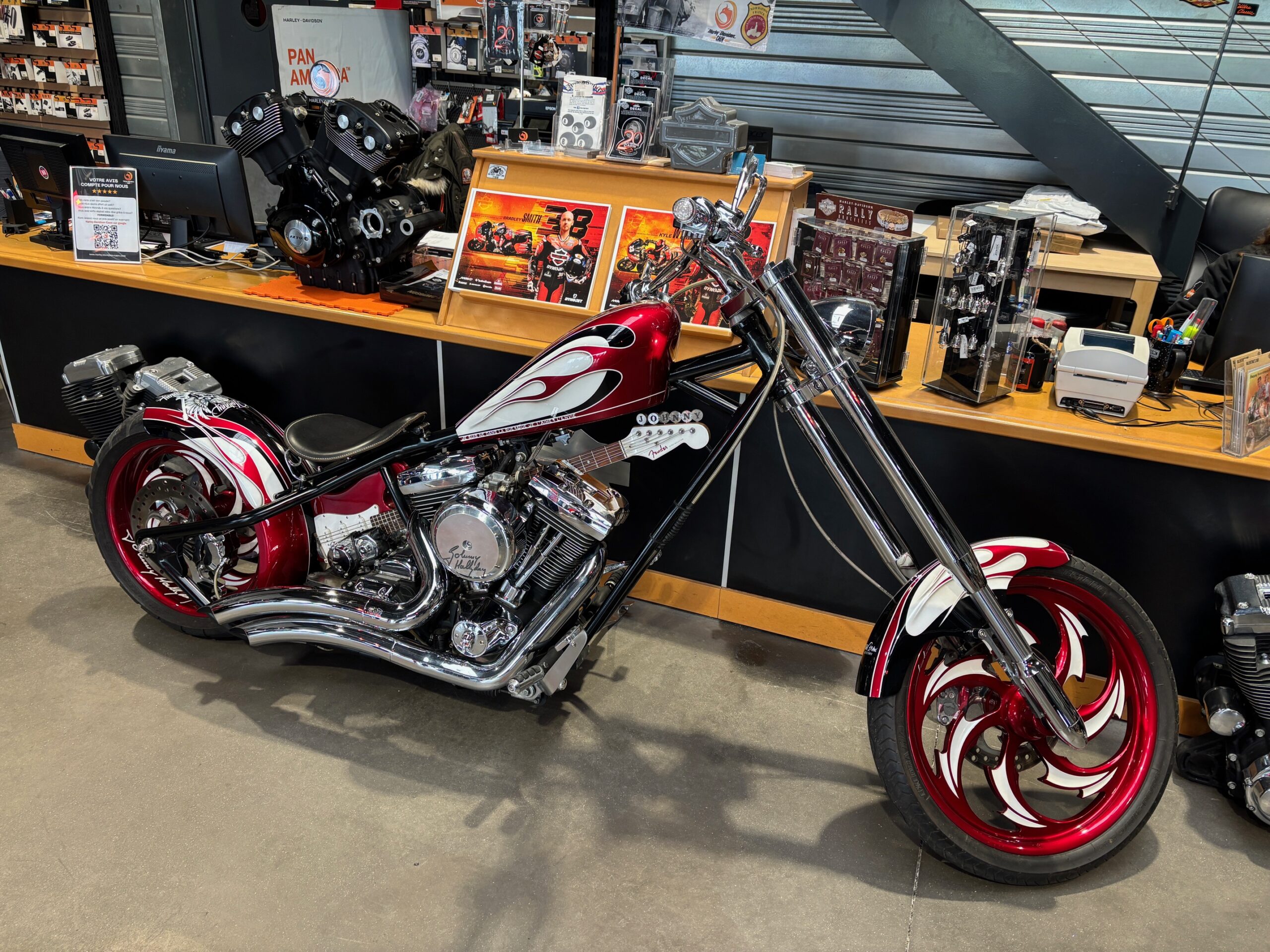
Customization dedicated to the French singer Johnny Hallyday, a national star who died in 2017.
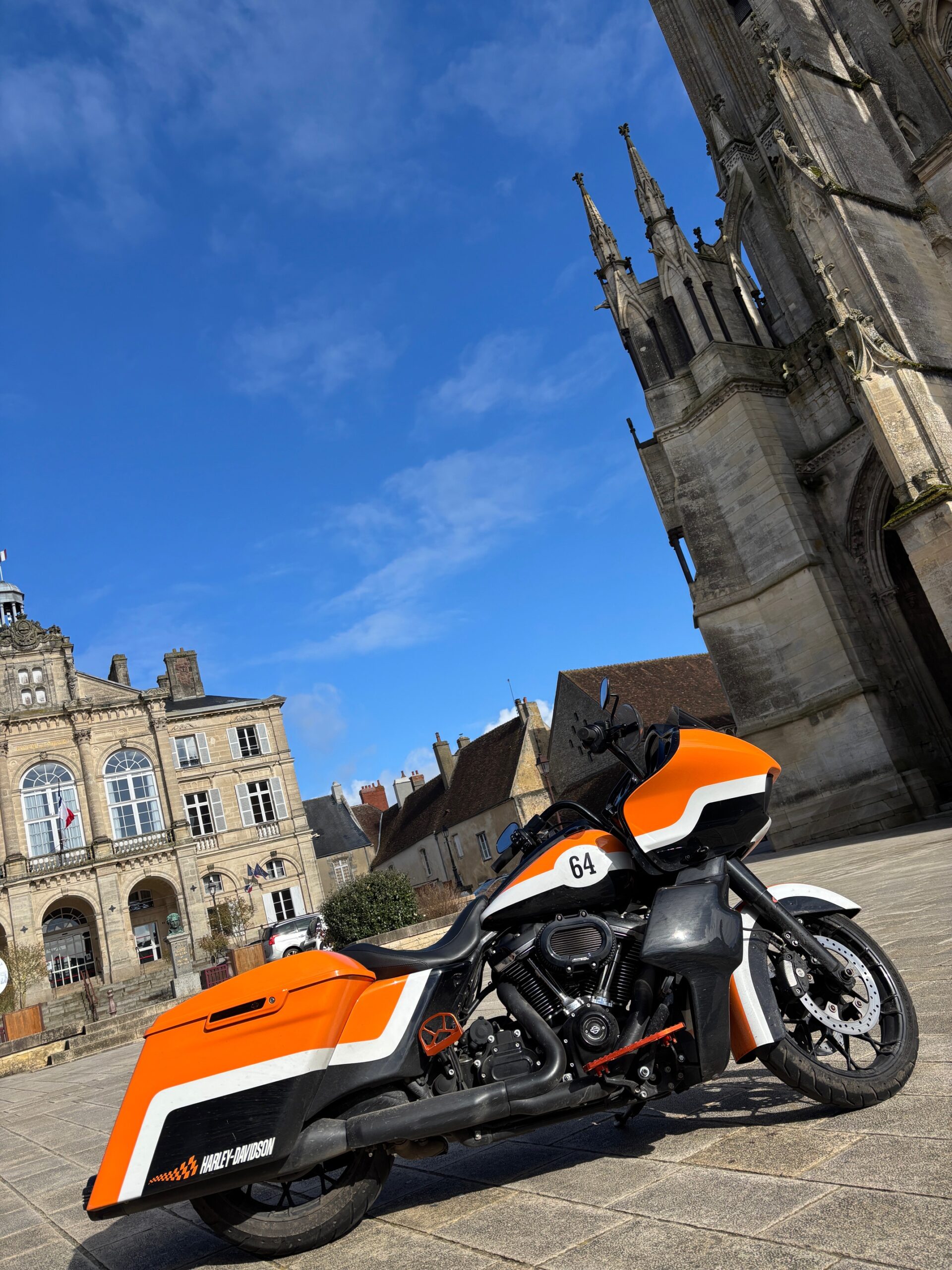
Midday had arrived; it was time to hit the road again for the Paris region.
Time to make some nice acquaintances.
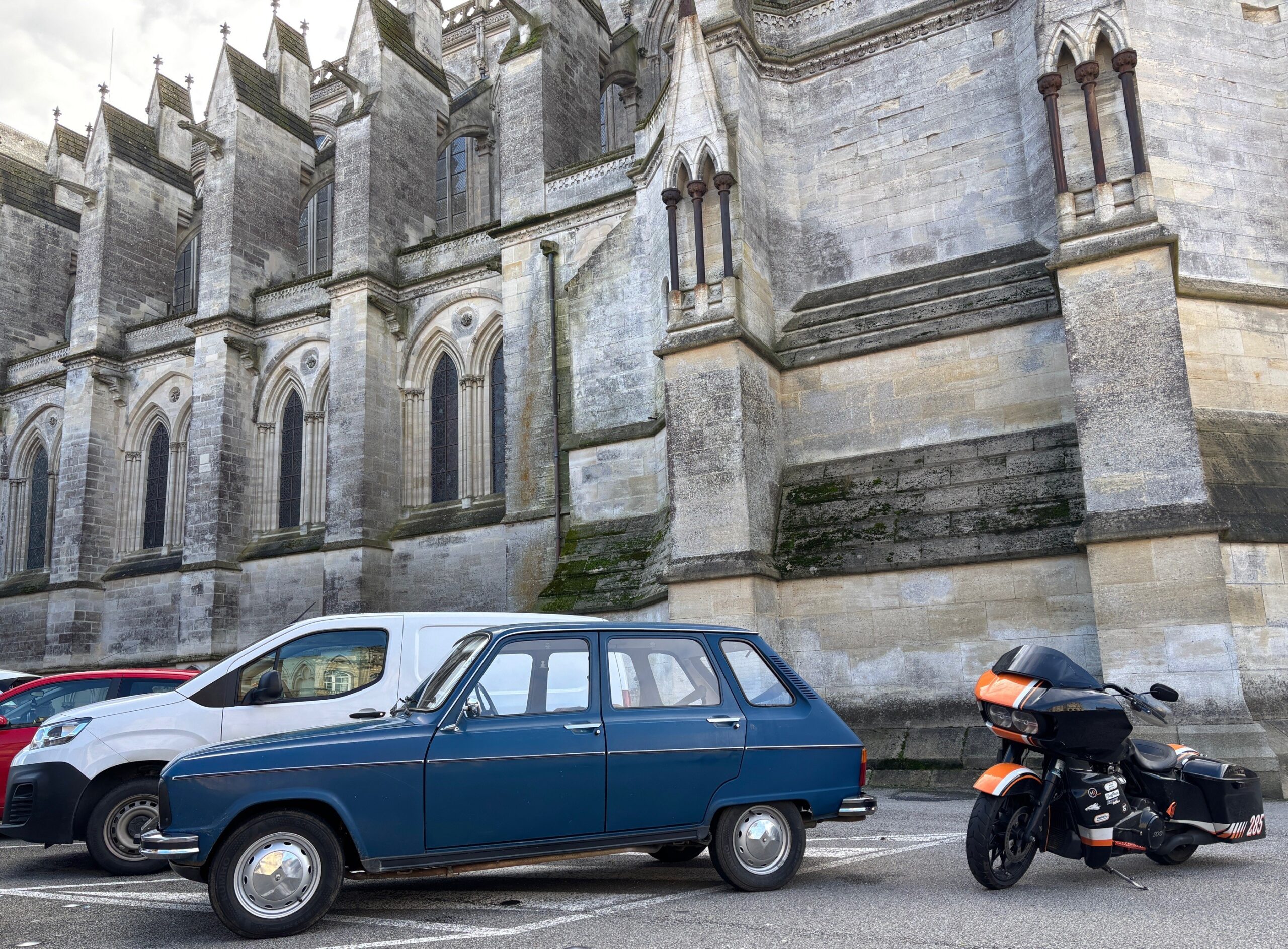
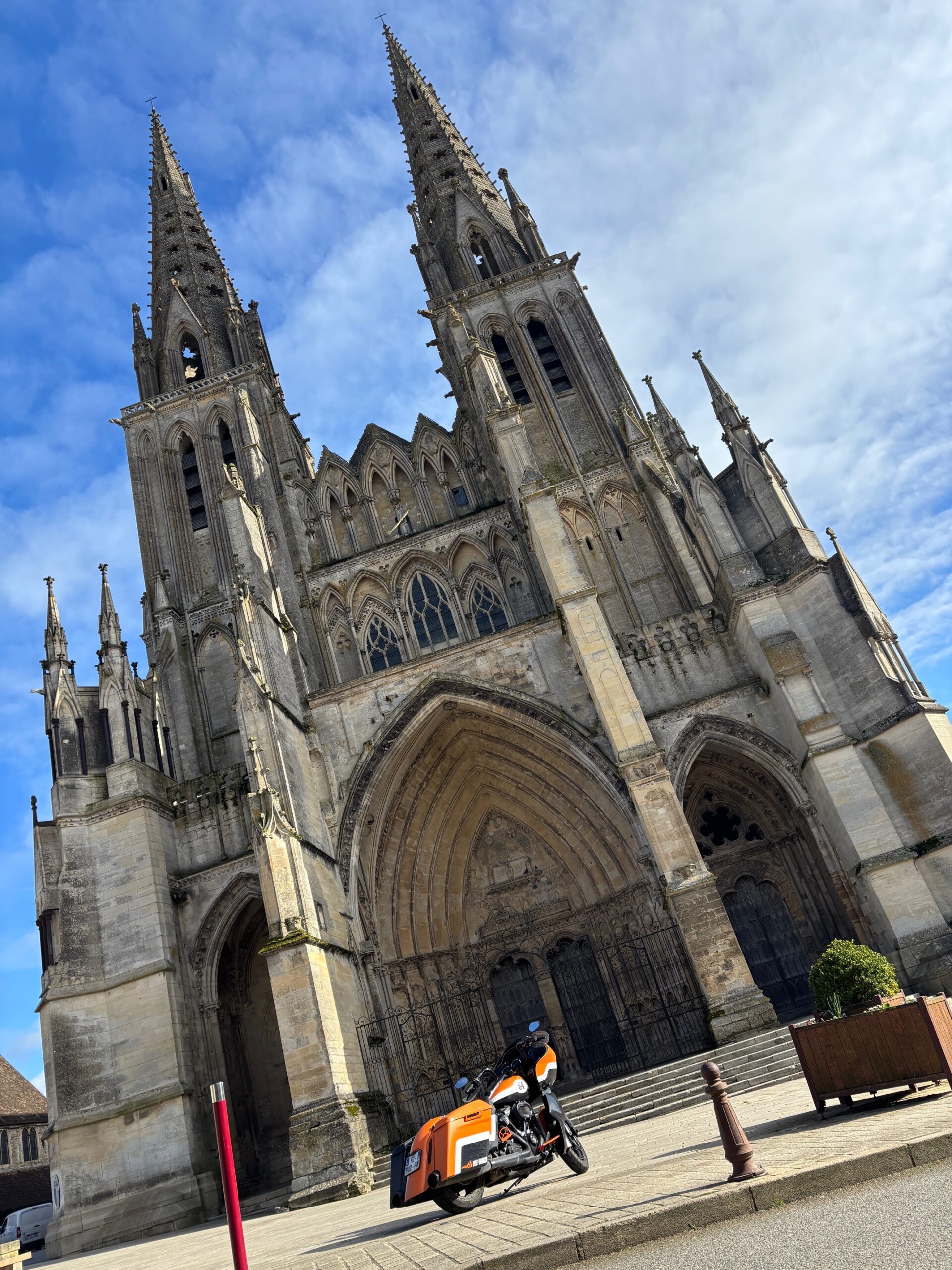
And to take some photos in magnificent places. Particularly in the beautiful town of Sées. According to legend, Sées owed its ancient wealth to a golden rooster that appeared every night at midnight and crowed. The pre-existing Gallic settlement developed after the Roman conquest.
Sées, home to numerous convents, was used as a neutral hospital town during the Battle of Normandy, which prevented it from being razed like neighboring, more strategically important towns due to the railway (Argentan, etc.). To this end, several buildings (seminaries, religious communities) were requisitioned by the occupying forces as early as June 1944 (marked by huge red crosses painted on the roofs) to treat wounded soldiers and provide temporary burials if necessary.
I was very lucky to be able to ride (600km / 375 miles) that day under incredible sunshine (in the heart of a rather difficult winter).
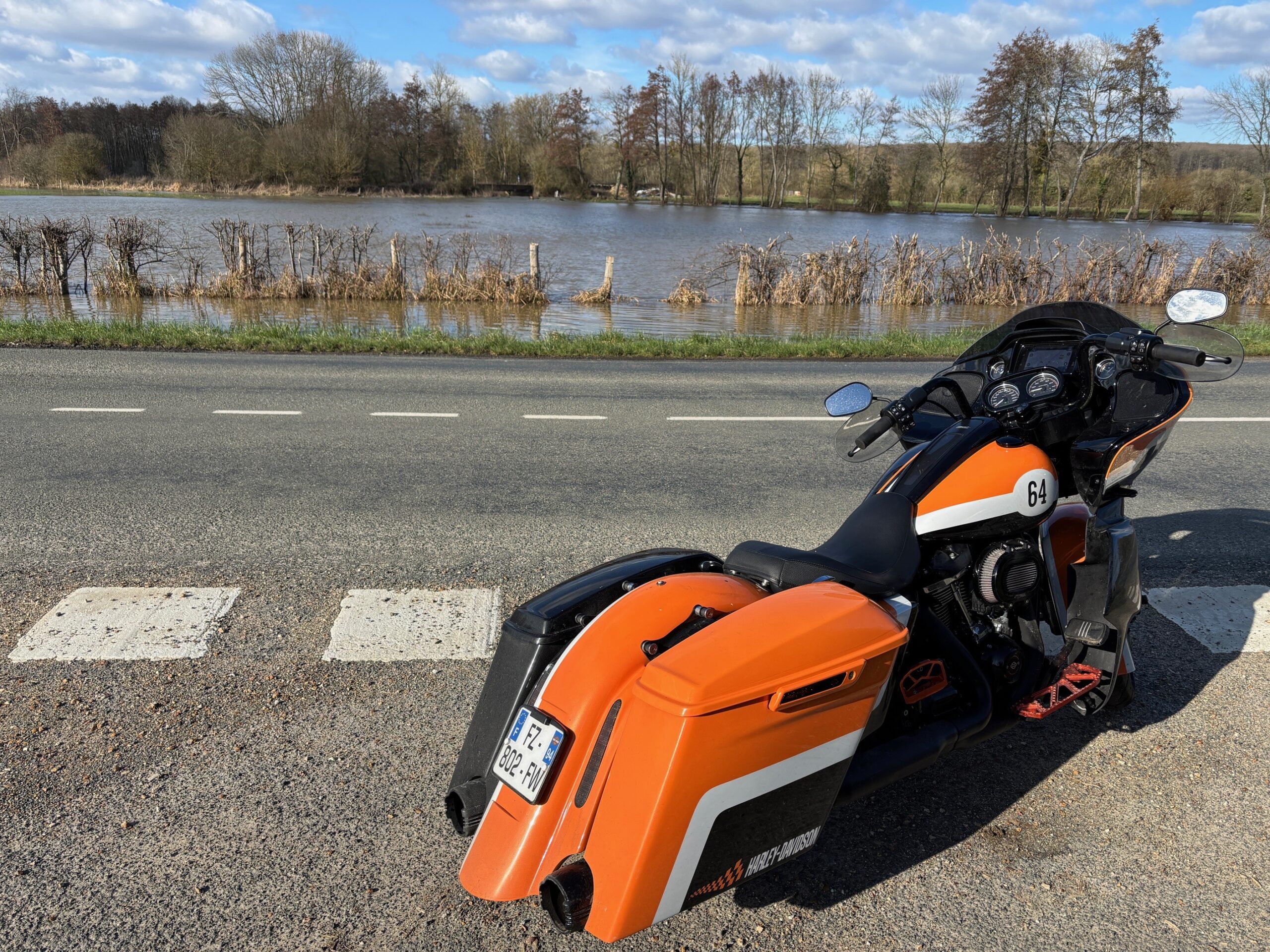
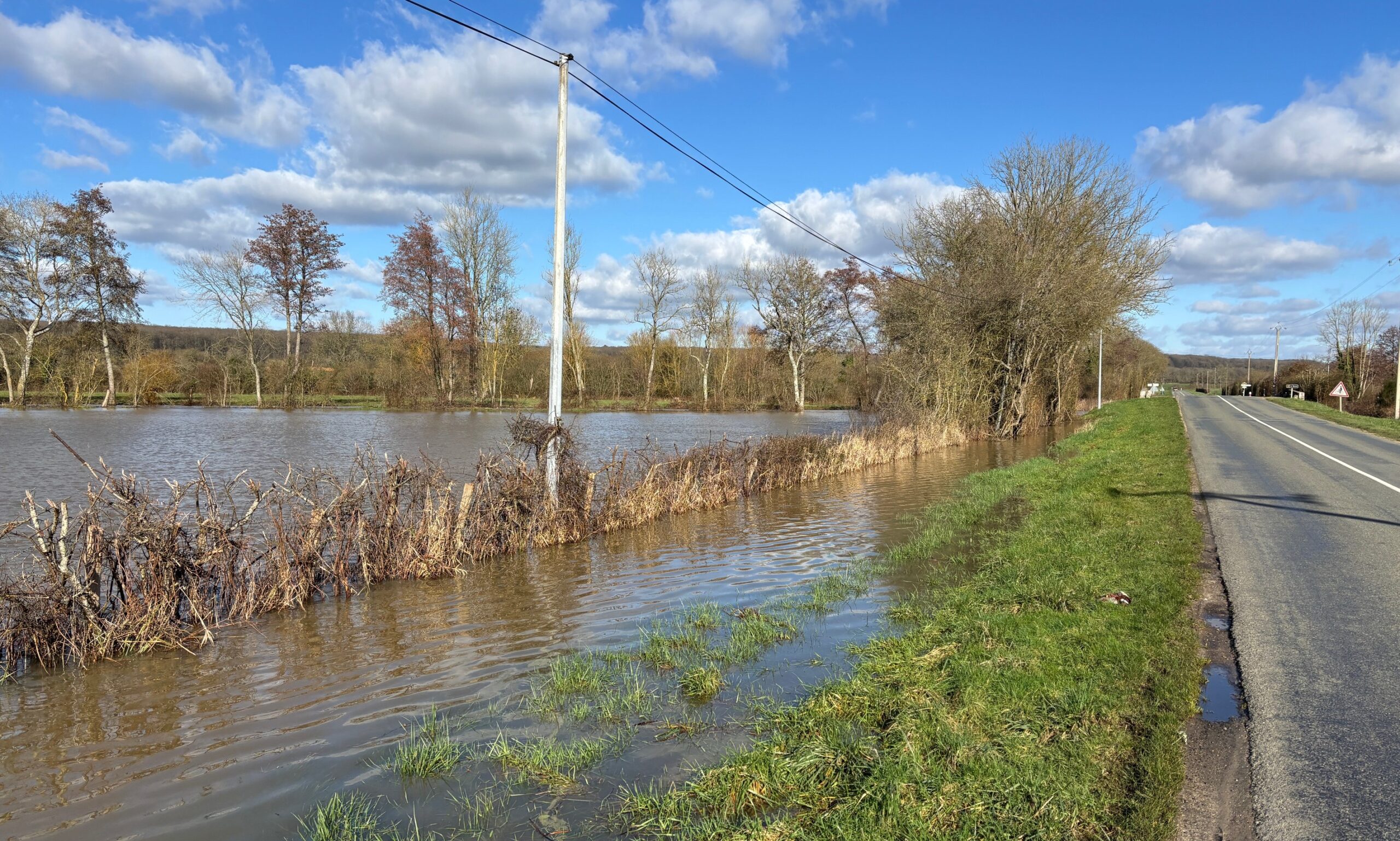
And very surprised by the countryside being completely underwater. All the rivers have overflowed, and the fields are almost totally submerged on all sides. It was somewhat incongruous.
And of course, it was a very beautiful day.
See ya soon on the road, who knows?!?
Hervé, your French biker friend.




More Stories
RIDE TO THE GRAND DUCHY OF LUXEMBOURG
FRENCH BIKER AND AMERICAN AVIATORS
MY IRON HORSE, THE FRENCH FARRIERS AND SAINT-ELOI