



Story and Photos by ITN European Reporter Herve’ Rebollo
Salut à toi my biker friend,
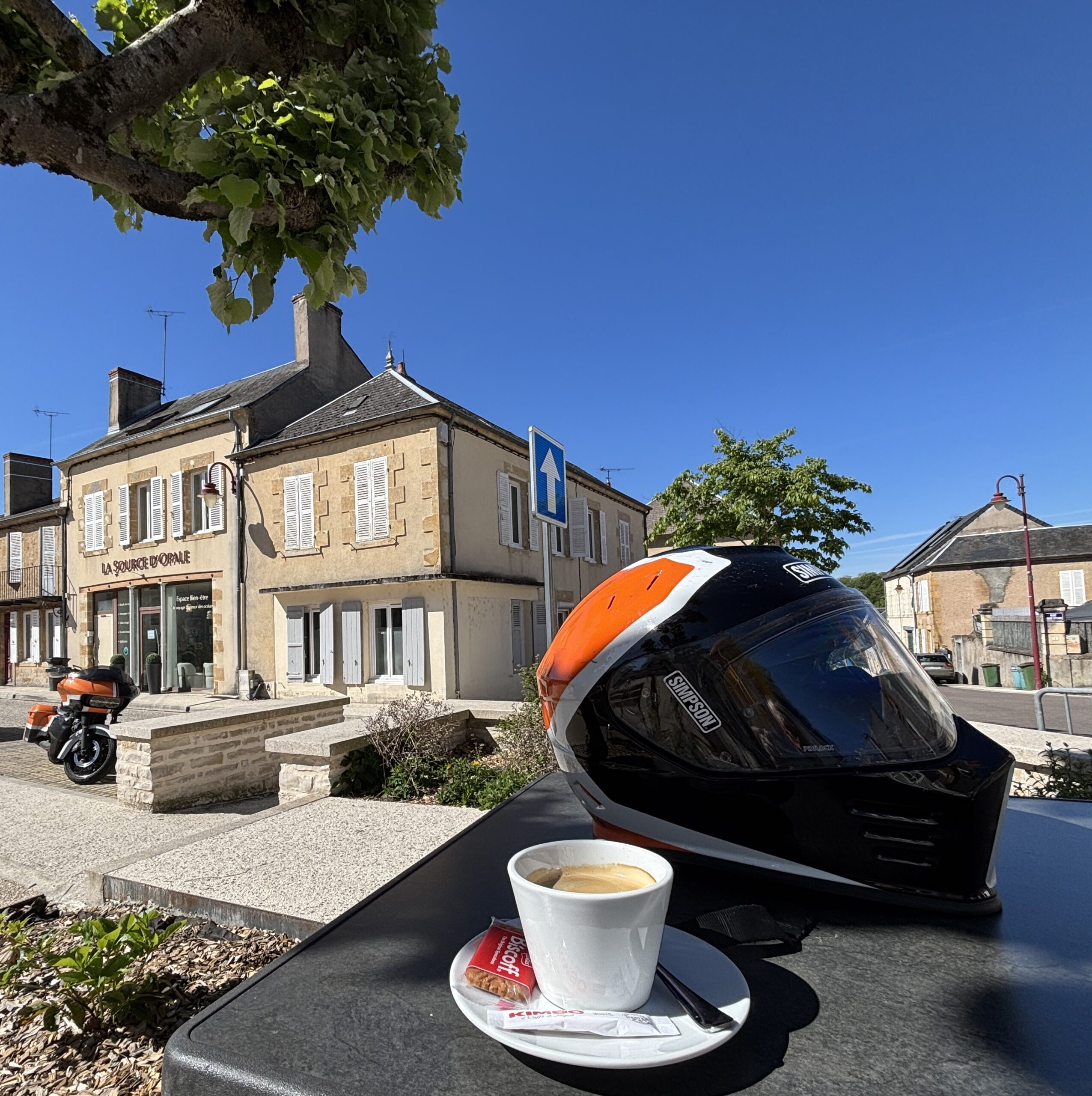
Spring has finally arrived in France. How lucky! For my monthly ride i had three main goals : to have a morning coffee away from home, in a pretty little nice village, to try and broaden my general knowledge, to ride along the beautiful Loire River (and above all, to enjoy a great ride). Let’s go!
The idea was to make a very short round trip on this last Saturday of April. A short 600km / 375 miles journey in the heart of France.
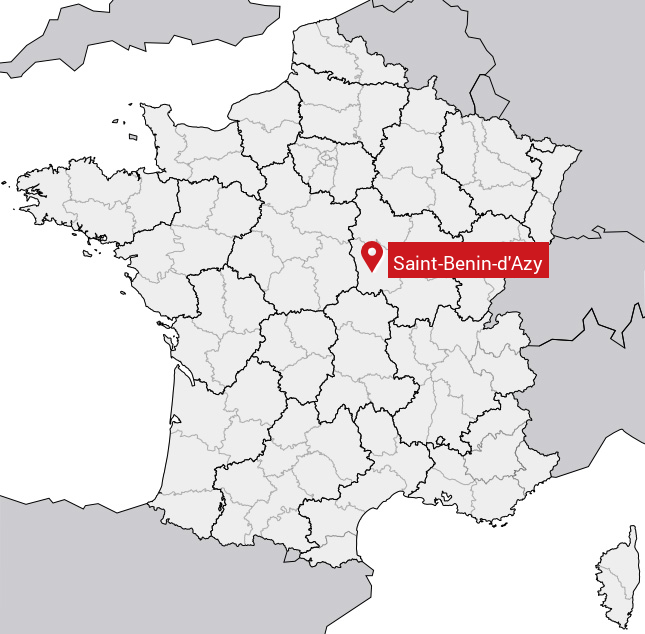
Ok, direction to the village of SAINT-BENIN-D’AZY
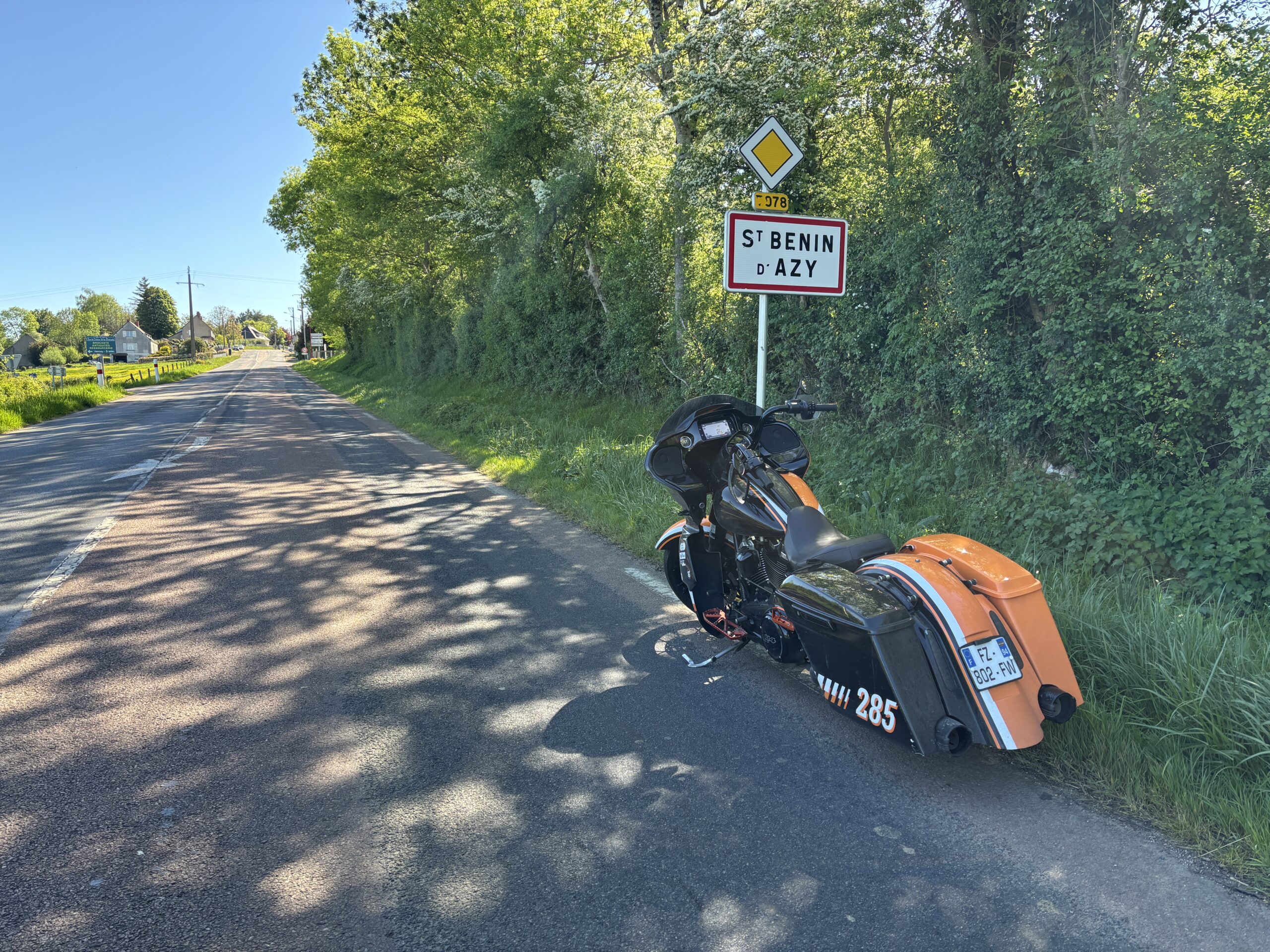
Saint-Benin-d’Azy is a french commune located in th edepartment of Nièvre, in the Bourgogne-Franche-Comté region.
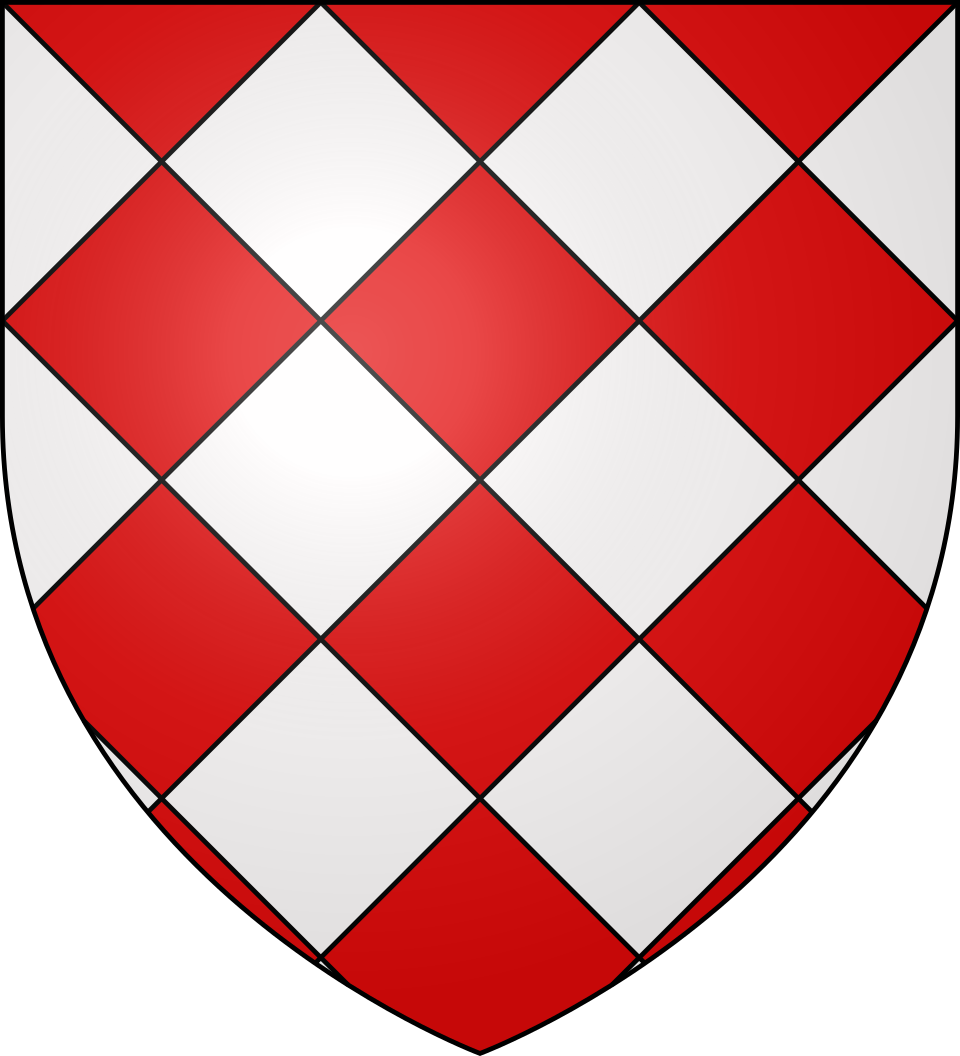
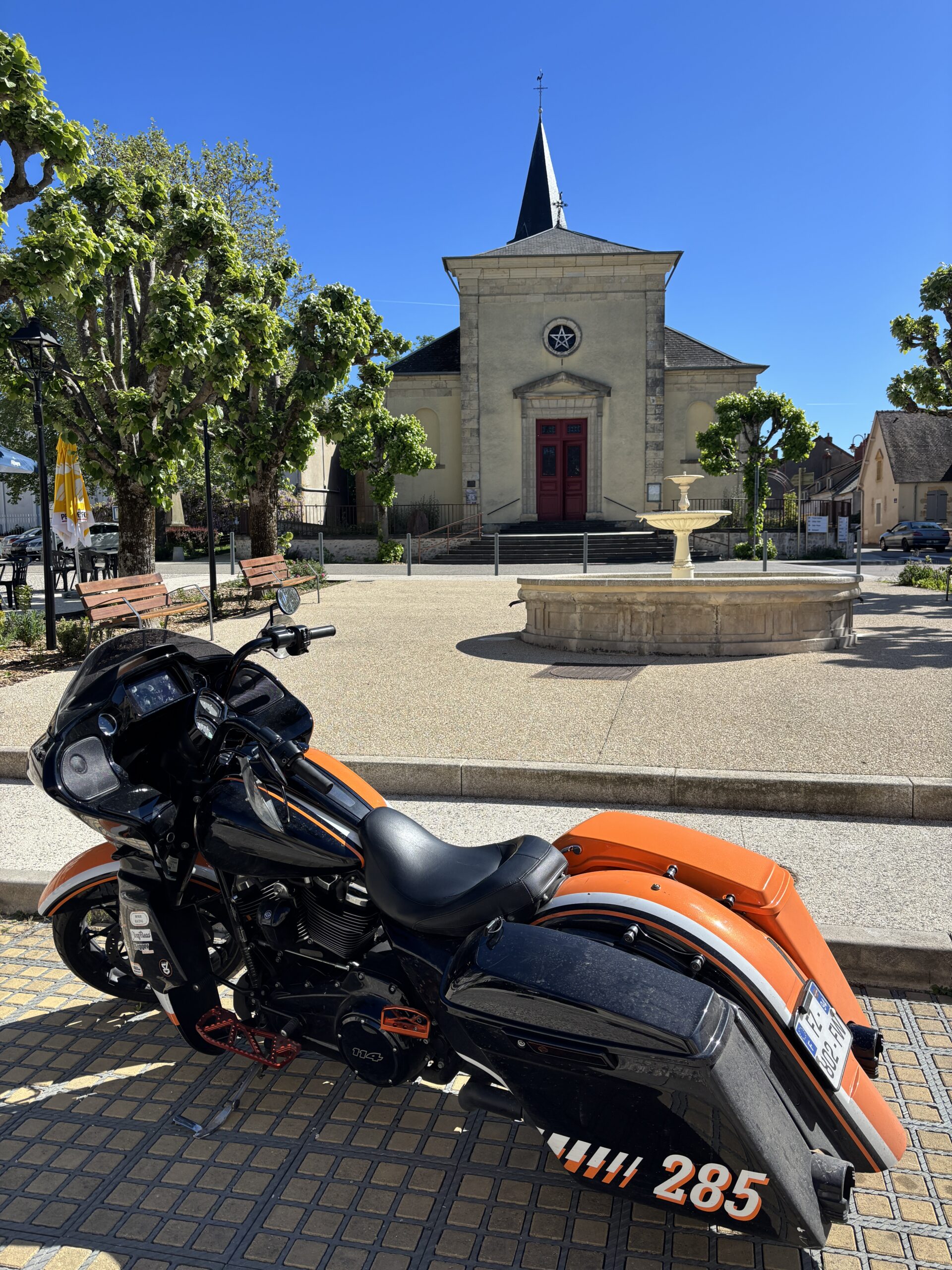
The population of saint-Benin-d’Azy is around 1300 inhabitants. And its small central square is absolutely magnificient under the spring sun.
The perfect place for a good coffee.
This is the very example of a traditional village in this part of France.
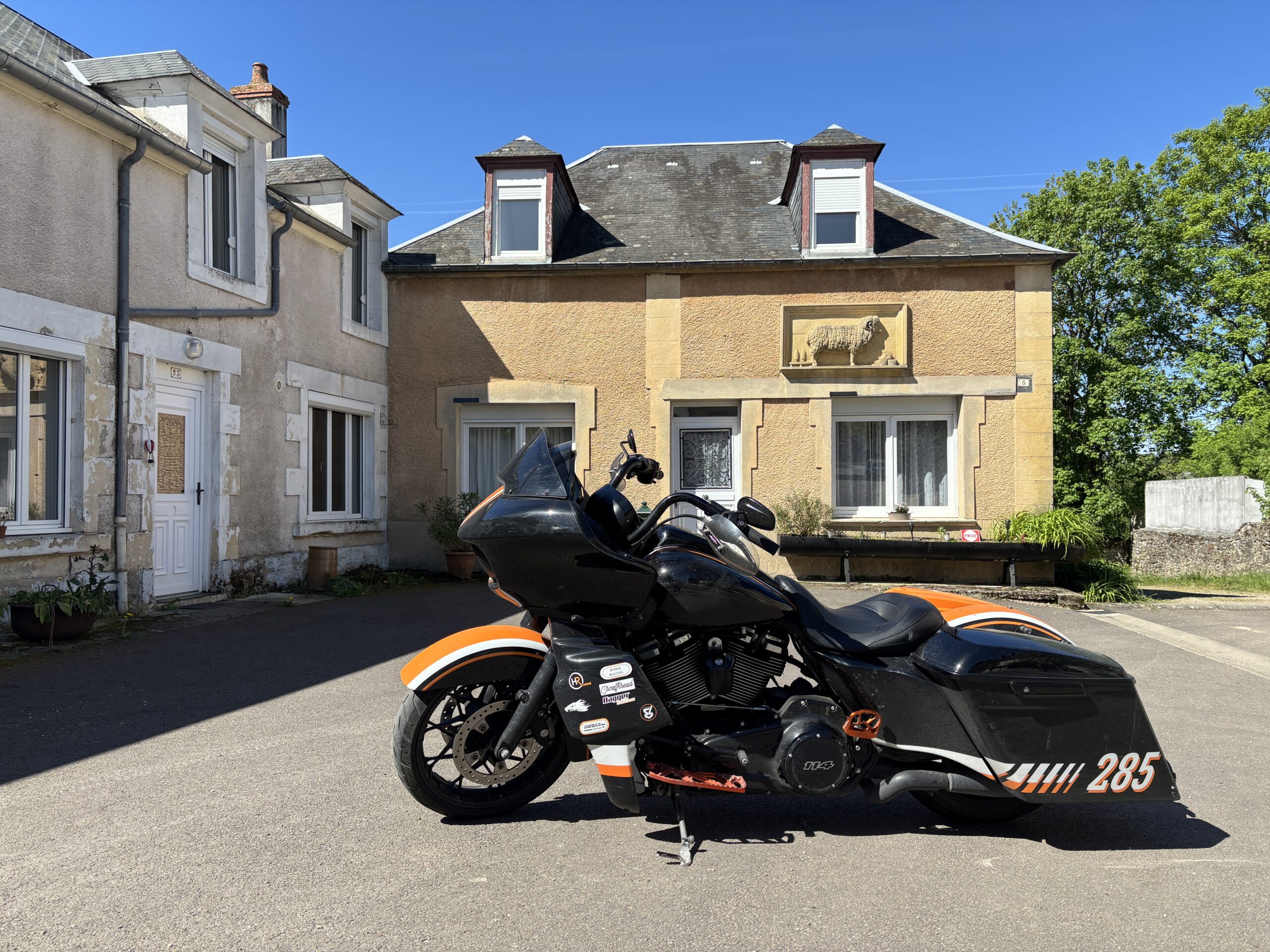
This is the very example of a traditional French village, with its narrow streets and old buildings. A peacuful and pleasant village where enjoying a coffe in the sunshine is one of life’s great little pleasures.
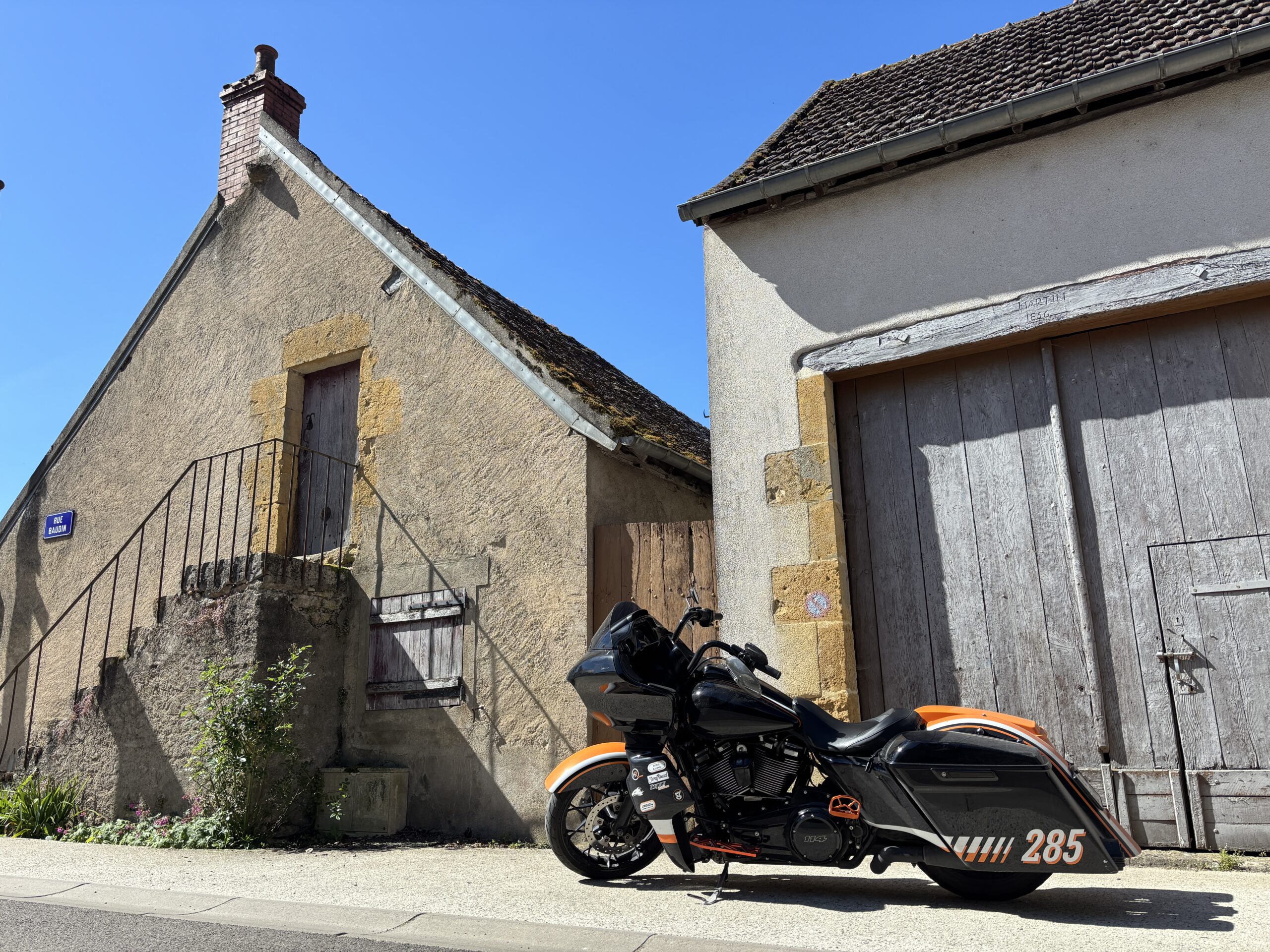
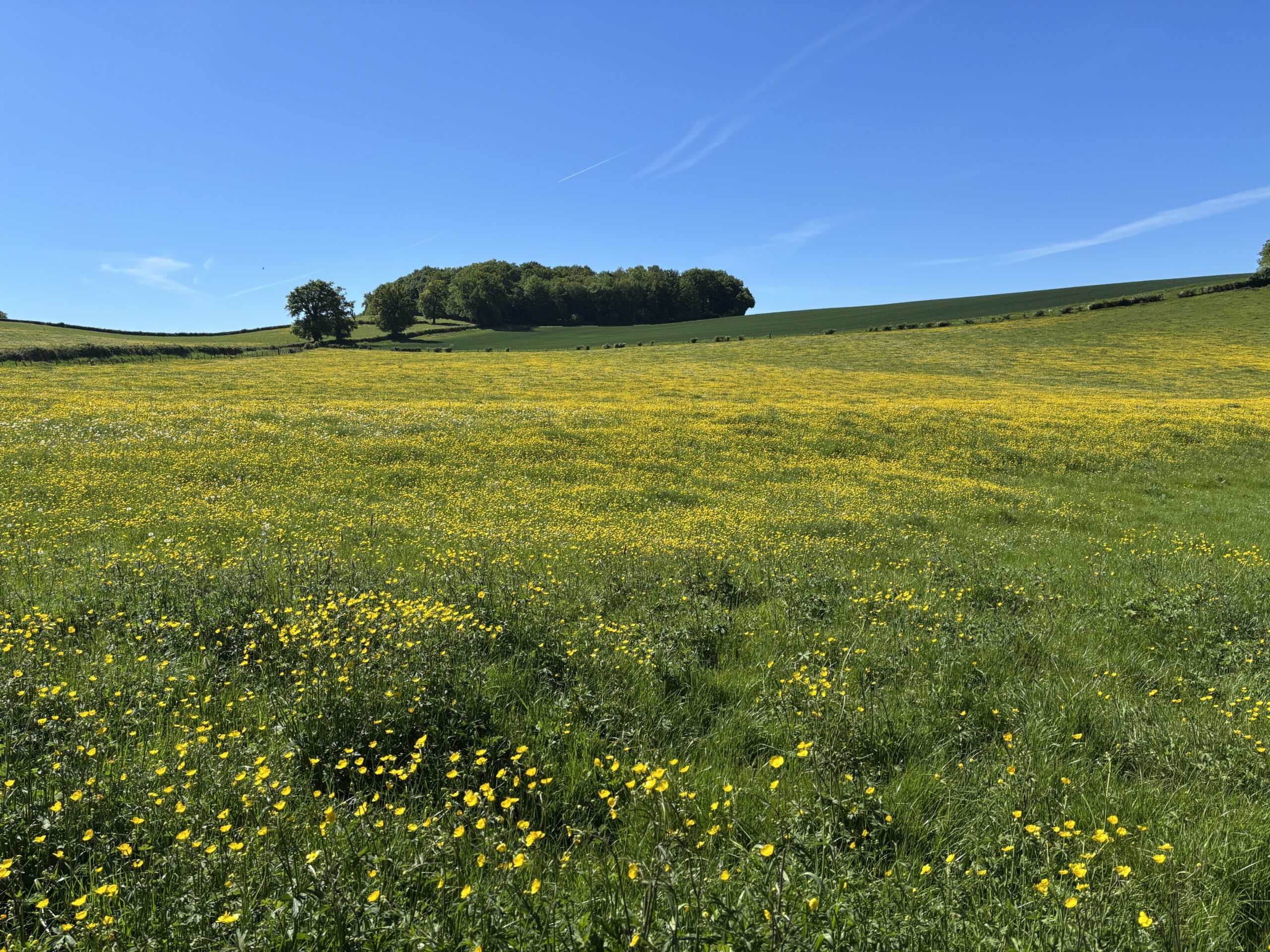
That’s it, time to reach my second objective of the day. Let’s cross the magnificient countryside to reach the next stage.
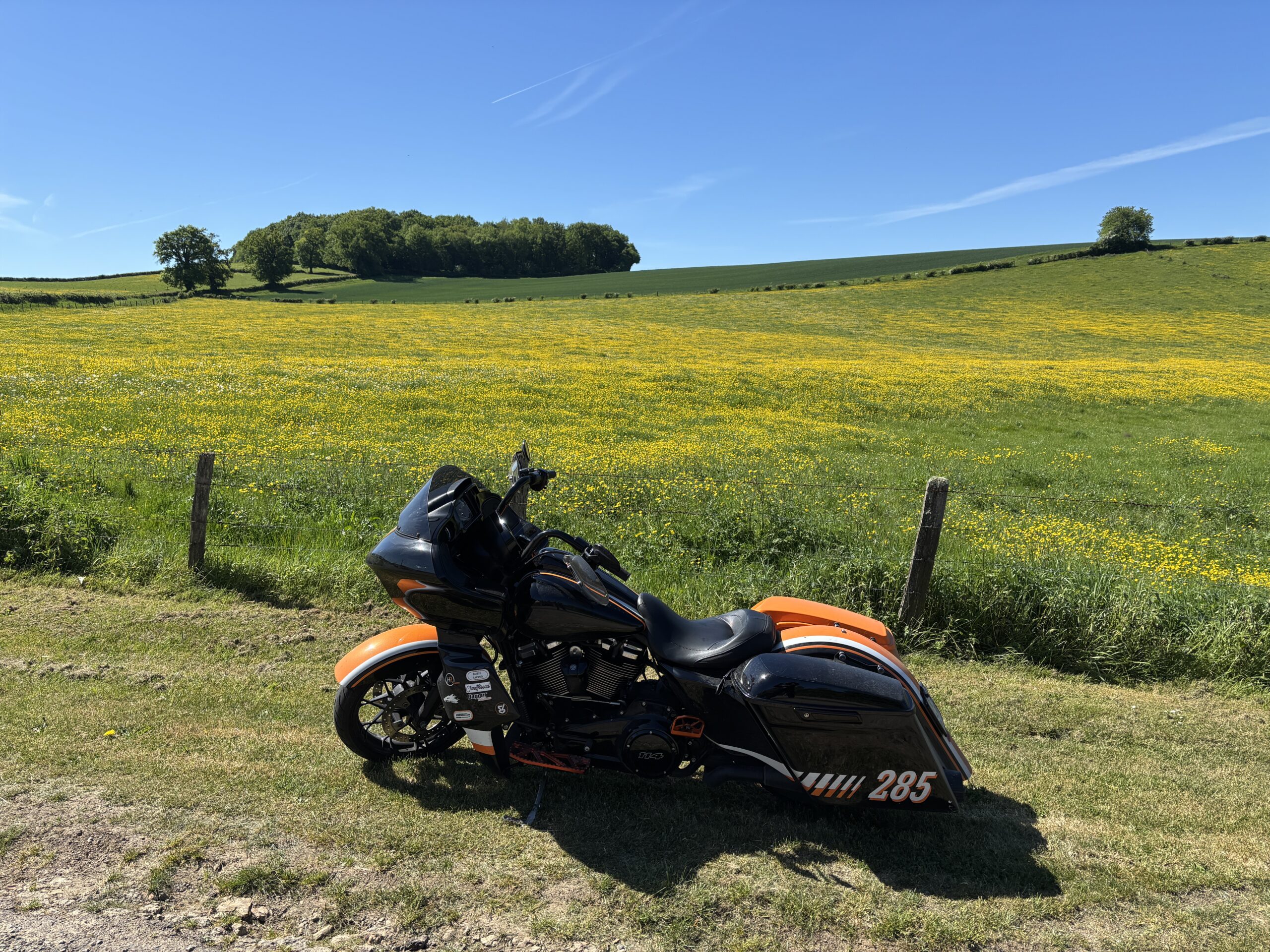
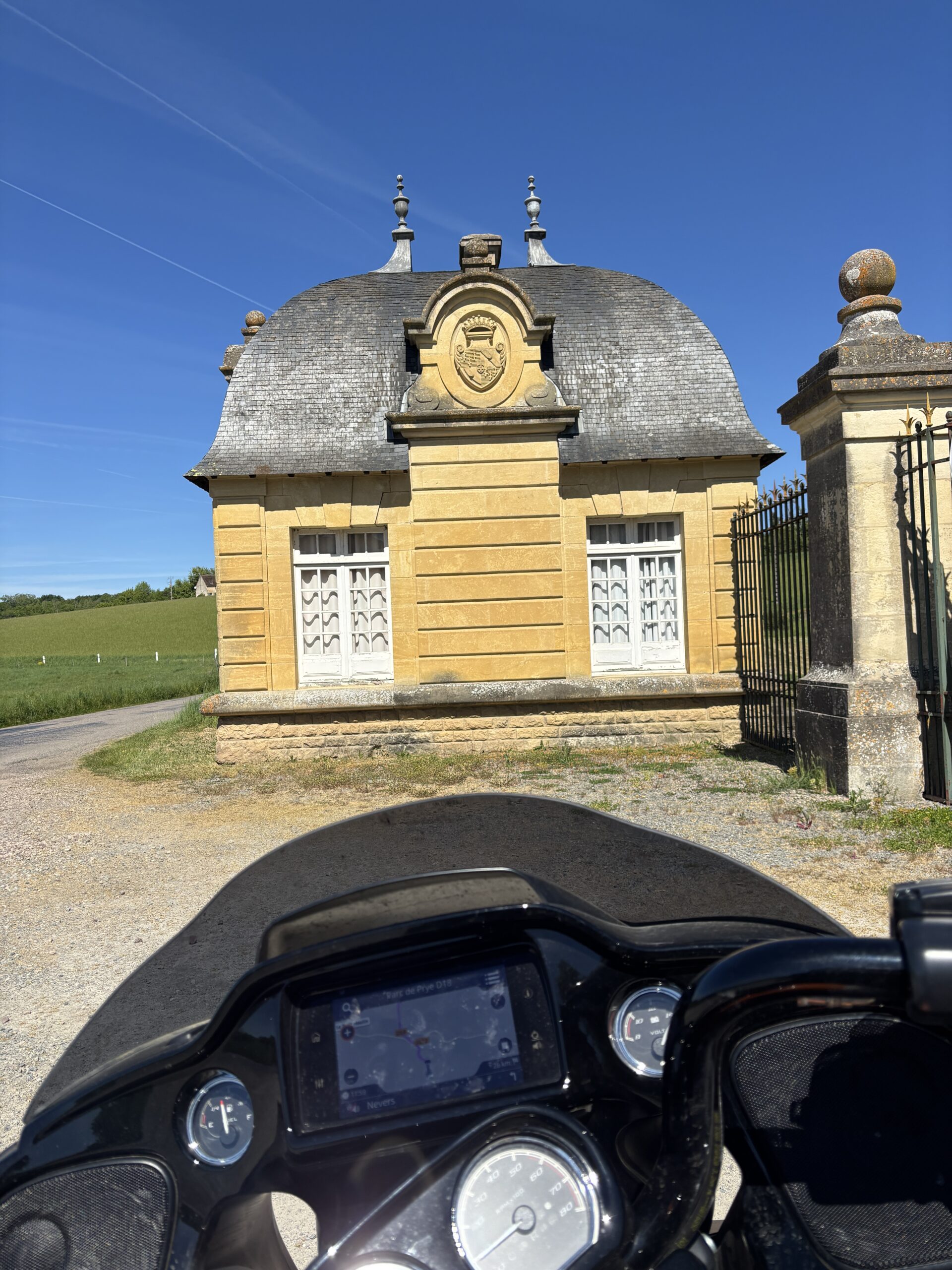
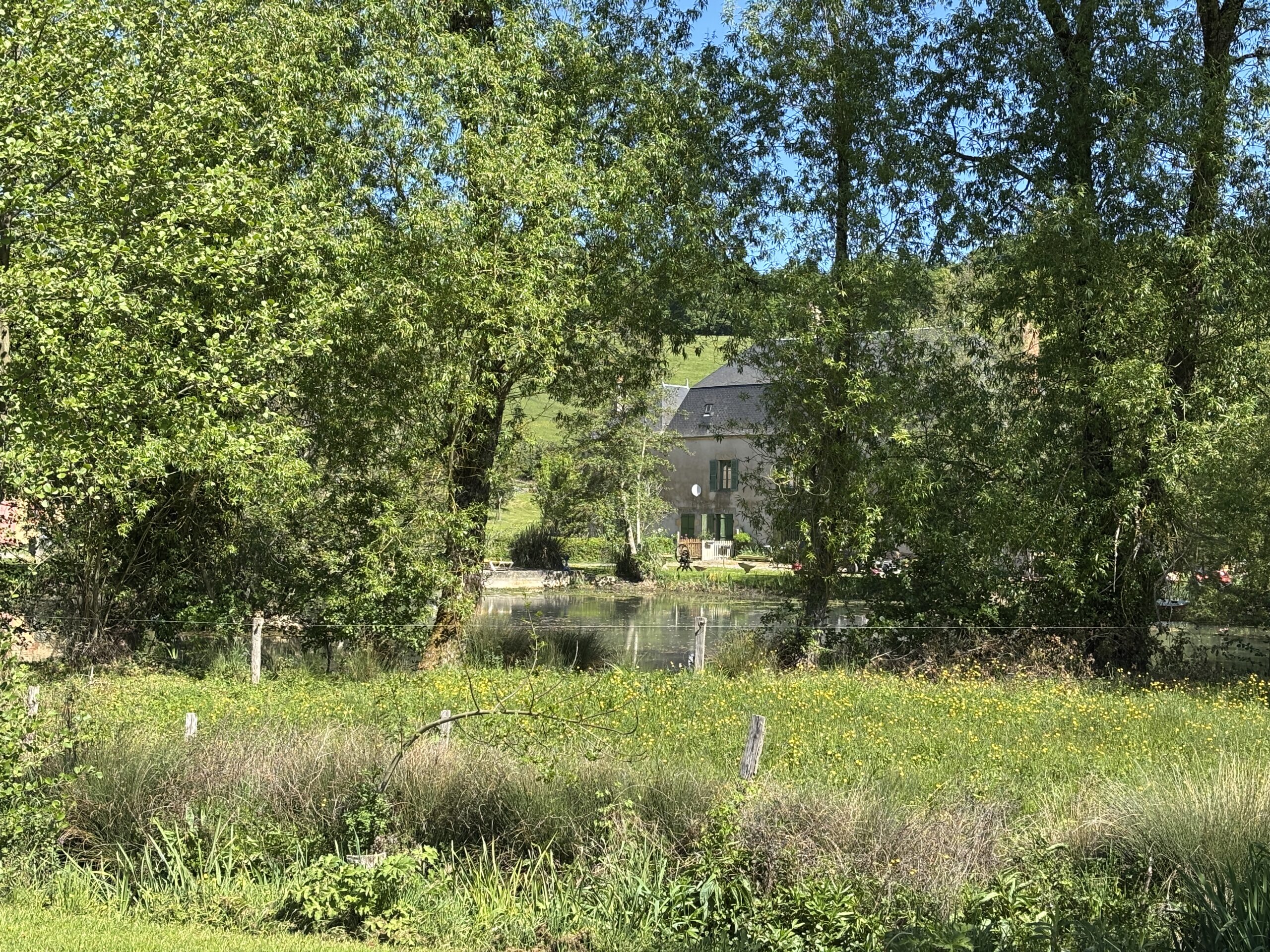
And, along the small roads, bend after bend, magnificent houses brighten the journey.
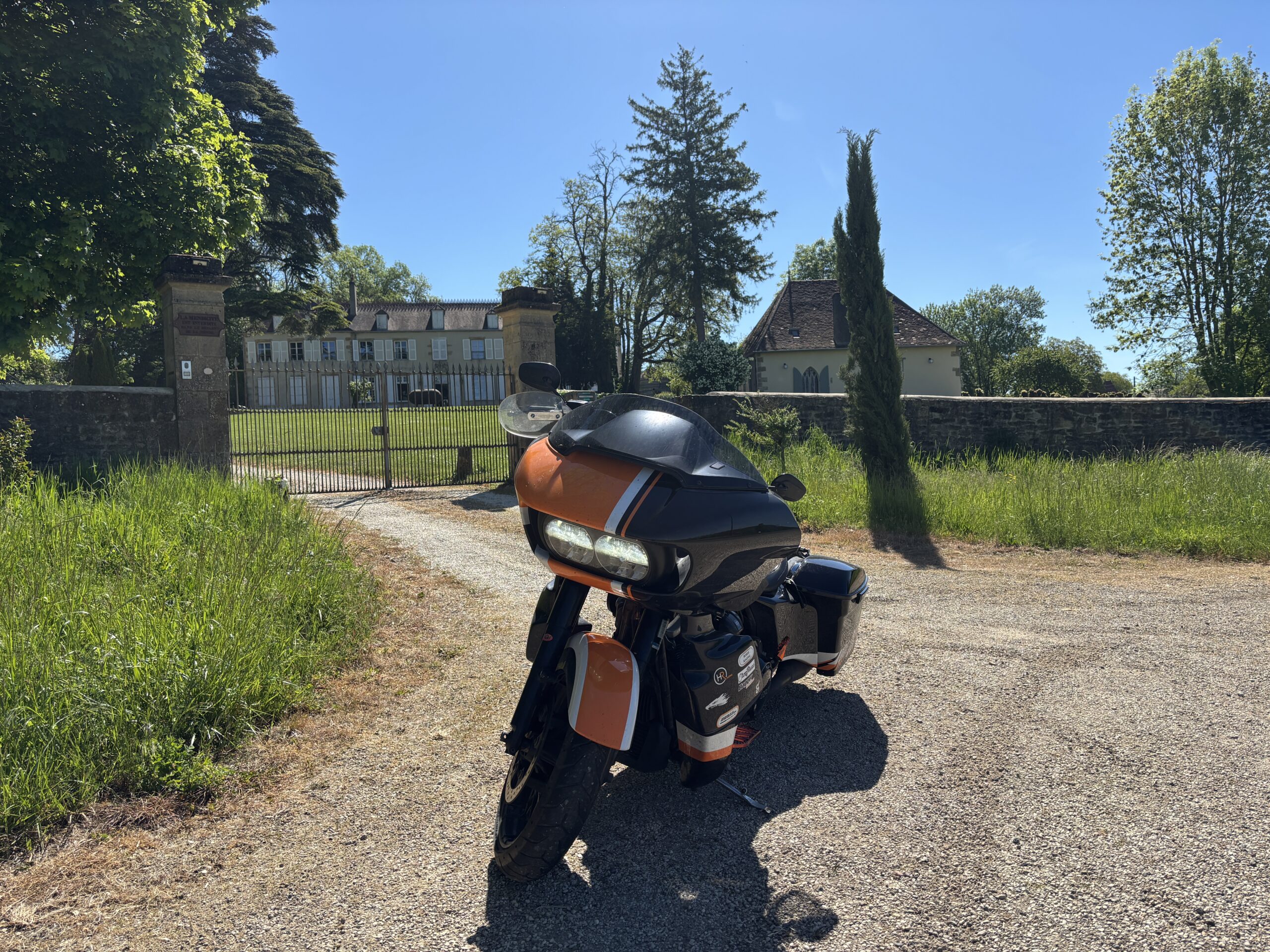
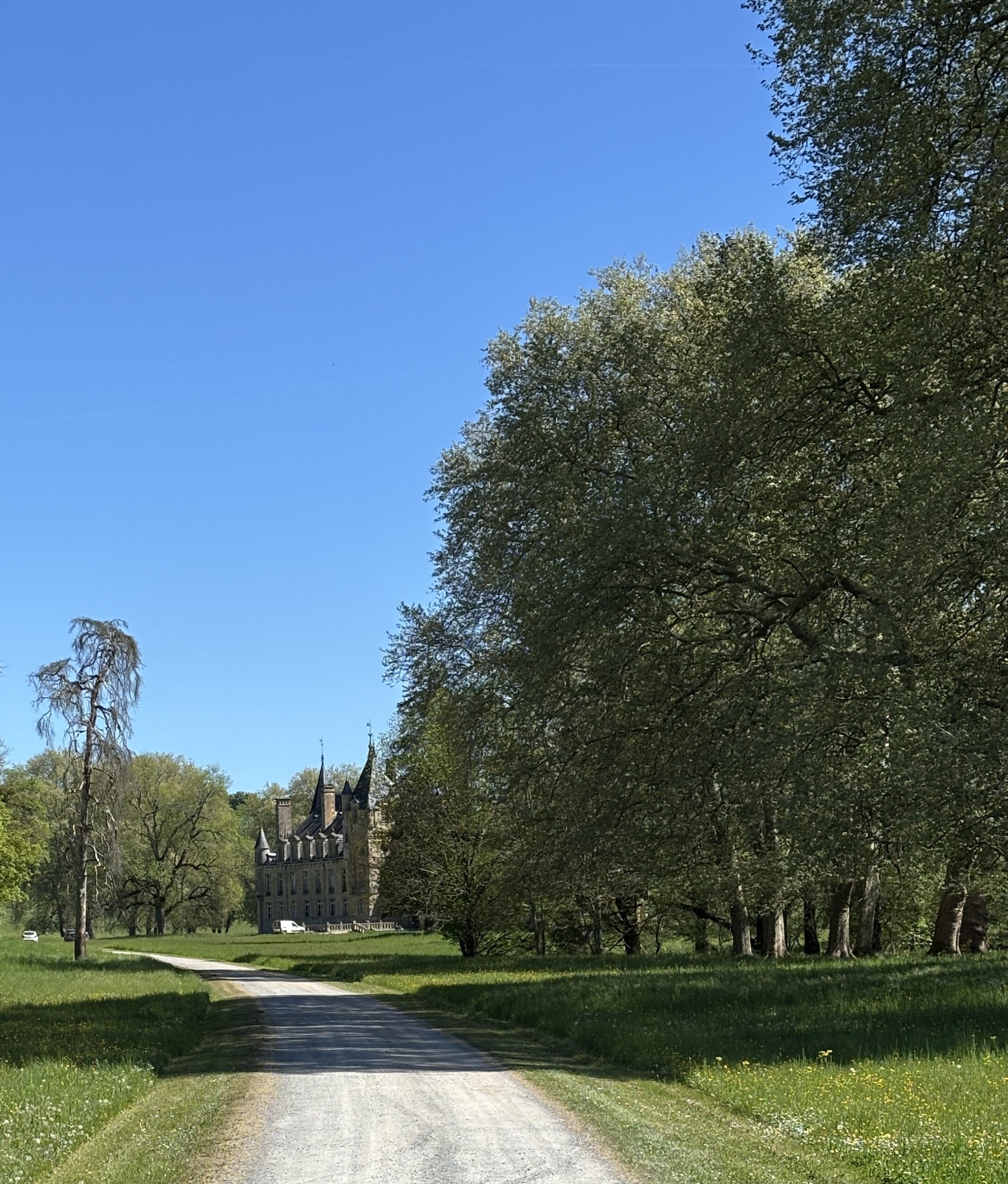
And of course, since we are in France, a few discreet castles dot the route…
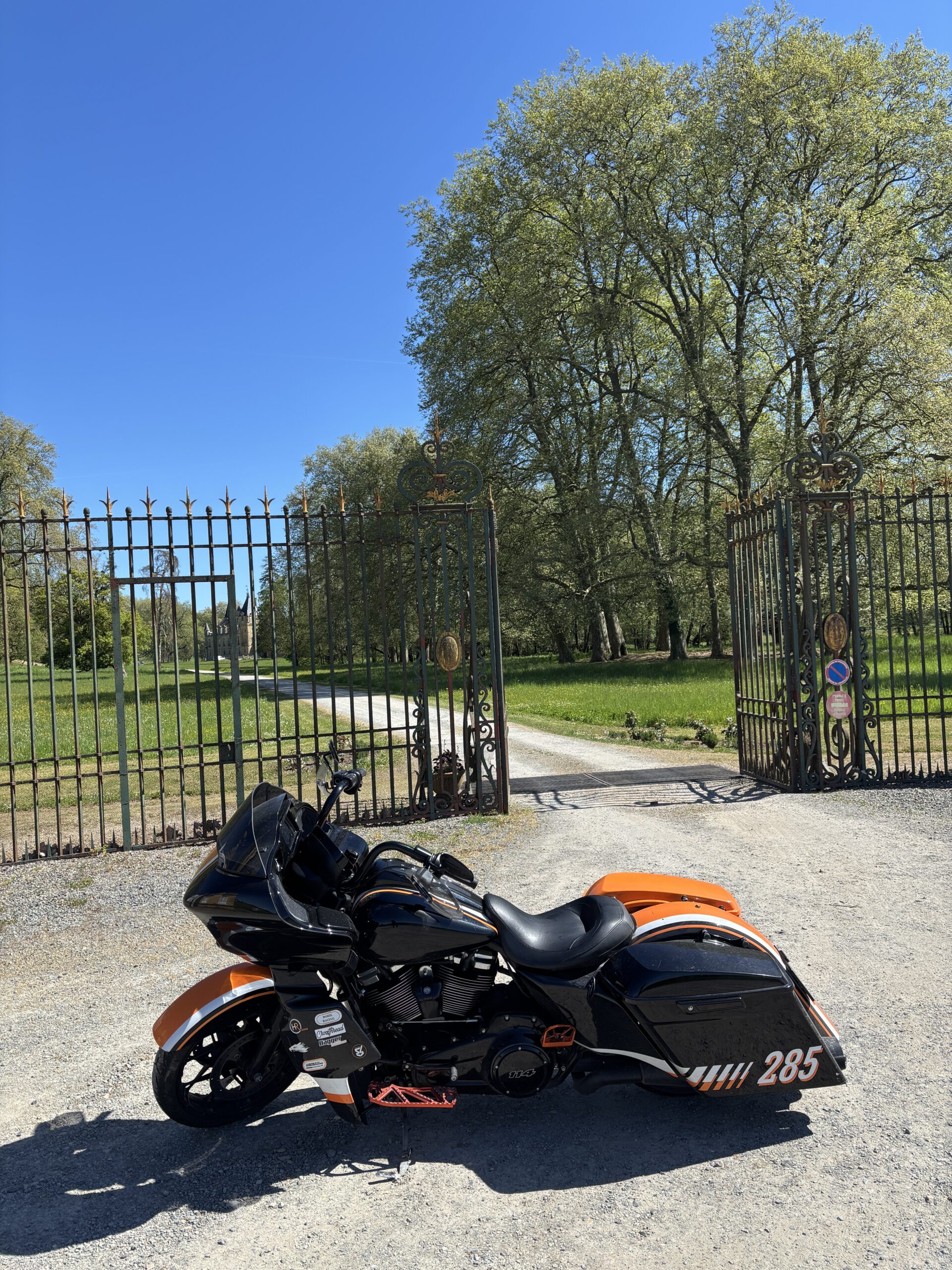
And many cool houses …
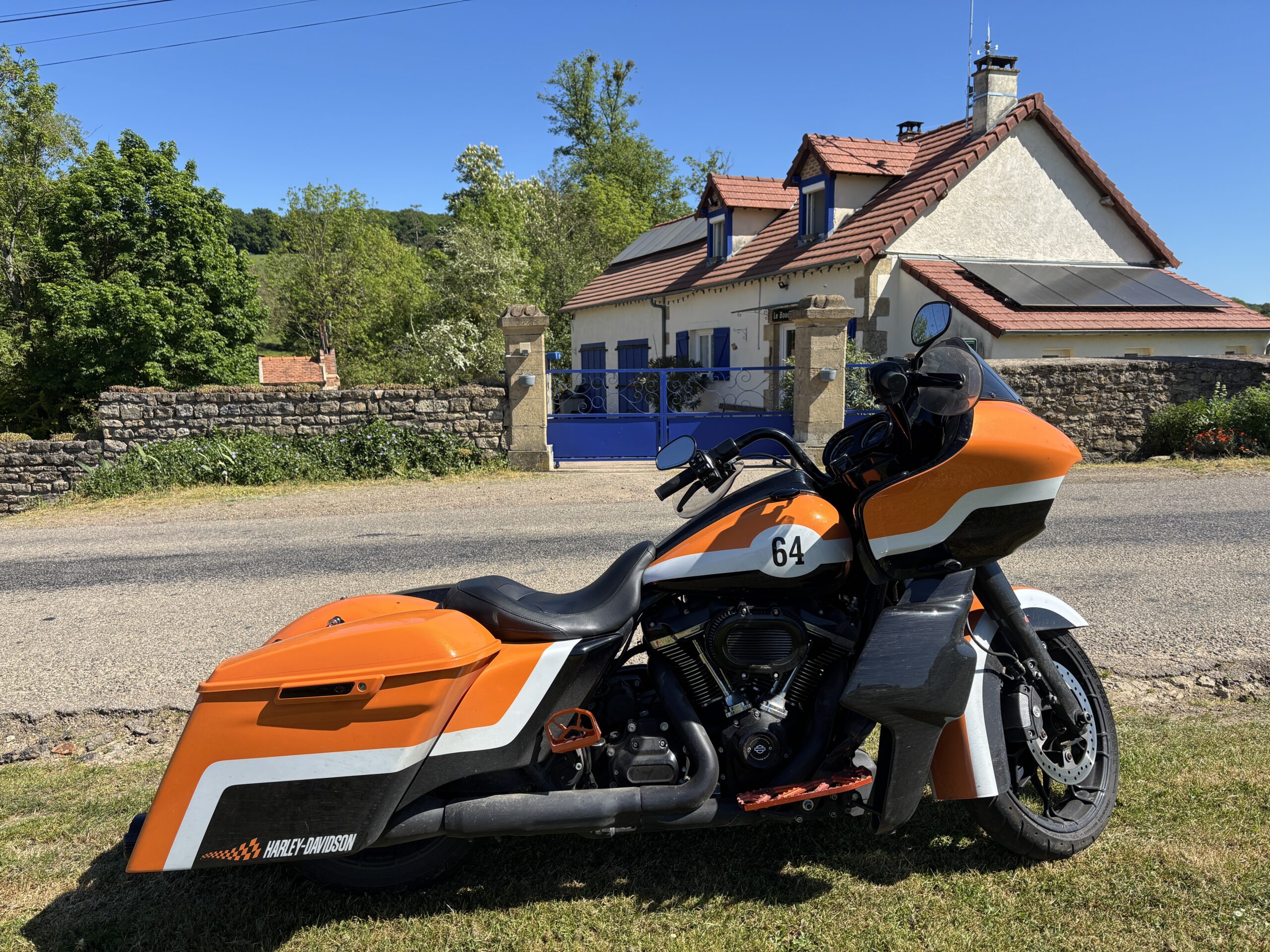
And now, heading towards the small town of Fourchambault, 40 kilometers away.
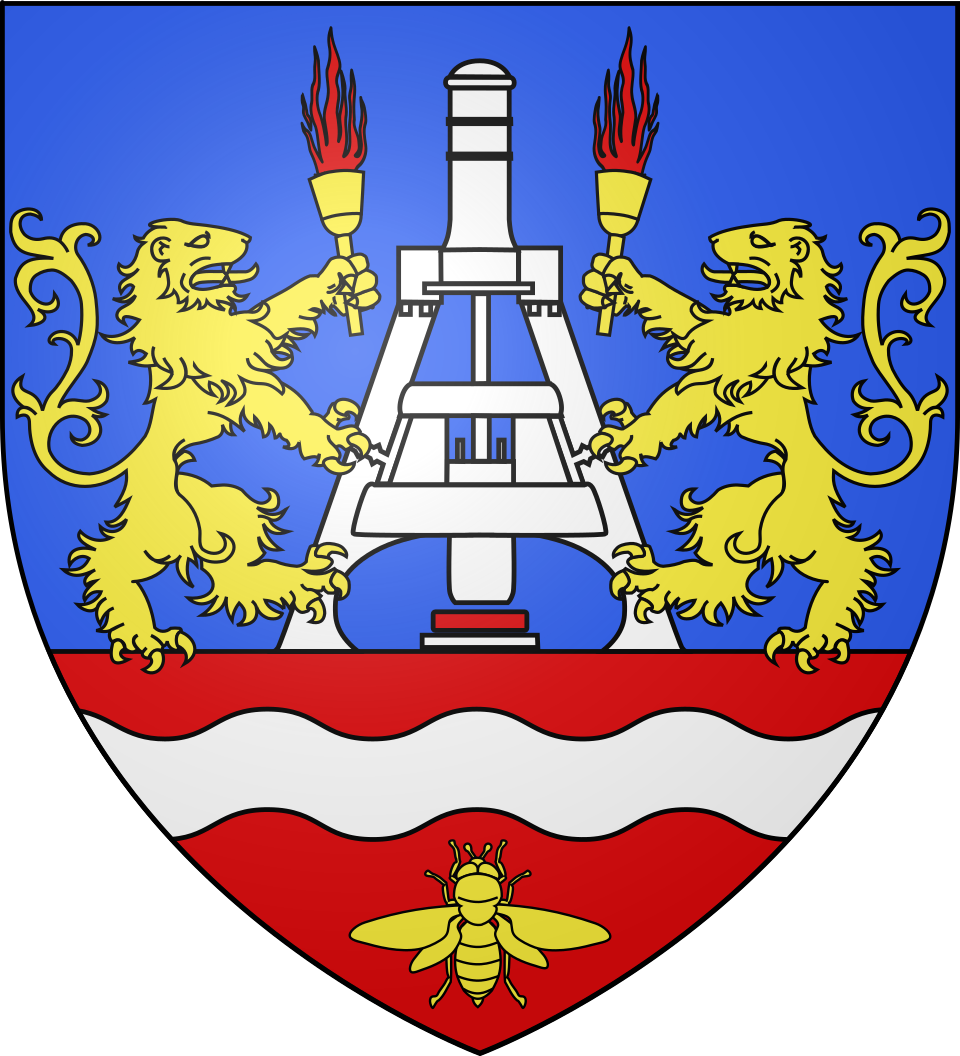
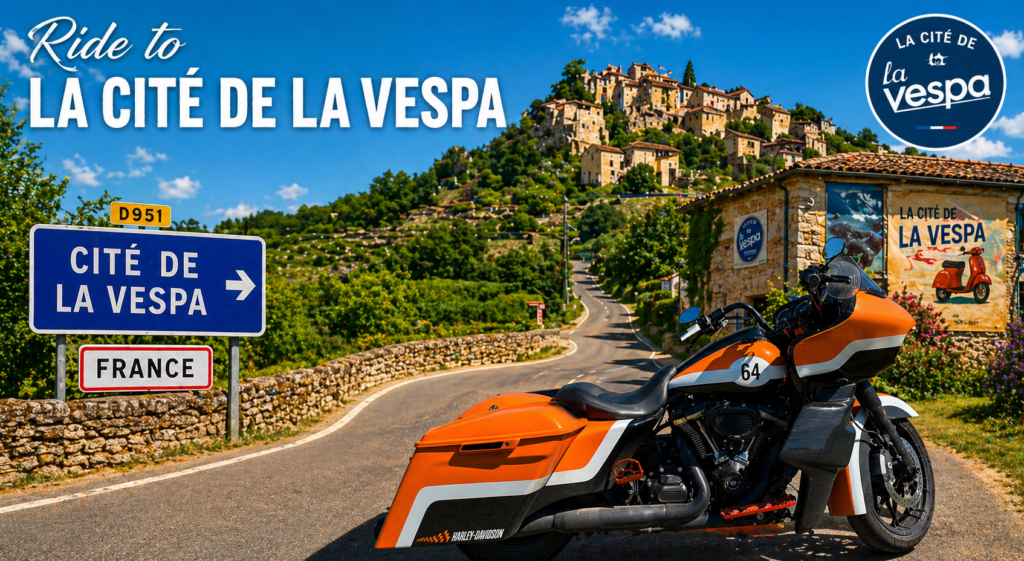
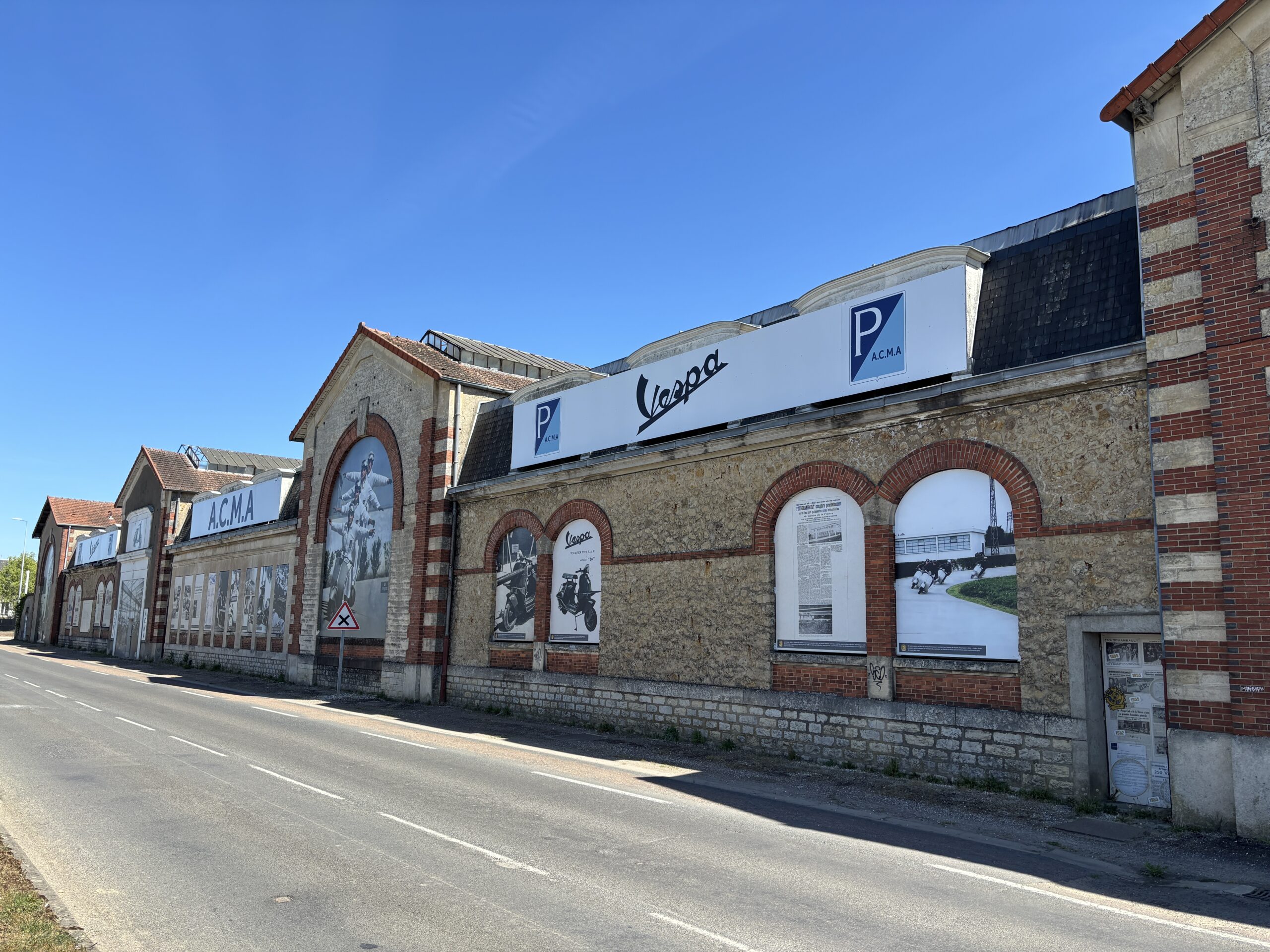
The town owes its origins to the establishment of a metalworking factory in 1821. Following the arrival of numerous workers, the municipality of Fourchambault was officially created on May 3, 1855. And the town is known to two-wheel enthusiasts for having hosted the Motorcycle and Automobile Construction Workshops (ACMA). It was in this factory that Vespa (Piaggio) vehicles were built: from 1957 to 1962, 34,000 Vespa 400s were manufactured.
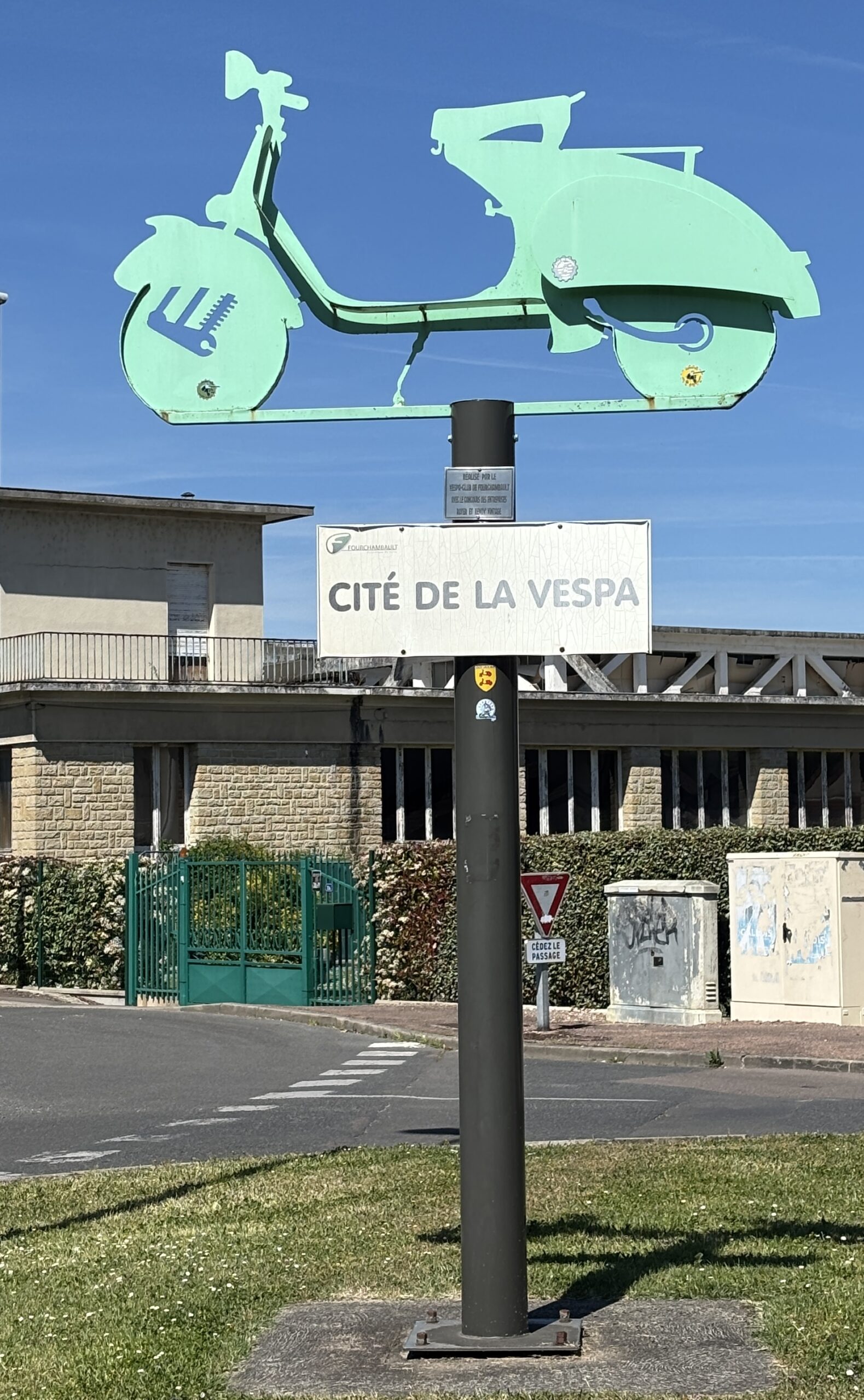
In 2017, during Vespa Days, where the Vespa 400 was celebrated, a roundabout was officially inaugurated as the Vespa Roundabout.
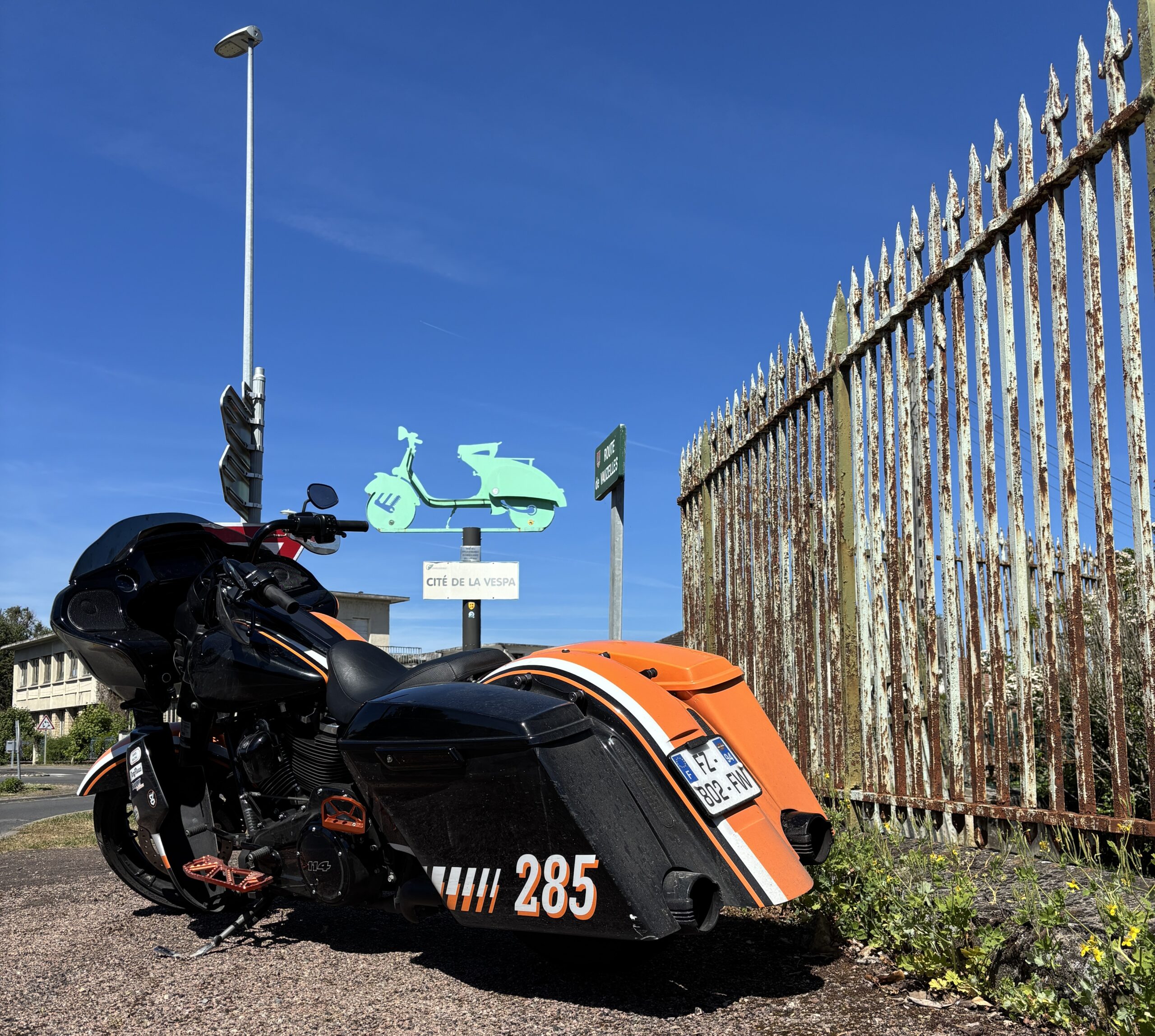
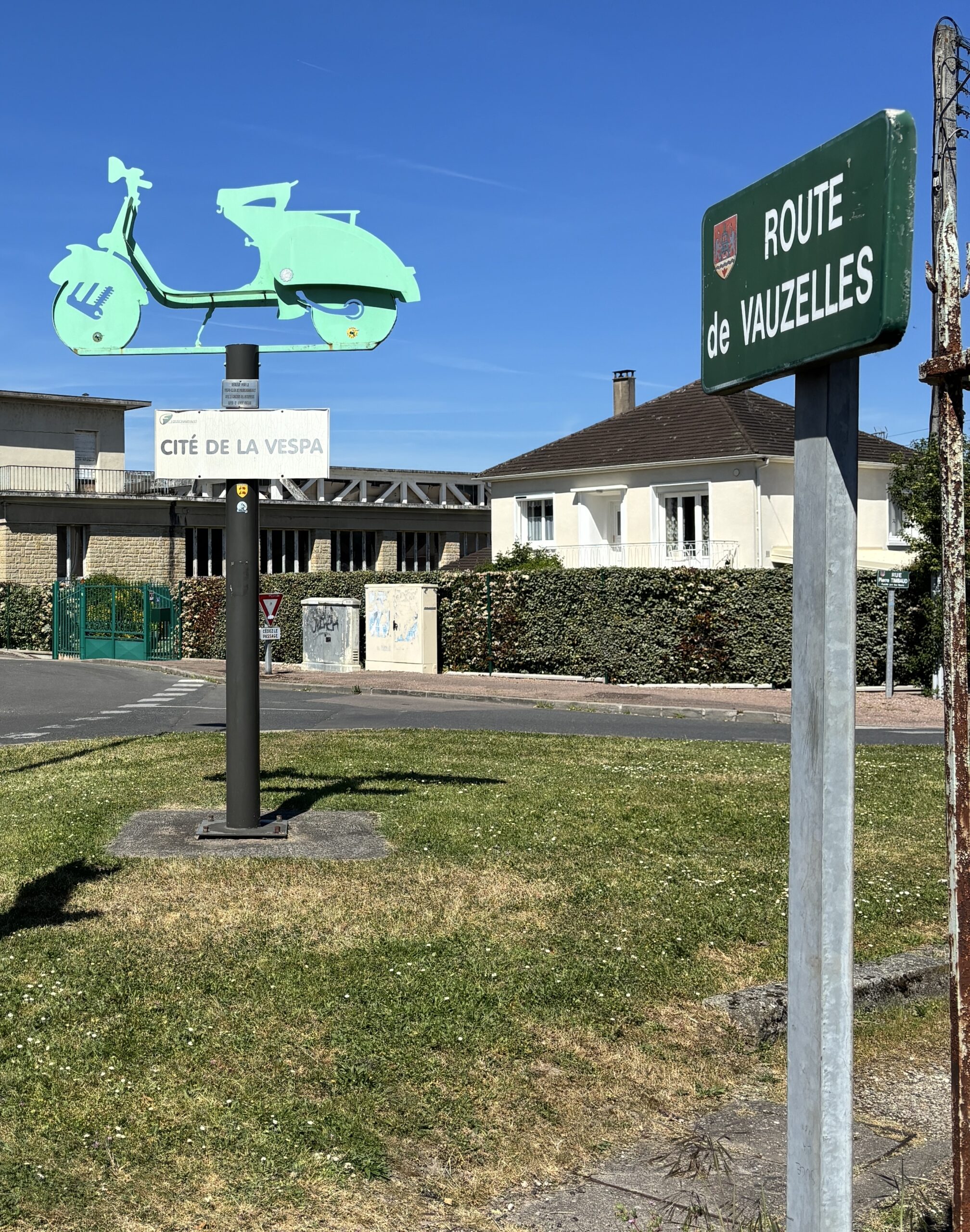
A monumental column was erected, depicting a Vespa, created by two members of the Vespa Club of France, Jacky Masson and Michel Gaubert, and bearing a plaque reading “Cité de la Vespa” (Vespa City).
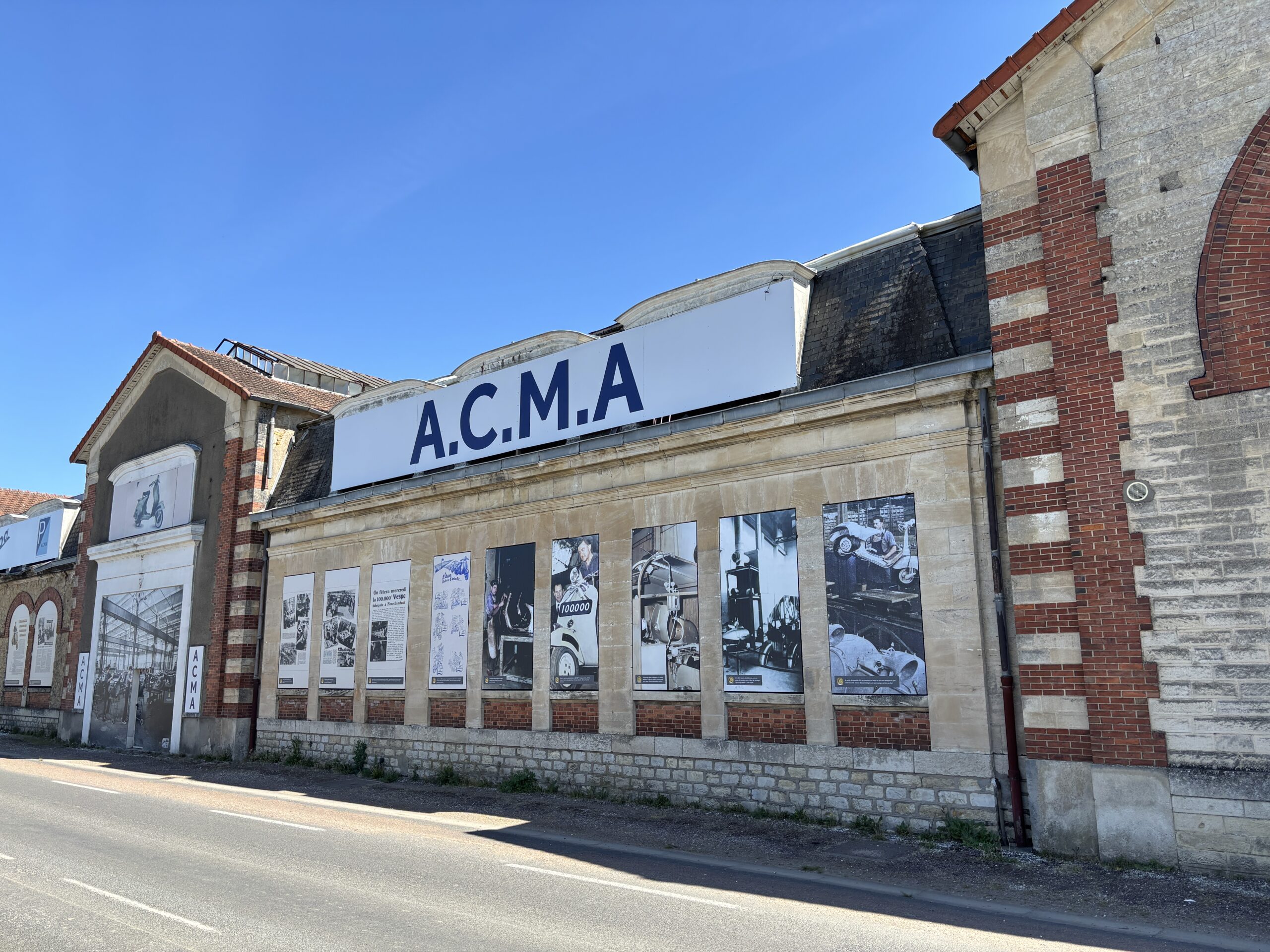
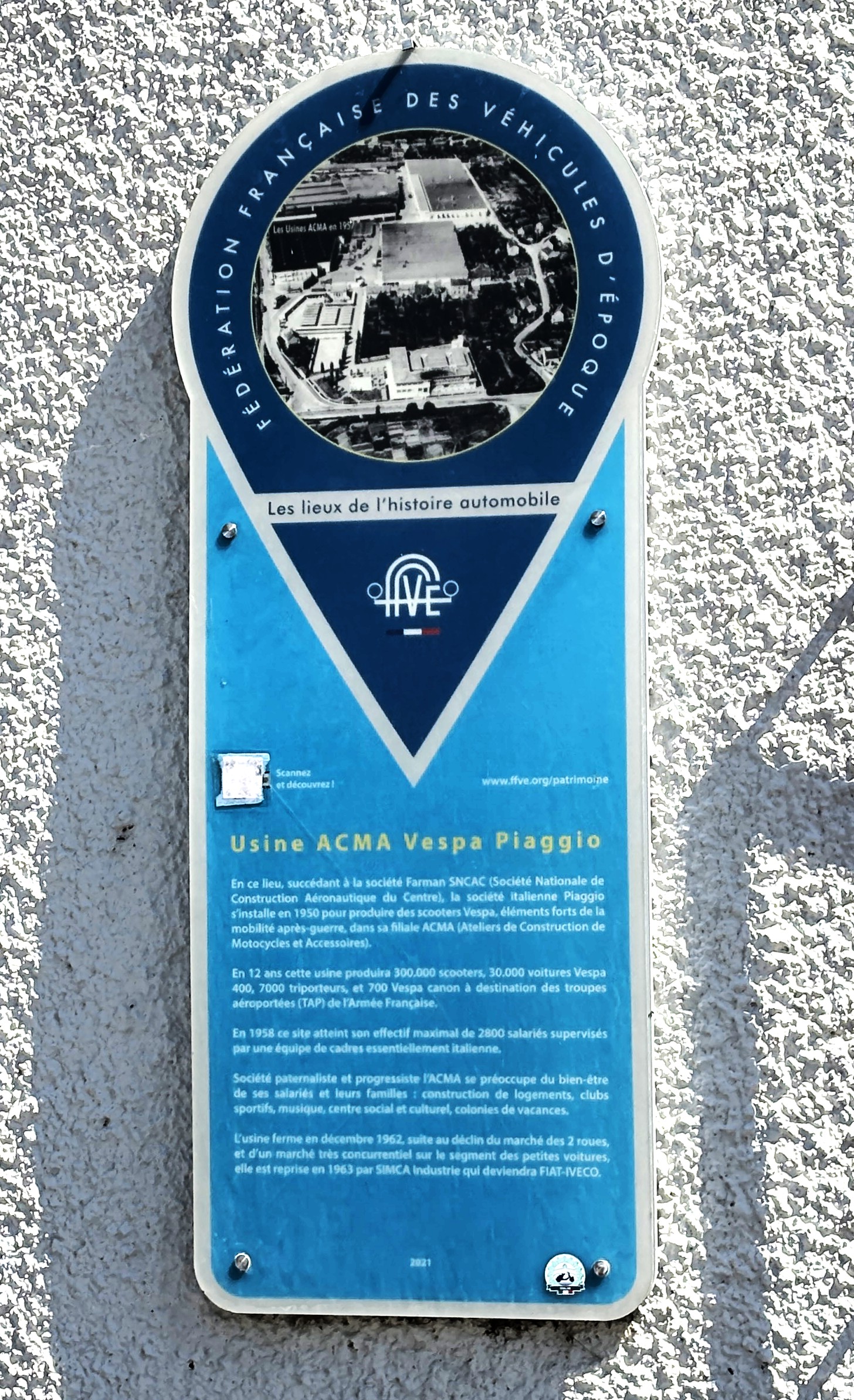
The Motorcycle and Accessories Manufacturing Workshops, established in November 1950 and renamed Motorcycle and Automobile Manufacturing Workshops (ACMA) in 1954, were located in Fourchambault, Nièvre.
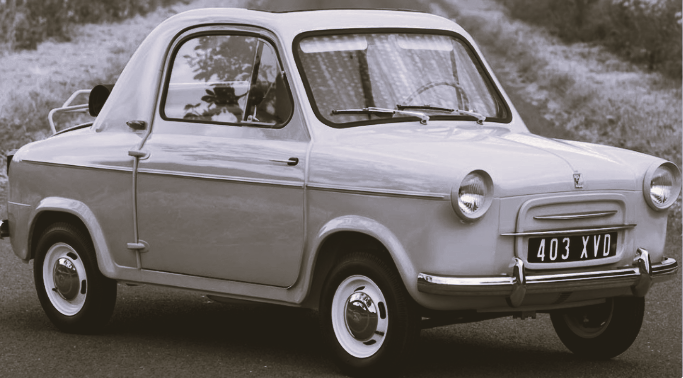
The factory specialized in assembling Vespa scooters (including the 150 TAP) and later in manufacturing Vespa 400 compact cars under license from Piaggio.
The workshops closed permanently on December 31, 1962.
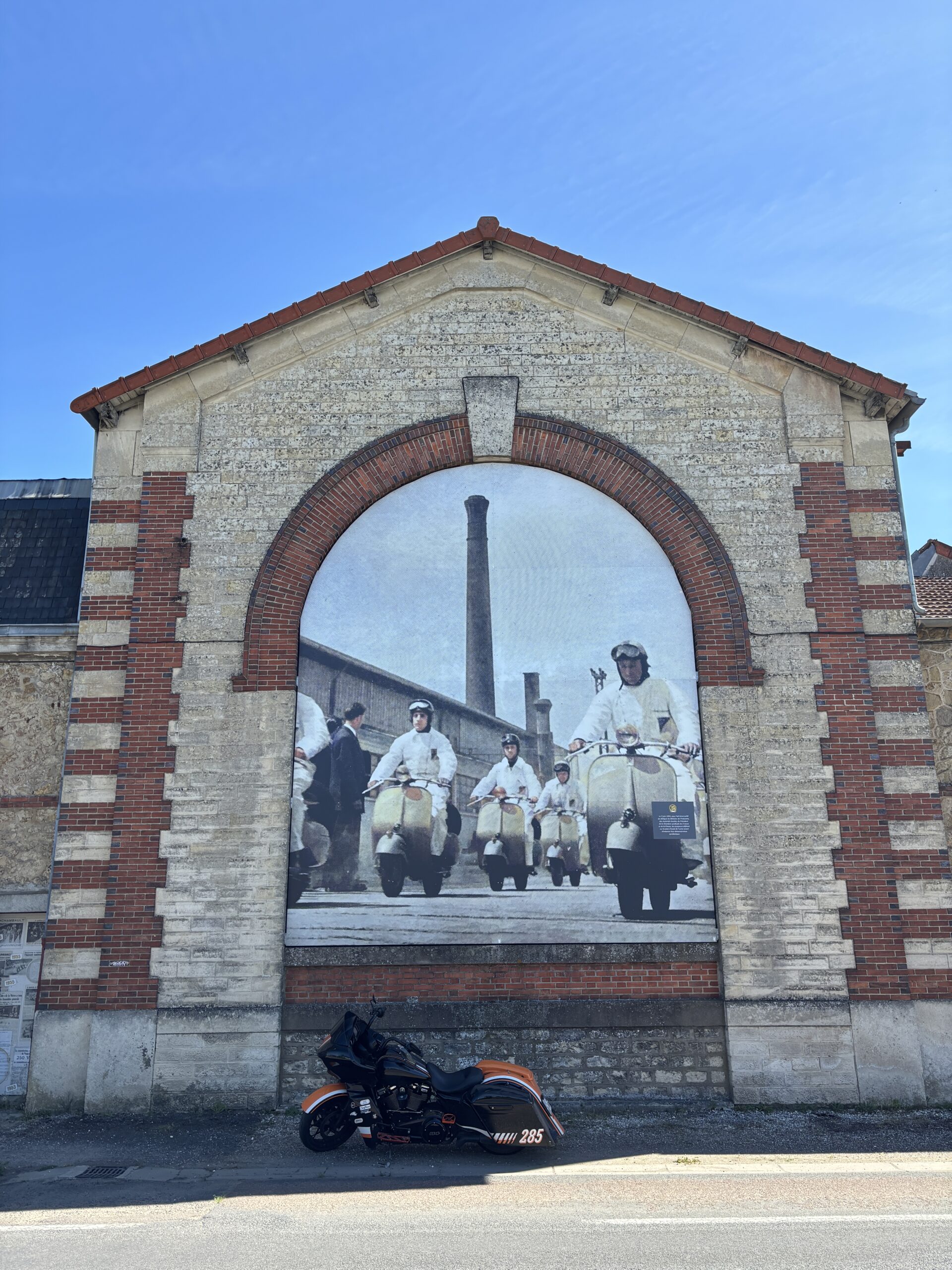
The company was responsible for manufacturing Vespa (Piaggio) scooters, and then, from 1957 to 1962, for manufacturing the Vespa 400, a small, high-performance urban vehicle. ACMA established itself in Fourchambault on November 25, 1950.
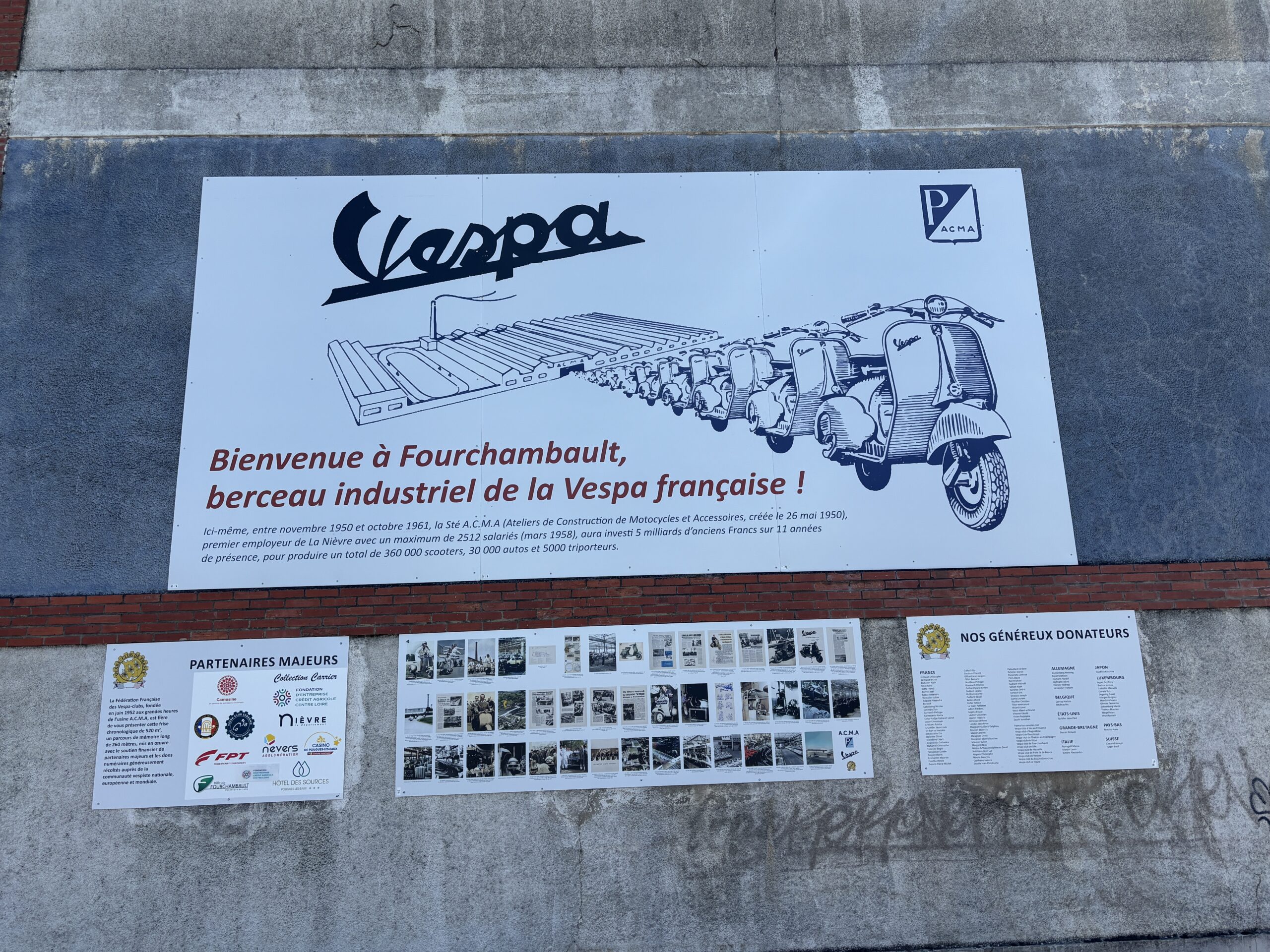
Production began in February 1951 with the assembly of two hundred scooters, employing around twenty people. In April 1953, the 100,000th Vespa rolled off the ACMA assembly line, and in 1954, the 150,000th Vespa Made in France was celebrated. On the automotive side, approximately thirty thousand Vespa 400s were produced.
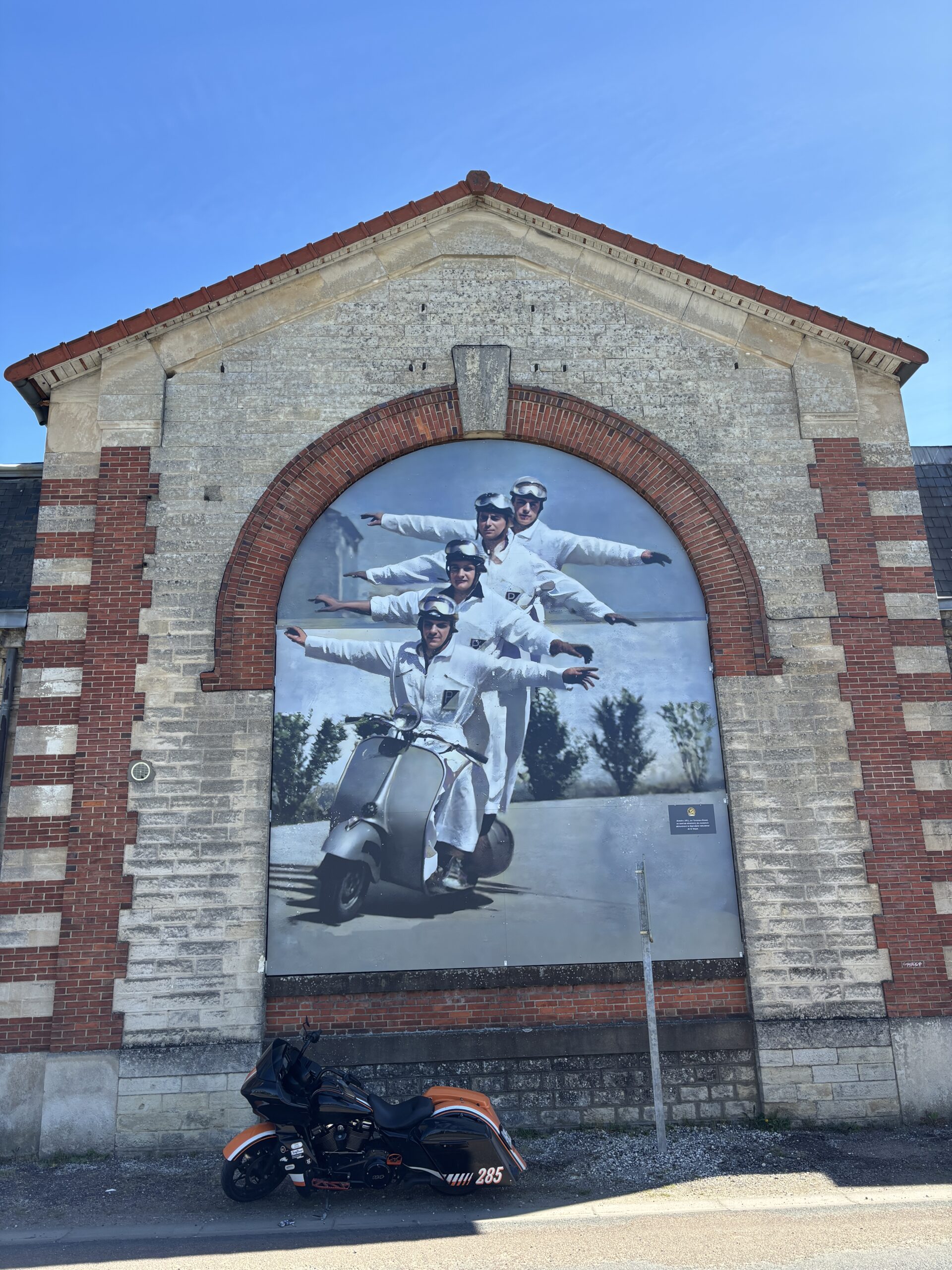
The development of production will lead to a considerable increase in the number of workers in the workshops, which will employ up to 2,800 employees in 1958. At the same time, the town of Fourchambault benefited from this growth, its population reaching 6,240 inhabitants in 1962, requiring the construction of more than two hundred homes, a primary school and a nursery school.
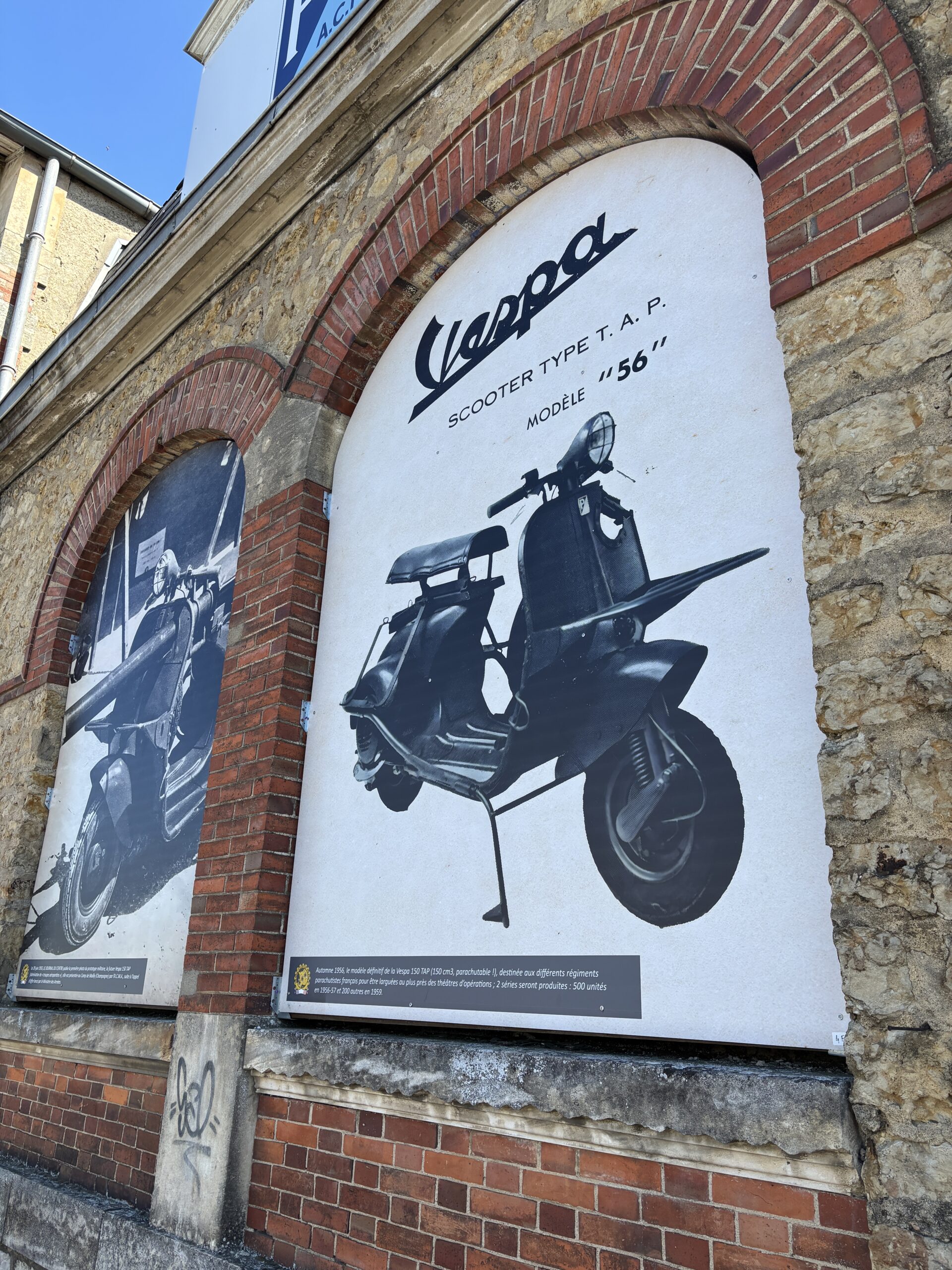
From 1956 onwards, competition in the French market and economic problems related to the Algerian War led to a sharp decline in demand for this type of car and a significant increase in stocks
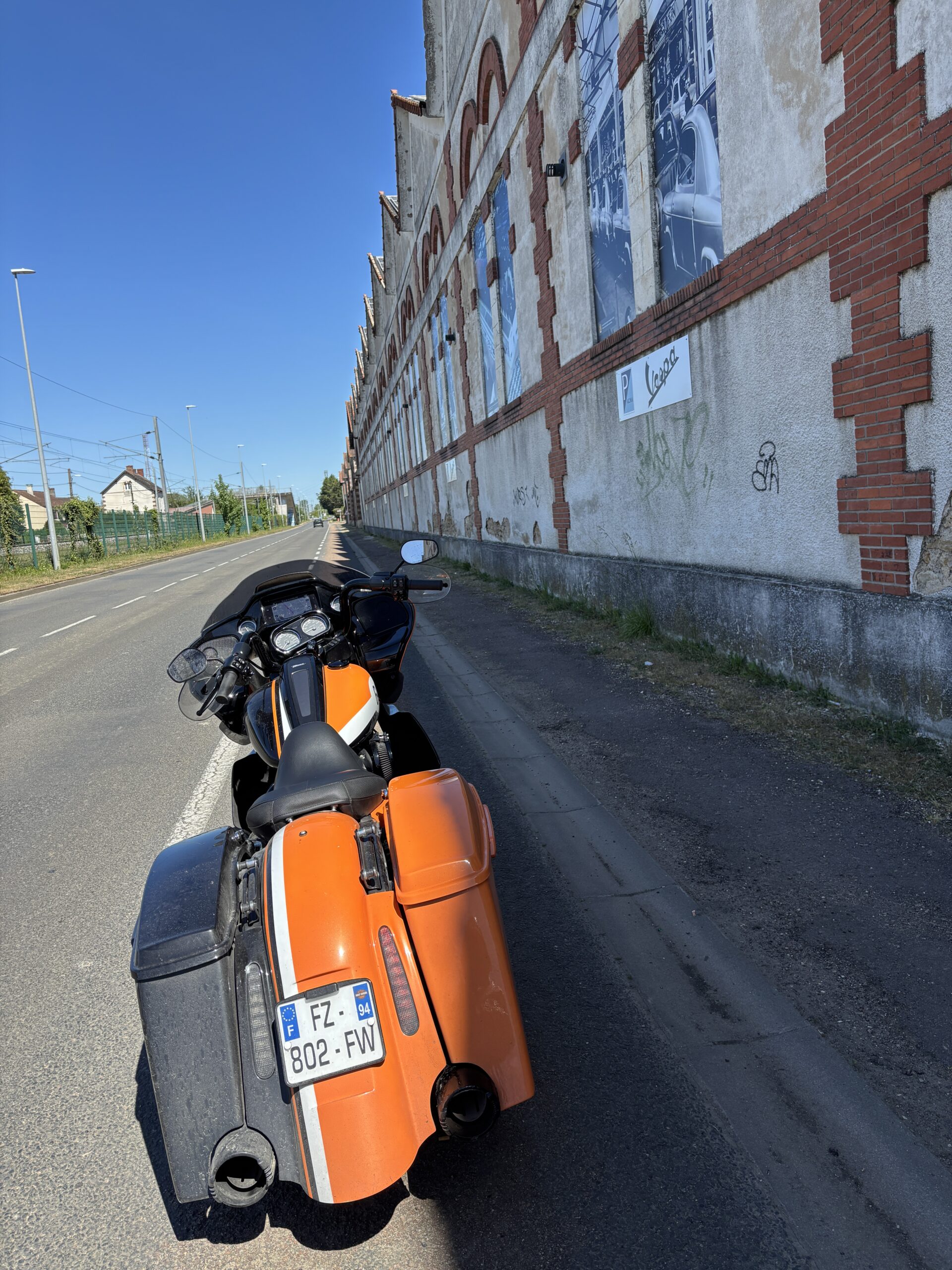
Production gradually slowed until the workshops were finally closed on December 31, 1962. They were bought by Simca Industries the following year, and remained in use by various Fiat commercial vehicle subsidiaries until the site was abandoned in 1993.
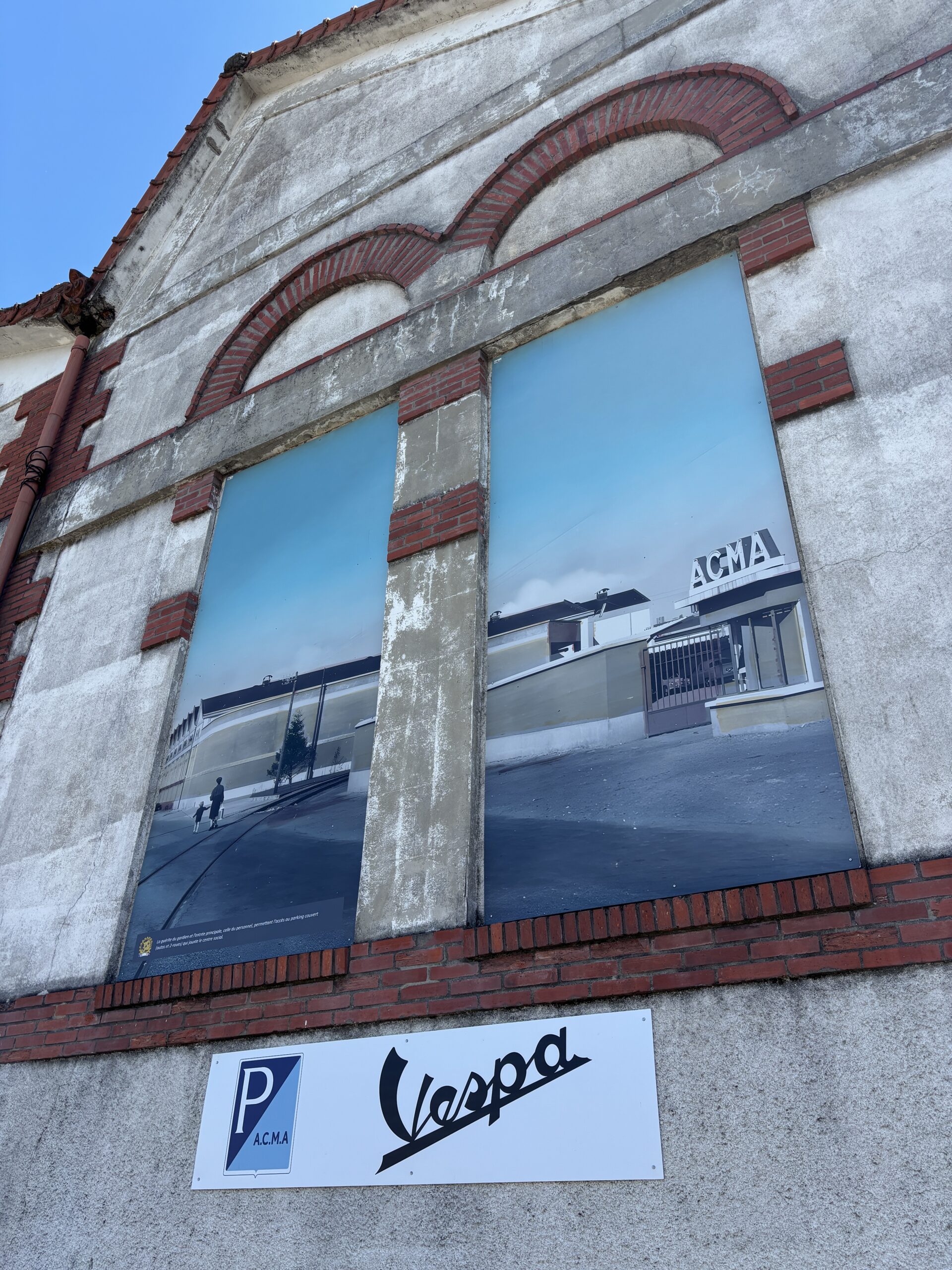
This will be the last major company to occupy the site.
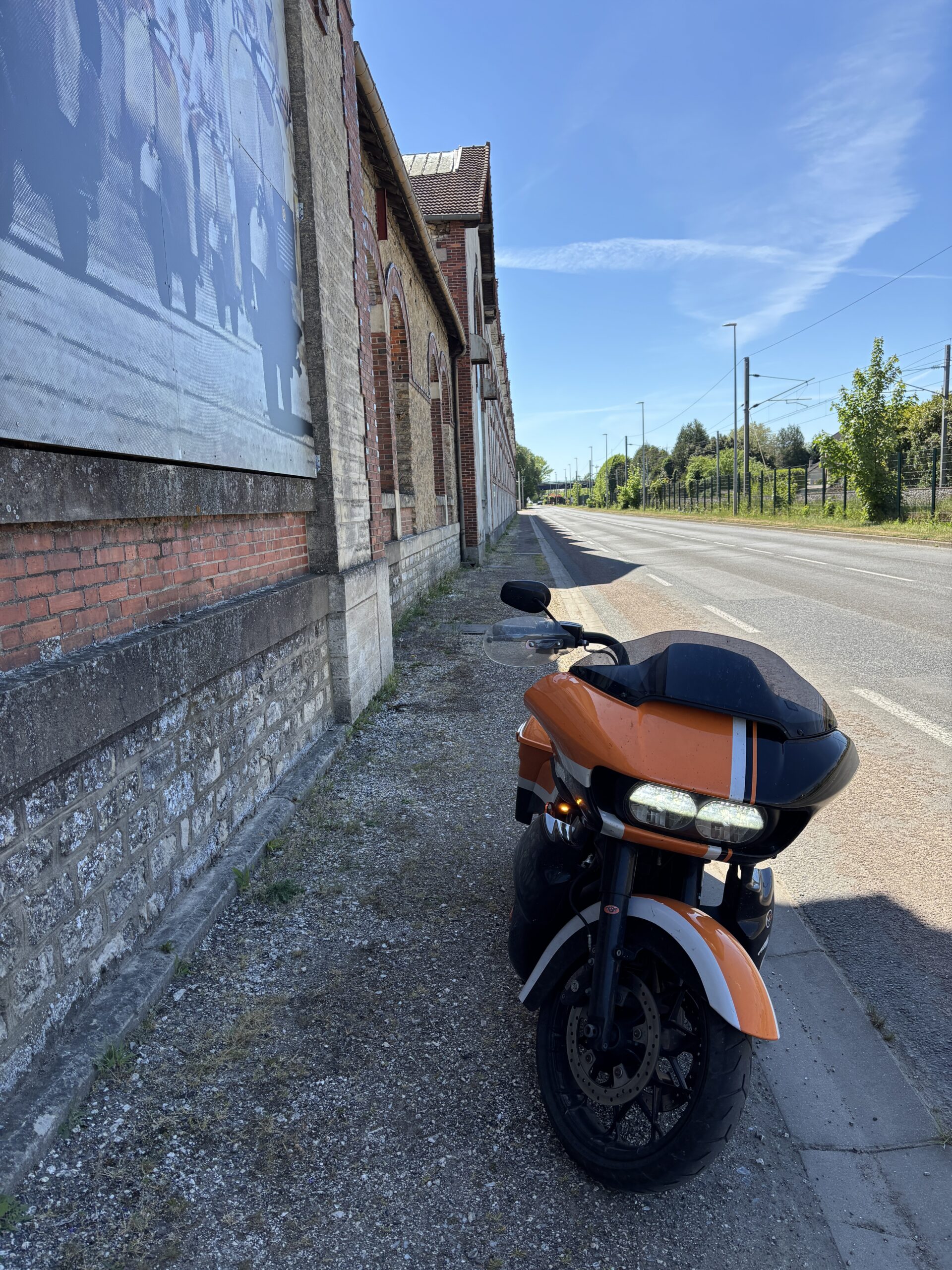
Today it is partially abandoned, but an effort has been made to transform the exterior walls of this former factory into a kind of industrial memorial.
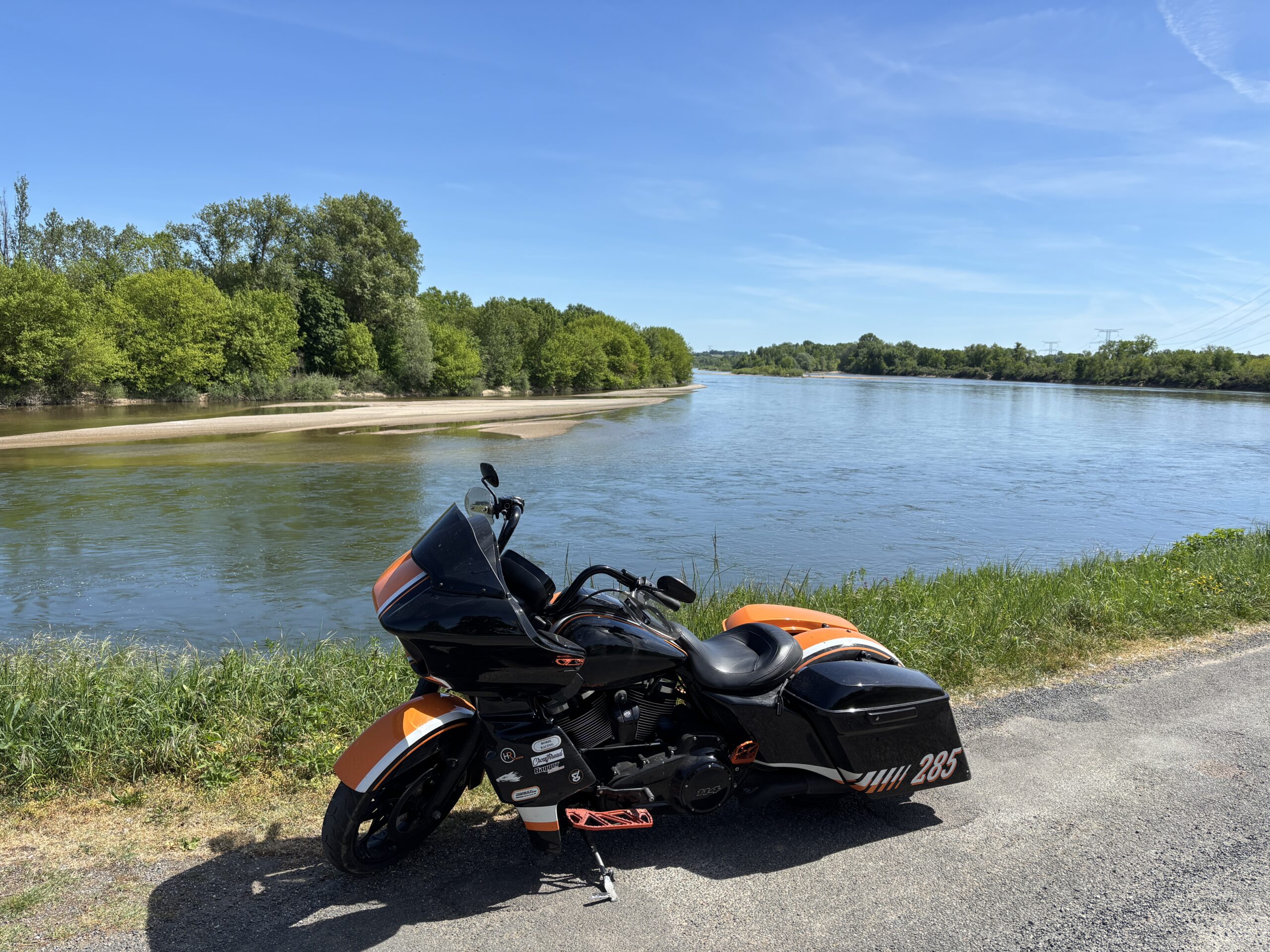
It was now time to head back along the Loire river.
In this land of vineyards …
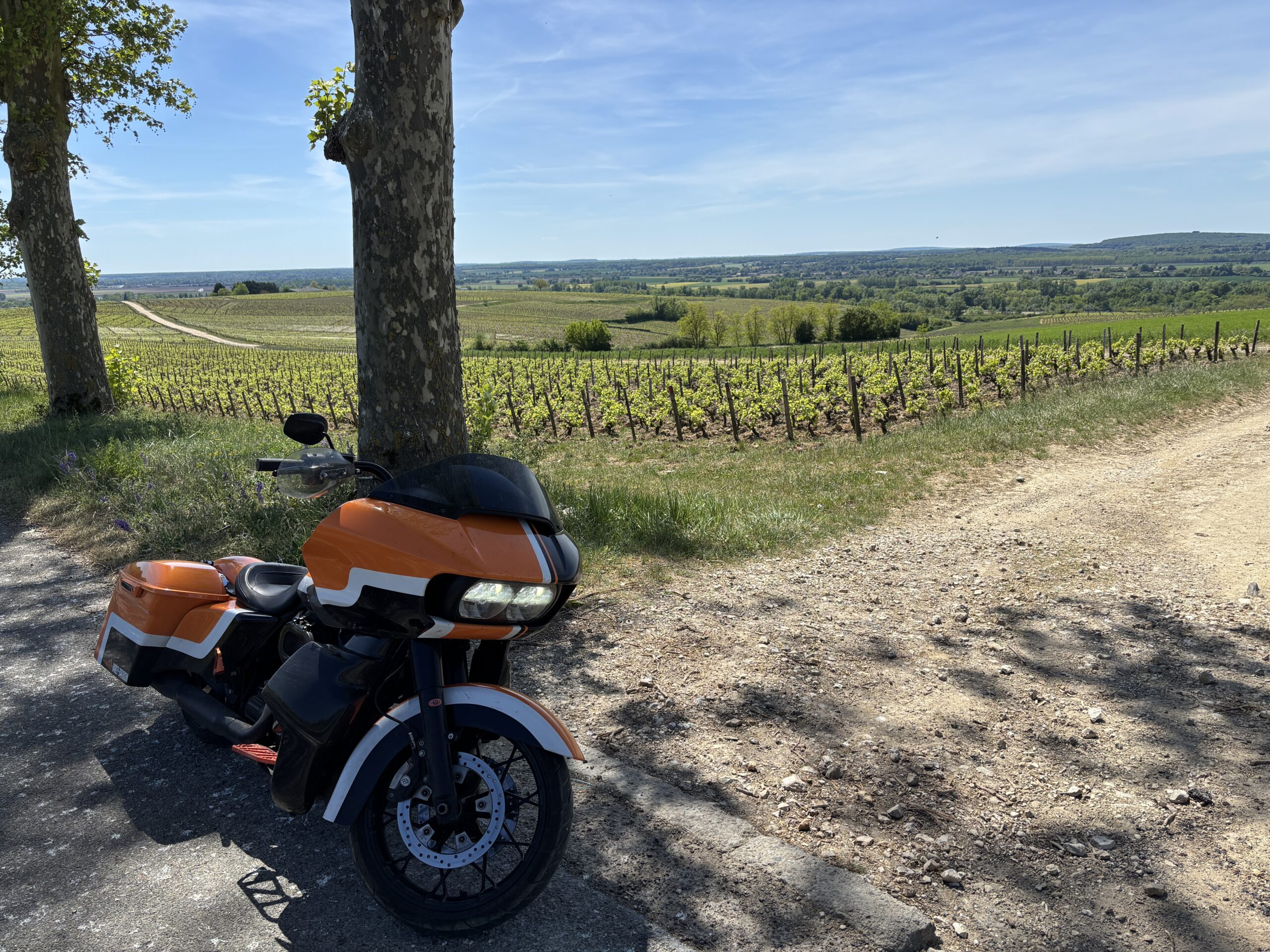
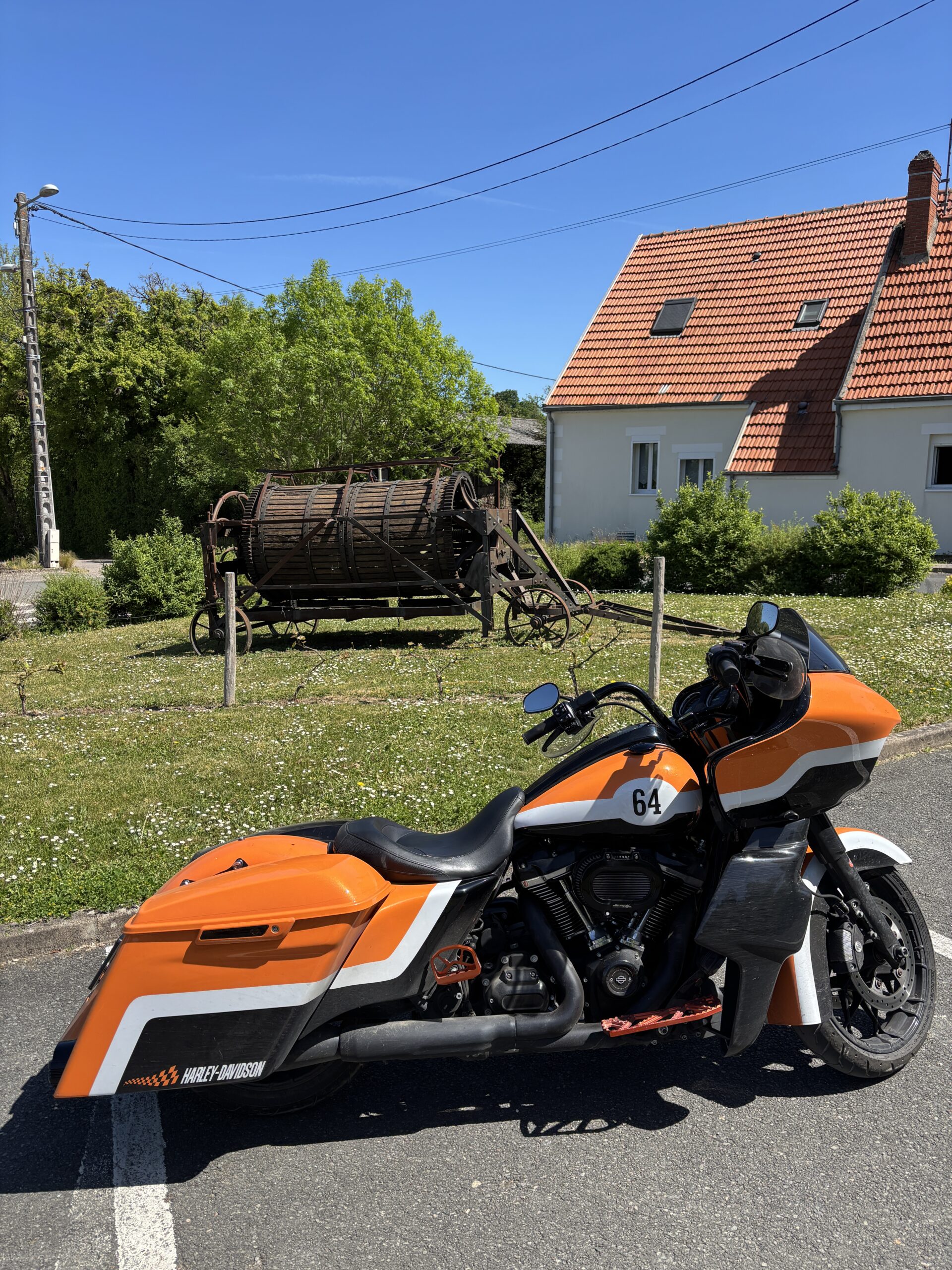
… references to the work of producing Loire wine are everywhere.
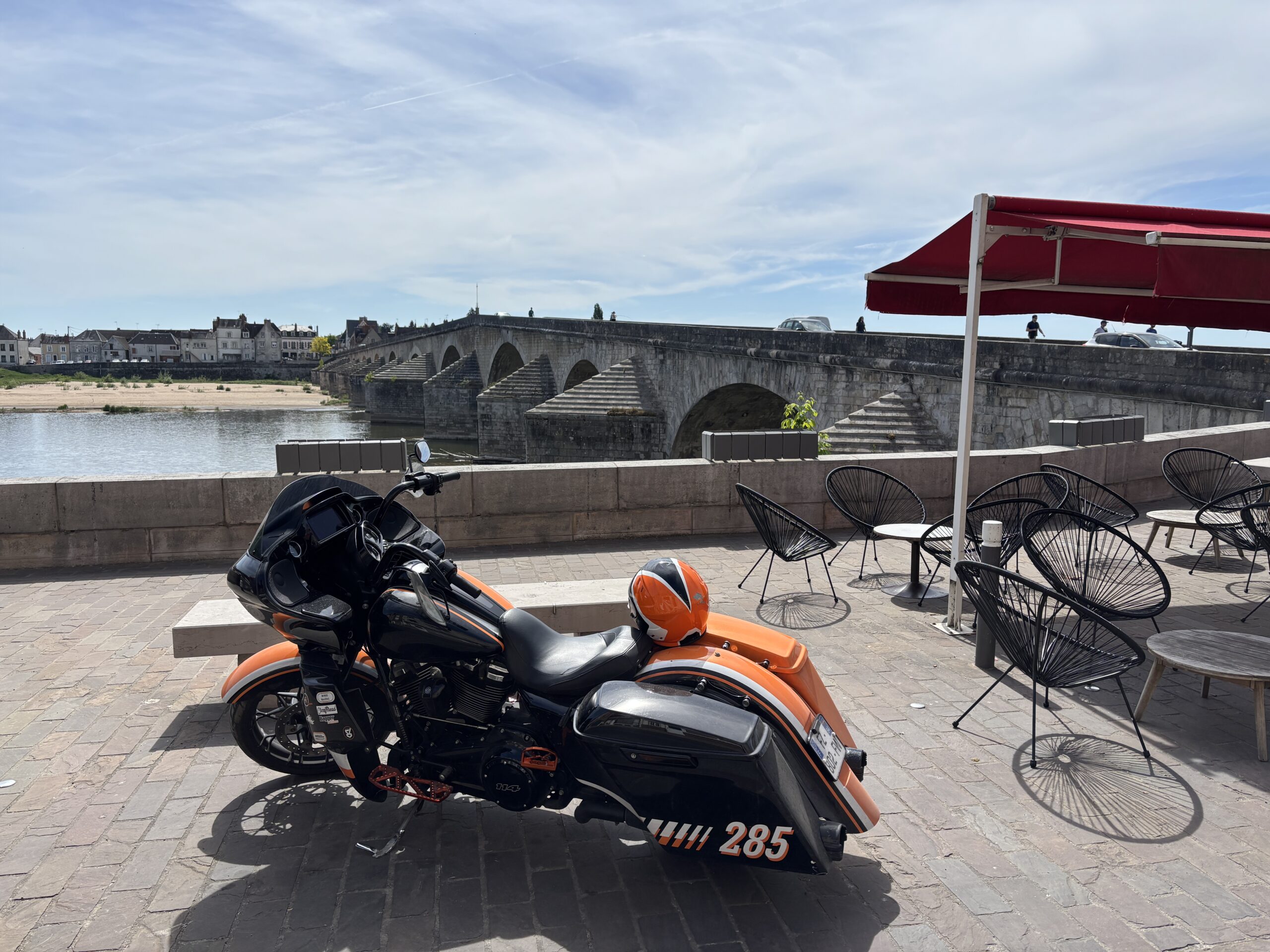
The journey upstream along the Loire rivers allows you to pass through stunning old towns.
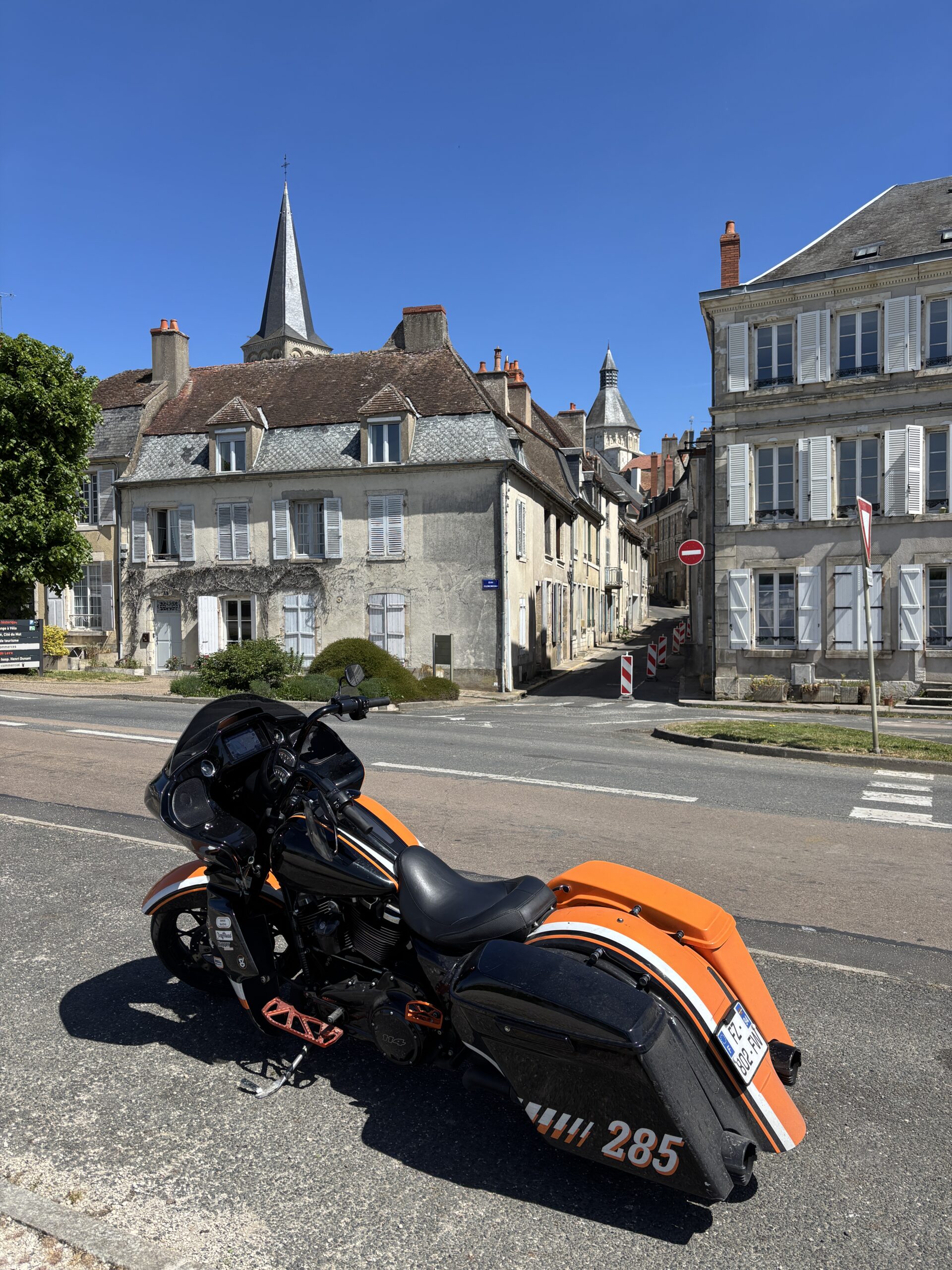
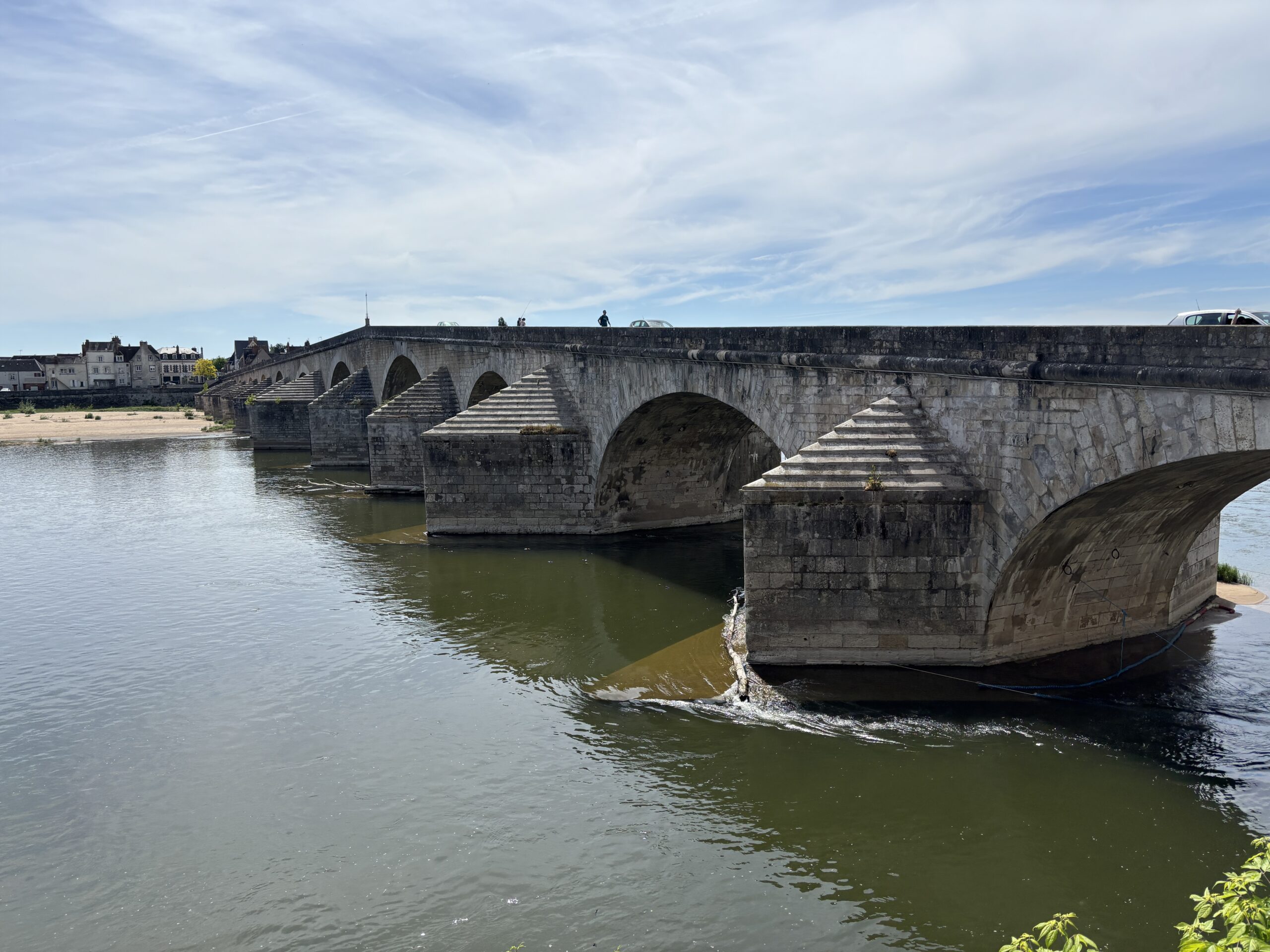
This allows you to admire the various magnificent bridges that span it.
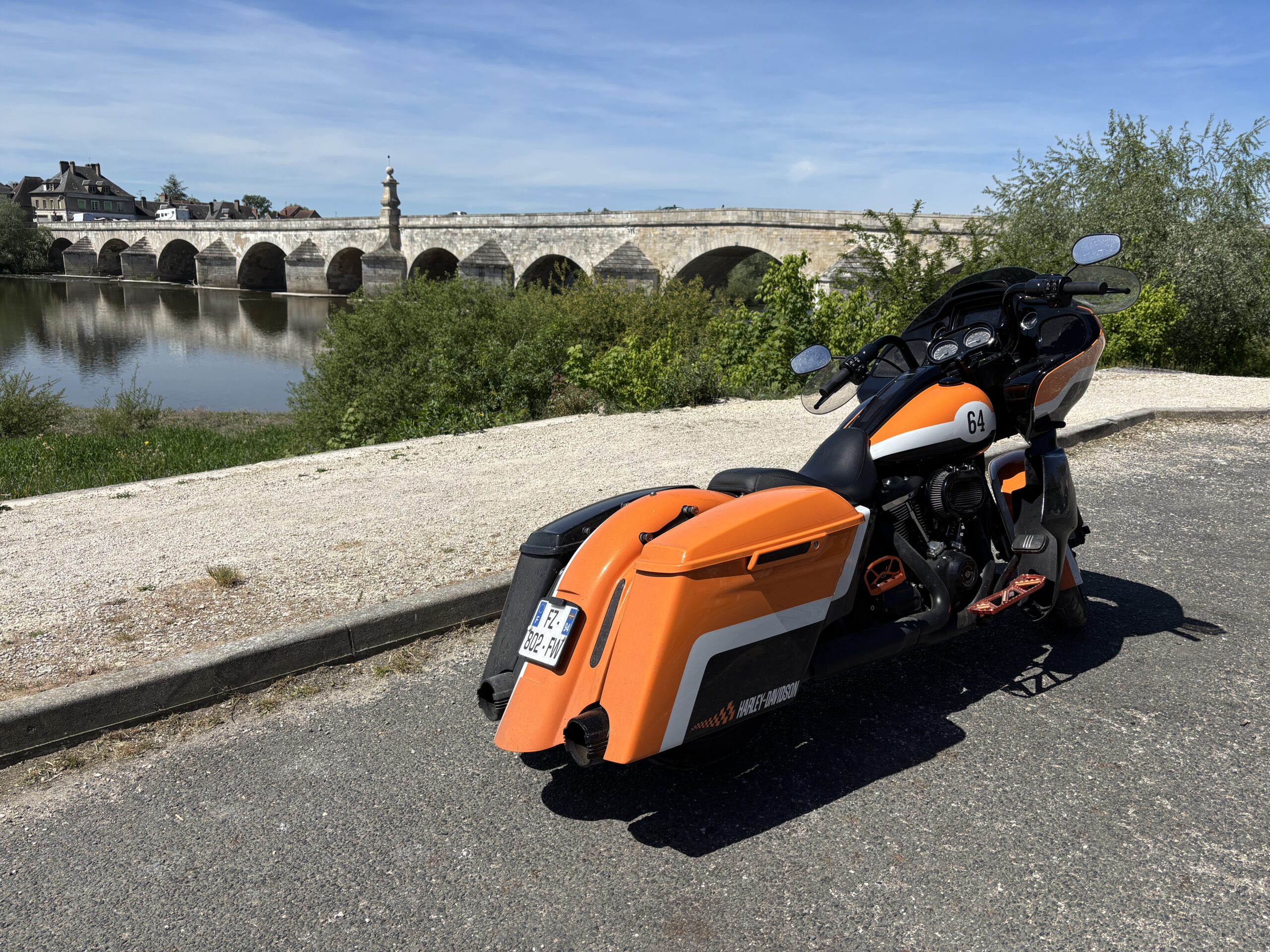
The Loire, at 1,006 kilometers long, is the longest river flowing entirely within France. It rises on the southern slope of Mont Gerbier-de-Jonc in the southeastern Massif Central, in the Ardèche department, and flows into the Atlantic Ocean through an estuary in Loire-Atlantique, in the Pays de la Loire region.
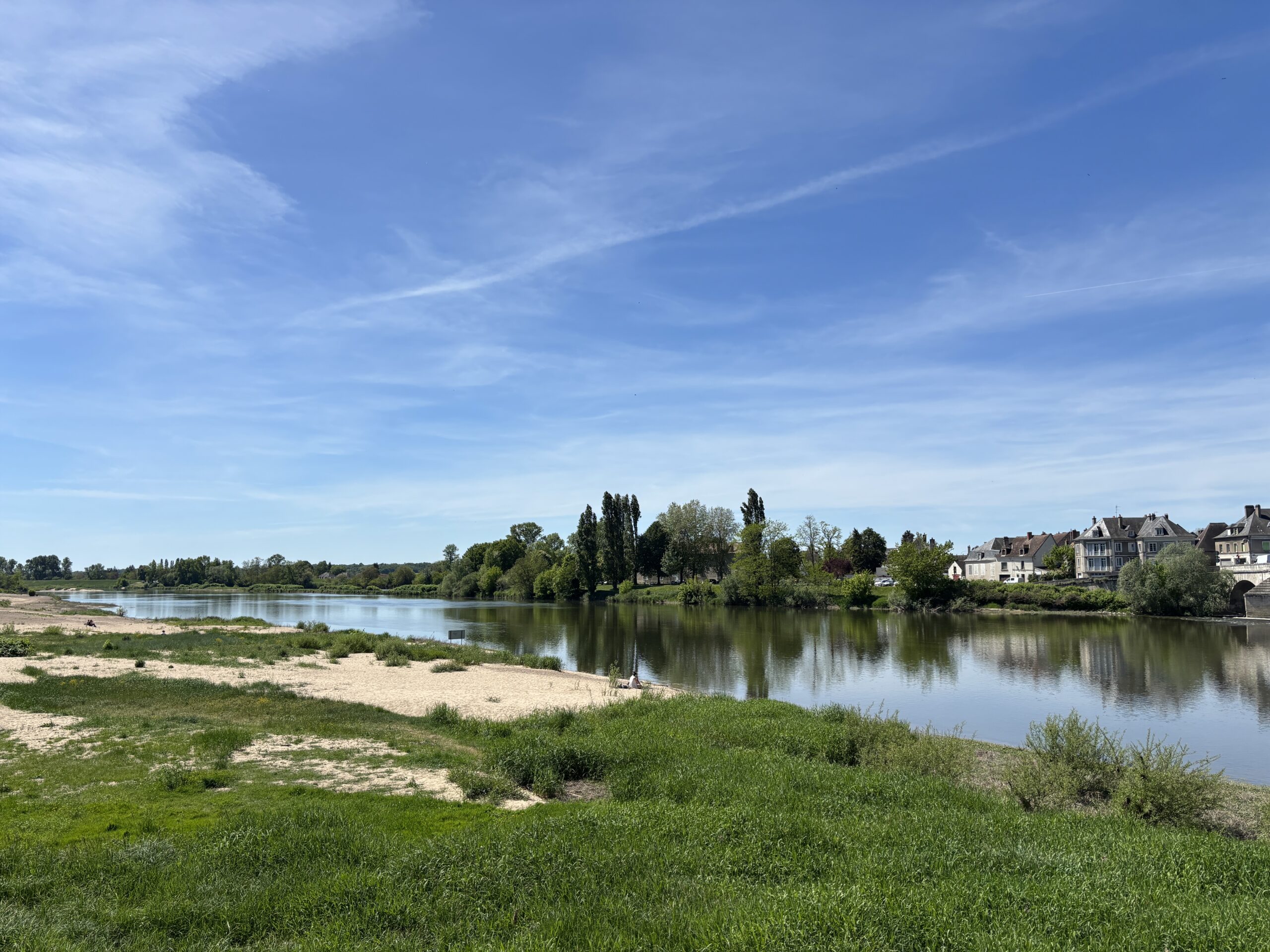
Its course initially flows from south to north as far as the vicinity of Briare in the Loiret department, then turns west.
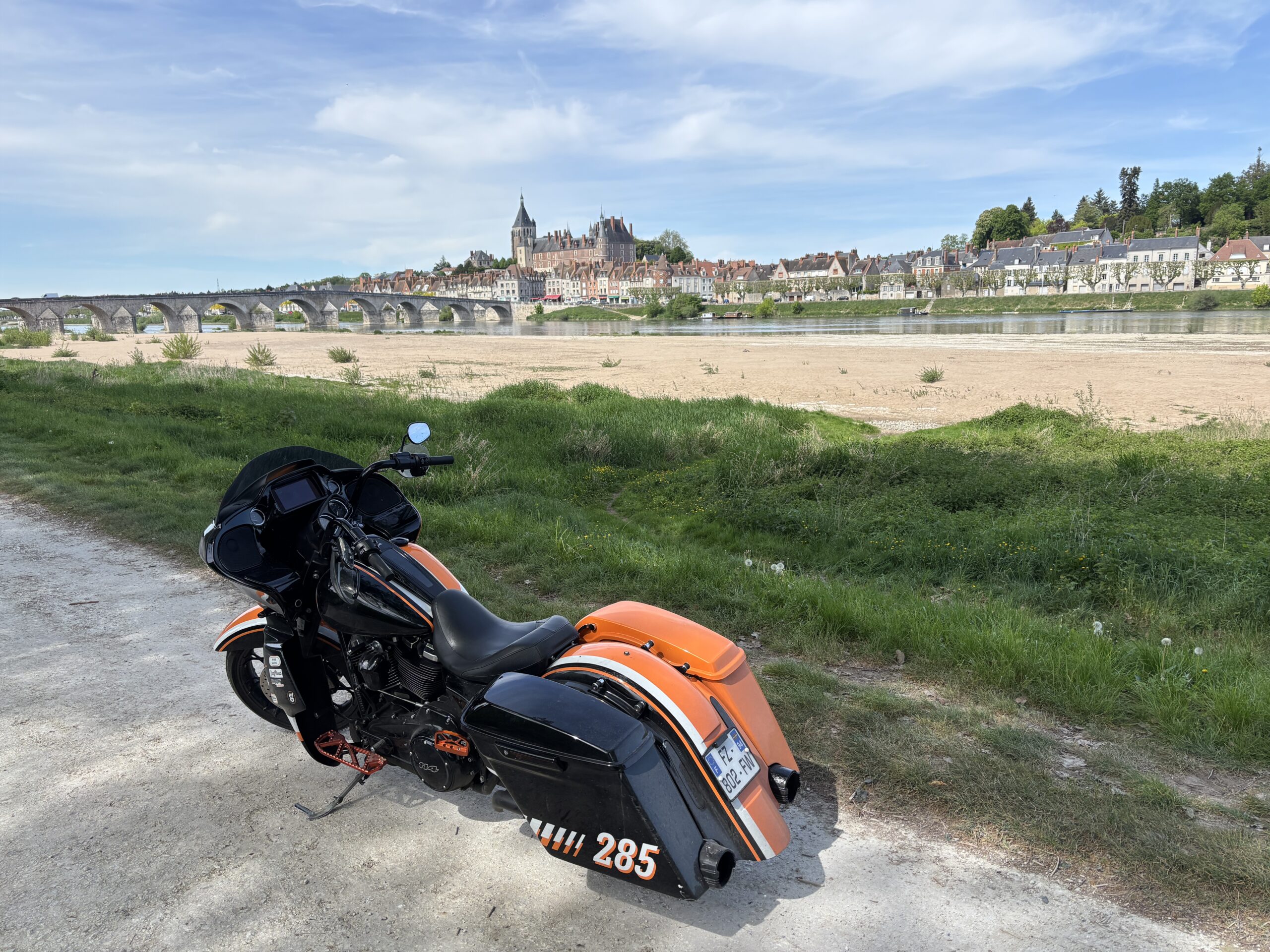
Until the mid-19th century, the navigable Loire River was the main waterway for transporting goods from the interior of the country to the port of Nantes. The arrival of the railway, which today connects Paris to Saint-Nazaire via Angers and Le Mans, changed everything.
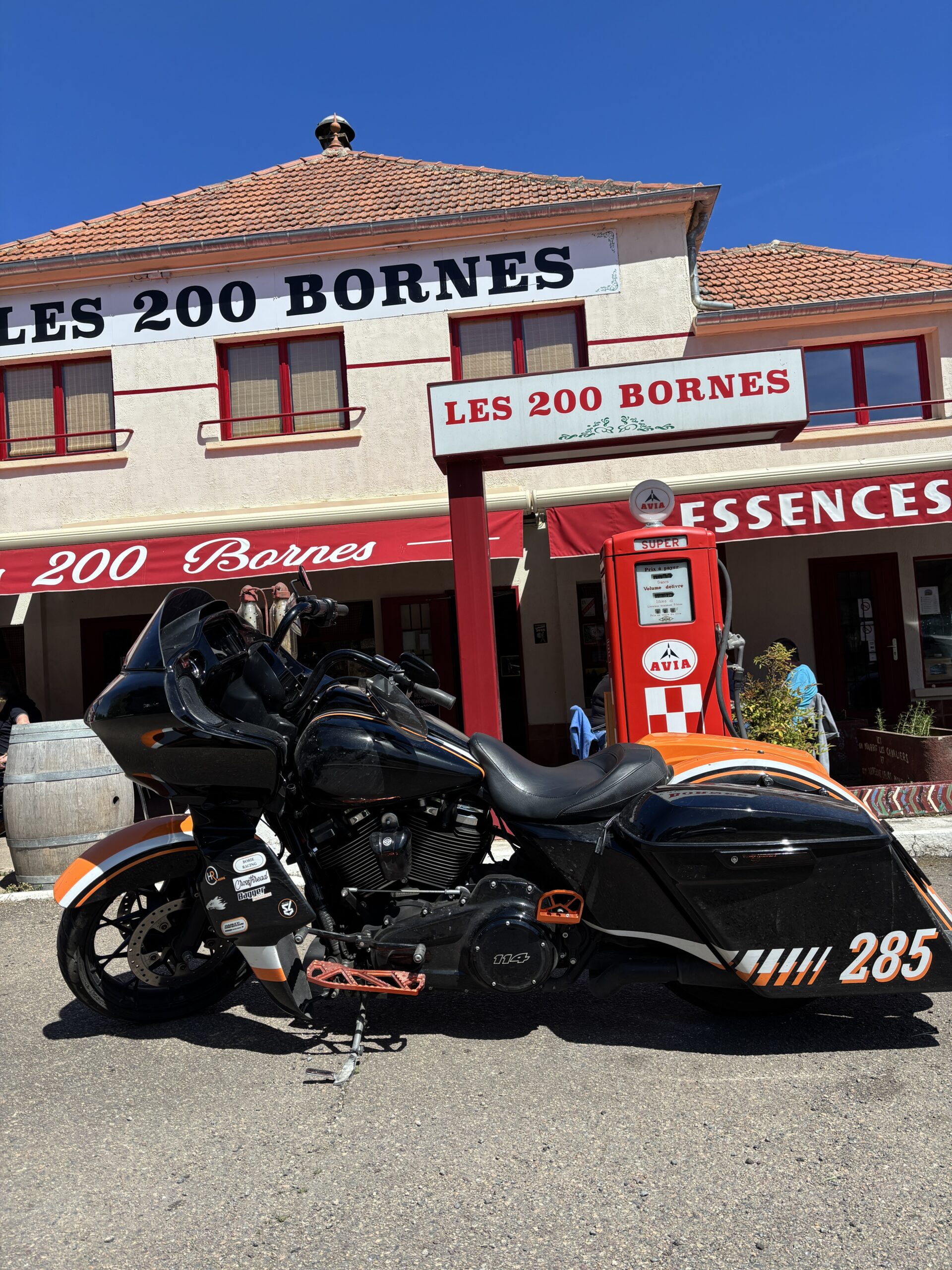
Just before stopping for a last drink in the finally arriving spring sunshine, I absolutely wanted to fill up with gas at the famous old gas station “Les 200 bornes”.
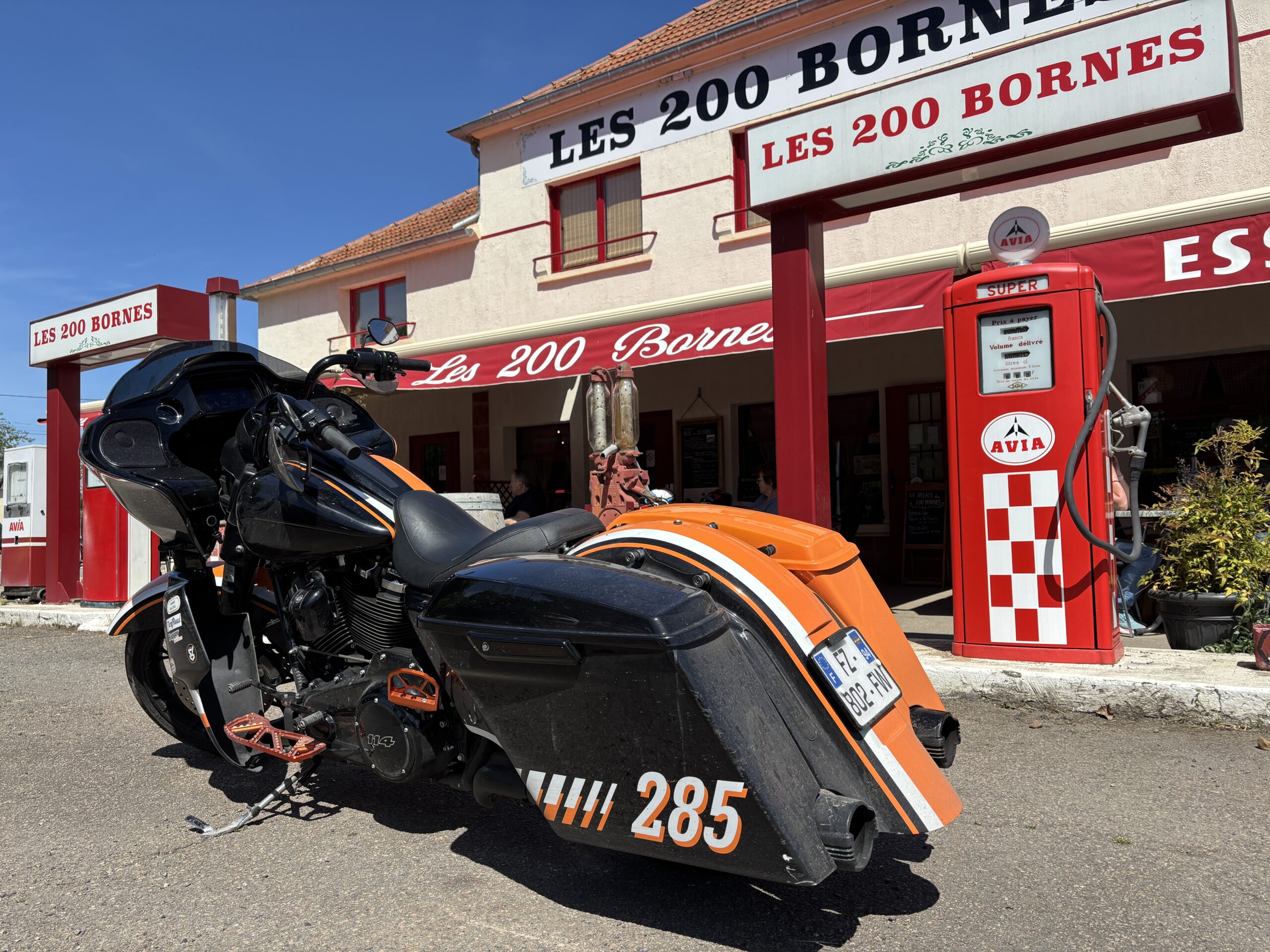
Originally a Shell service station from the early 20th century, shaped like giant oil drums, the establishment was rebuilt after the war in its current form, becoming the now legendary “Relais des 200 Bornes” (200 Kilometer Stopover), a roadside inn and an essential stop on the “Route Bleue des vacances” (Blue Holiday Route).
The Relais des 200 Bornes is located exactly 200 kilometers from Paris, from which it obviously takes its name. It was a mandatory stop to refuel the (small) tanks of vehicles of yesteryear, belonging to truckers as well as vacationers heading south to France, who would come here to eat and rest before facing the traditional and seemingly endless traffic jams in the towns and villages along the N7 highway. See: Restaurant • Hôtel • Station Service • Pouilly-sur-Loire • Nationale 7
Purchased in 2023 by a car enthusiast and prominent figure in the restaurant industry, the fully renovated Relais des 200 Bornes now welcomes those with a taste for nostalgia.
And a final drink on the terrace to bid farewell to the Loire before hitting the road again for the three-hour ride home. It was truly an excellent day of motorcycling.
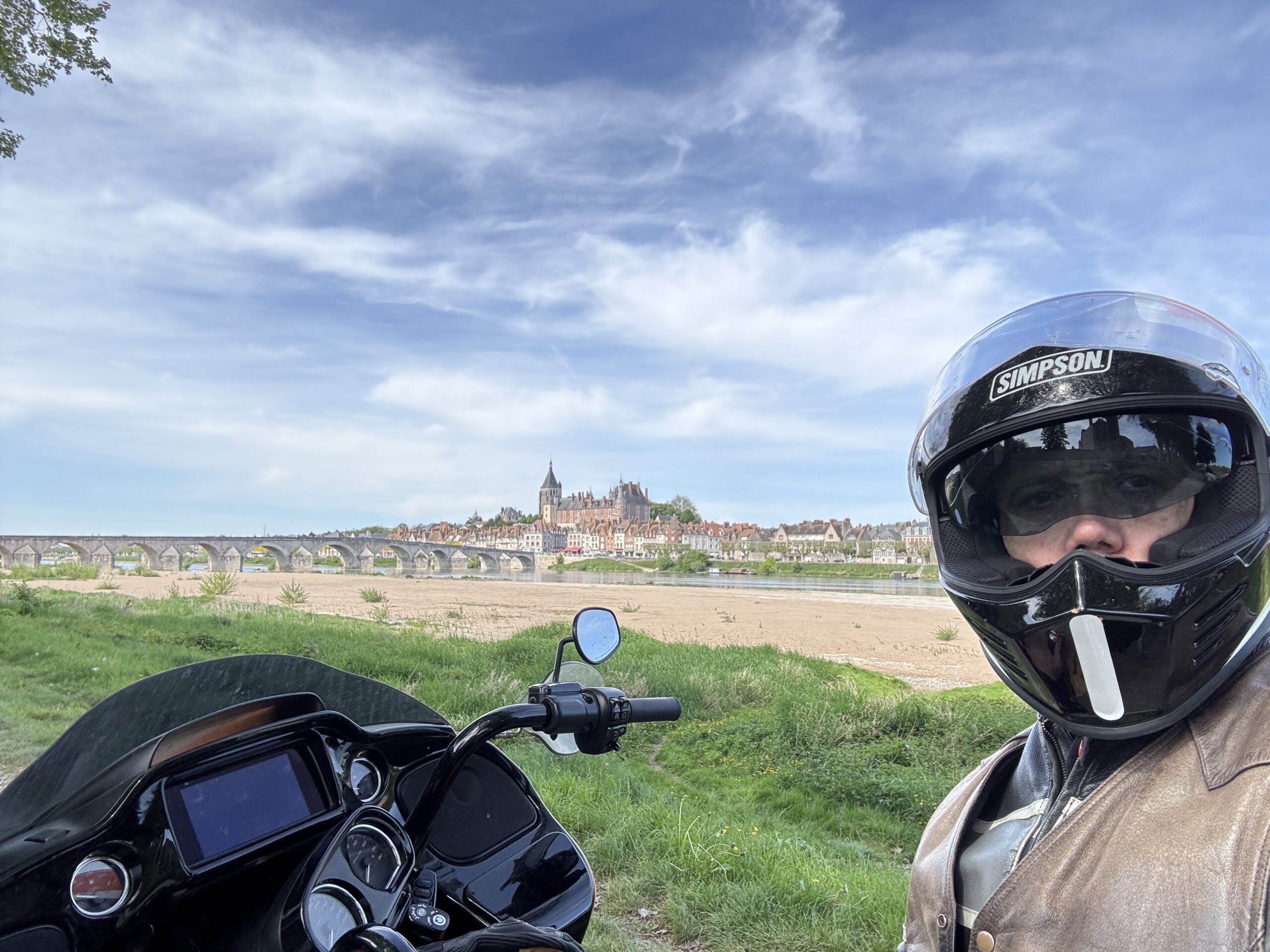
See ya soon on the road, who knows?
Hervé, your french biker friend.



More Stories
RIDE WITH THE SPYDERS (Part 1)
RIDE TO THE GRAND DUCHY OF LUXEMBOURG
MY HARLEY-DAVIDSON ROADGLIDE CHEESE RIDE TO CAMEMBERT, FRANCE