




Story and Photos by ITN European Reporter Herve’ Rebollo
Salut à vous riders from around the world,
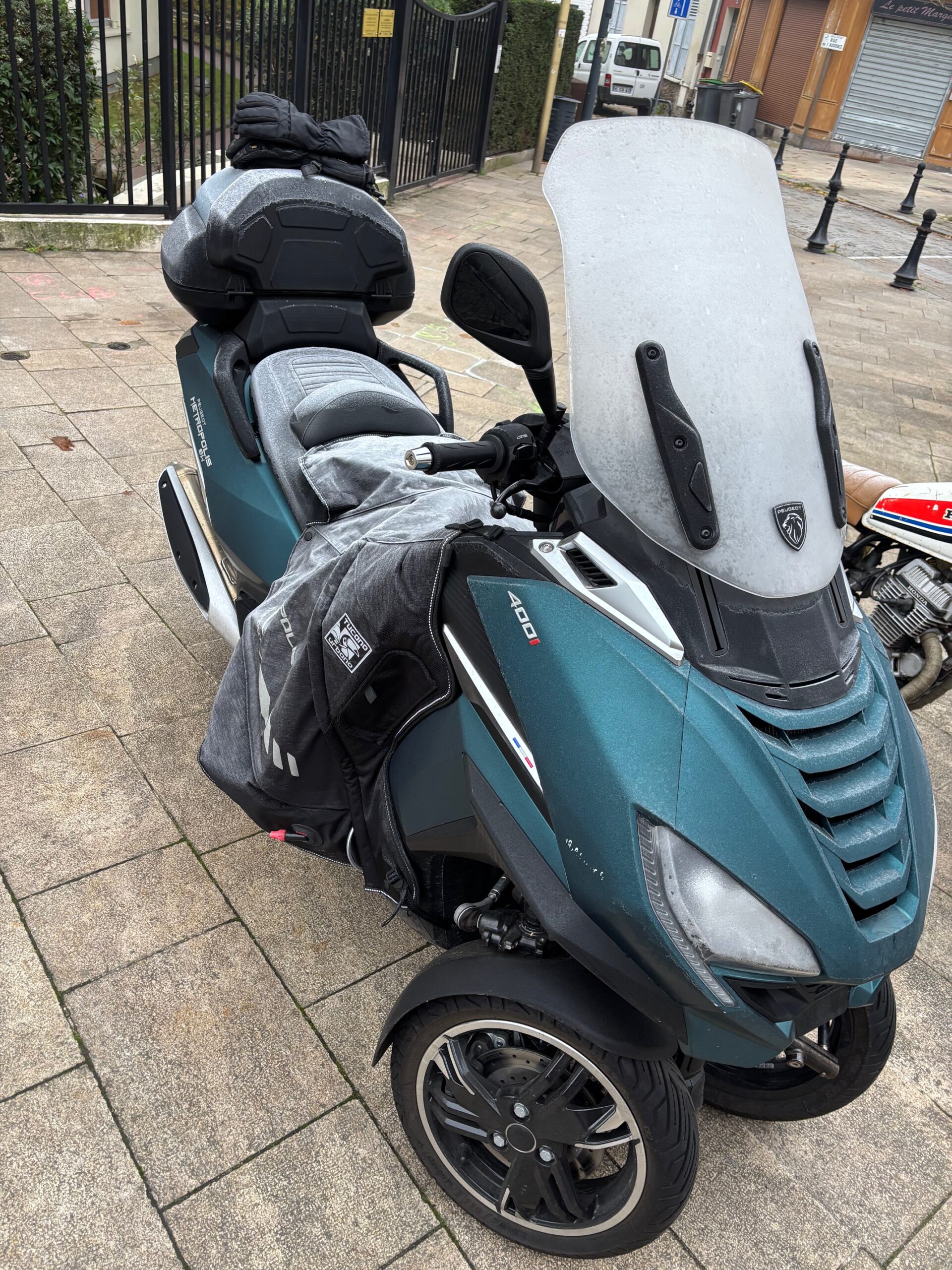
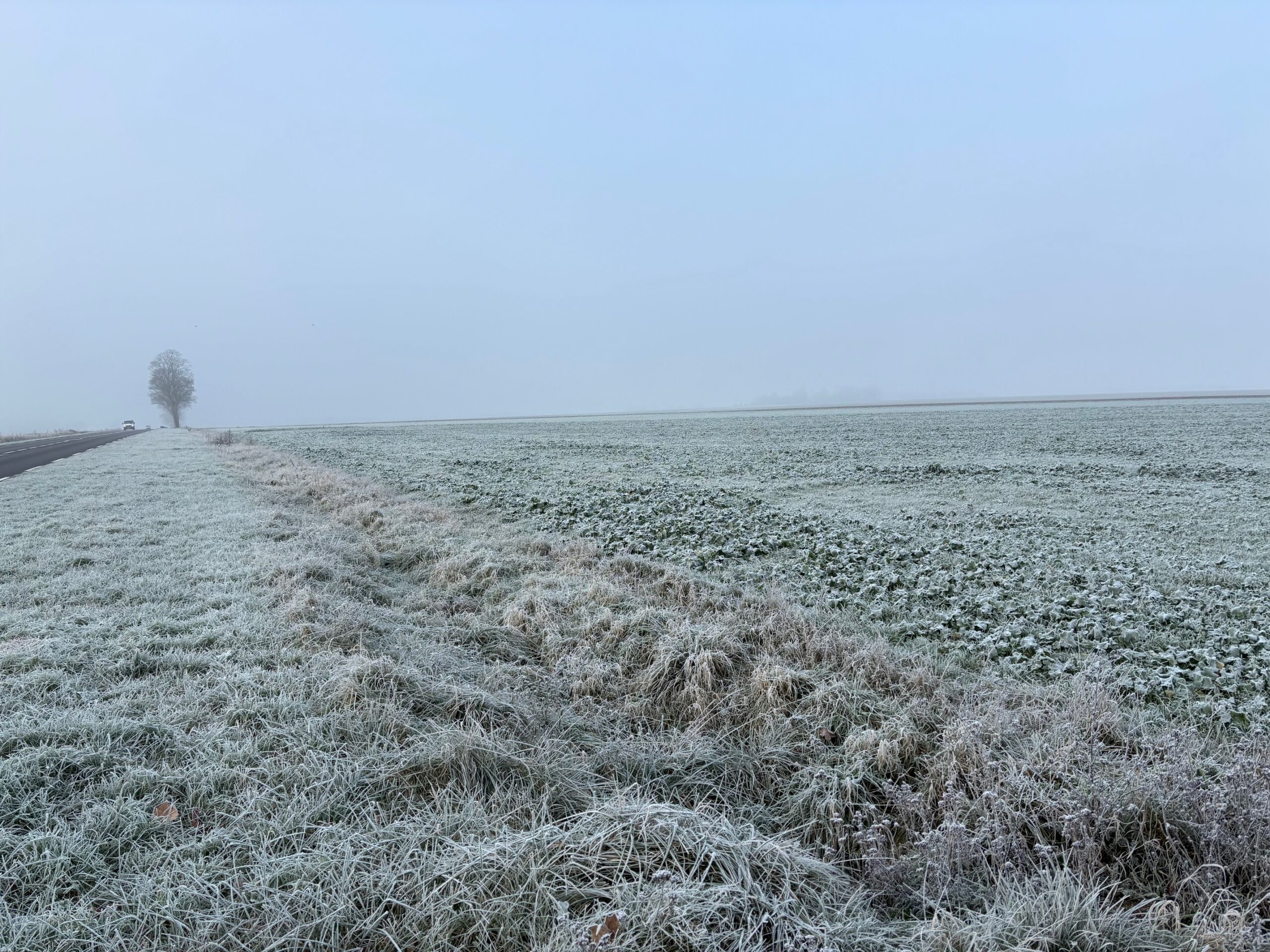
This Saturday morning, November 22nd it was cold at 8am. Zero degrees Celsius (32 Fahrenheit). My scooter was covered in frost (I have to take it to get to the garage where my beloved Road is parked).
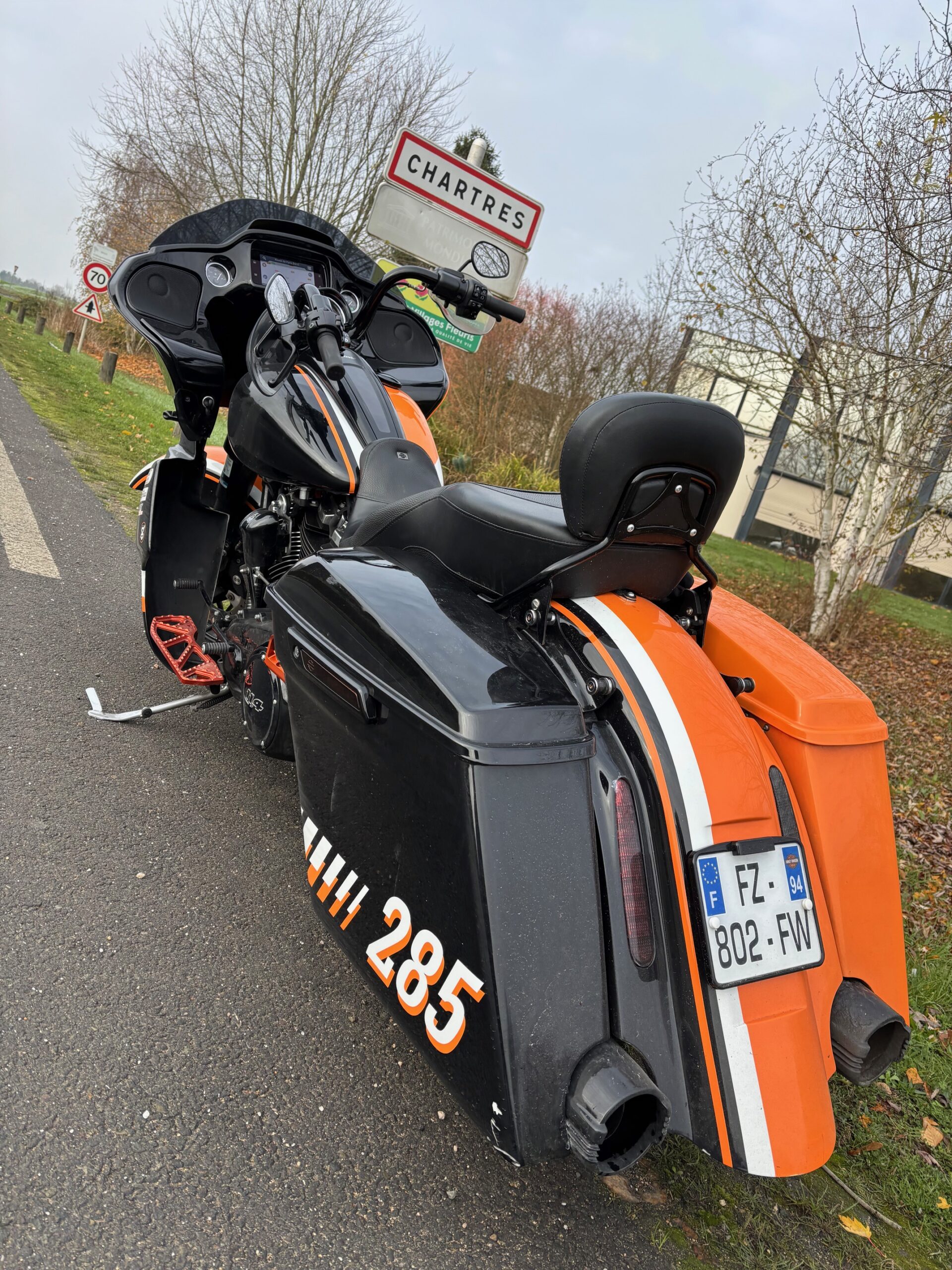
The idea this time was to take a simple 300km (185 miles round-trip in the day) trip on the Liberty Road, to reach the old town of Chartes and visit the famous house of Raymond ISODORE aka PICASSIETTE.
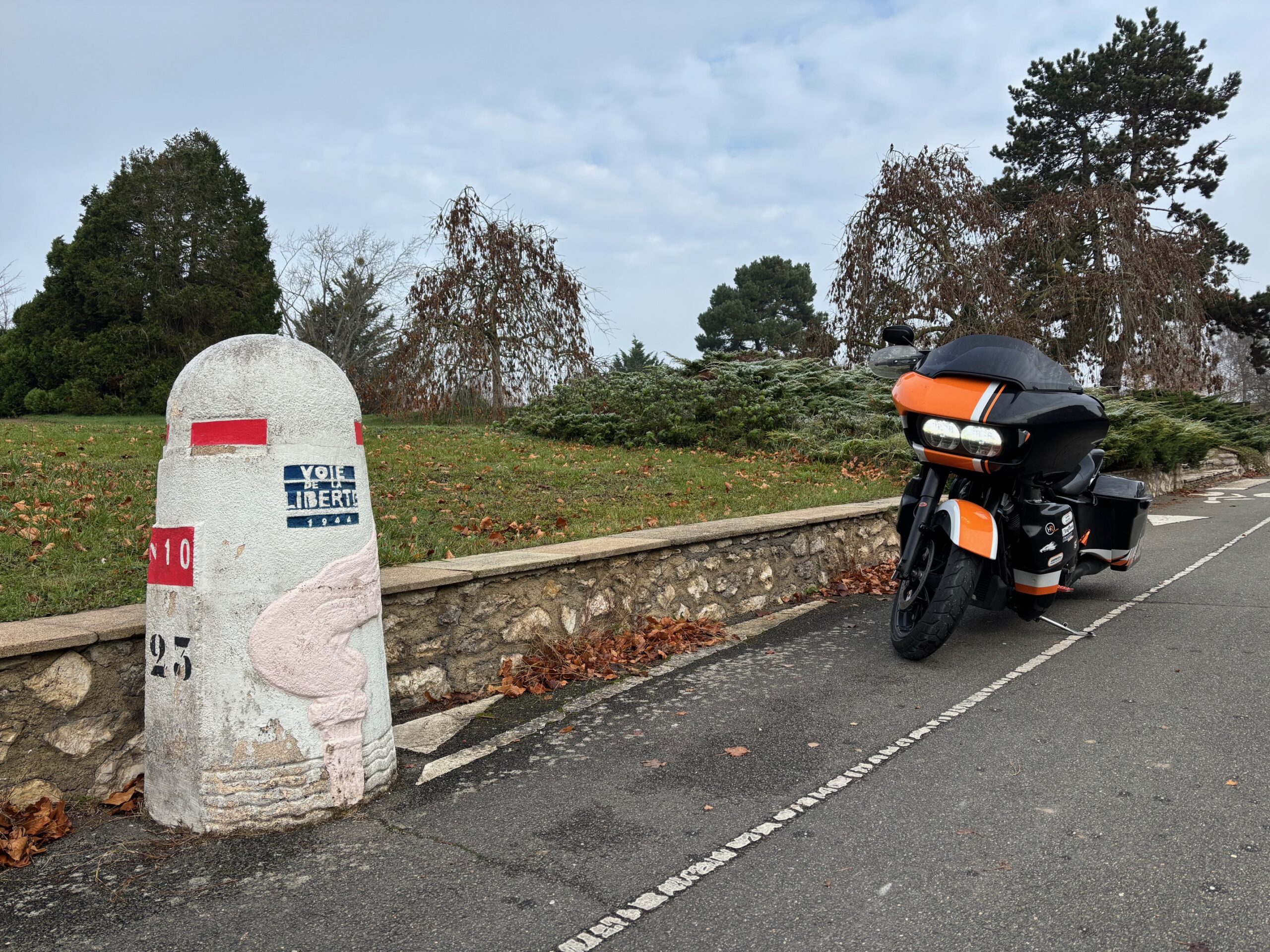
The Liberty Road commemorates the liberation of France during WWII. It is marked by milestones along the road from Sainte-Mère-Église in Normandy to Bastogne in Belgium. These 1.145km/710 miles retrace the glorious route of General George Patton’s Third US Army.
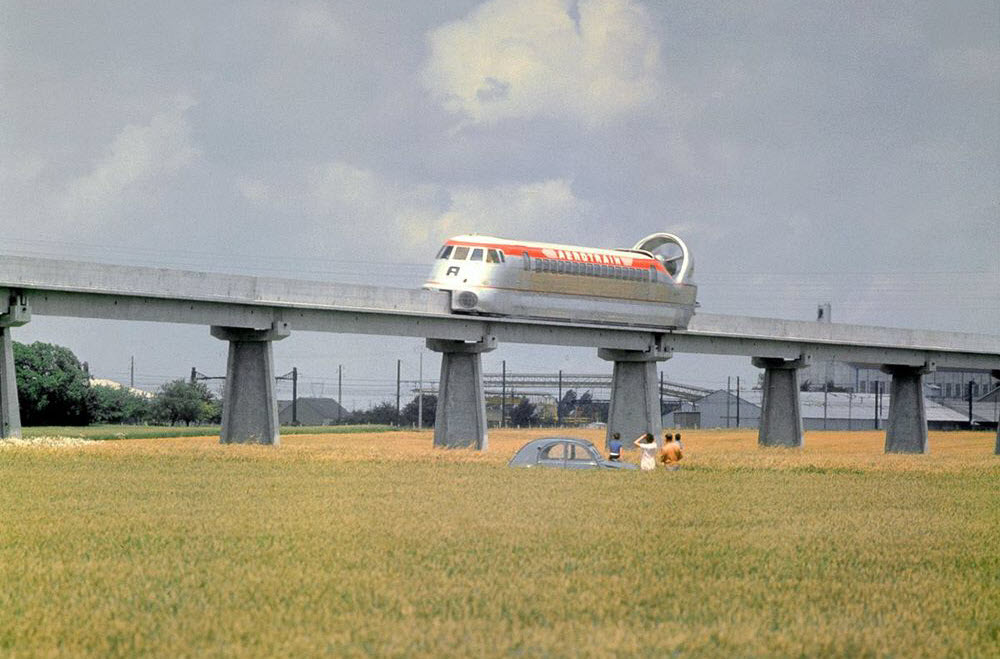
Just before entering Liberty Road, I stopped at a specific roundabout (south of the Parisian suburbs) where, for years, I had wanted to take this photo right in front of the sculpture commemorating the French Aérotrain.

The Aérotrain was an experimental Tracked Air Cushion Vehicle (TACV), or hovertrain, developed in France from 1965 to 1977 and intended to bring the French rail network to the cutting edge of land-based public transportation. Though similar to a maglev design, which levitates a train car over a complex electromagnetic track to eliminate all resistance other than aerodynamic drag, the Aérotrain – also a “train without wheels”– rode on an air cushion over a simple reinforced concrete track or guideway and could travel at the speed of a maglev train, without the further technical complexity and expense of its track. In many respects, the entire concept resembled a product of the aircraft rather than rail industry (see: Aerotrain: The High-Speed Train That Almost Revolutionized Transport | Amusing Planet).
Then, when on the Liberty Road …

… it was really (really) cold. While crossing the Rambouillet forest, my onboard computer indicated -5 degrees Celsius under zero / 23 degrees Fahrenheit (which means that with the relative wind, it was about -8 degrees Celsius/ 17 degrees Fahrenheit).

But everything was fine. The air was dry and it wasn’t raining. I felt good and, once again, so happy to be back on the road.

Heading to Chartres!
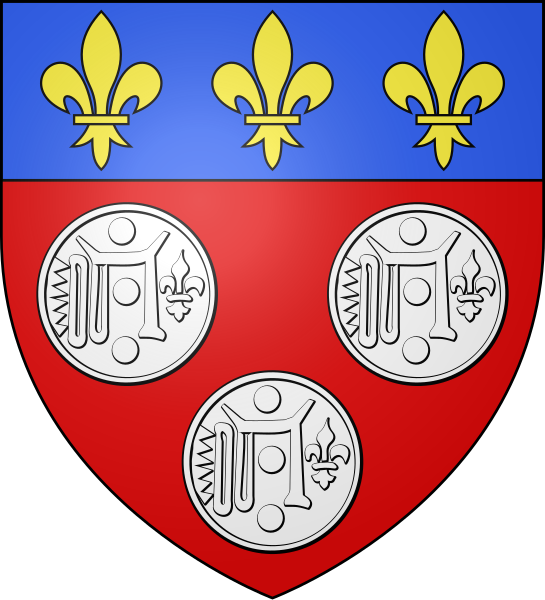
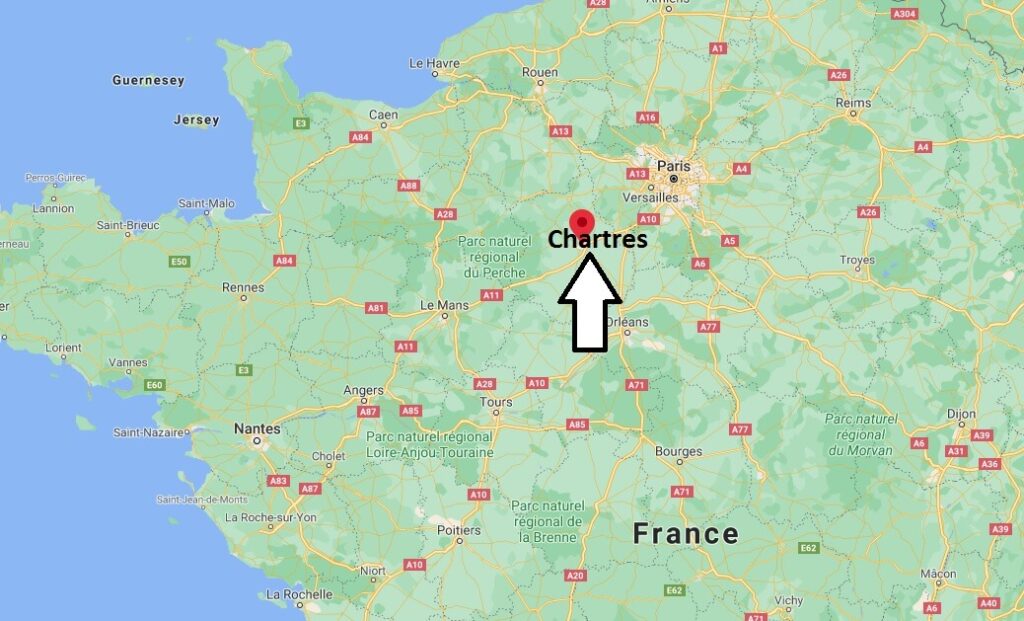
Chartres is located in the Centre-Val de Loire region in France, about 90 km (56 mi) southwest of Paris. At the 2019 census, there were 170,000 inhabitants in the metropolitan area of Chartres, 38.000 of whom lived in the city of Chartres proper.
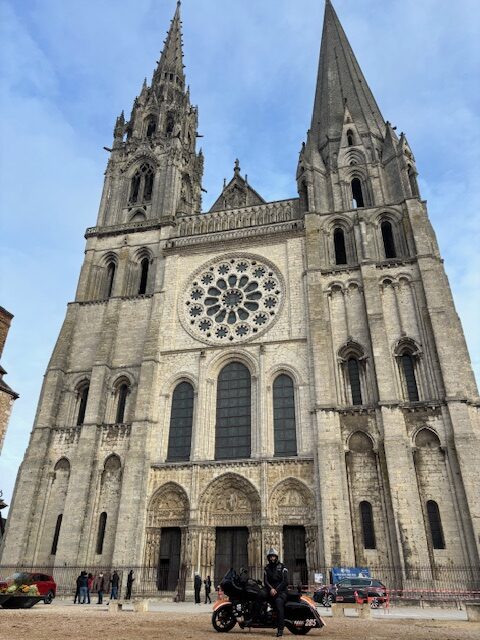
Chartres is famous worldwide for the Chartes Cathedral. Mostly constructed between 1193 and 1250, this Gothic cathedral is in an exceptional state of preservation. The majority of the original stained glass windows are intact, while the architecture has seen only minor changes since the early 13th century.
During WWII, the city suffered heavy damage by bombing and during the battle of Chartres in August 1944, but its cathedral was spared by an American Army officer who challenged the order to destroy it. On 16 August 1944, Colonel Welborn Barton Griffith Jr. questioned the necessity of destroying the cathedral and volunteered to go behind enemy lines to find out whether the Germans were using it as an observation post. With his driver, Griffith proceeded to the cathedral and, after searching it all the way up its bell tower, confirmed to headquarters that it was empty of Germans. The order to destroy the cathedral was withdrawn (Colonel Griffith was killed in action later on that day in the town of Lèves, 3.5 kilometers (2.2 miles) north of Chartres. For his heroic action both at Chartres and Lèves, Colonel Griffith posthumously received several decorations awarded by the president of the United States and the U.S. military, and also from the French government.
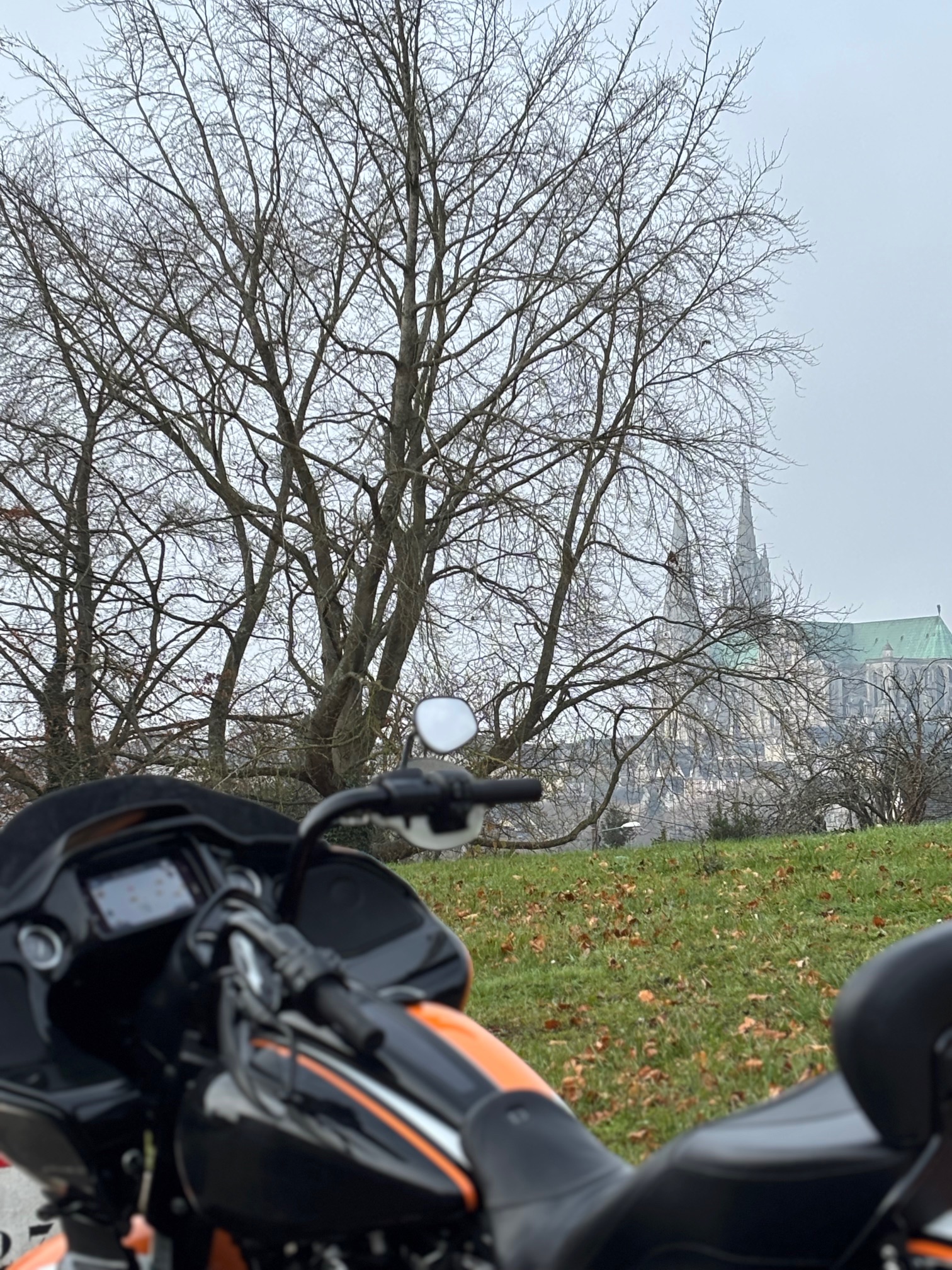
Following deep reconnaissance missions in the region by the 3rd Cavalry Group and units of the 1139 Engineer Combat group, and after heavy fighting in and around the city, Chartres was liberated, on 18 August 1944, by the U.S. 5th Infantry and 7th Armored Division belonging to the XX Corps of the U.S. third Army commanded by Lieutenant General Georges S. Patton, JR.
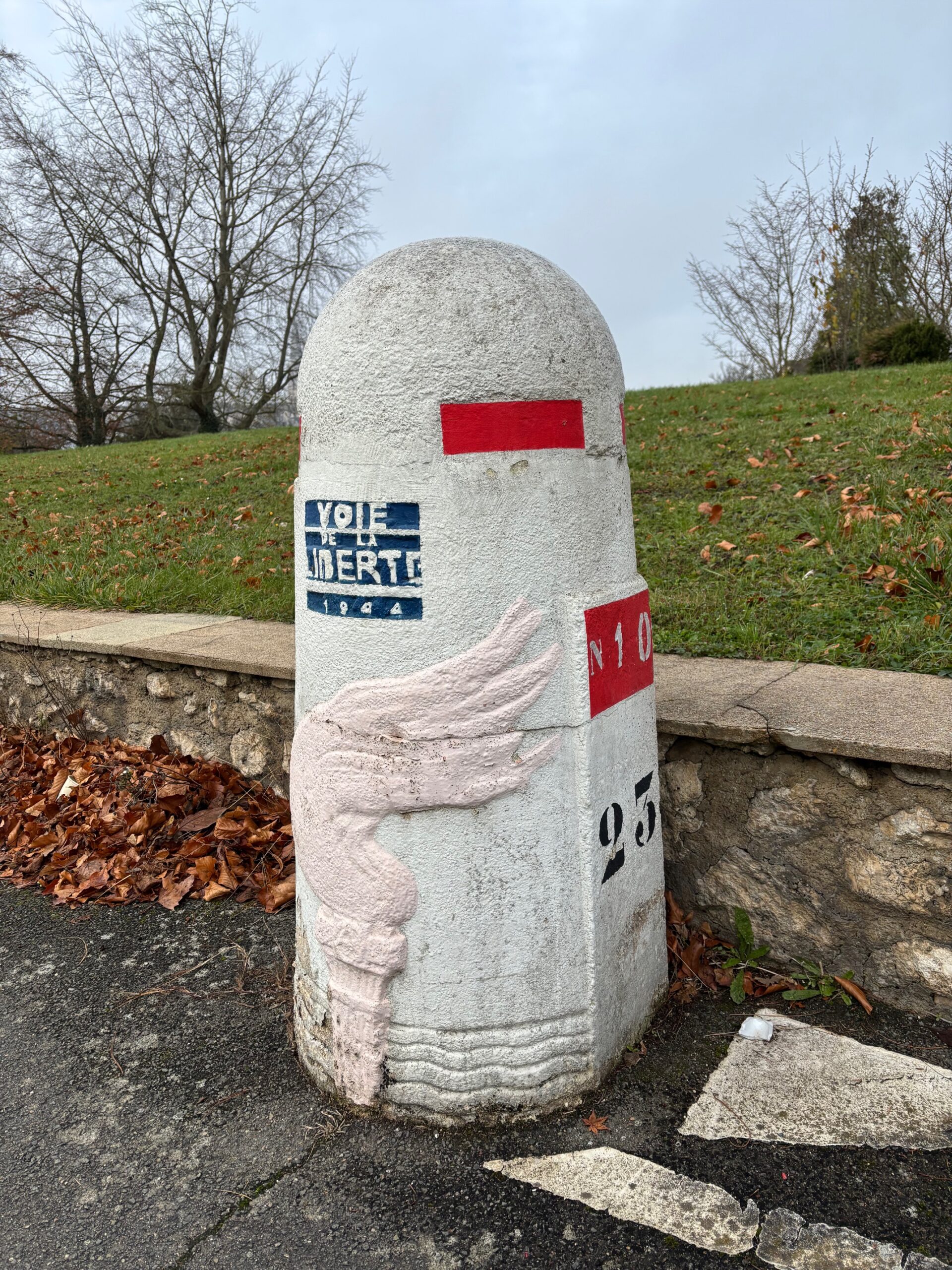
The Cathédrale Notre-Dame de Chartres is considered one of the finest and best preserved Gothic cathedrals in France and in Europe. Its historical and cultural importance has been recognized by its inclusion on the UNESCO list of World Heritage Sites. The stained glass windows of the cathedral were financed by guilds of merchants and craftsmen, and by wealthy noblemen, whose names appear at the bottom. It is not known how the famous and unique blue, bleu de Chartres, of the glass was created, and it has been impossible to replicate it.
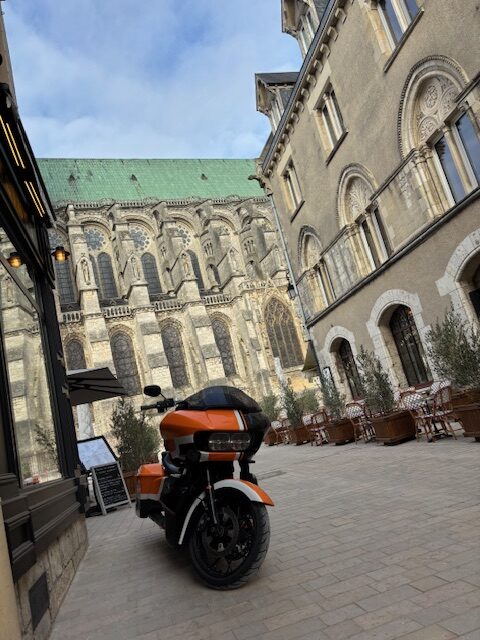
Chartres city center is simply magnificent.
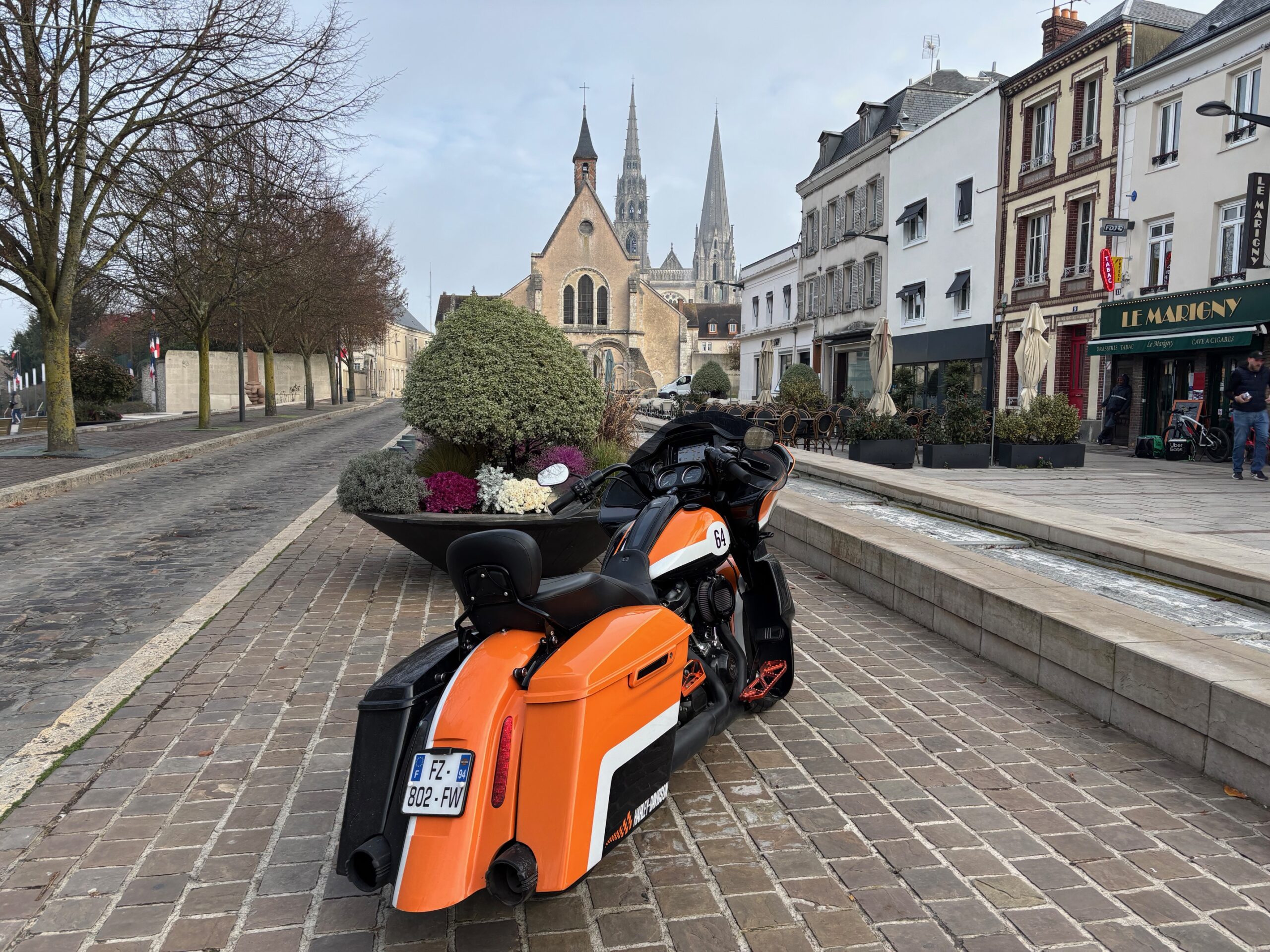
You can literally feel that a part of the great History of France has its roots here.
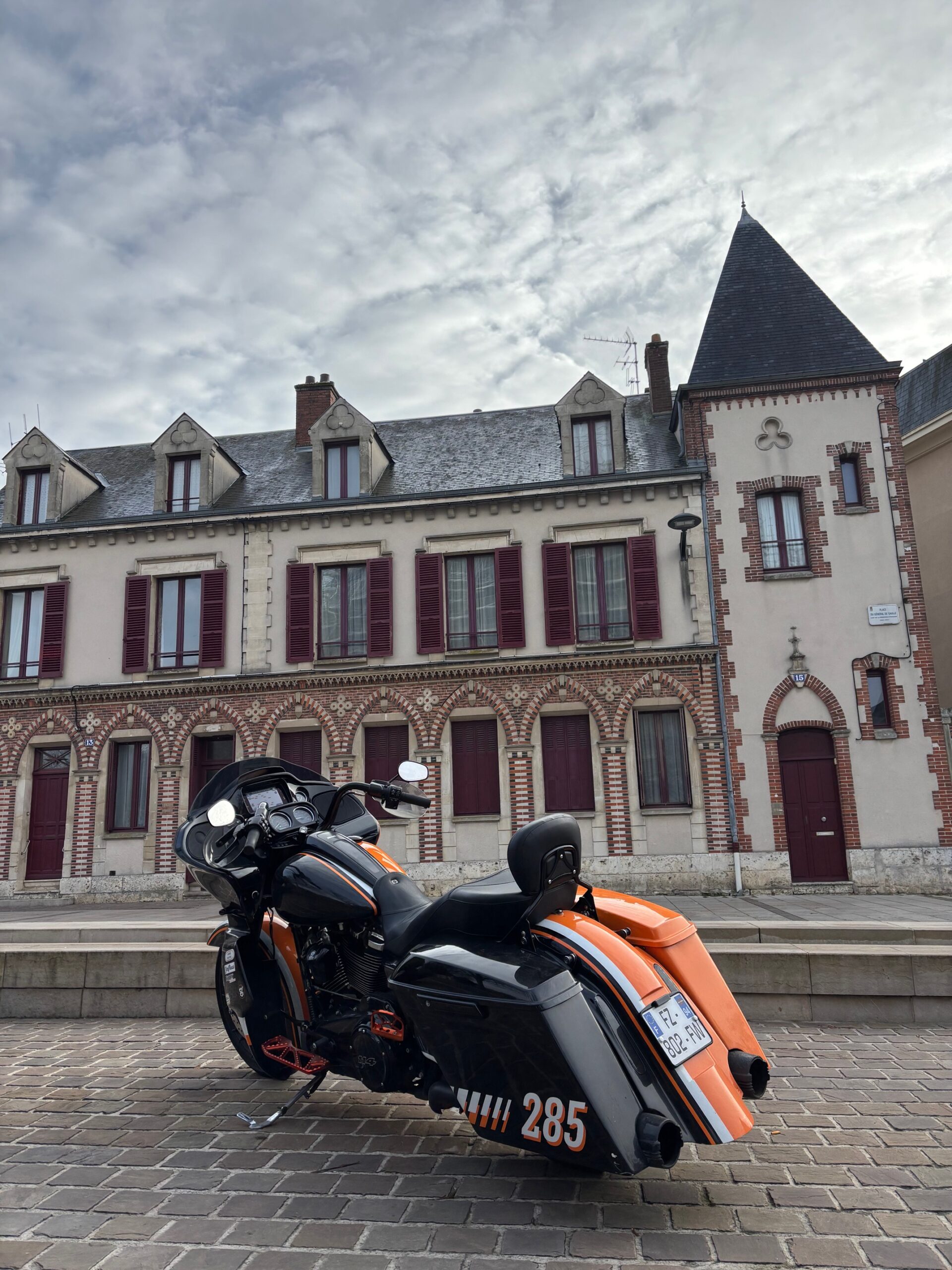
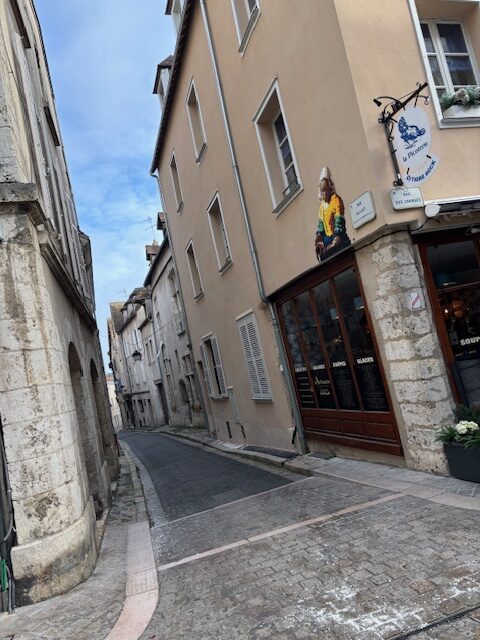
Well, it was time to find a bar (don’t forget we call it a “Bistro”) in the city center, among the many narrow streets…
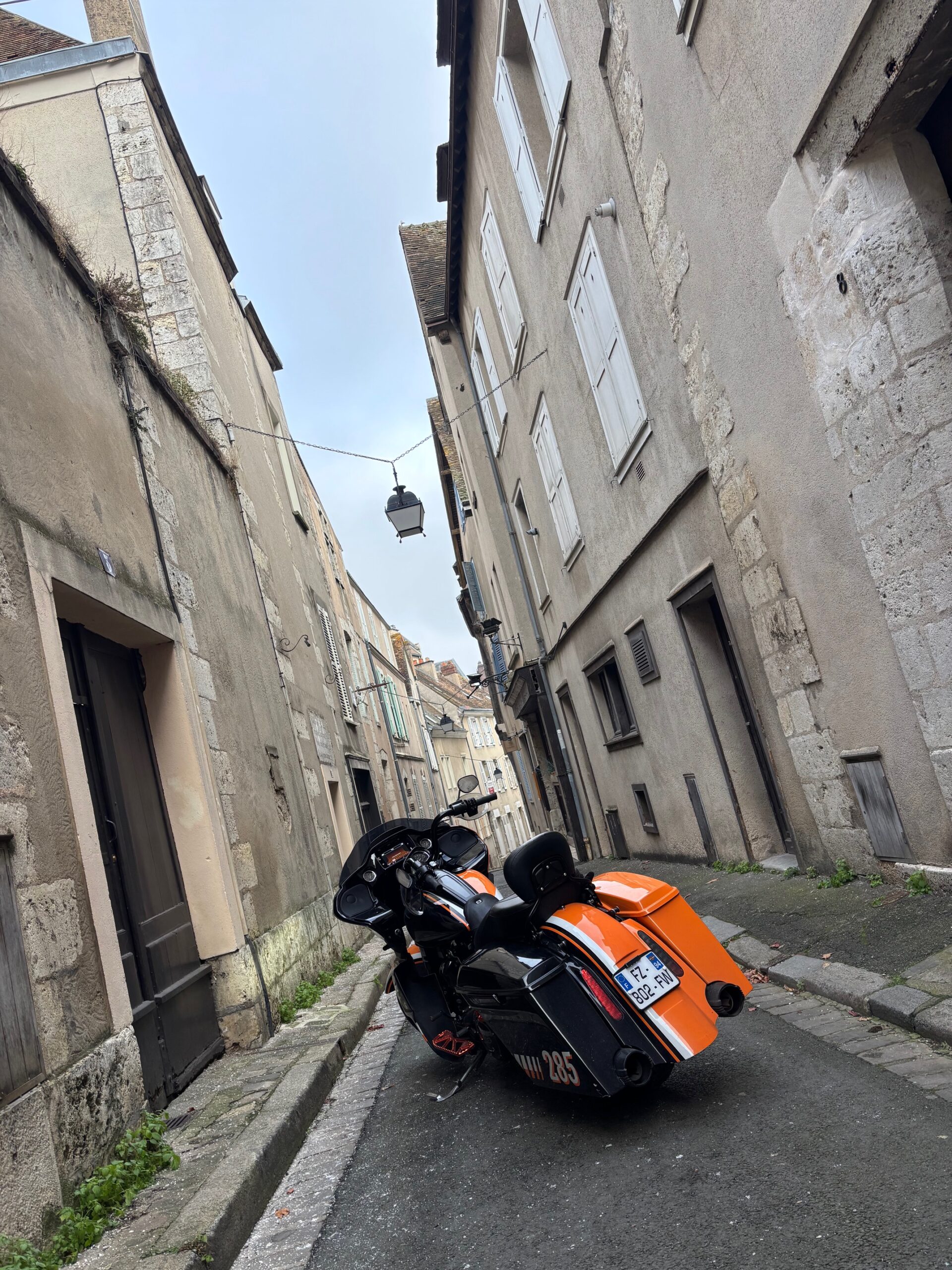
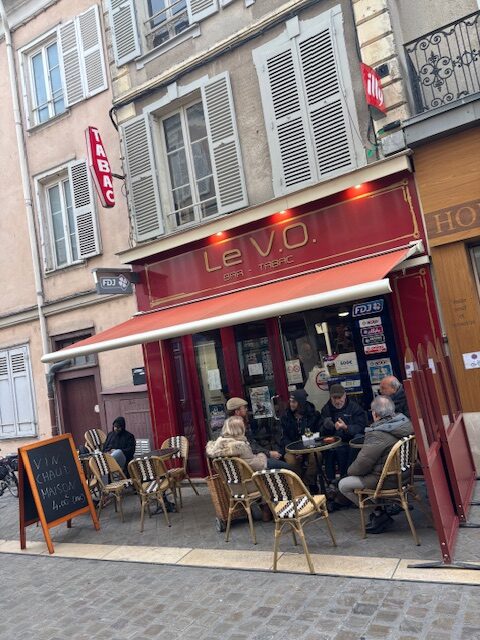
… to have my traditional coffee in a local popular place.
Mission accomplished!
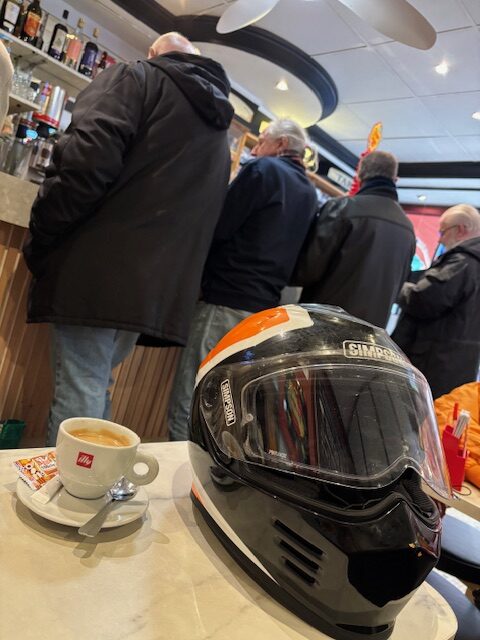
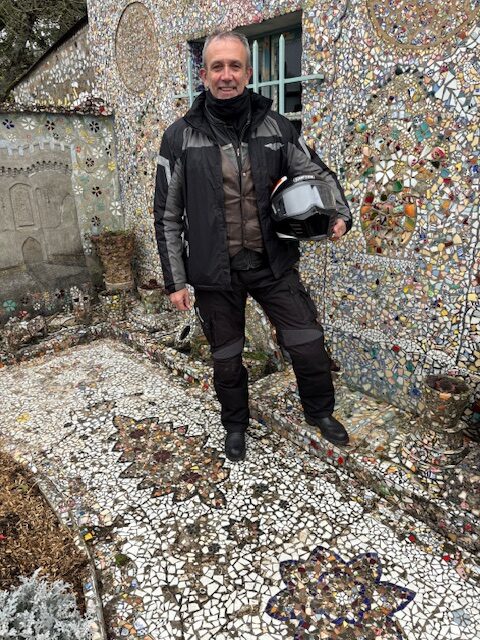
After this pleasant and warm break, let’s go visit PICASSIETTE’s house.
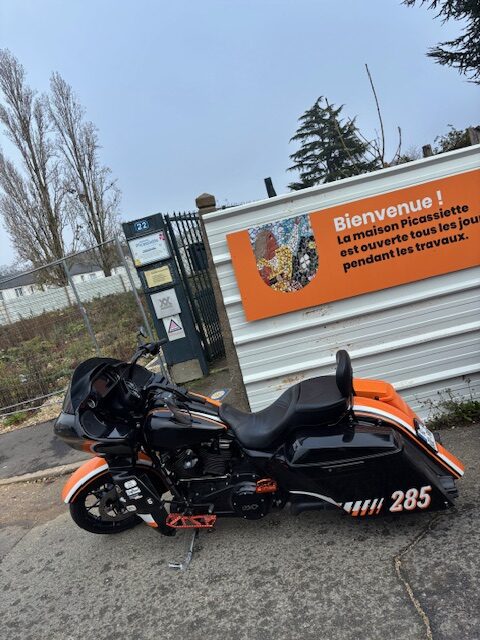
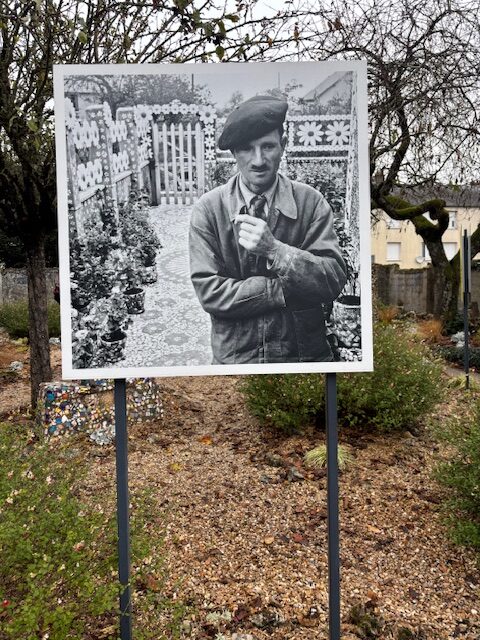
This site is the work of a lifetime of RAYMOND ISIDORE, aka PICASSIETTE (it could be, more or less, compared to the site of the postman CHEVAL. Remember: SUMMER RIDE TO THE IDEAL PALACE – Iron Trader News).
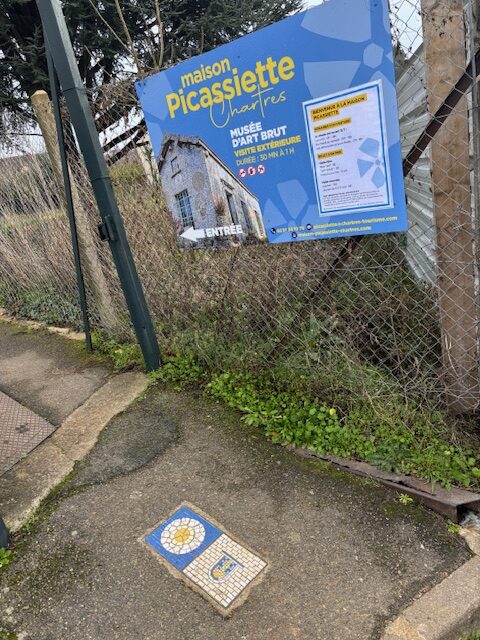
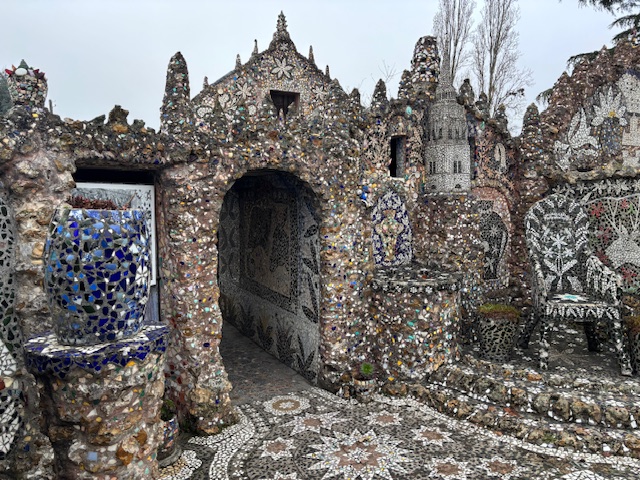
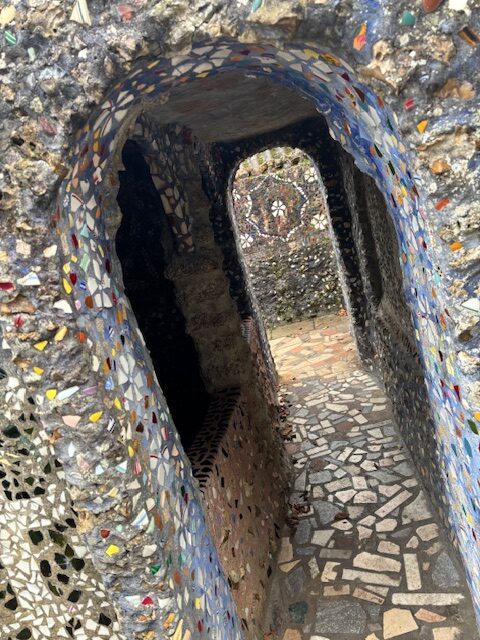
La Maison PICASSIETTE, the house of Millions Pieces.
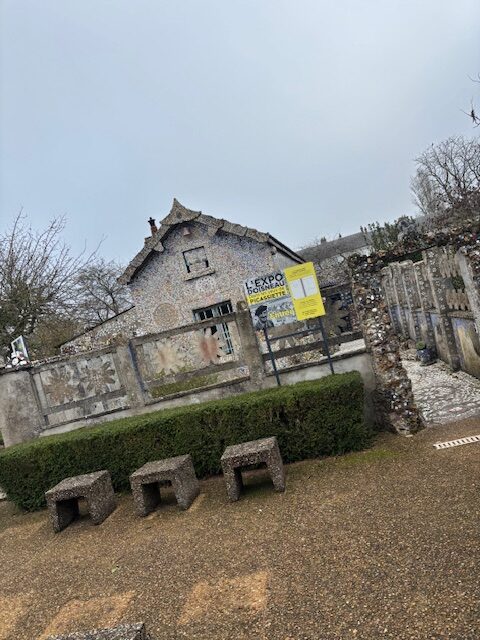
What could make this house different from others? La Maison Picassiette is not a common house like ours, it is a sample of naive architecture – beautiful, unusual… so amazing! Worth visiting while you’re in Chartres.
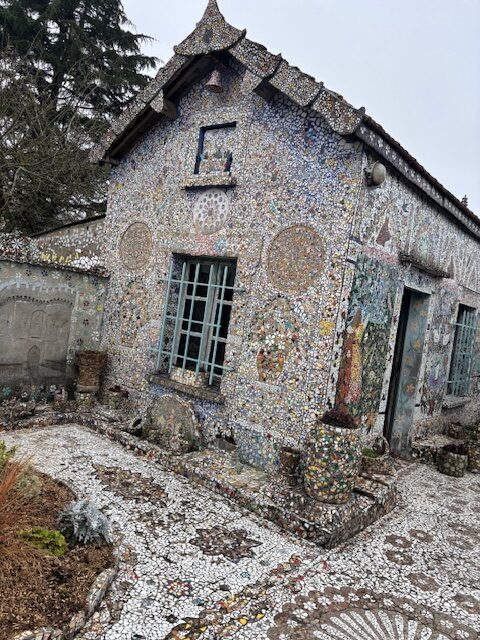
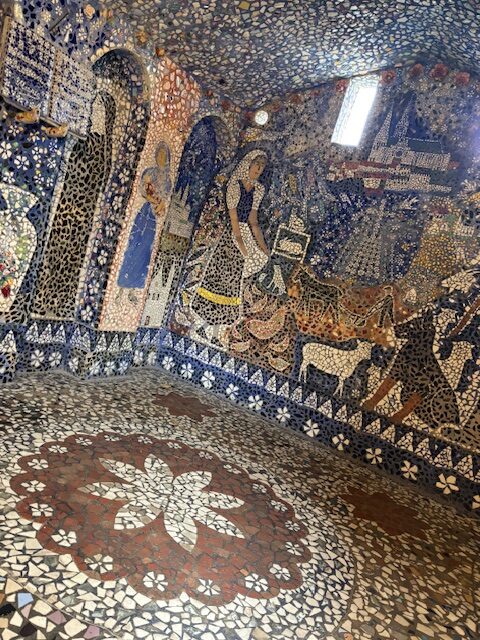
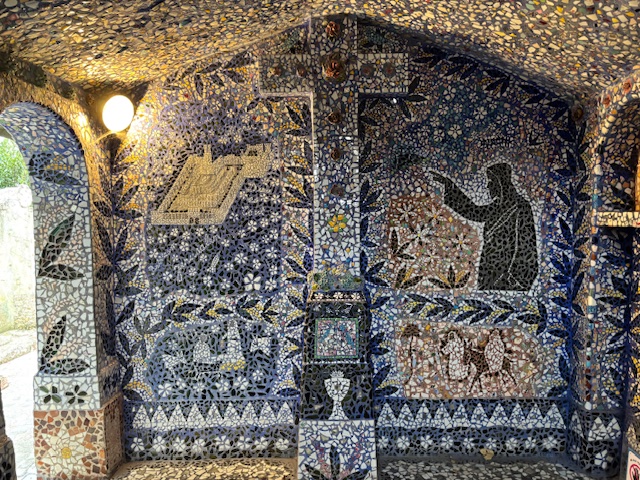
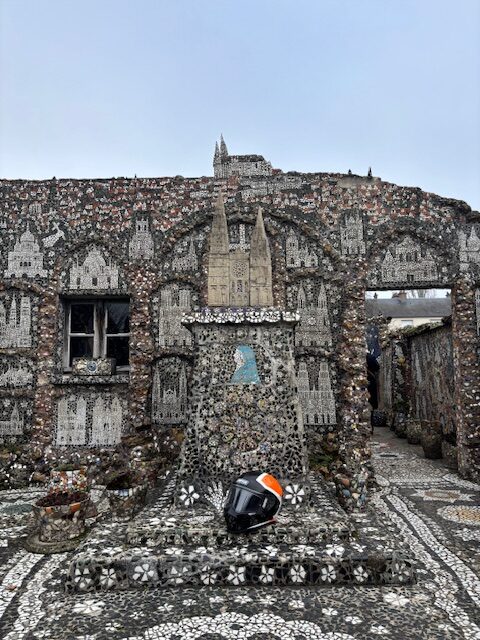
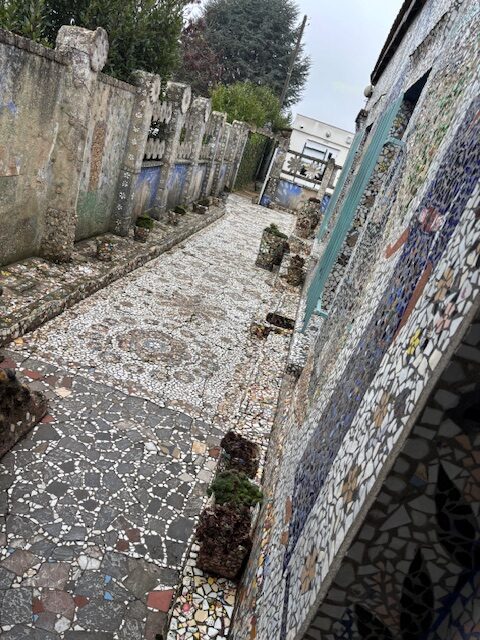
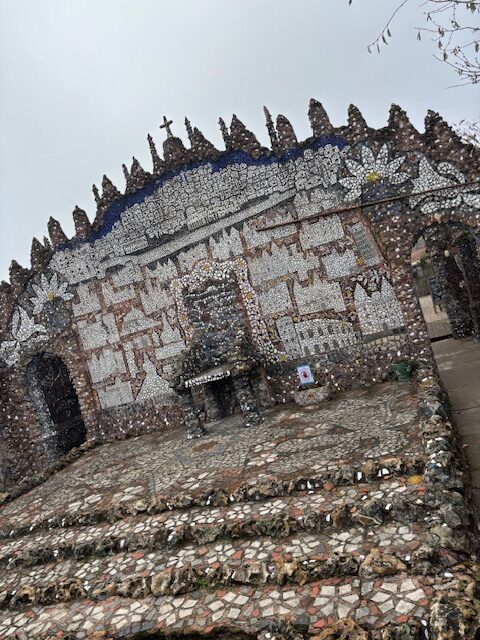
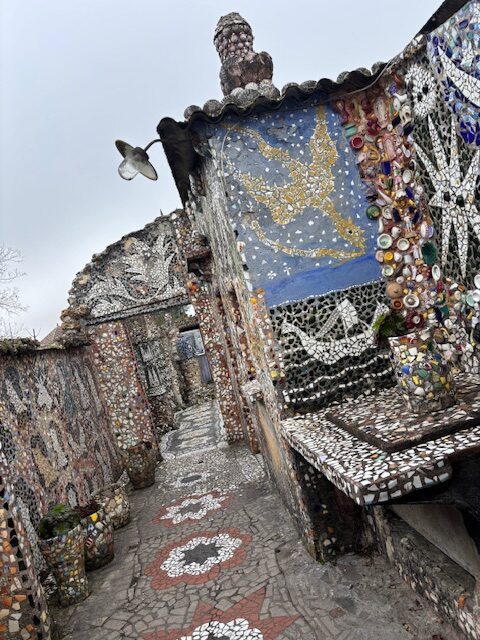
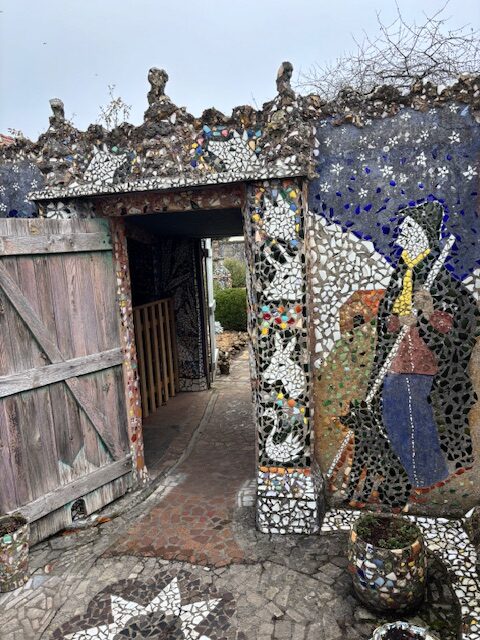
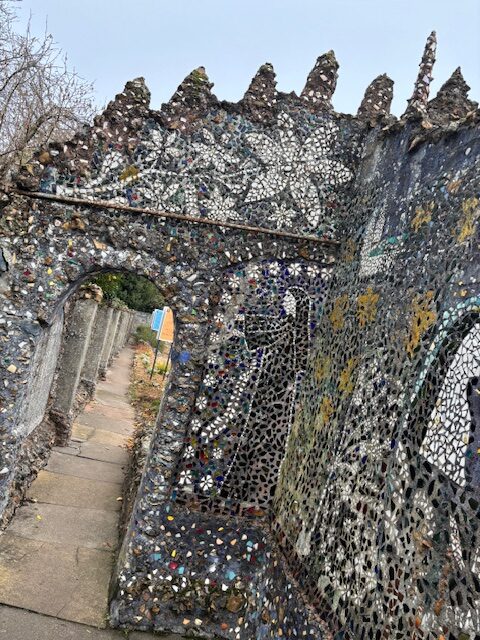
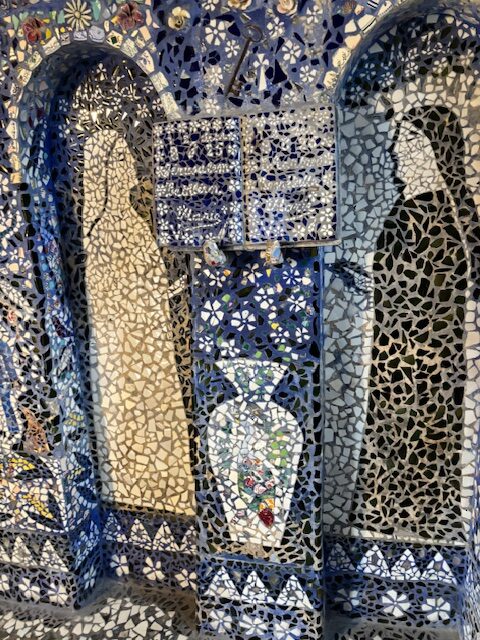
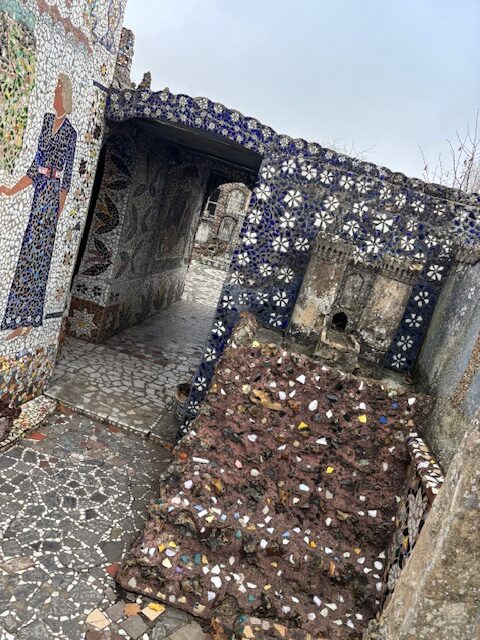
The house of millions pieces… because it made of millions pieces of crockery, broken glasses, bottle caps and sort of then compiled into mosaics.
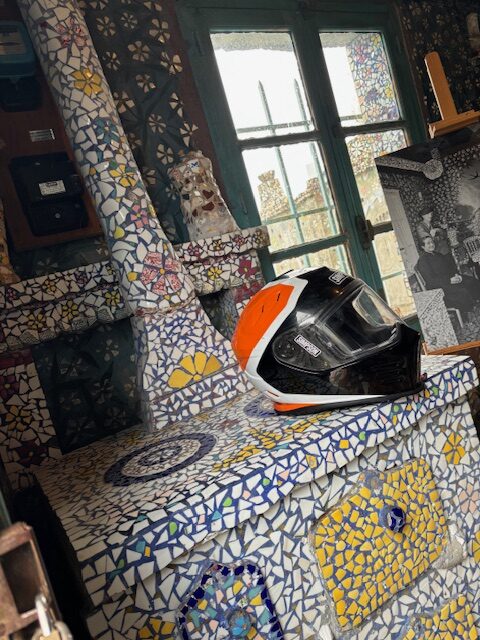
Raymond Isidore, the original house owner, began to build his house in 1930 and eight years later in 1938, he started to decorate his little house in mosaic.
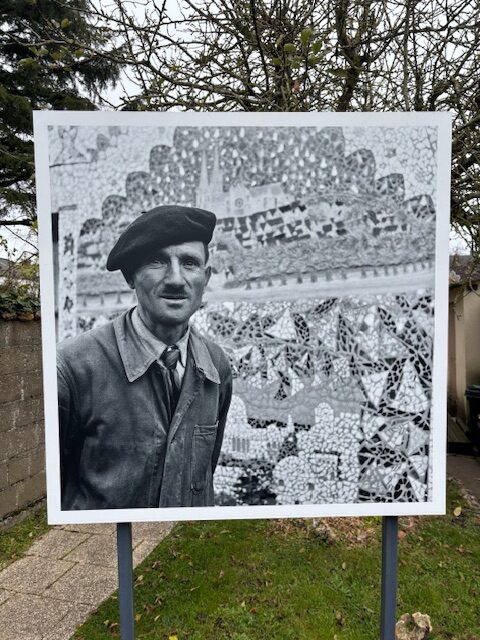
He was walking in the field when suddenly he was attracted by the flickering colors of tiny pieces of glass, porcelain and crockery.
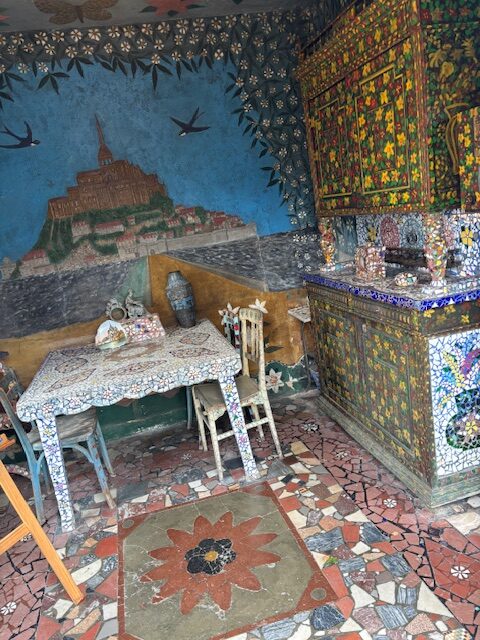
He collected and piled them in his garden. For this reason, he earn a mockery name as Picassiette means Pique (steal) assiette (plate).
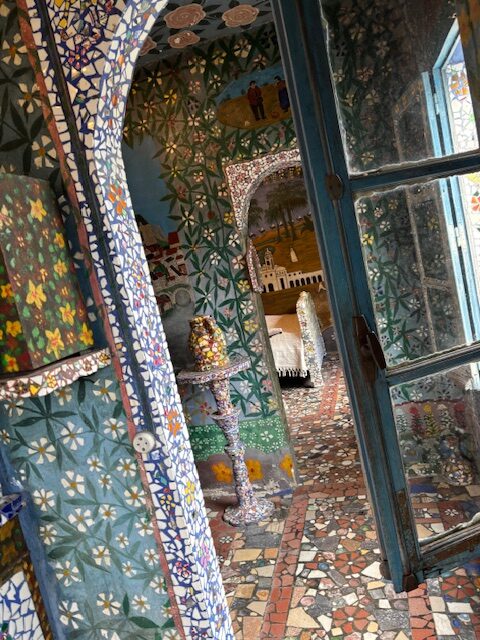
He then began to decorate his interior wall house in mosaic with those pieces.
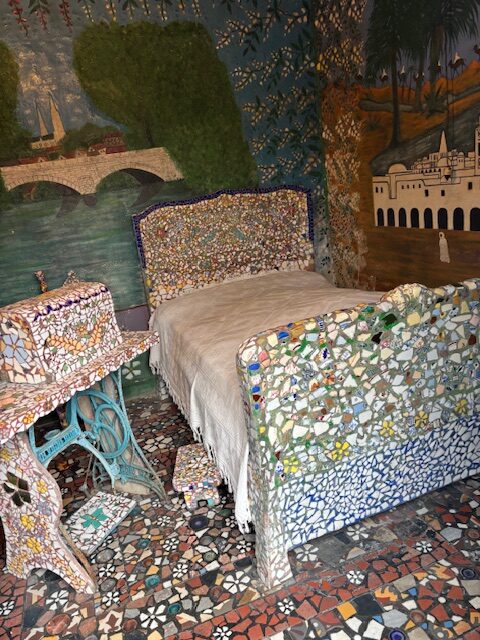
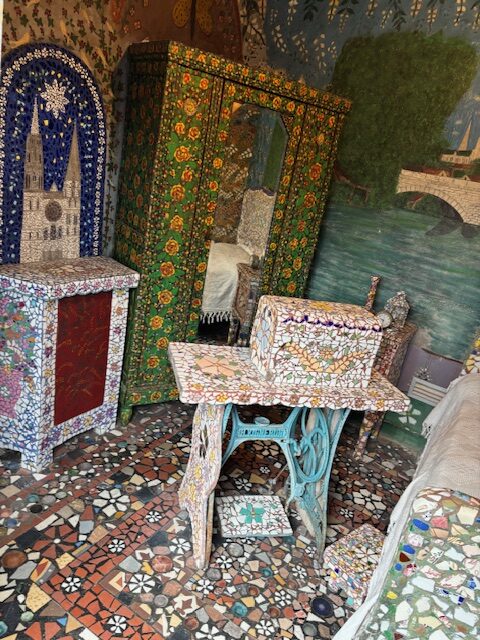
Firstly, only the wall, then he continued his works to the floor, the ceilings. He also did his works to the whole room including furniture – tables, chairs, bed… and the garden! All covered with mosaics!
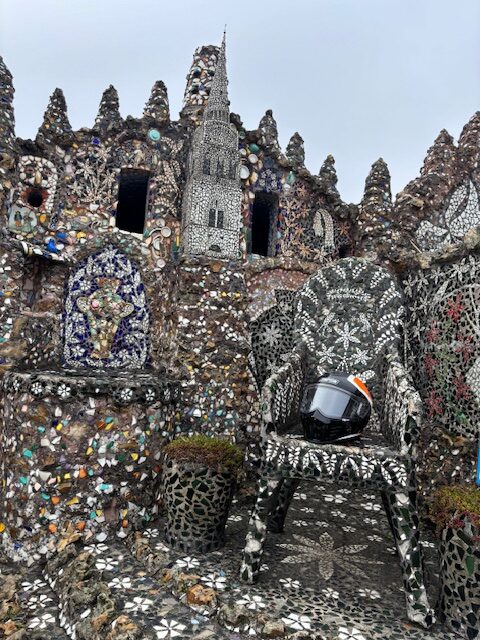
You could see that Raymond Isidore finally covered all his tiny house with mosaics, inside out!
Le Trône de L’Esprit du Ciel – with his wife, Raymond Isidore used to sit down here and watched their garden.
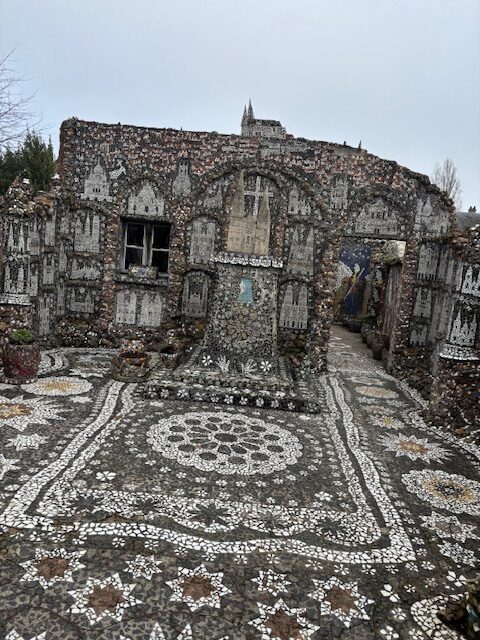
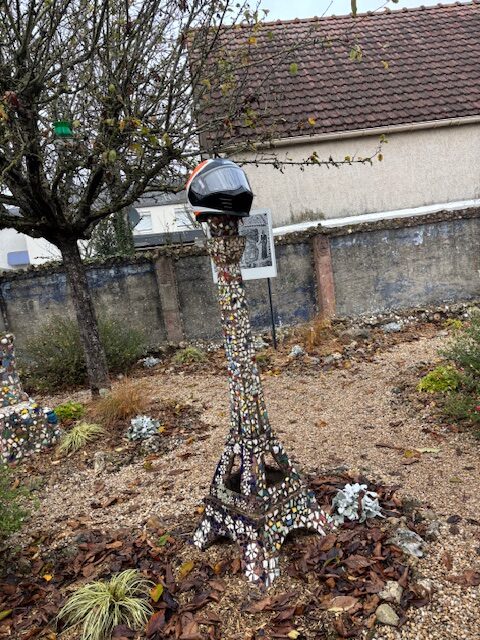
Beautiful art works – mosaics and paintings on the walls… flowers and animals, Monalisa of Da Vinci, even monuments like Cathedral de Chartres, Eiffel Tower, 1001 Nights Palace…
Raymond Isidore finished his art works in 1962, means almost 30 years of works in solo!
He died two years later in 7 September 1964, just a day before his 65th birthday.
Raymond Isidore (8 September 1900 – 7 September 1964), was a municipal employee of the city of Chartres for which he worked as a roadmender, then sweeper of the cemetery.
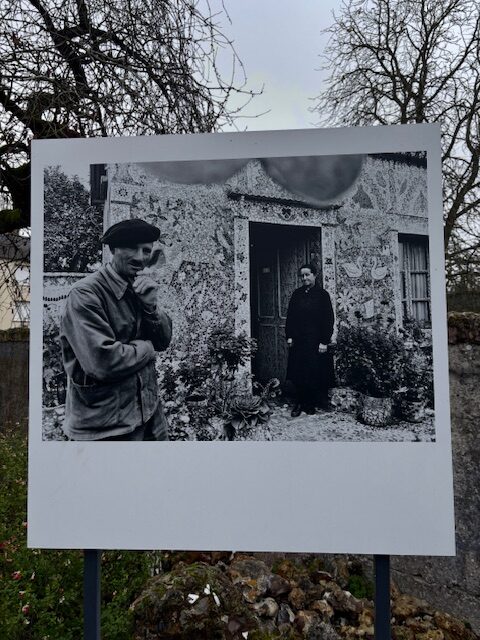
His life was totally devoted to the construction and decoration of his house and the garden, in particular with the help of ceramic and porcelain debris, among others the plates that he obtained in public landfills, hence his nickname “picnic”.
Considered an original, Raymond Isidore experienced a late media coverage: in the 1950s, the press took an interest in him.
But his end of life, in his space saturated with mosaics, is tragic. His inspiration dried up, himself exhausted, he experienced mental disorders.
On a stormy night, he fled from home through the fields, in the grip of an end-of-the-world delirium.
Found and brought home, he died shortly after.
It was a very interesting and even moving visit. I’ve always been fascinated by ordinary people who find a kind of mission in their lives. It always leads to incredible stories to hear and tell.
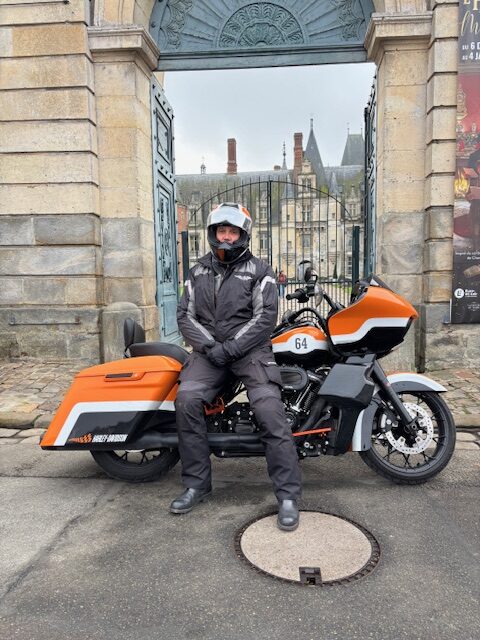
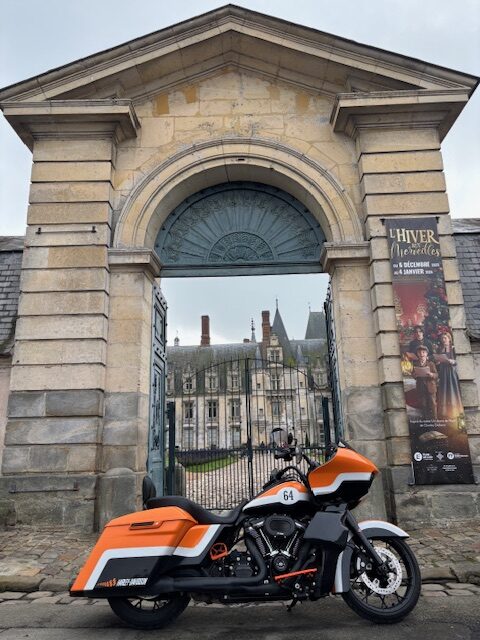
After this pleasant 35-minute visit, it was time to head home. On the way, I took the opportunity to stop in the small town of Maintenon to take a cool photo on the front of the castle entrance.
At this precise moment, lucky me, I realized that I could still go to the concession before nightfall. Ok, let’s go!!

And, once at Harley Davidson BORIE (Since 1946), I discovered that by buying a cap I was automatically entered into a contest to win the new Fat Boy. Yes!!

I’ve never won anything in any competition in my entire life, but at least I have a brand new and super cool cap. Lol.

So, next you are in Paris, we’ll take our motorbike to go to Chartres for having a coffee (or something stronger) downtown.
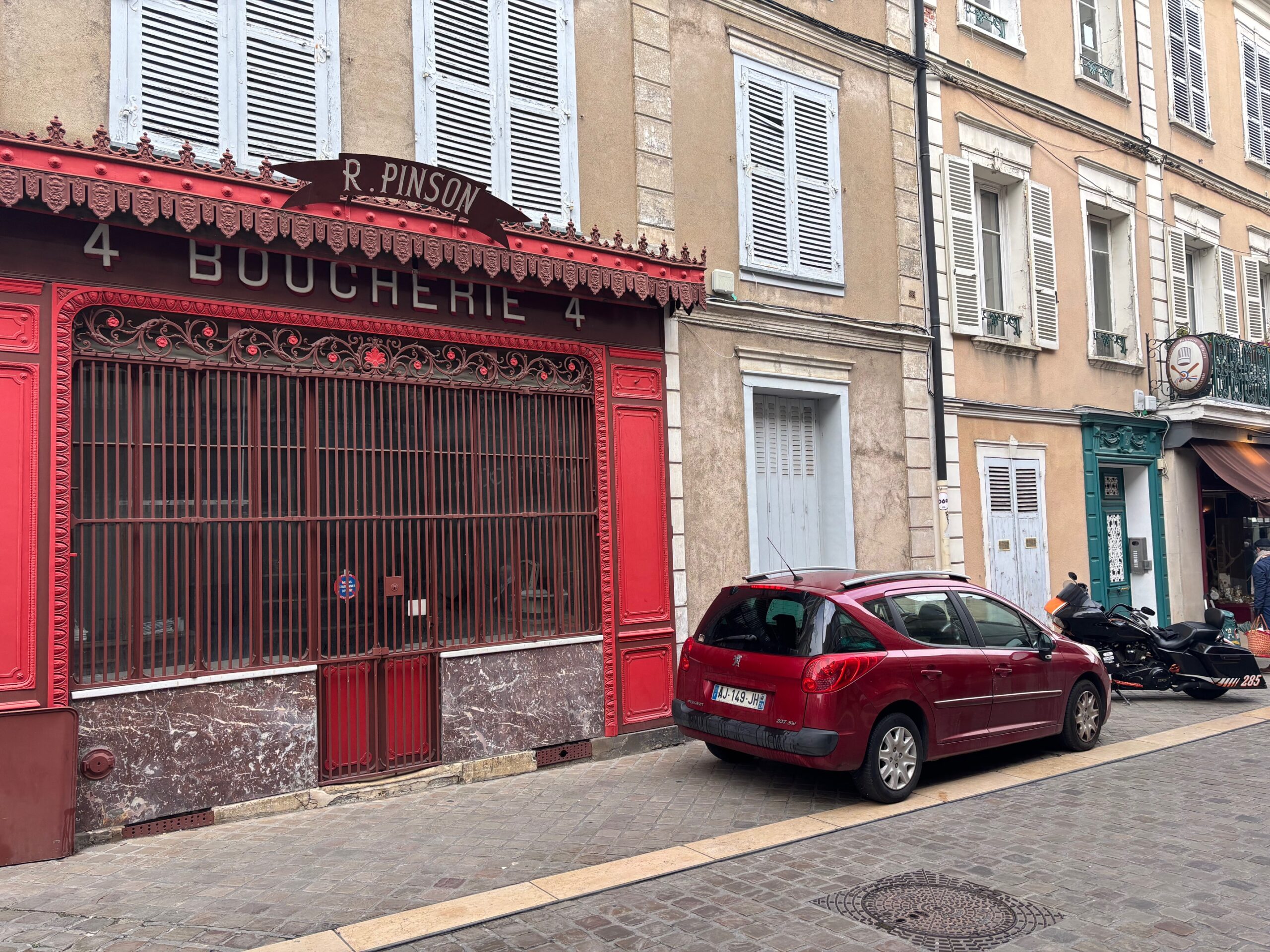
See ya soon on the road, who knows?!?
Hervé, your French biker friend.


More Stories
RIDE TO THE VESPA CITY
RIDE TO THE GRAND DUCHY OF LUXEMBOURG
MY HARLEY-DAVIDSON ROADGLIDE CHEESE RIDE TO CAMEMBERT, FRANCE