
Story and Photos by ITN European Reporter Herve’ Rebollo
I had been waiting to visit the Luxemboug Harley-Davidson dealer for a long time. It was time to go. Go East!!
As usual, once again, the idea was to take my time, to ride on secondary roads and to discover as many new … “things” as possible. And possibly get lost in the middle of nowhere.
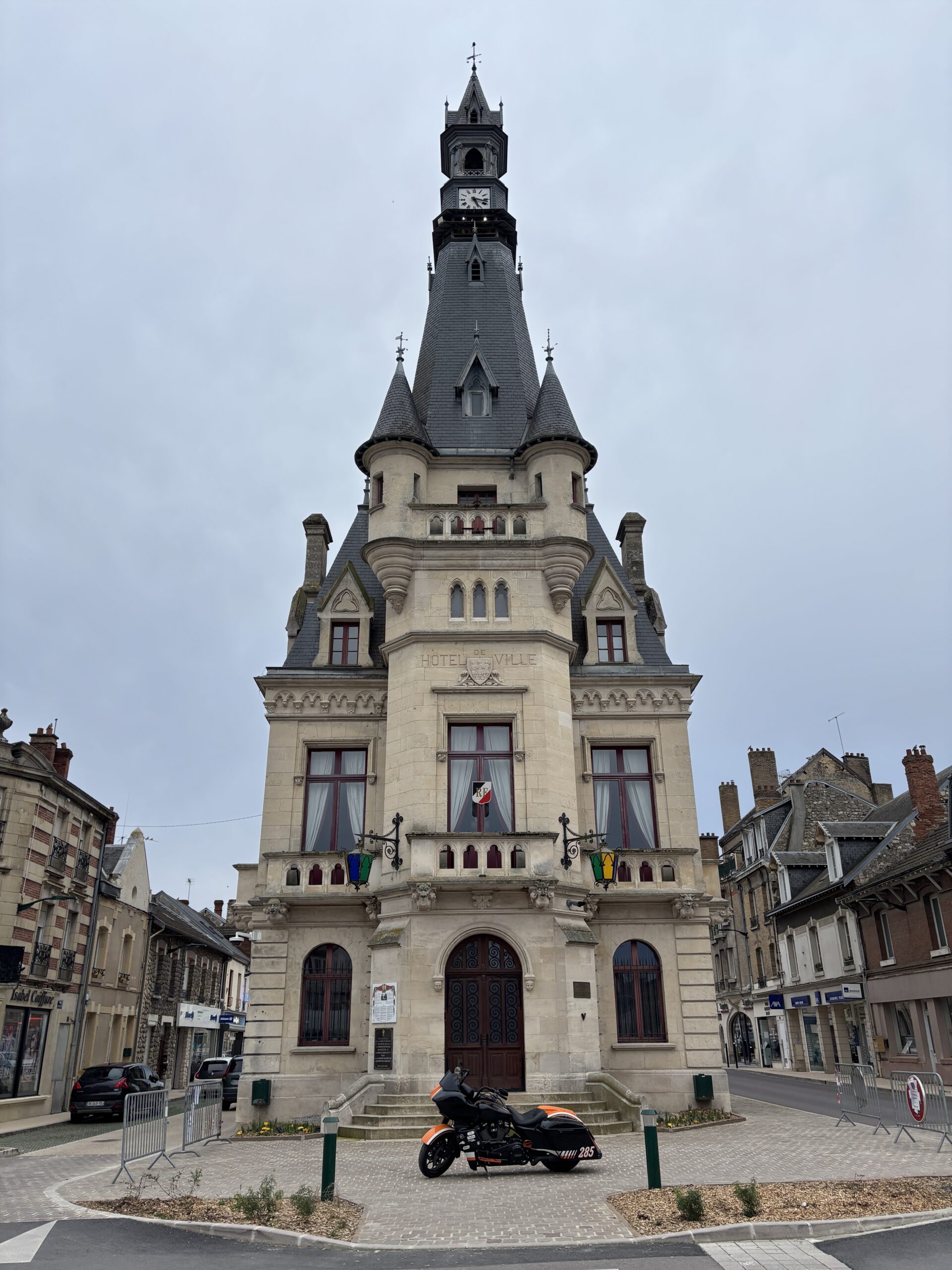
For this 750km / 470miles round trip, my first stop was in front of the magnificent town hall of the small town of FISME.
Stopping in this town was not by chance. I absolutely wanted to visit the famous local WWII museum to see what new restoration project of old machines the owners were managing (remember: RIDE TO THE NEW WAR MUSEUM DEDICATED TO WORLD WAR TWO – Iron Trader News )/
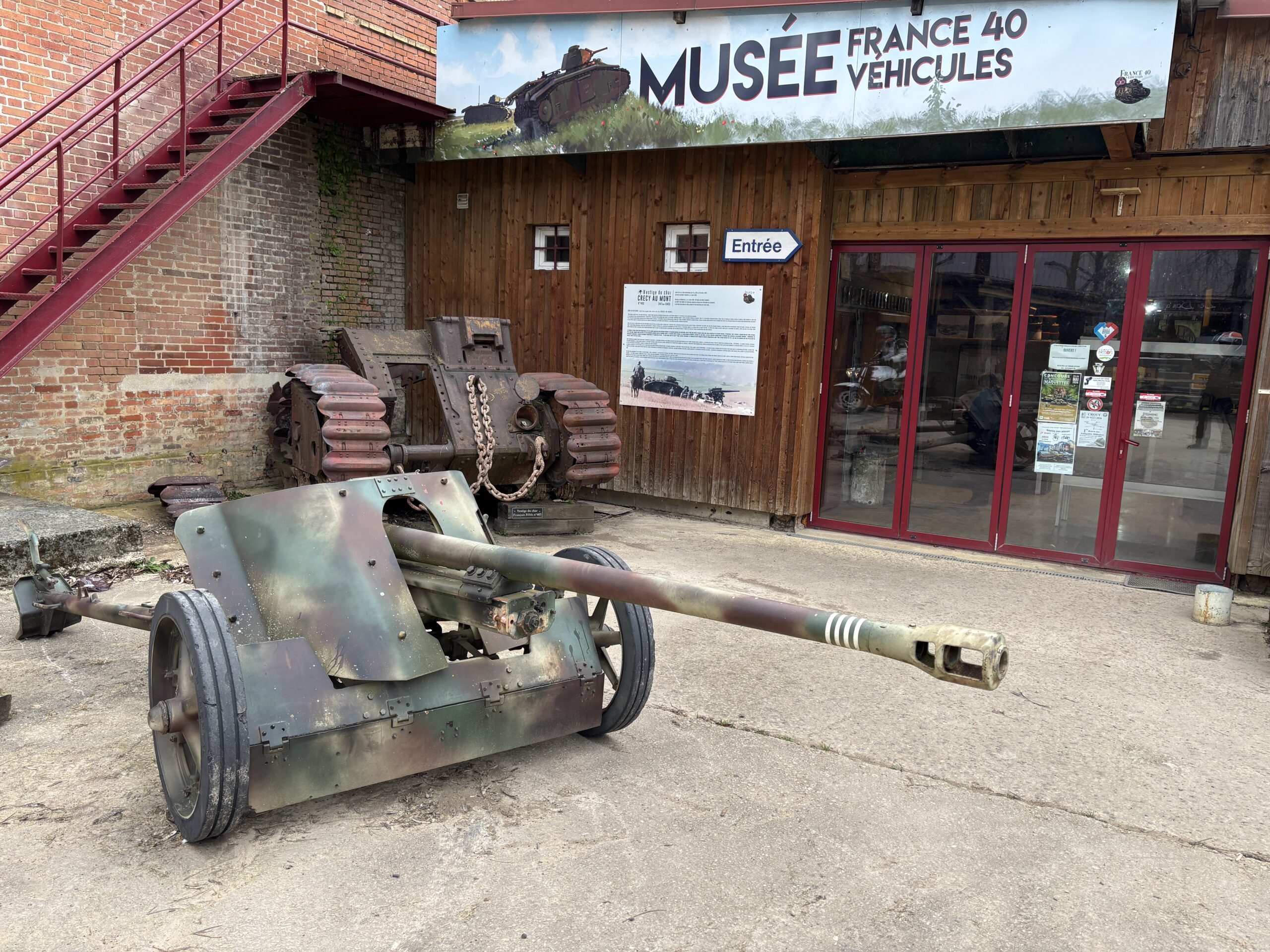
And lucky me, I was not disappointed!!!
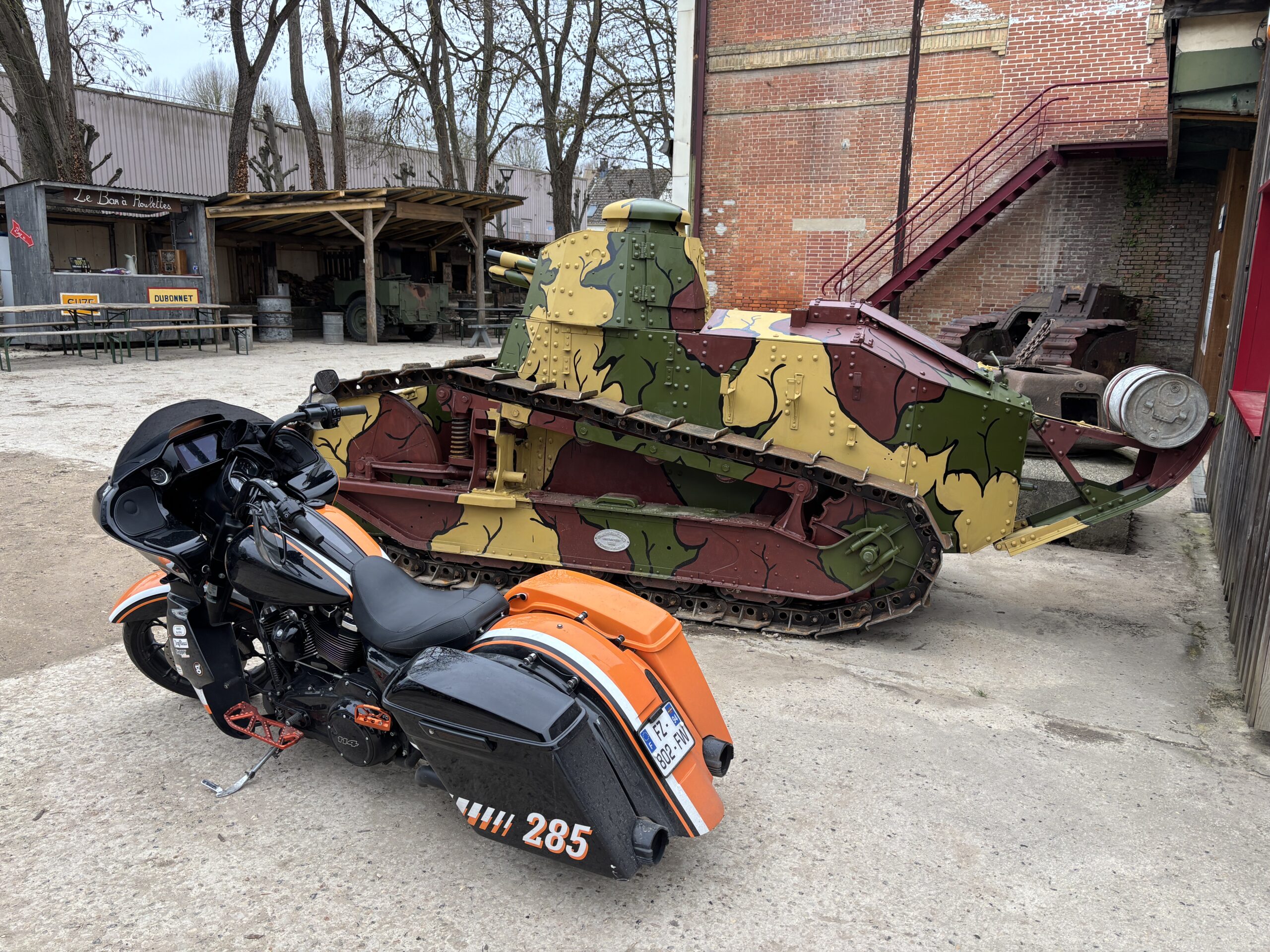
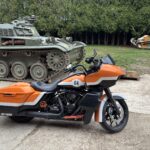
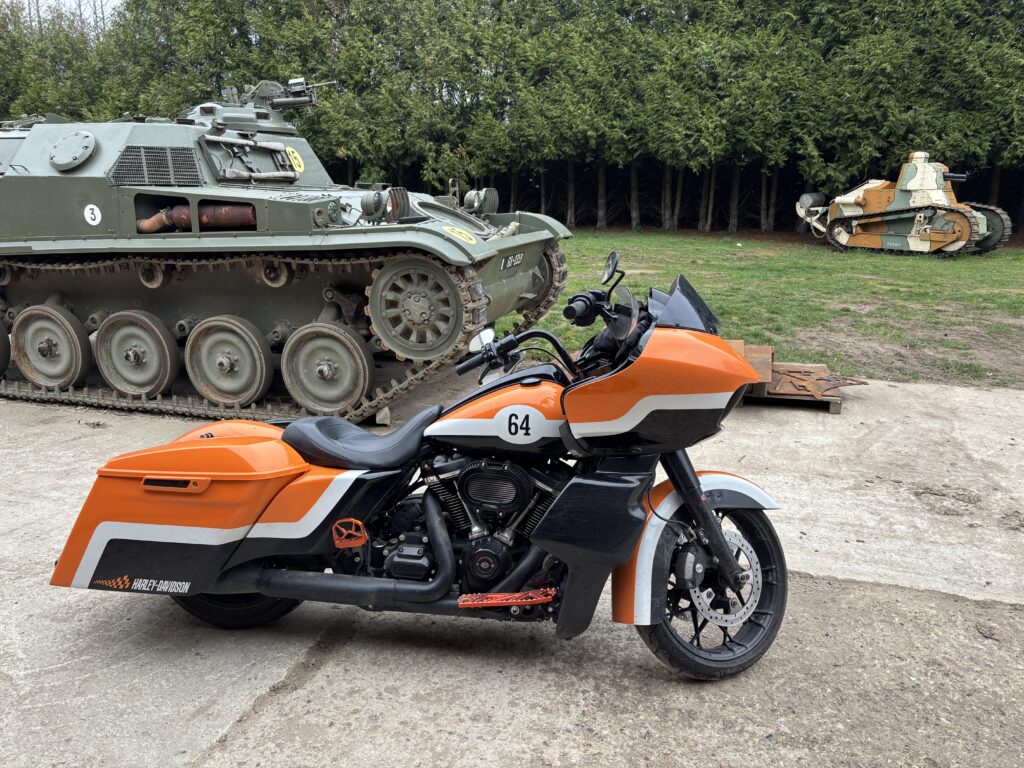
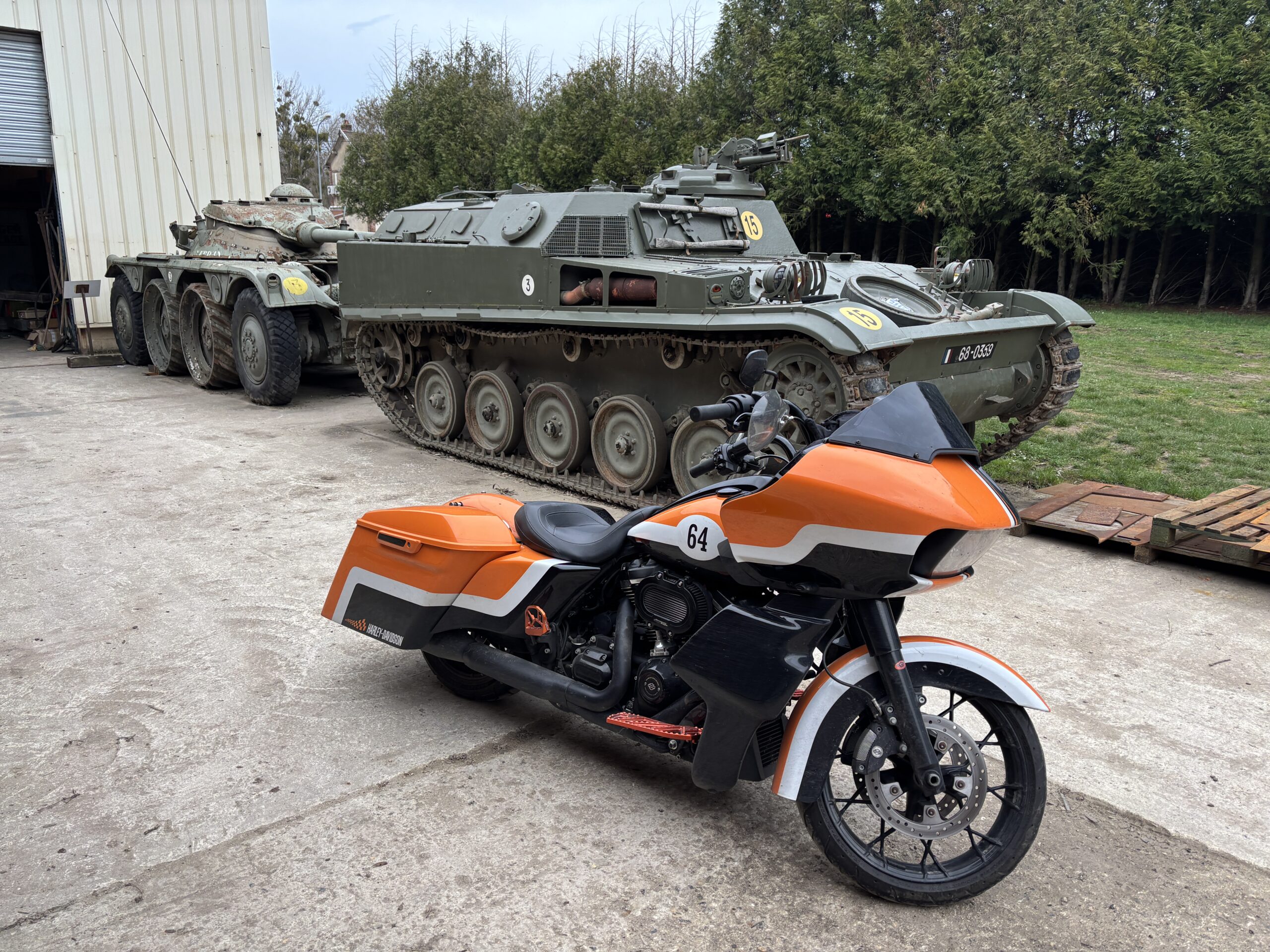
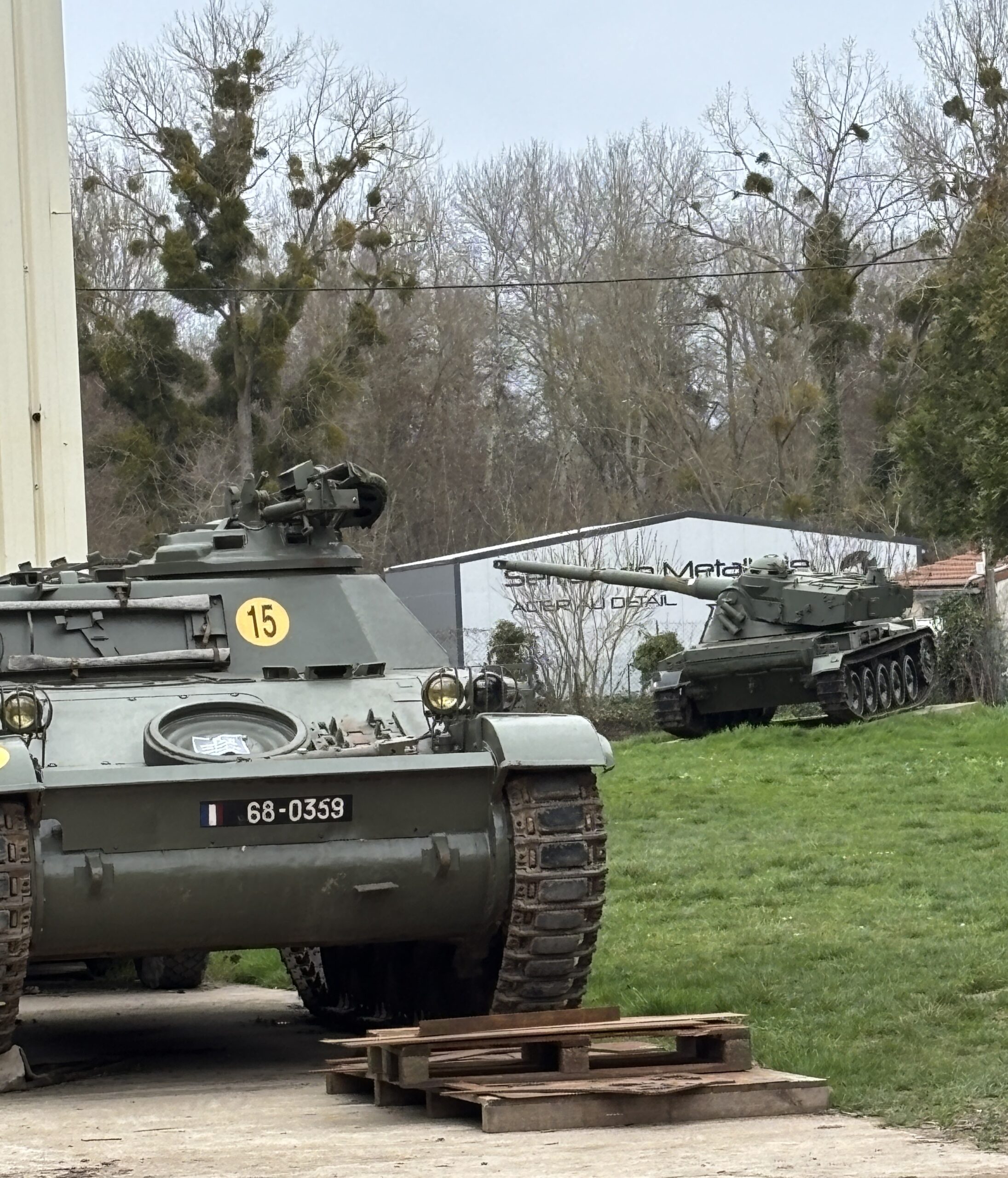
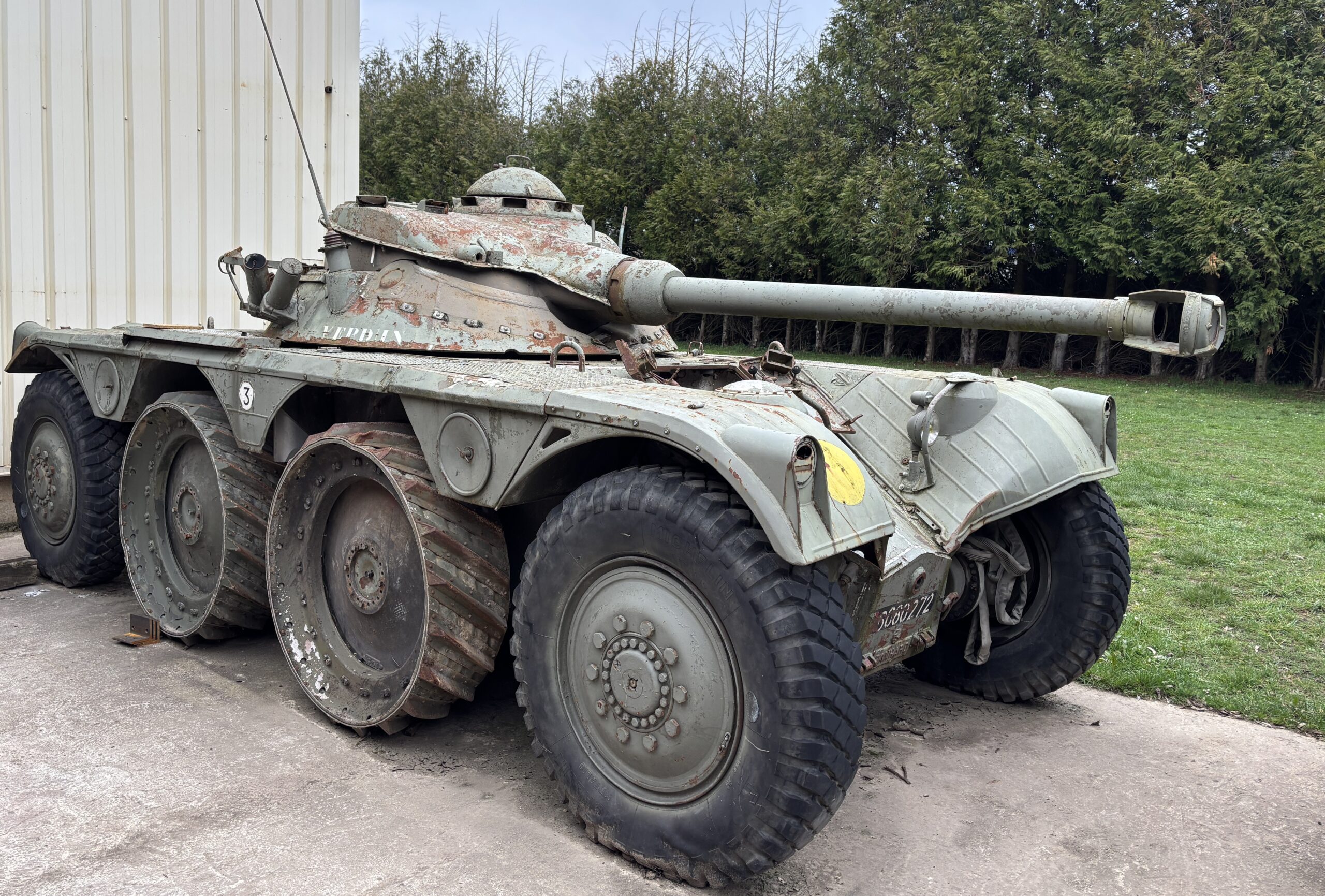
What is fabulous when you enter this place is that you can park right in the middle of the old tanks.
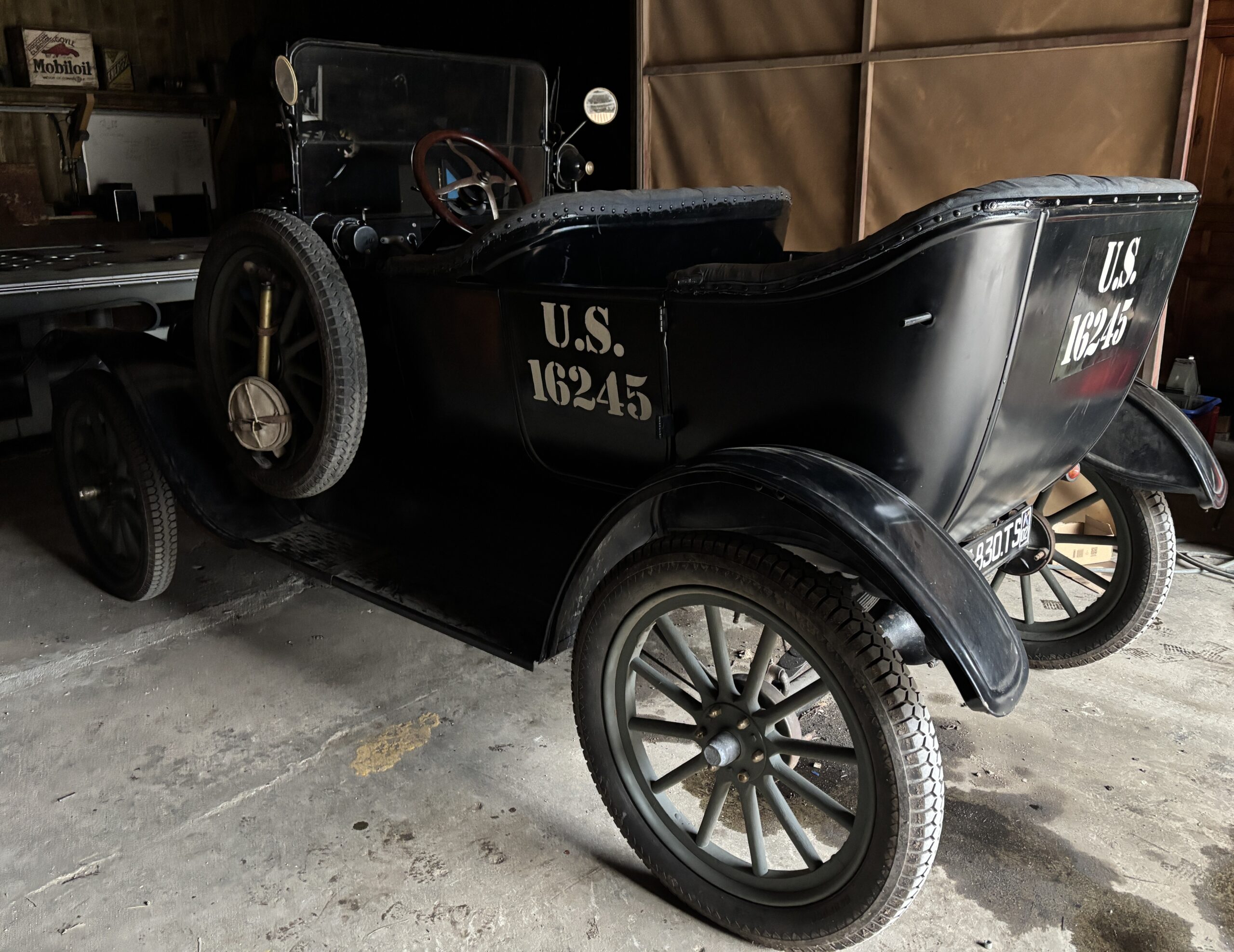
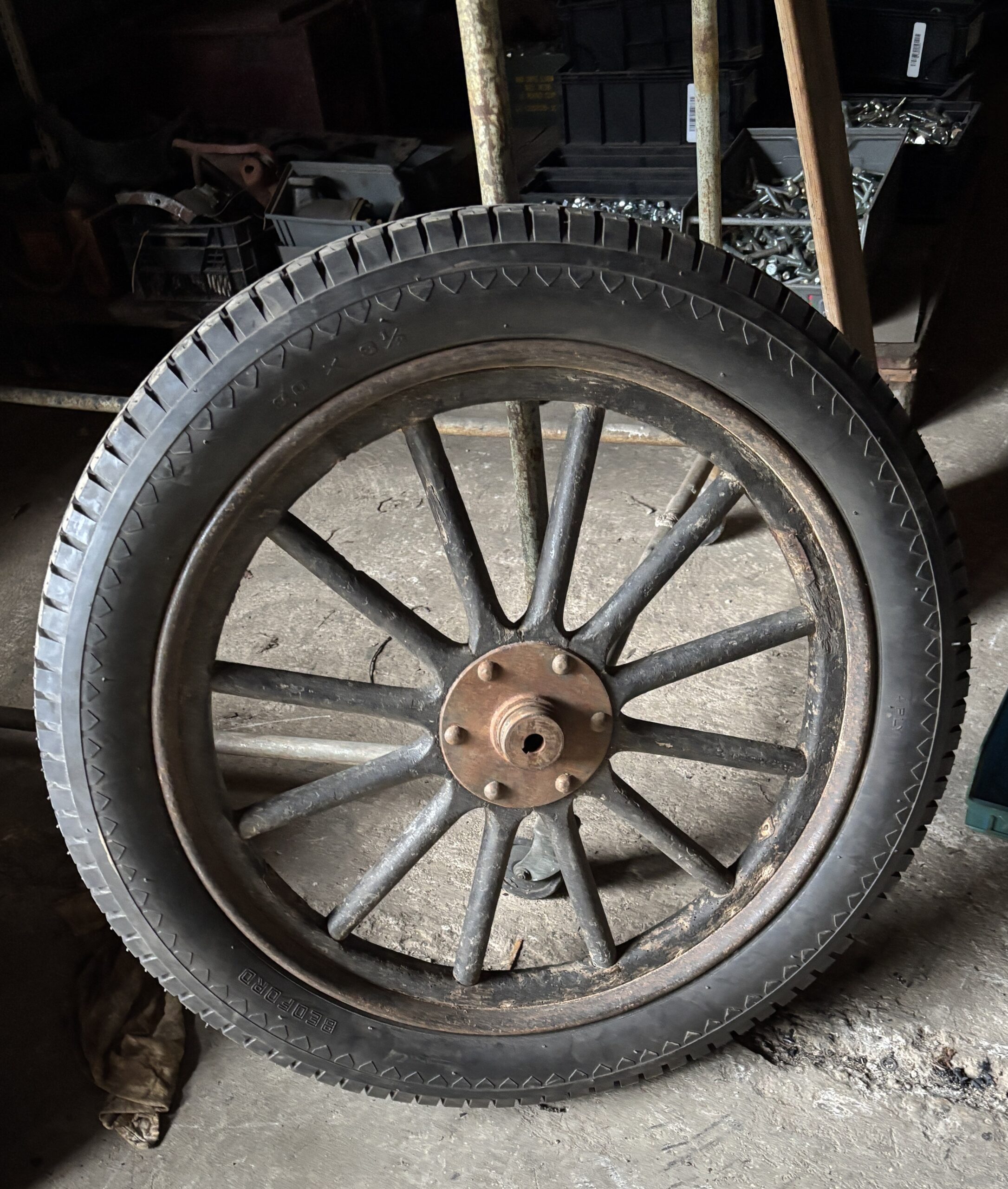
And … have a free access to the workshop where treasures are waiting to be restored.
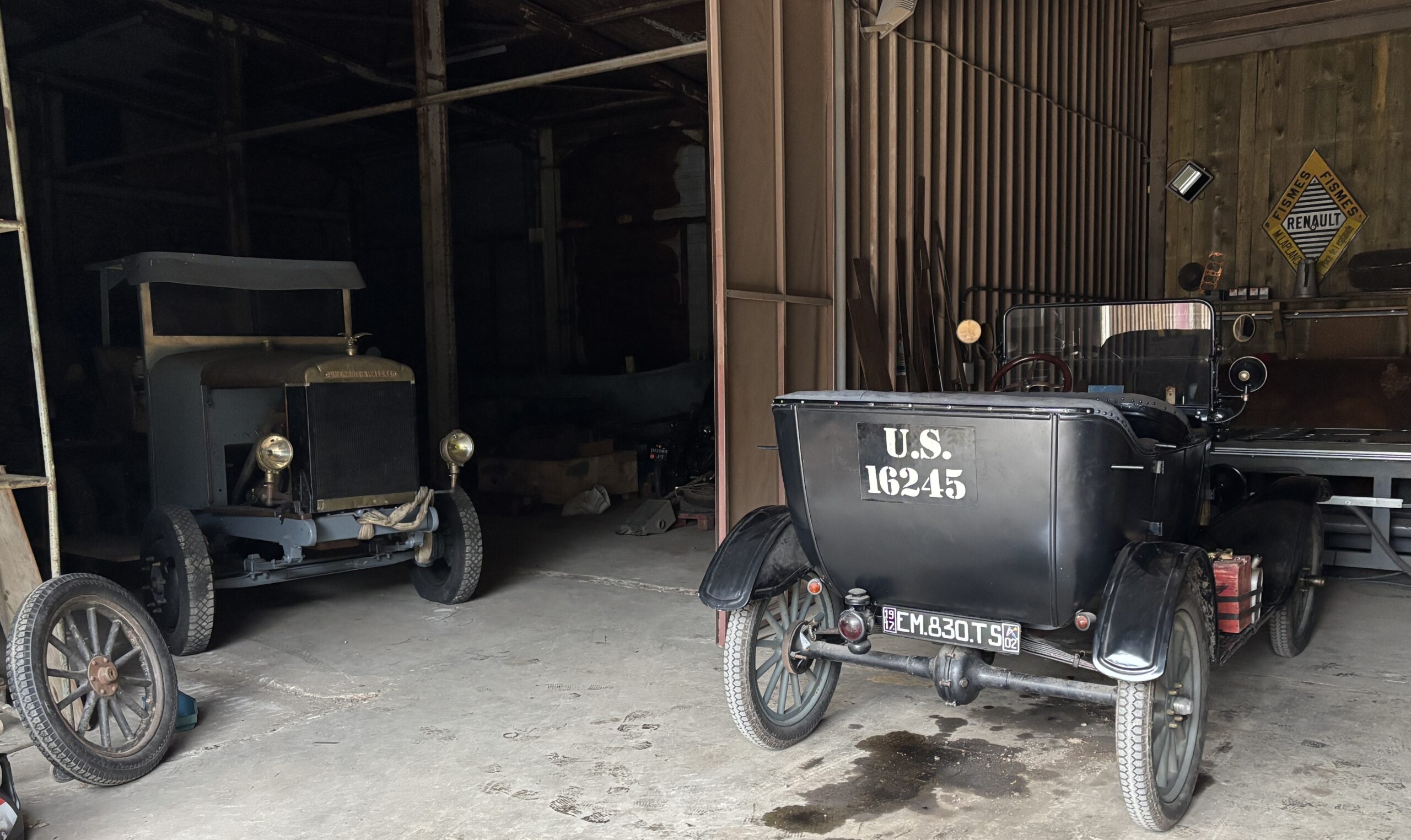
Once again, I was given the opportunity to see old, rare, and incredible machines in an almost perfect working condition.
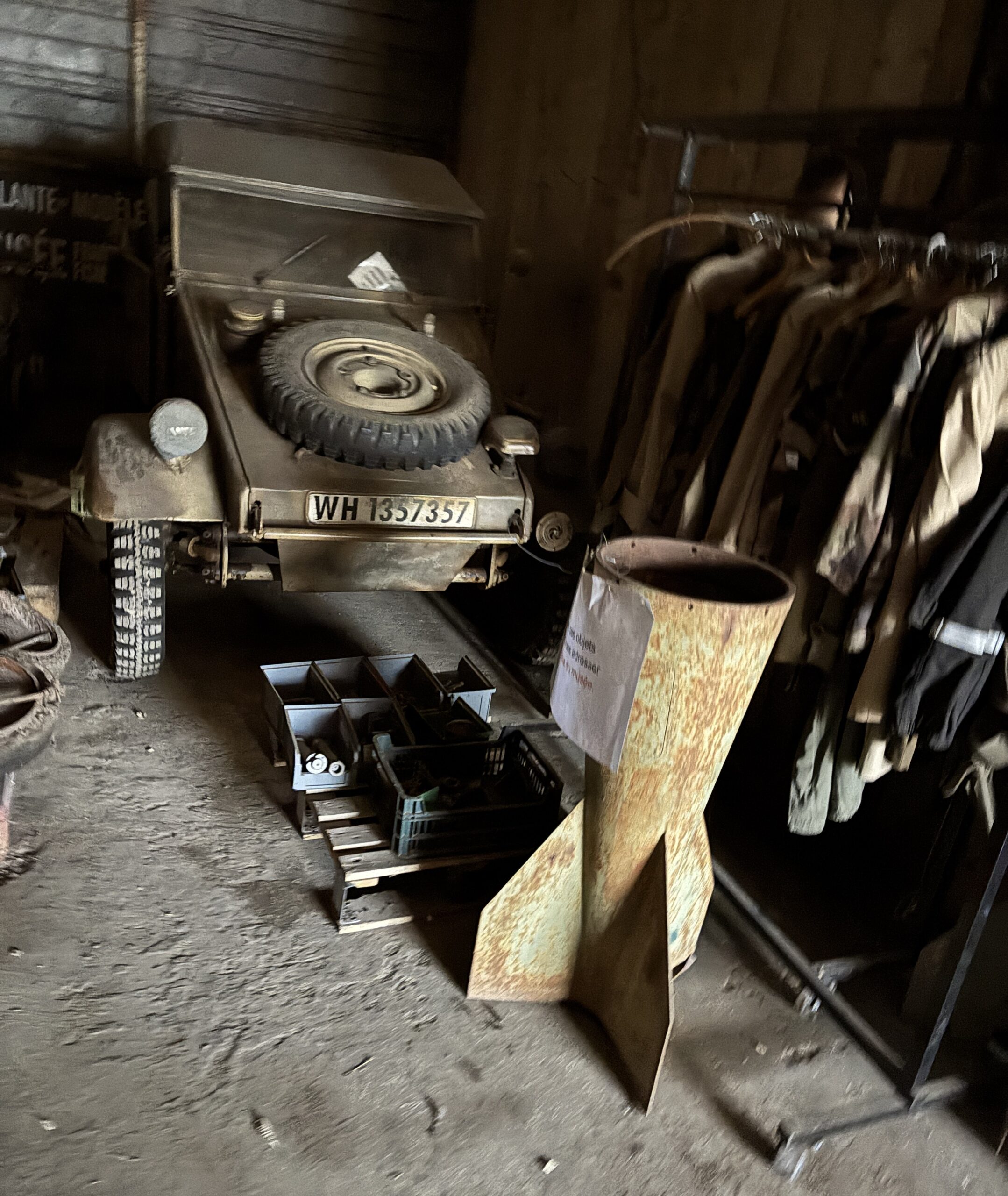
In particular, hiden deep in the workshop, a german Volkswagen Type 82 Kübelwage waiting for its turn to be restored. This Kübelwagen or simply Kübel, contractions of the original German word Kübelsitzwagen (translated: ‘bucket-seat car’ — but when the contractions are translated literally a back-formation of ‘bucket’ or ‘tub’-car results), is a military light utility vehicle designed by Ferdiand Porsche himself and built by Volkswagen during WWII for use by the Nazi German military (both Wehrmacht and Waffen SS). Based heavily on the Volkswagen Beetle, it was prototyped and first deployed in Poland as the Type 62, but following improvements entered full-scale production as the Type 82.
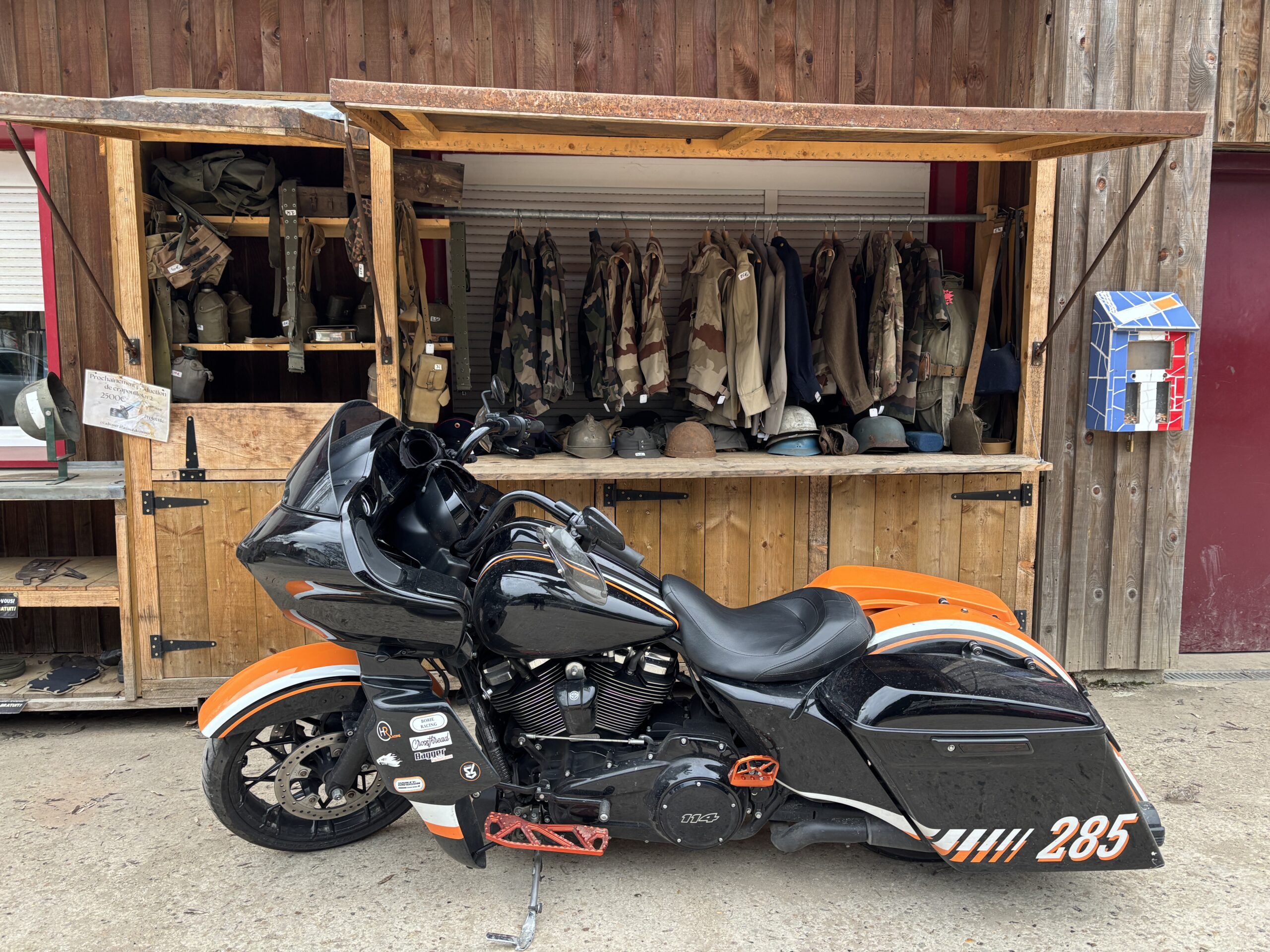
And if, in any case, as WW renactor you need a new period uniform, you can buy some items to satisafy your appetite for military history.
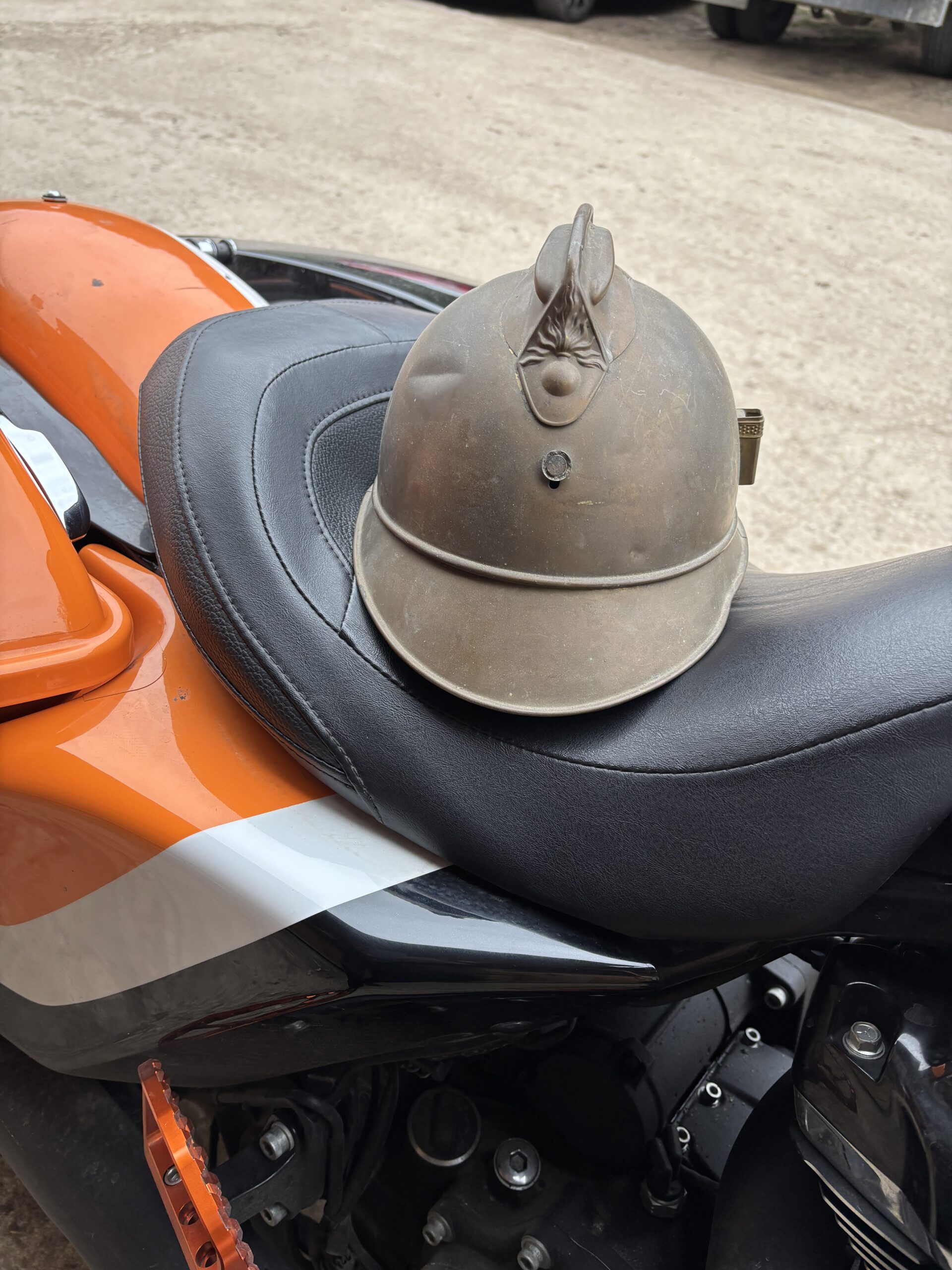
Even an helmet that fits perfectly on your beloved motorcycle.
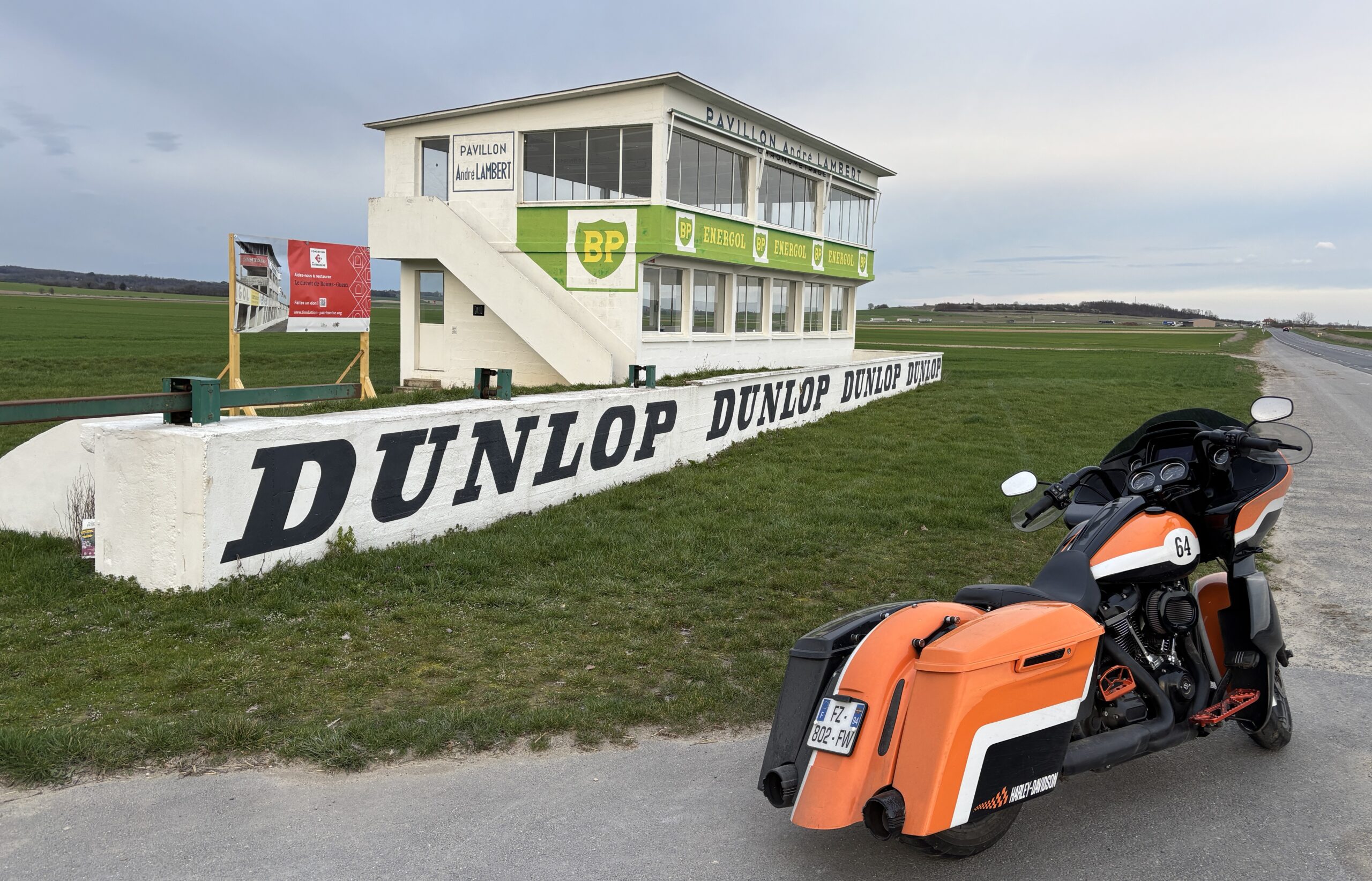
Ok, it was time to get back on the road, to make a stop at the gosth track in GEUX (see: NOVEMBER RIDE TO THE GHOST CIRCUIT – Iron Trader News).
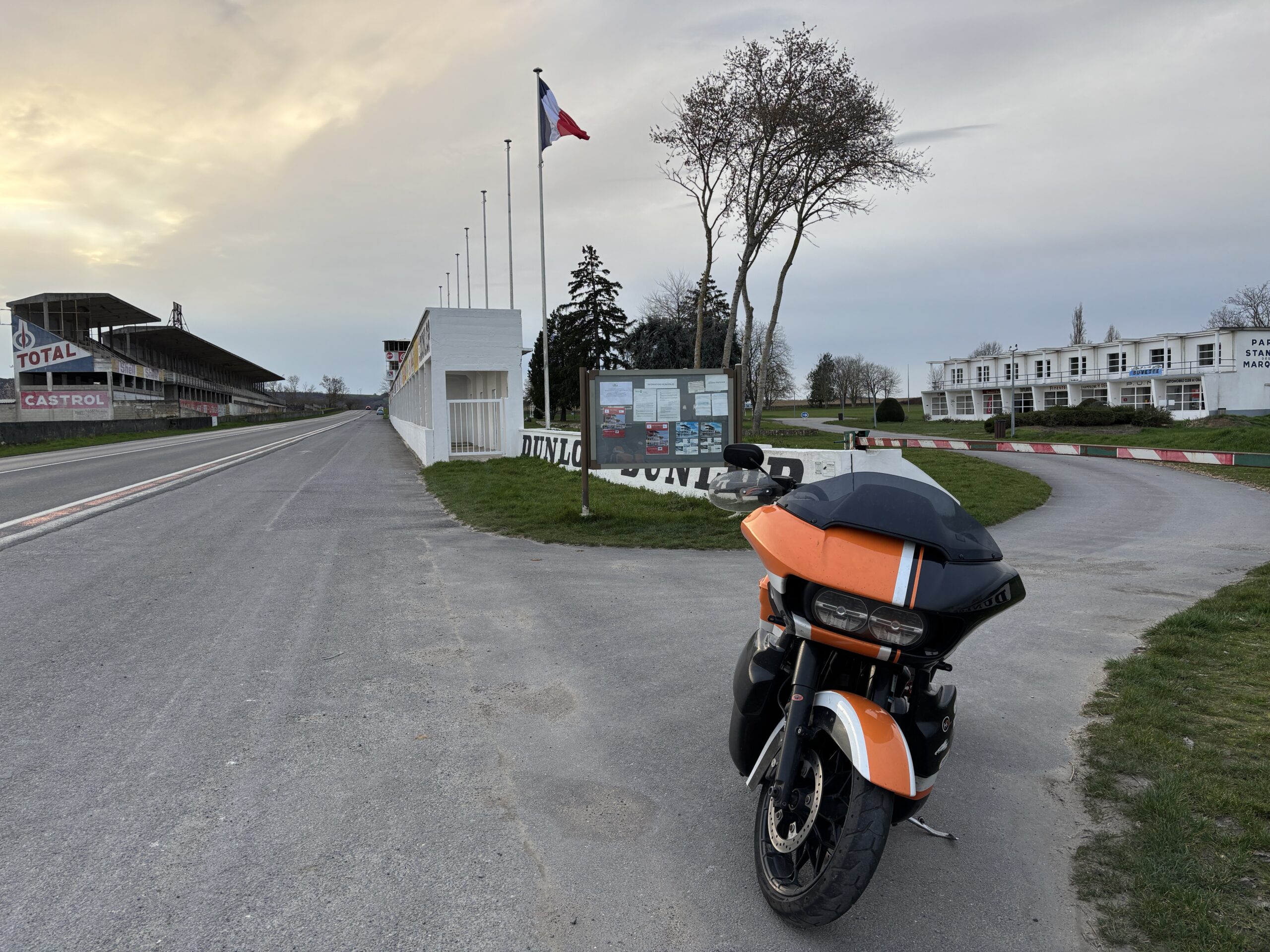
And take some nice photos.
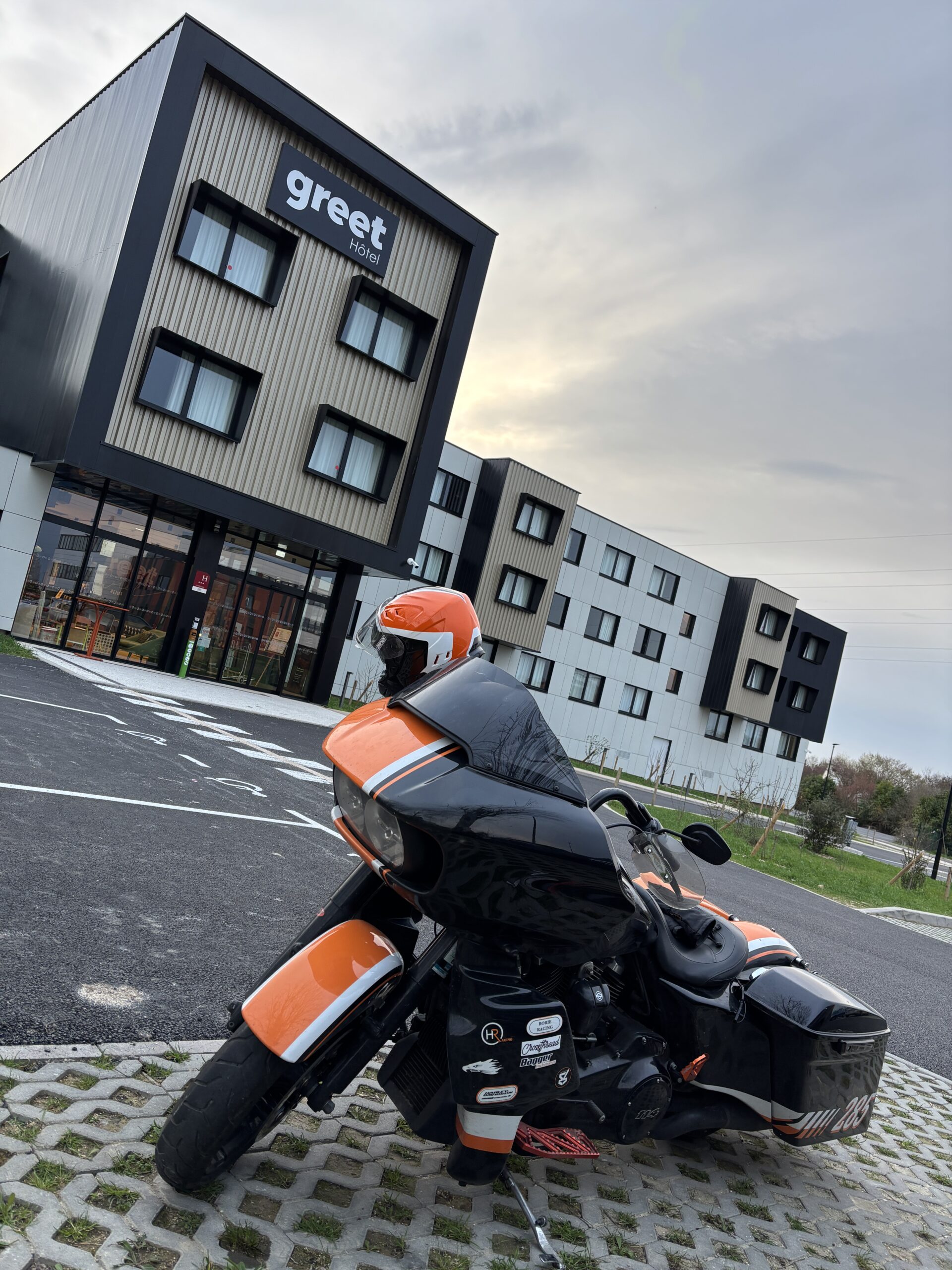
As night fell, the next step was to find a good hotel. Yes, a hotel! I don’t know why, but for years, because I ride a Harley Davidson motorcycle, people always ask me if I sleep outside when I travel, under the sky, wrapped in a Mexican blanket. I don’t know what world they live in, but it has always surprised me and made me laugh. I am definitely (and have always been) a tough long-distance biker who sleeps in a very good bed in a (modern) hotel!
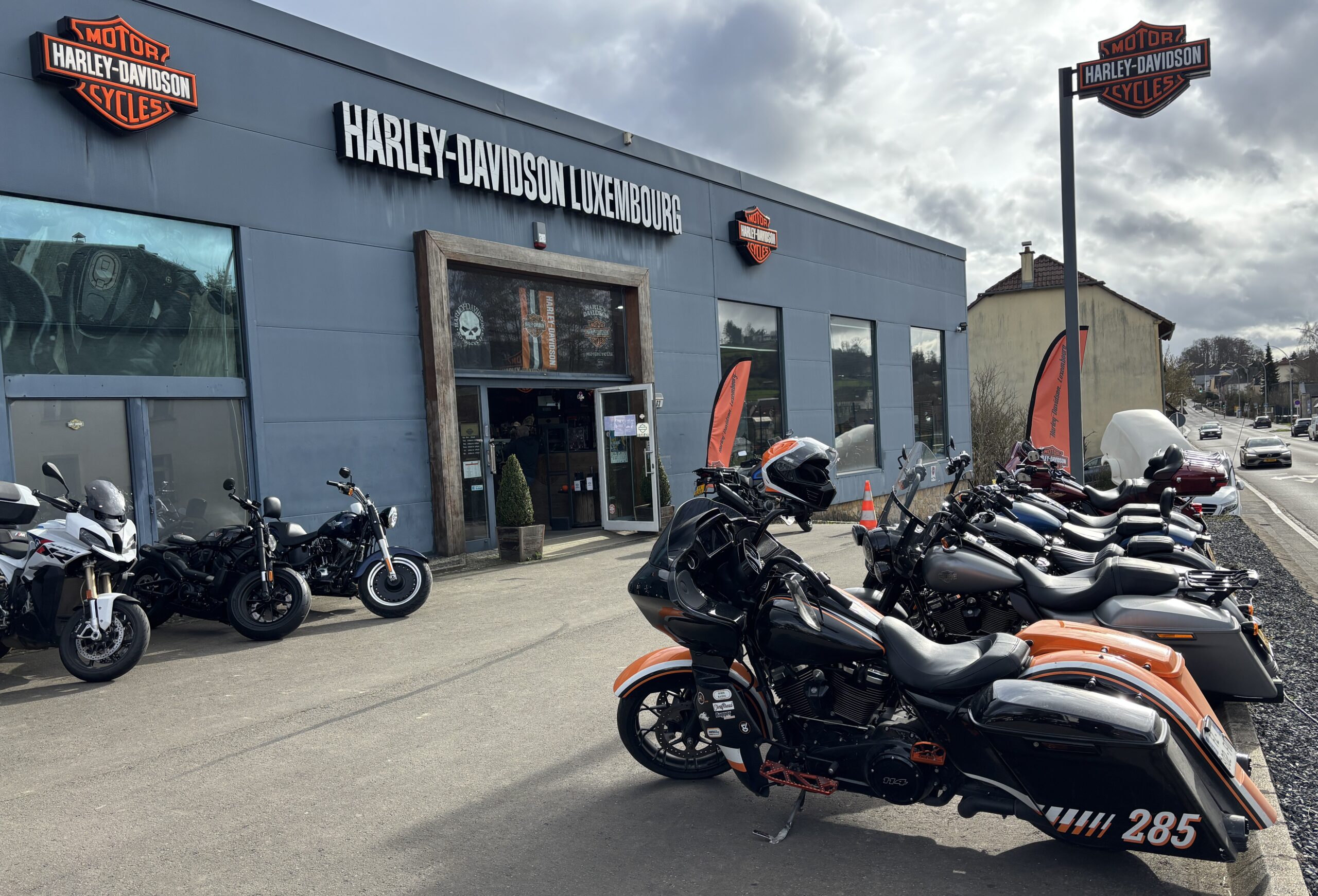
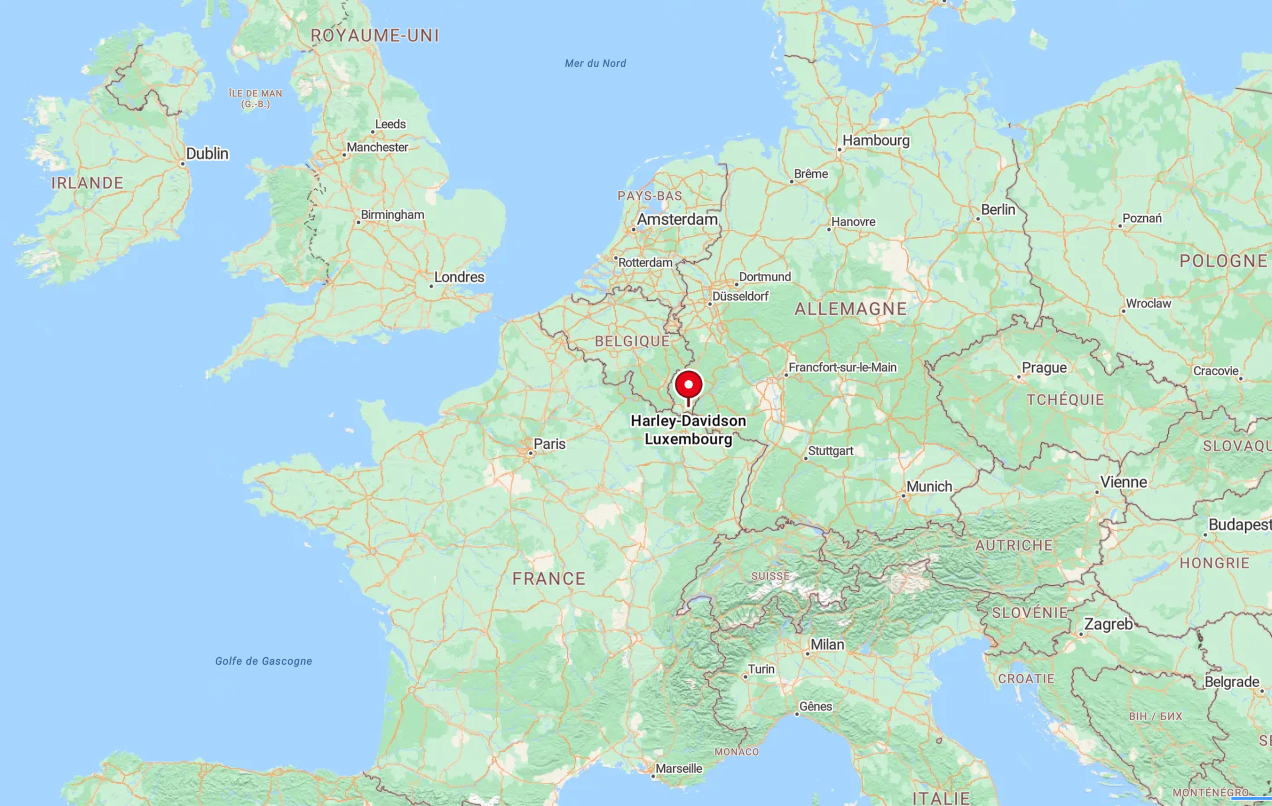
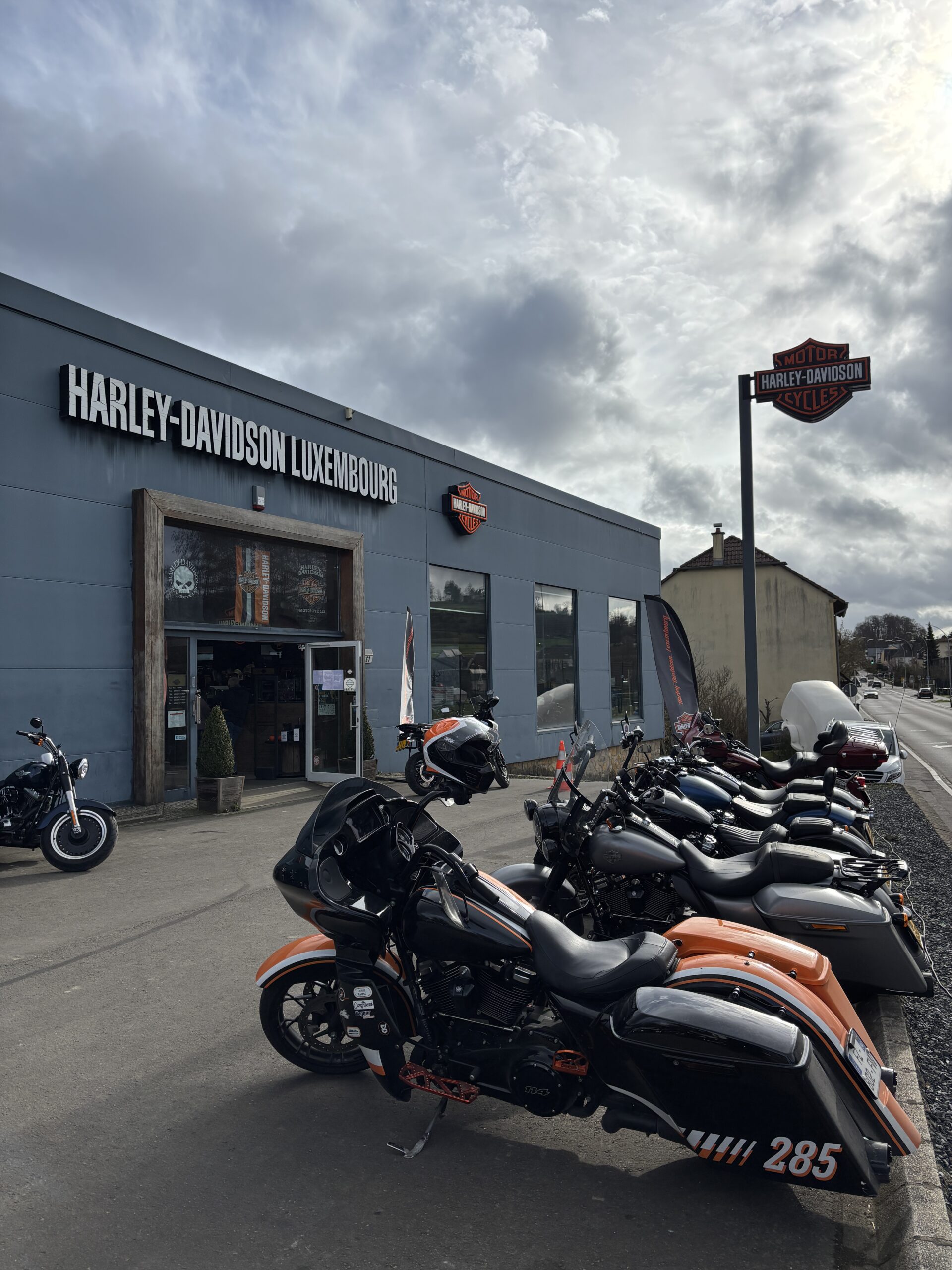
The next day, a 300 km / 190 miles ride allowed me to reach Harley Davidson Luxembourg in the small town of MOUTFORT (see: Site officiel Harley-Davidson | Harley-Davidson LU).
Pleasant welcome …
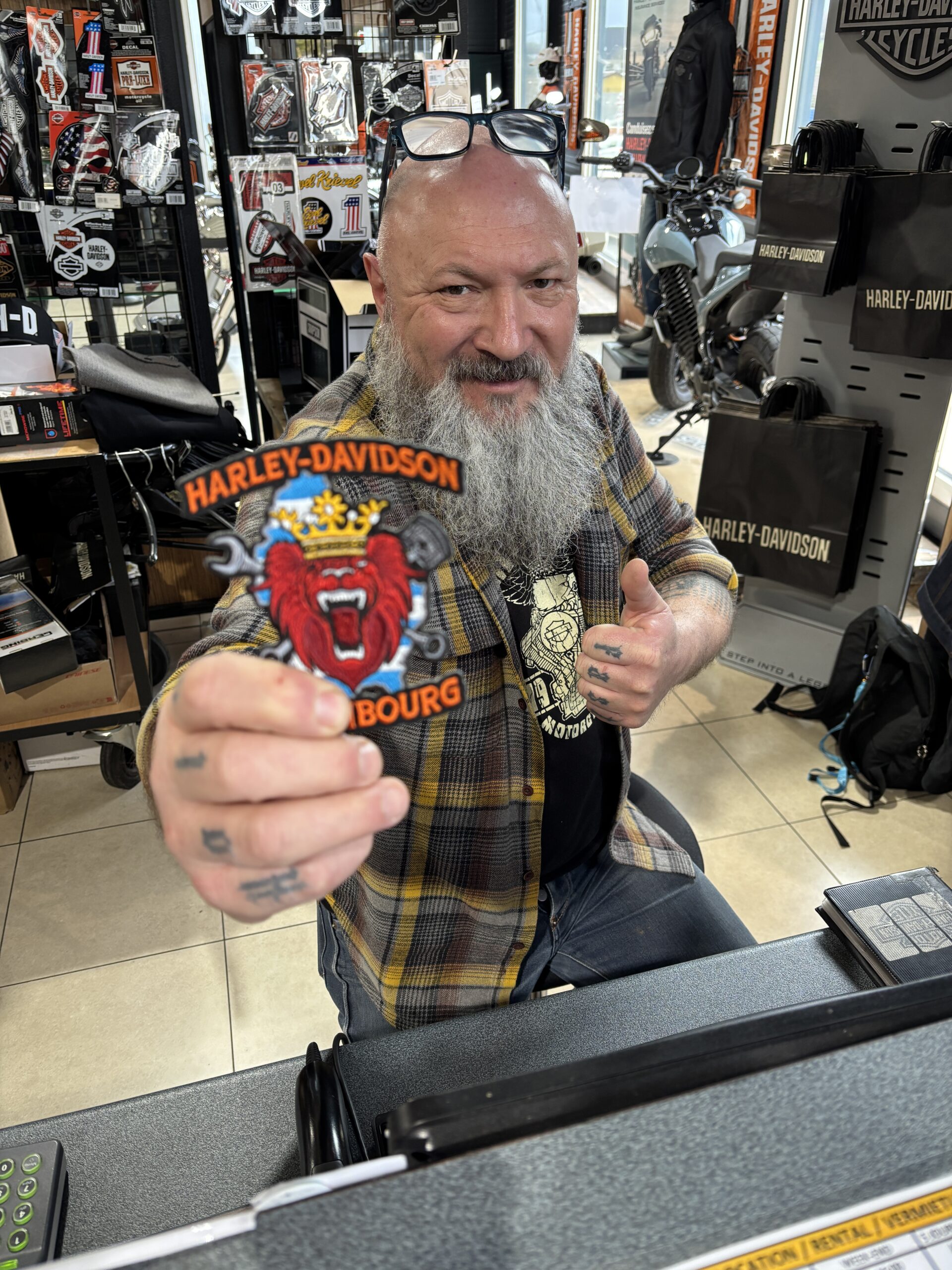
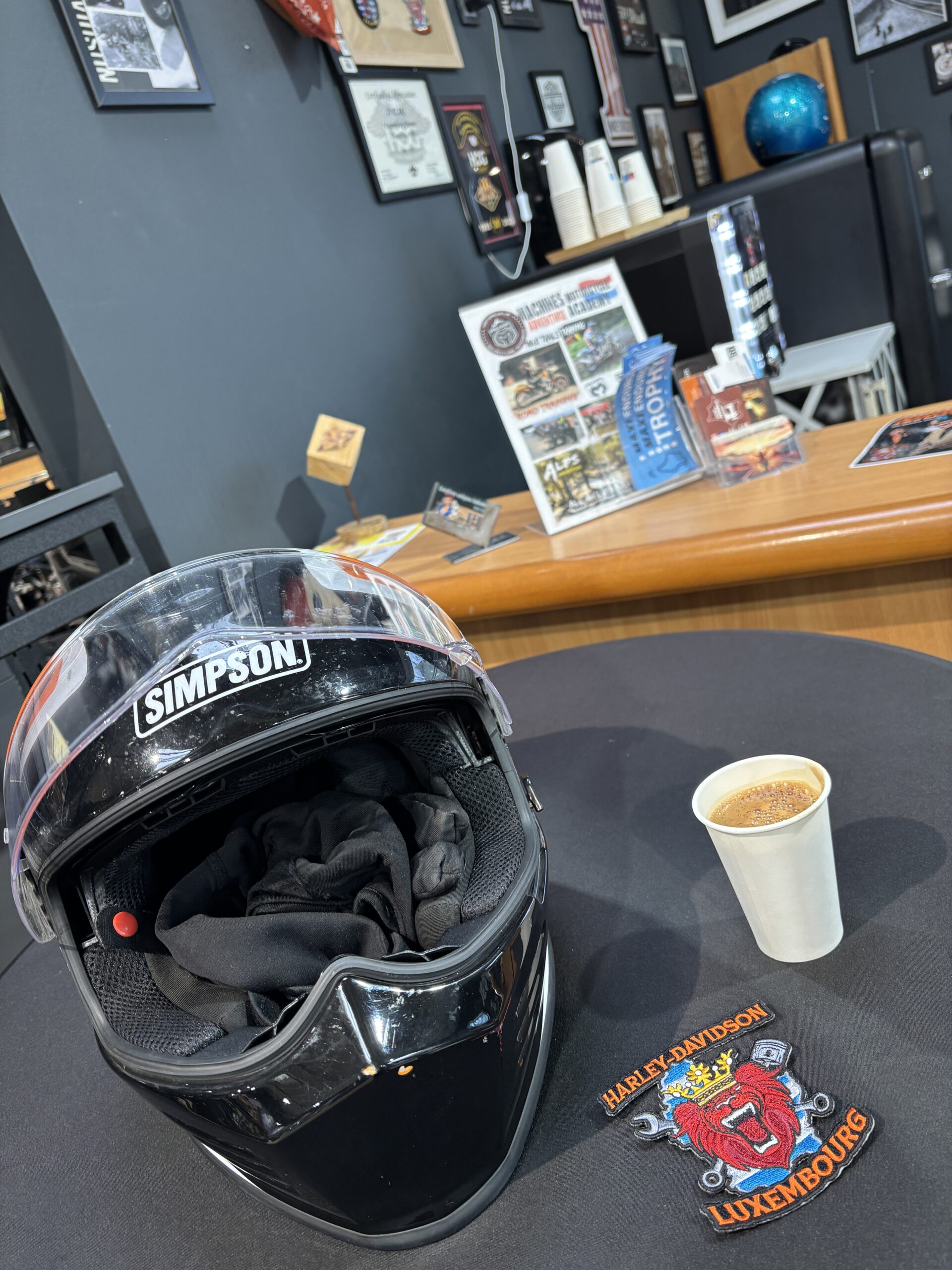
… and free coffee!
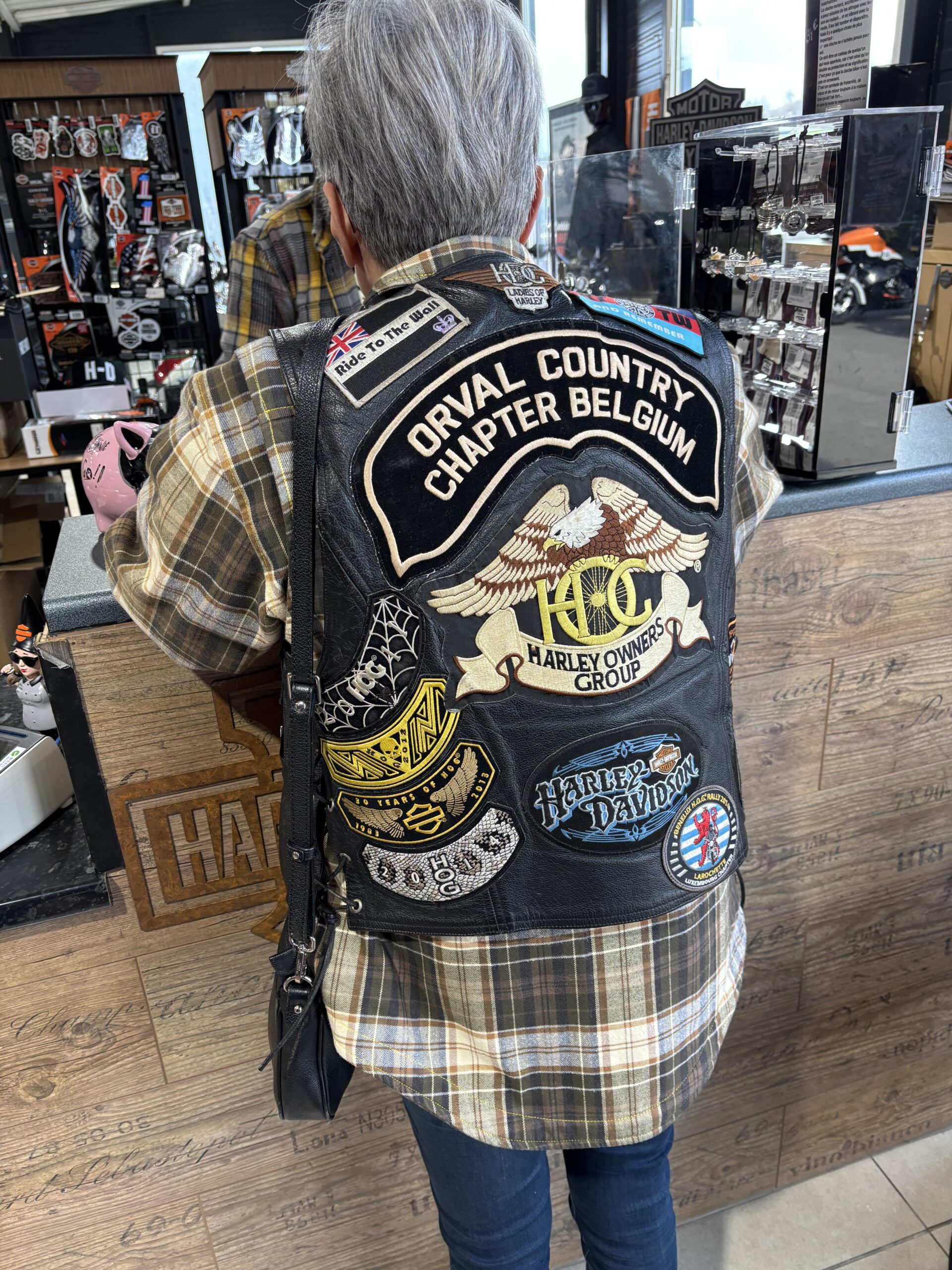
Some Belgian HOG chapter members were there too buying some stuffs. Belgium and Luxembourg share a border. The distance between th eBelgian capital,Brussels, and the Luxembourgish capital city is only 140km / 87 miles.
After about an hour talking with the local bikers, I decide to take a little ride on my motorcycle in the dowtown of the capital which was at least than 20mns.
Luxembourg, officially the Grand Duchy of Luxembourg, is a landlocked counrtry in Western Europe. It is bordered by Belgium to the west and north, Germany to the east, and France on the south.

Its capital and most populous city, Luxembourg City, is one of the four institutional seats of the European Union and hosts several EU institutions, notably the Court of Justice of the European Union, the highest judicial authority in the EU.
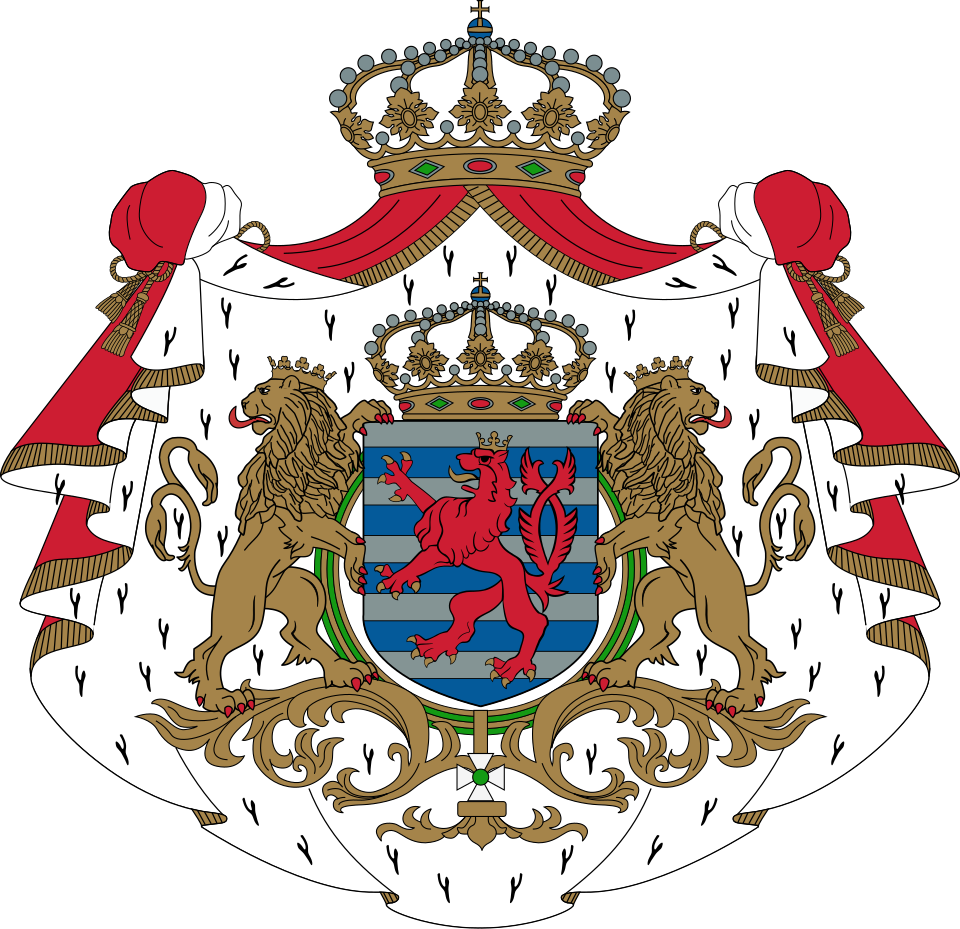
As part of the Low Countries, Luxembourg has close historic political and cultural ties to Belgium and the Netherlands. Luxembourg’s culture, people, and languages are greatly influenced by France and Germany: Luxembourgish, a Germanic language, is the only recognized national language of the Luxembourgish people and of the Grand Duchy of Luxembourg; French is the sole language for legislation; and both languages along with German are used for administrative matters.
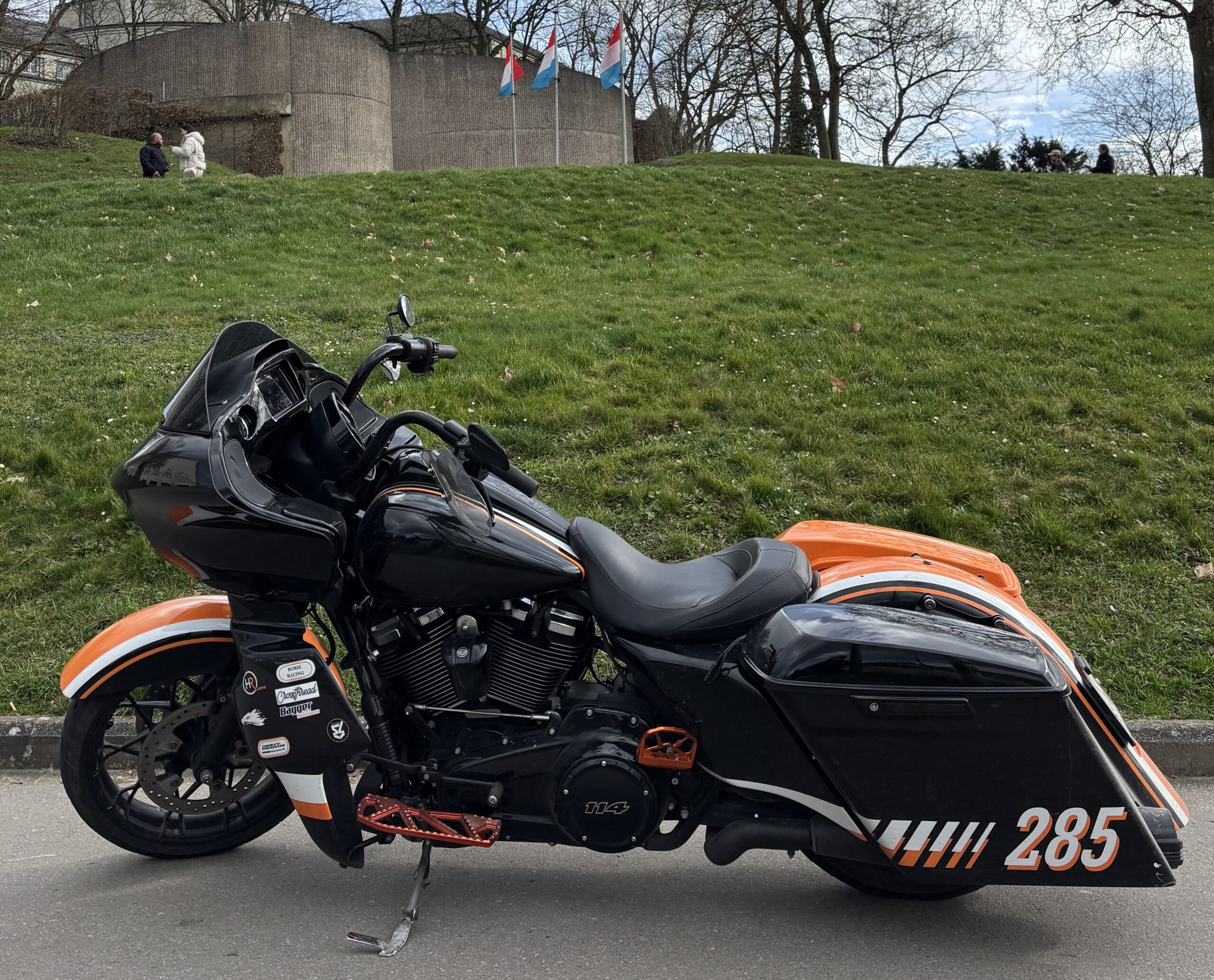
With an area of 2,586 square kilometers (998 sq mi), Luxembourg is Europe’s seventh-smallest country. In 2025, it had a population of 690,947, which makes it one of the least-populated countries in Europe, albeit with the highest population growth rate; foreign nationals account for almost half the population. Luxembourg is a representative democracy headed by a constitutional monarch, Grand Duke Guillaume V, making it the world’s only remaining sovereign grand duchy.
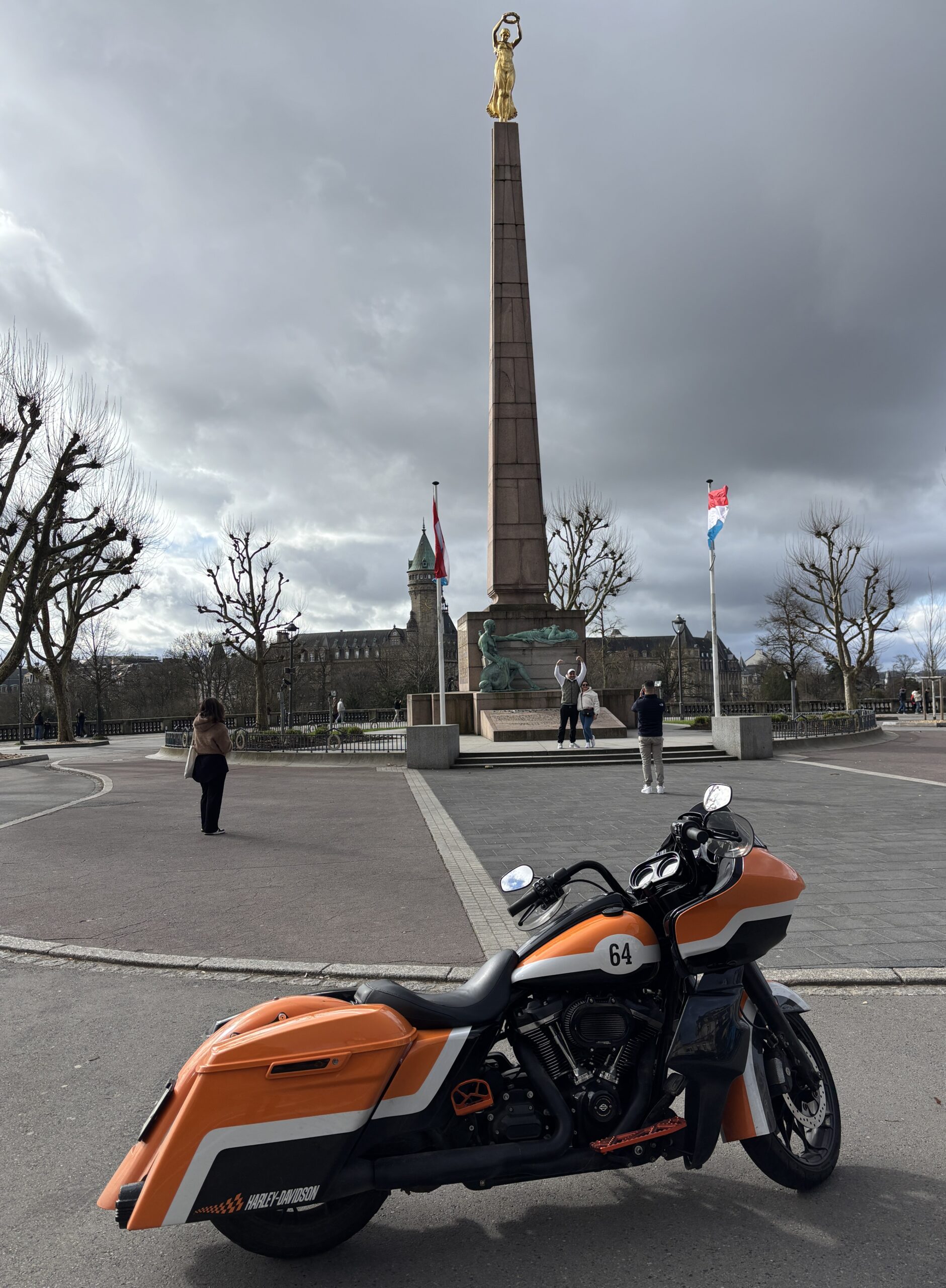
I didn’t spend much time in the city of Luxembourg. That Saturday morning (yes, I left the house the day before in the middle of the afternoon), I had a lot of other sites that I wanted to see (or see again) in France before going back home. In particular, going up the famous Liberty Road to small village of VALMY…
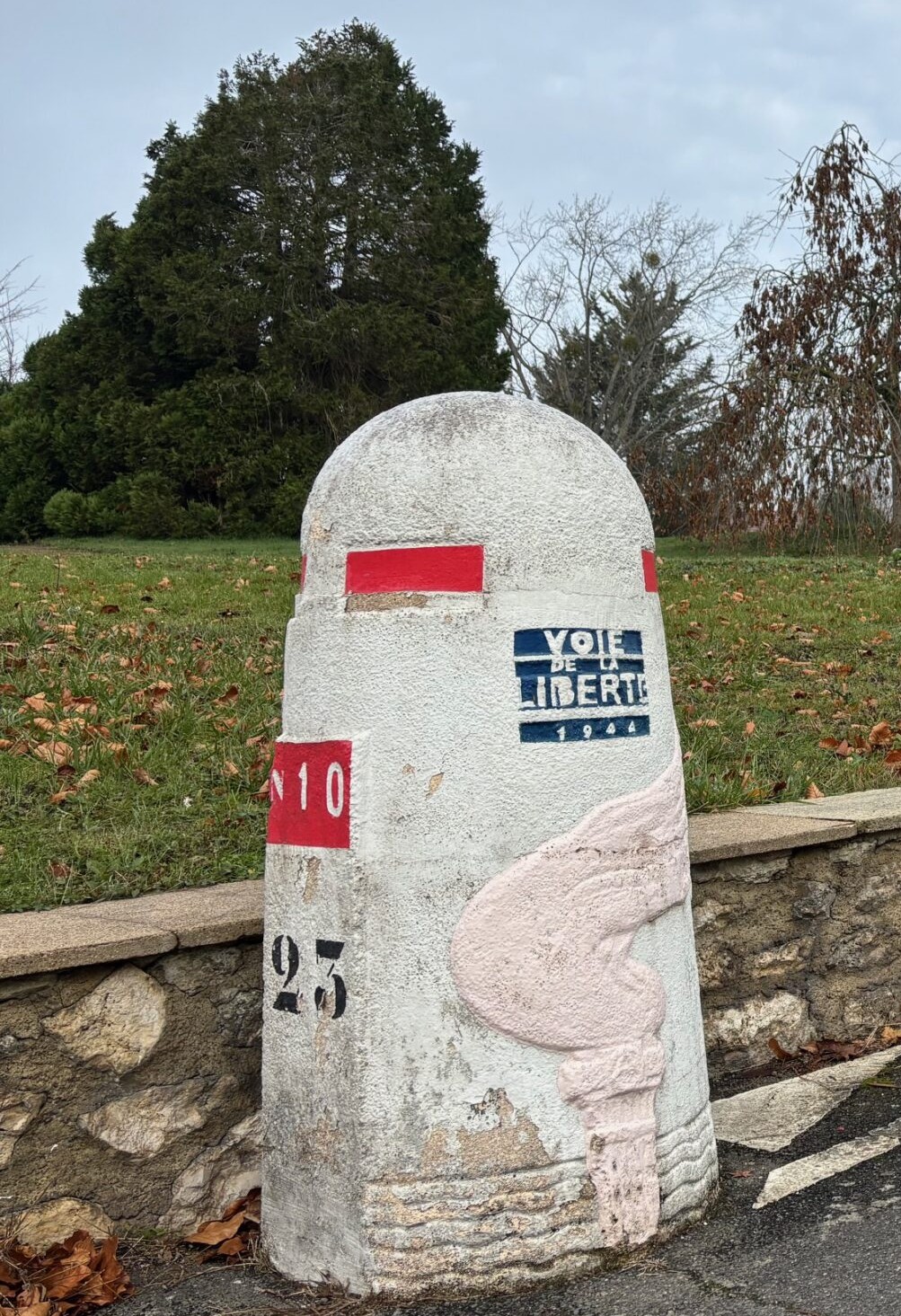
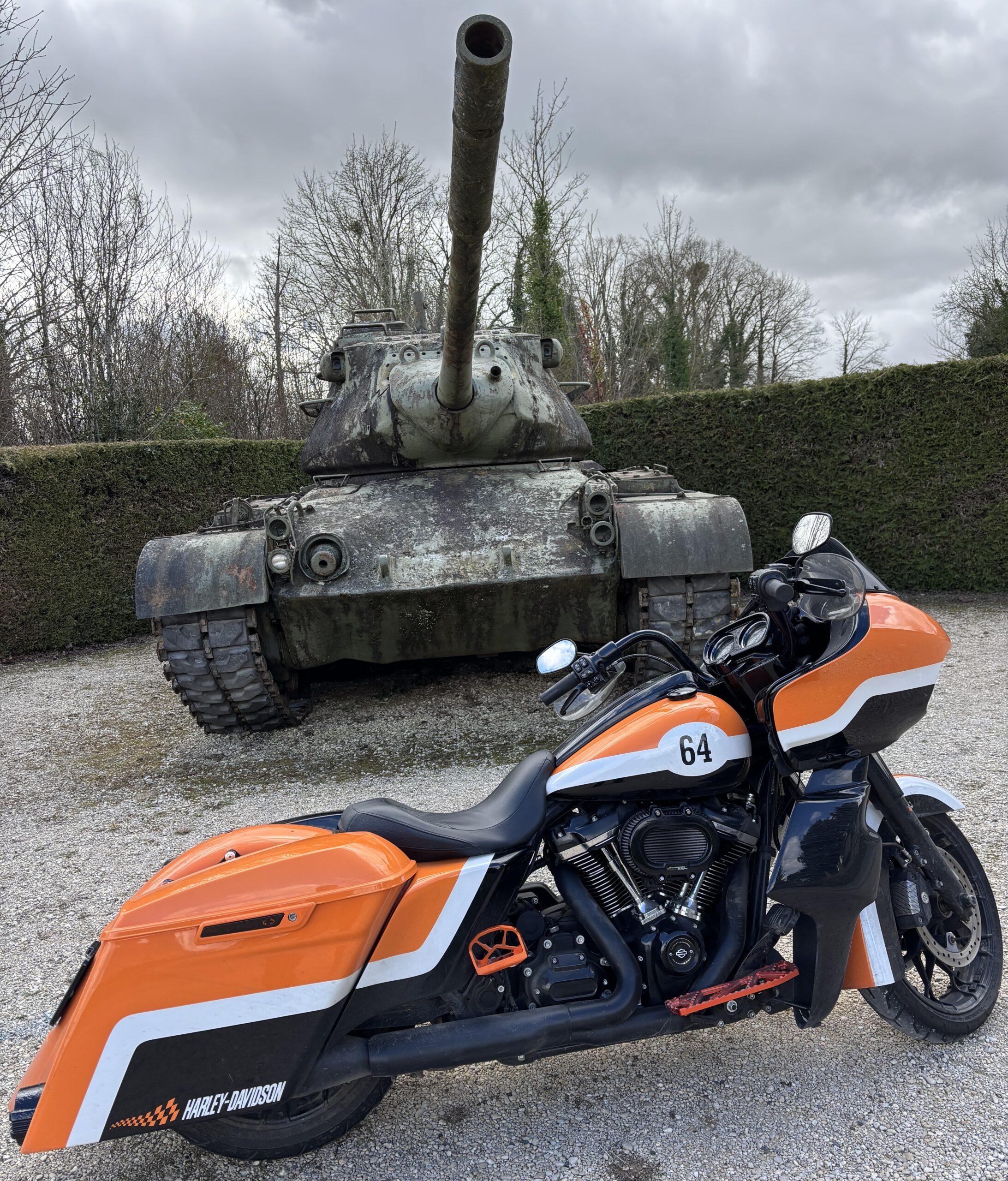
… where I wanted to photograph the old Patton tank. The Liberty Road is a route commemorating the victory of the Allies and the liberation of France, Belgium, and Luxembourg during World War II. It is marked by a series of milestone markers along the road network between Sainte-Mère-Église (milestone 0) and Utah Beach (milestone 00) in Normandy, and Bastogne in the Belgian province of Luxembourg, marking the route taken by the 3rd U.S. Army commanded by General Patton.
At the north exit of VALMY, there is the famous windmil.
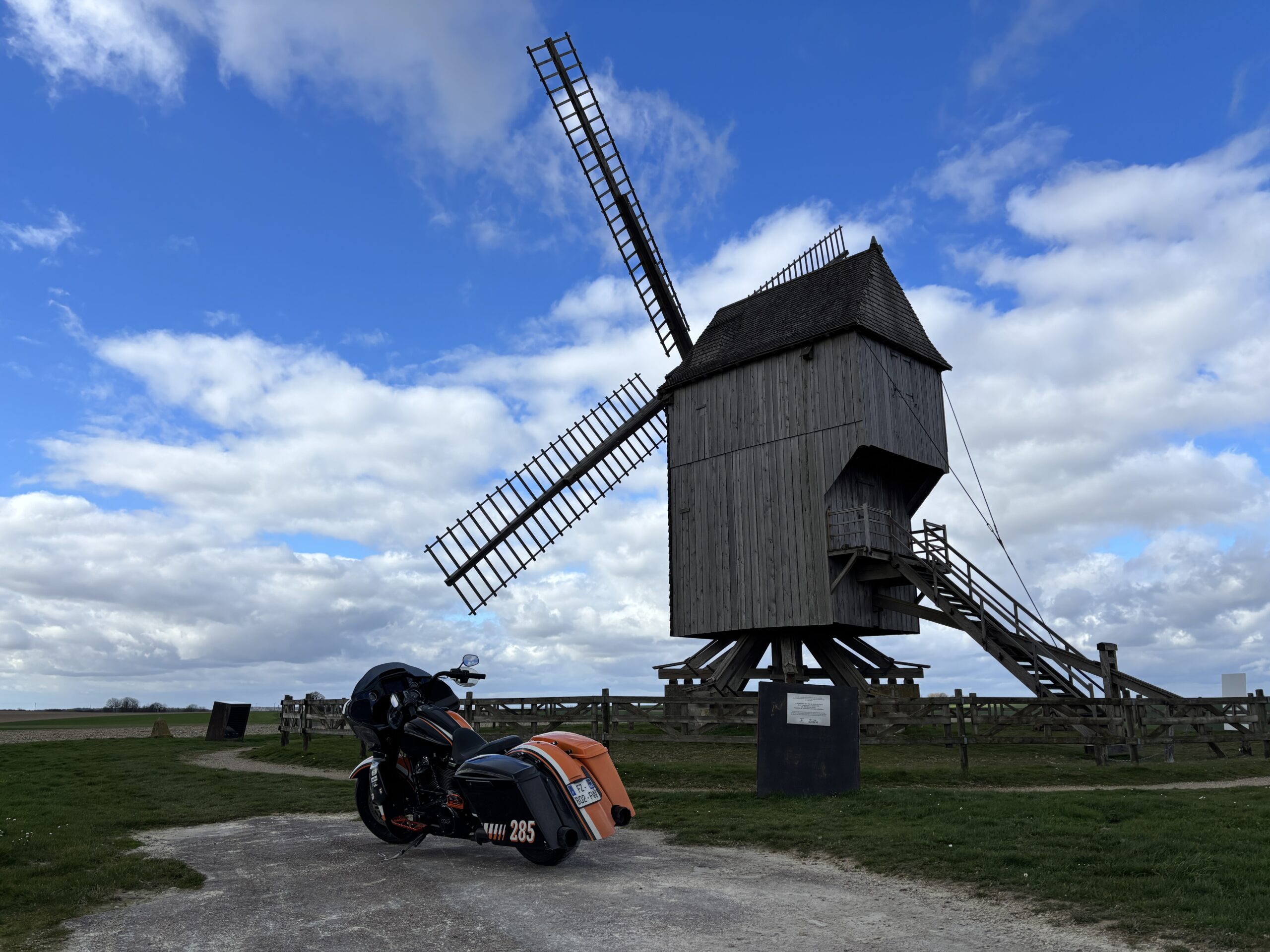
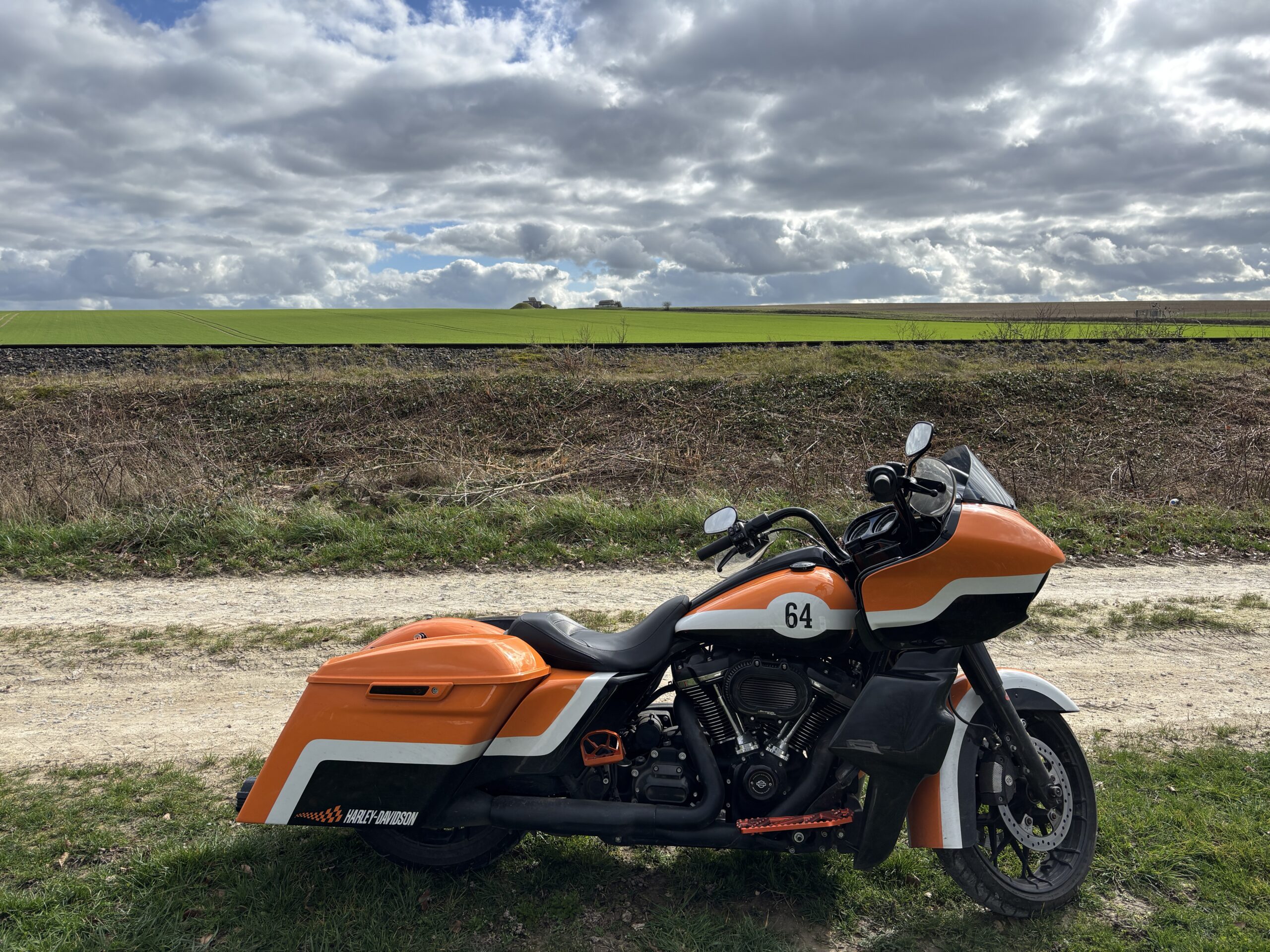
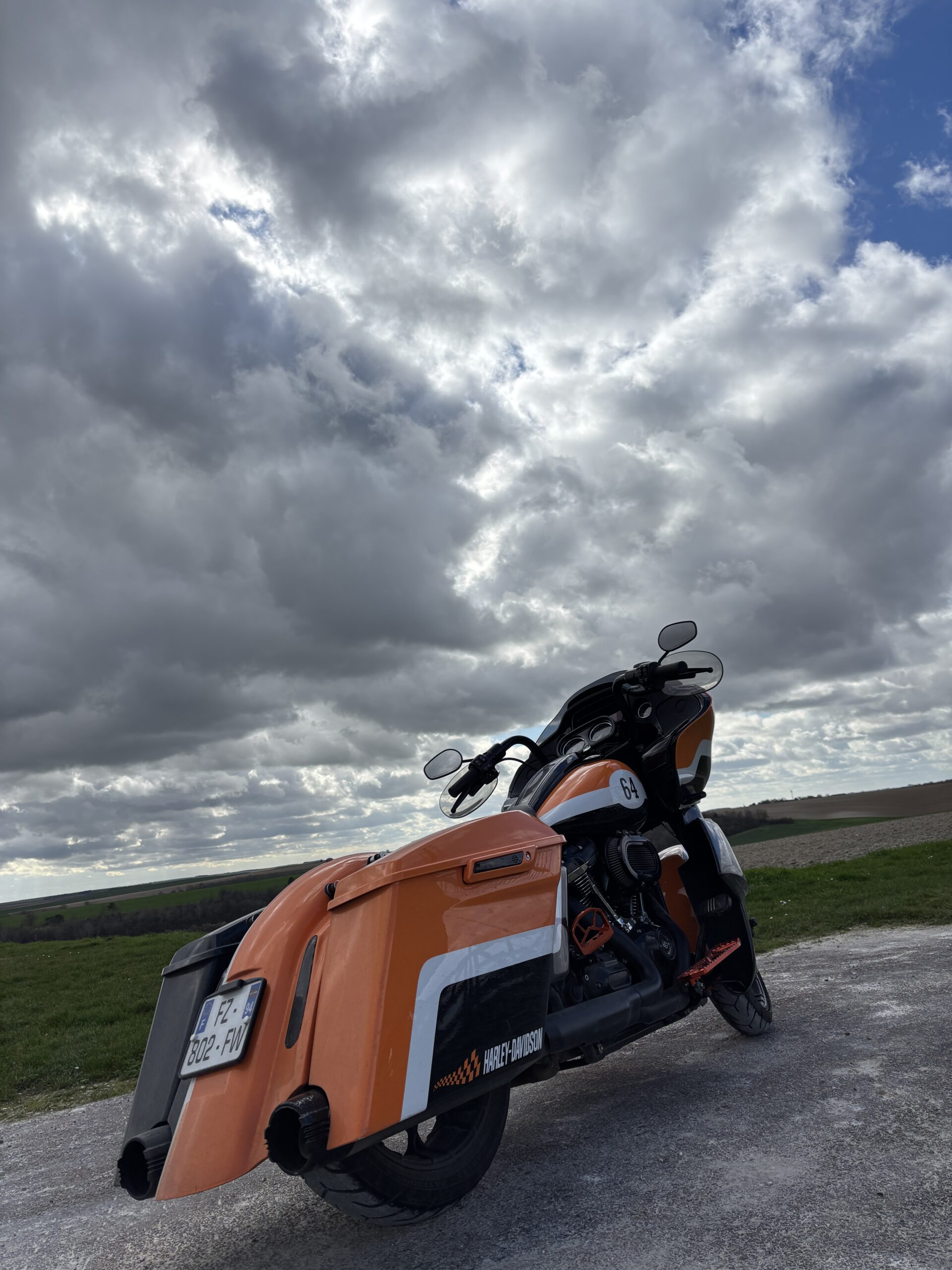
Although little more than a skirmish during the French Revolutionary Wars, Valmy was one of history’s decisive battles; the Prussian march on Paris to restore the French monarchy was halted and the French Revolution saved. The Prussians and their allies withdrew, allowing the French to renew their invasion of the Austrian Netherlands. And, on this battlefield, the sky is always very impressive, allowing for beautiful photos to be taken.
Then it was time to move to another battlefield, just a few kilometers from Valmy : where Attila the Hun was defeated.
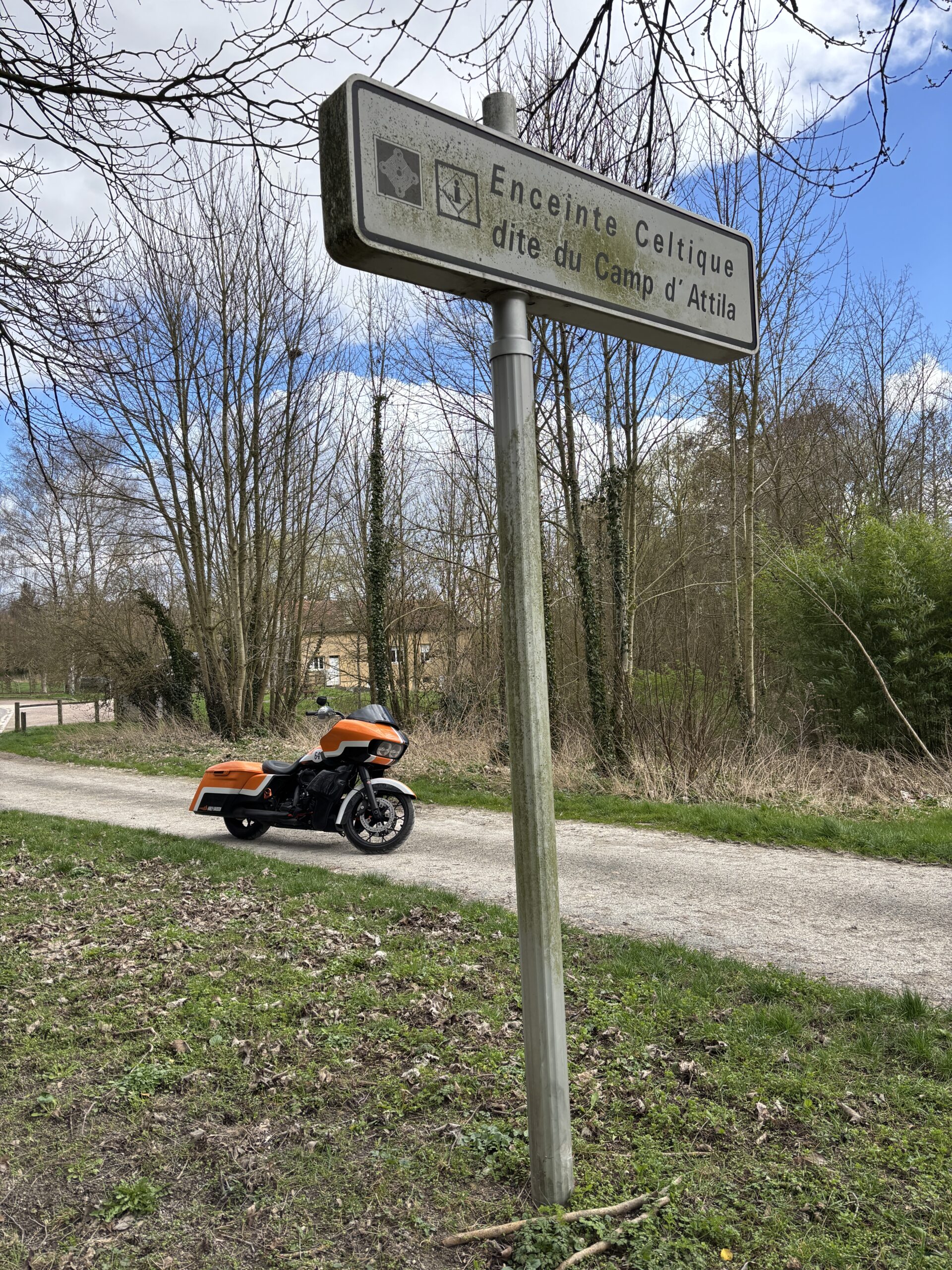
The Battle of the Catalaunian Plains in 451, during the late Antiquity period, pitted the army of the patrician Ætius, in the service of the Western Roman Emperor Valentinian III, and his Germanic allies, notably the King of the Visigoths Theodoric I, against the army led by the King of the Huns (since 439) Attila, with his own allies, notably the Ostrogoths. It ended with Attila’s defeat, followed by his retreat from Gaul. Attila, after entering via the Rhine in 450 and having attacked the Western Empire in Gaul at the beginning of 451, managed to take Metz and then to lay siege to Orléans. The coalition gathered by Aetius forced him to lift the siege and return to the northeast. He was caught up in the Troyes-Châlons-Reims region by Aetius and forced to fight a battle. This battle, which involved several tens of thousands of combatants, took place in a location that has not yet been precisely identified. I was completely disappointed by this historical site. There is only a simple sign at the exit of a very small village of a few souls and… absolutely nothing to see except for a kind of long field surrounded by a mound. What a disappointment!
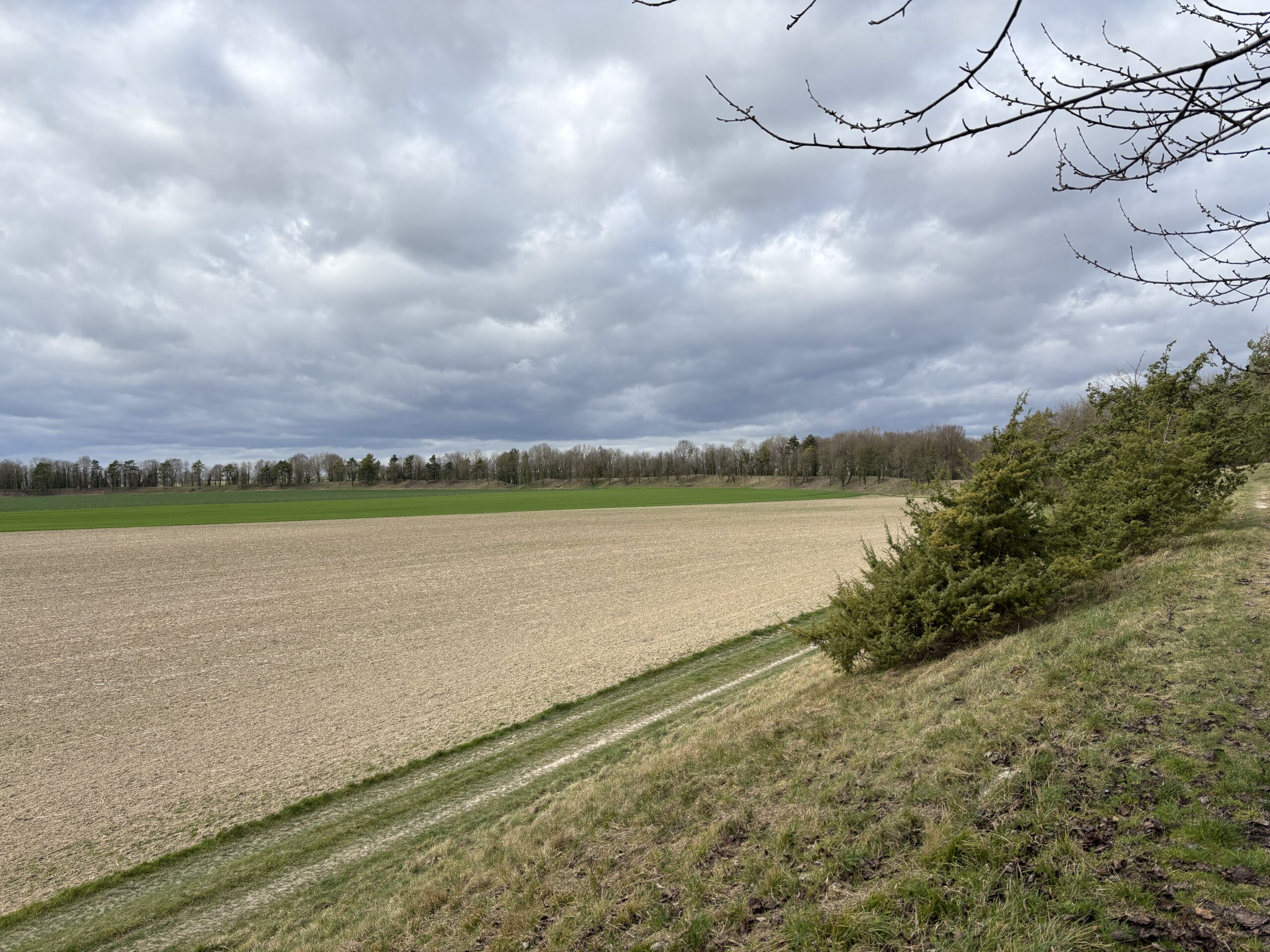
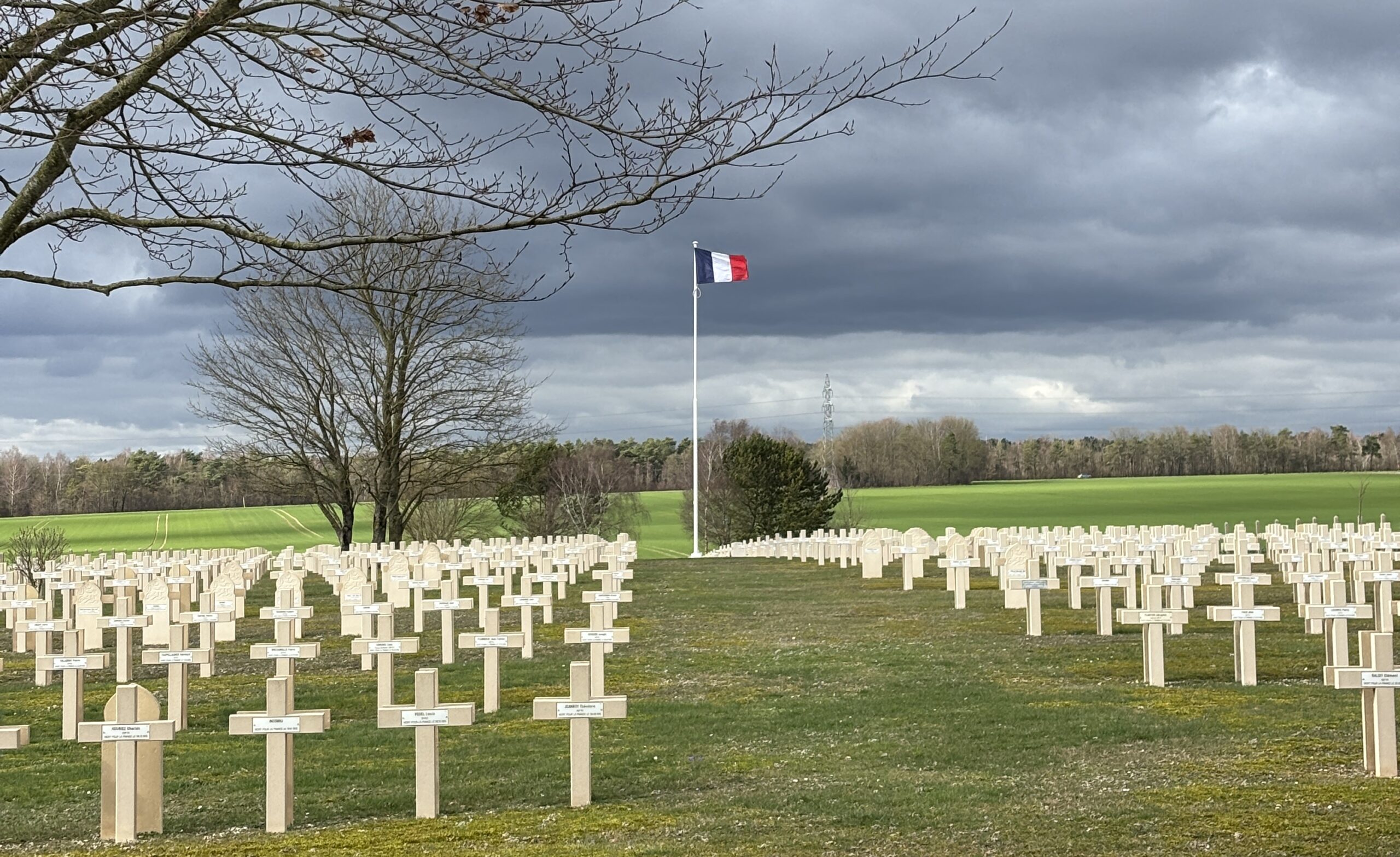
Continuing my way westward, towards Paris, if I was not yet convinced that the East of France had always been a land of war, the numerous cemeteries from the First World War reminded me of it.
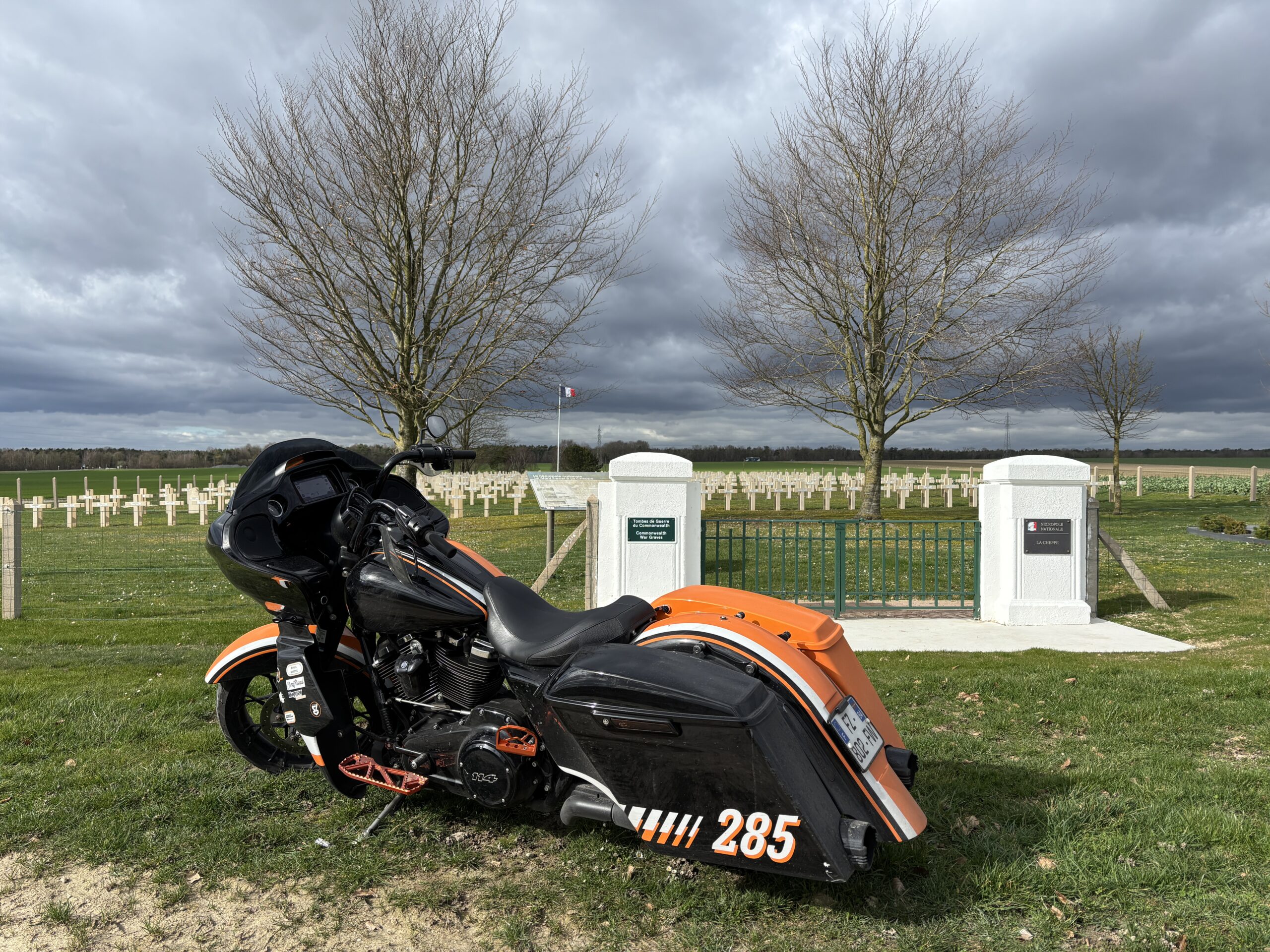
And, on small roads of Champagne region …
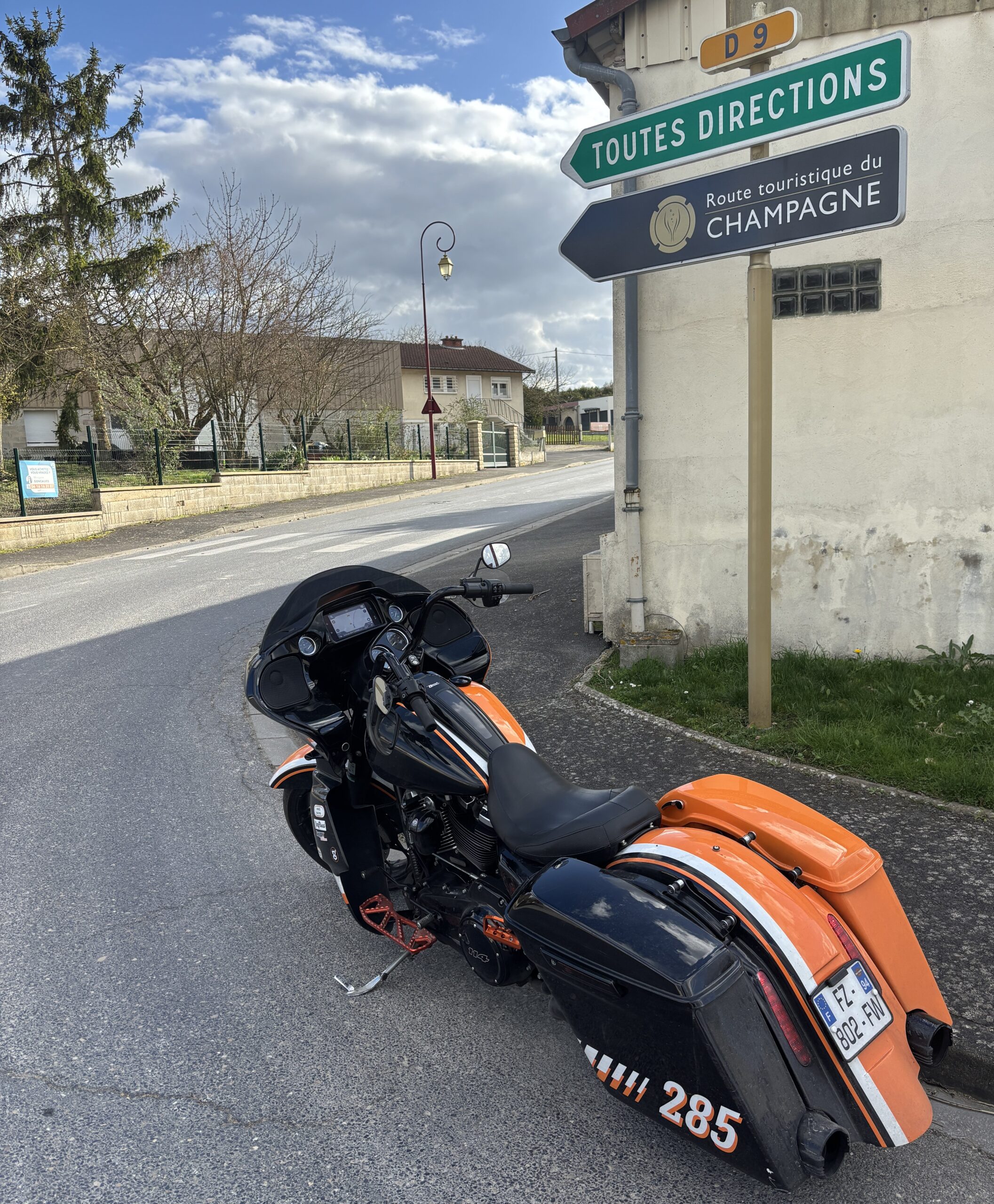
… where Champagne wine producers are absolutely everywhere …
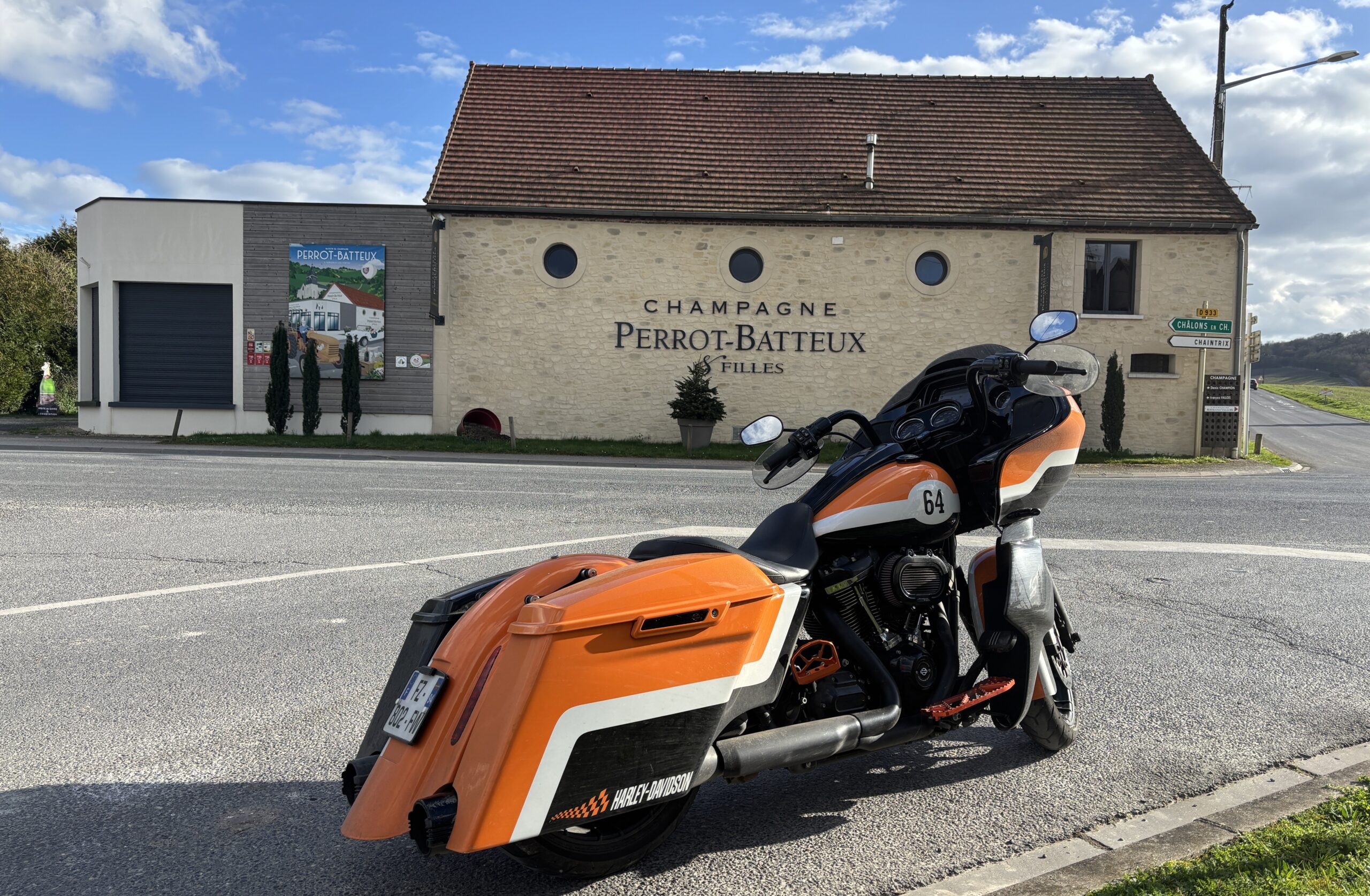
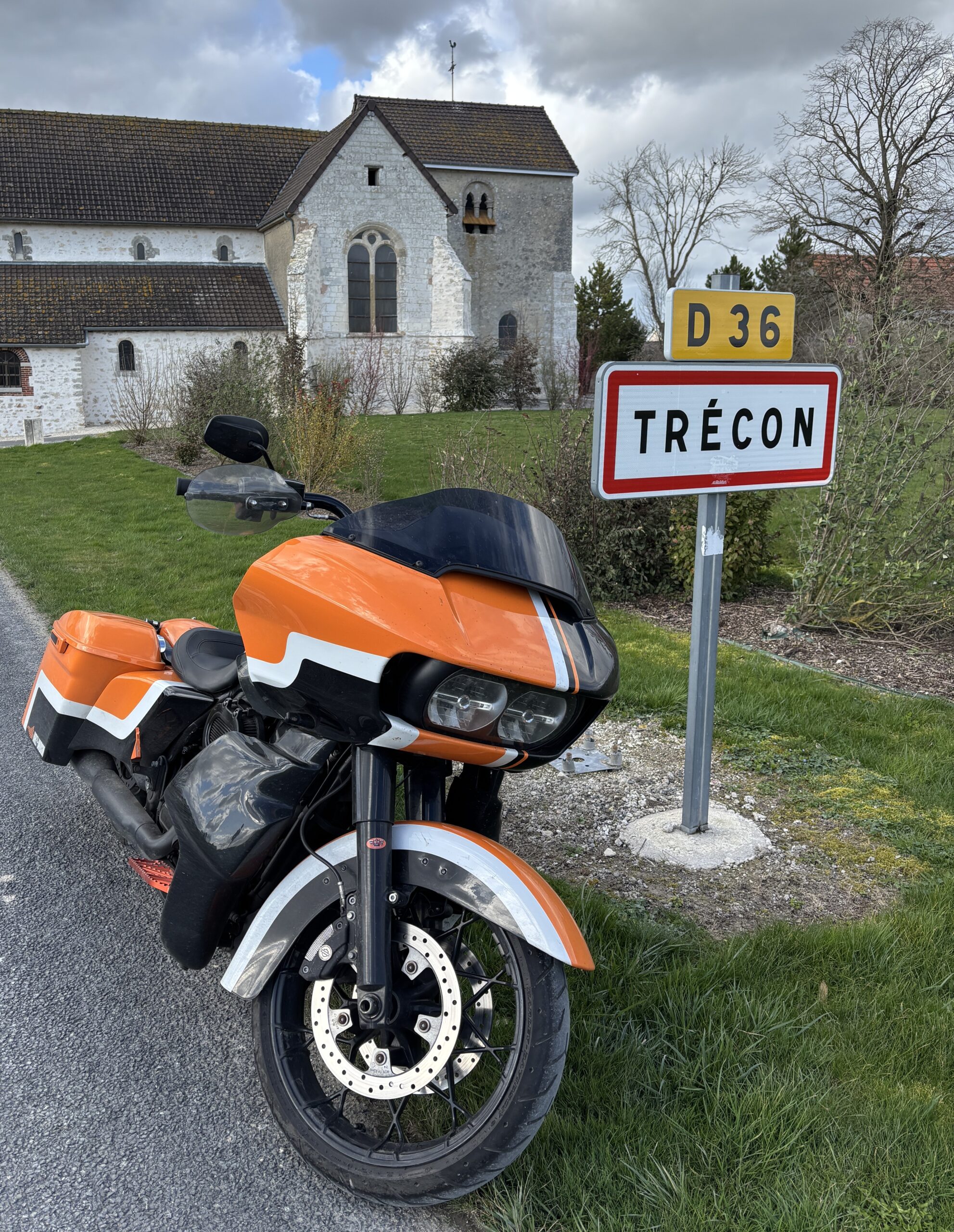
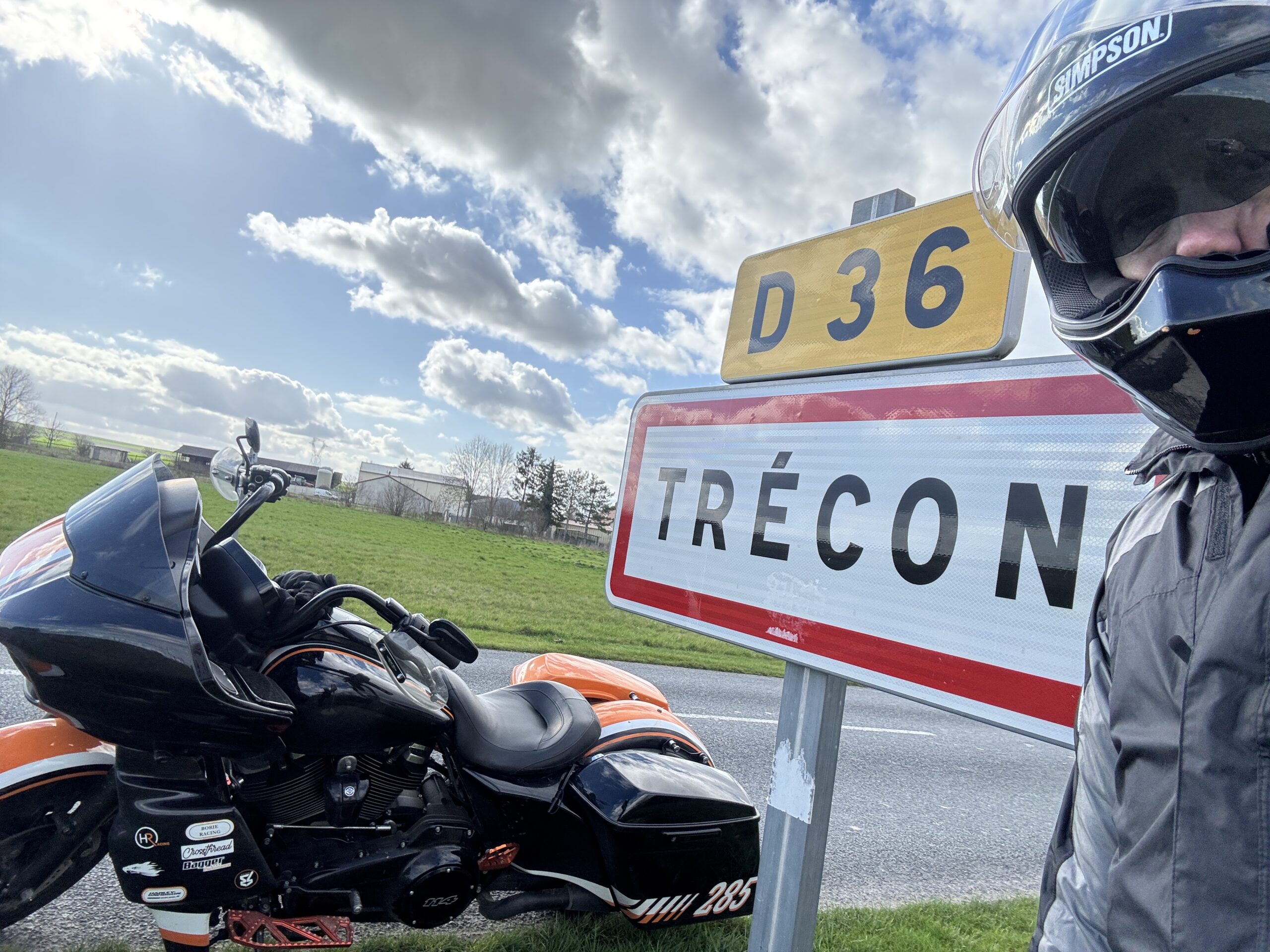
…I stopped for the traditional photo of my motorcycle in front of the sign announcing the small village of TRECON (I have a photo of almost all my motorcycles with this signal) In French TRECON sounds literally like “very stupid”. Yes I know, I know, it’s … very stupid to stop especially here to take this photo. But every time, it makes laugh. So, it’s ultimately a good reason to do it.
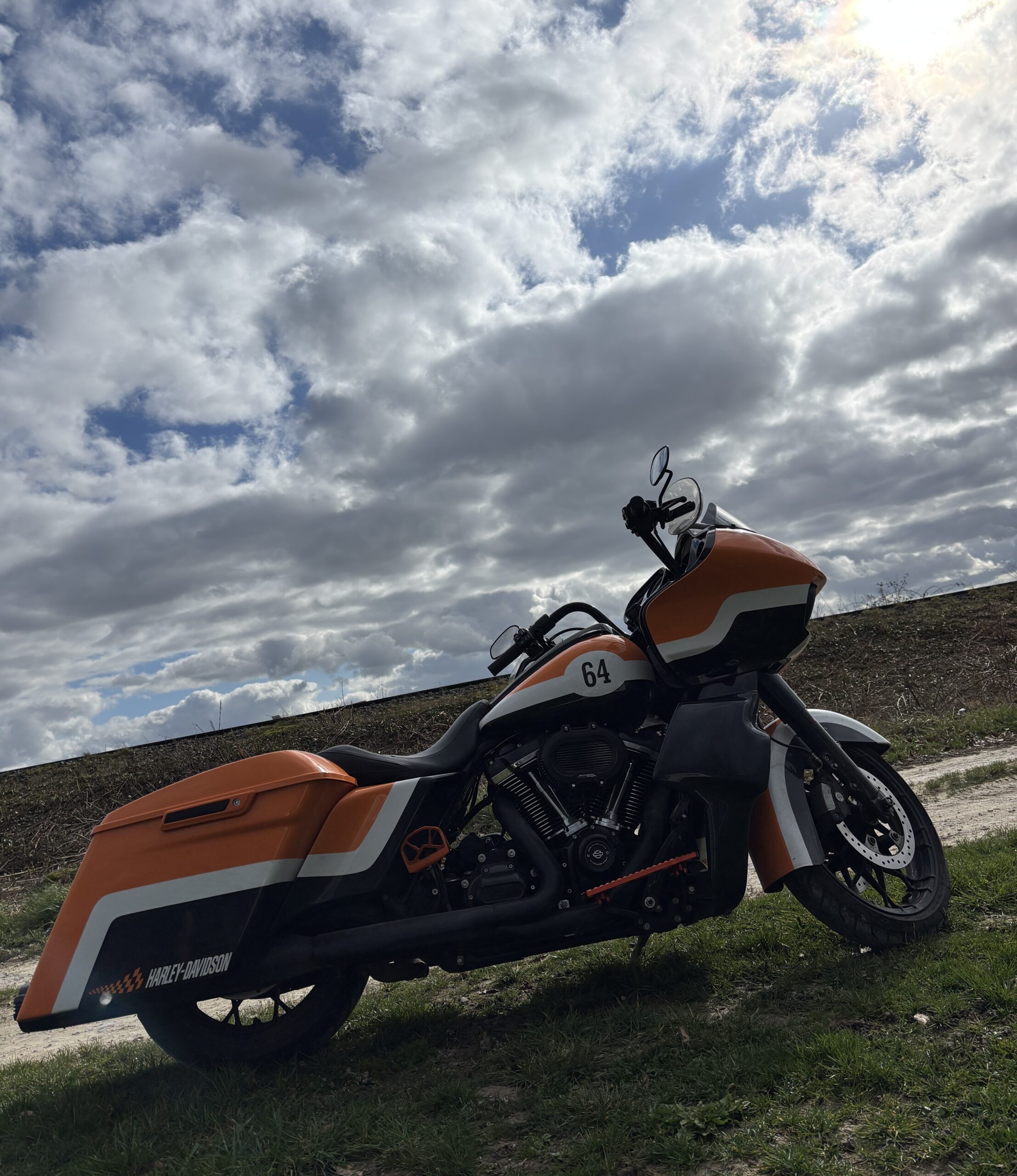
Resuming the road under an always incredible winter sky …
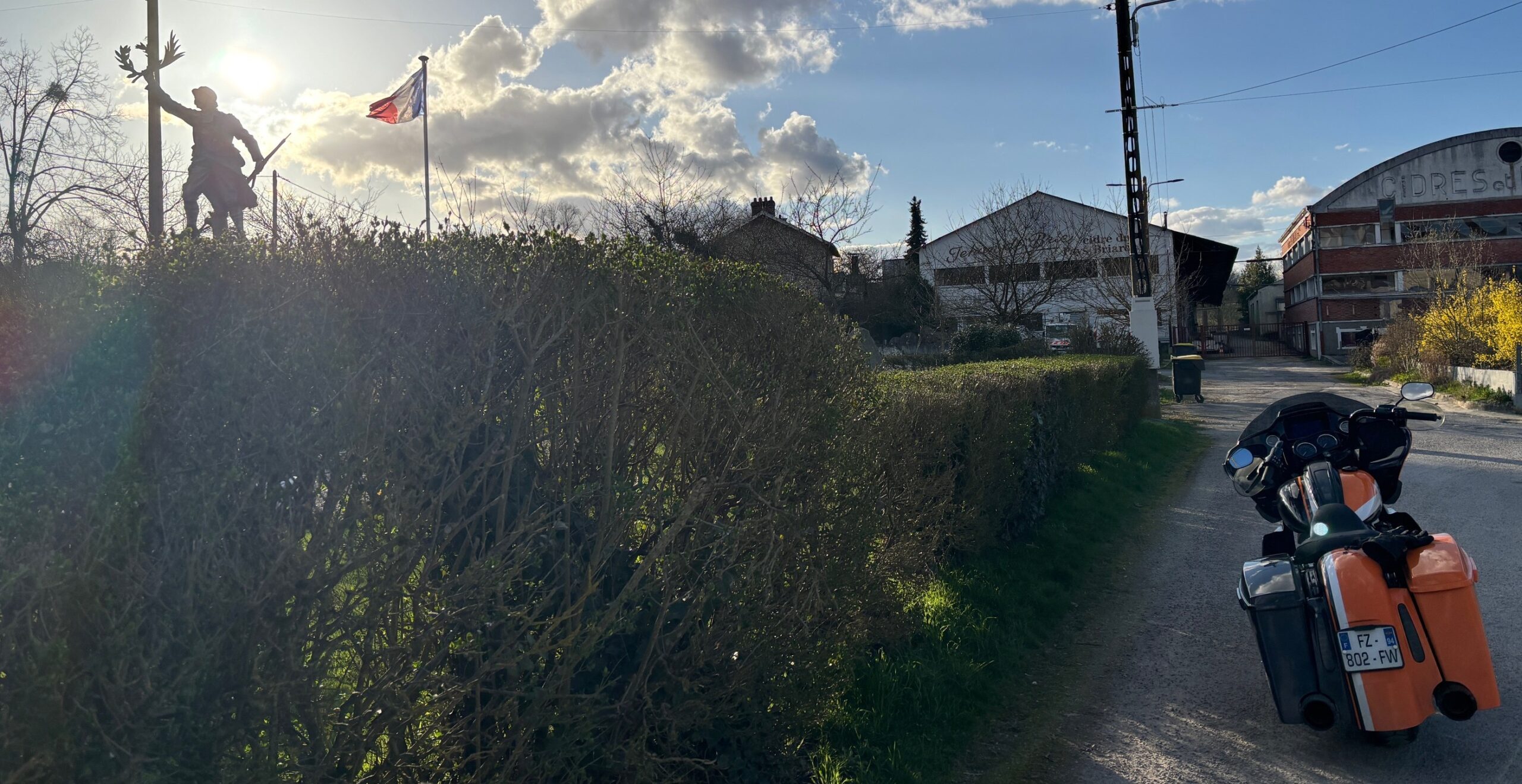
One last stop awaited me before returning home. I absolutely wanted to stop in the small village of BELLOT where there is a very pretty war memorial that has been colored after first World War. I hadn’t stopped here for years and I remembered the pretty colors of this sculpture. The last time I came here, I was riding my beloved gray club style Fat Bob.
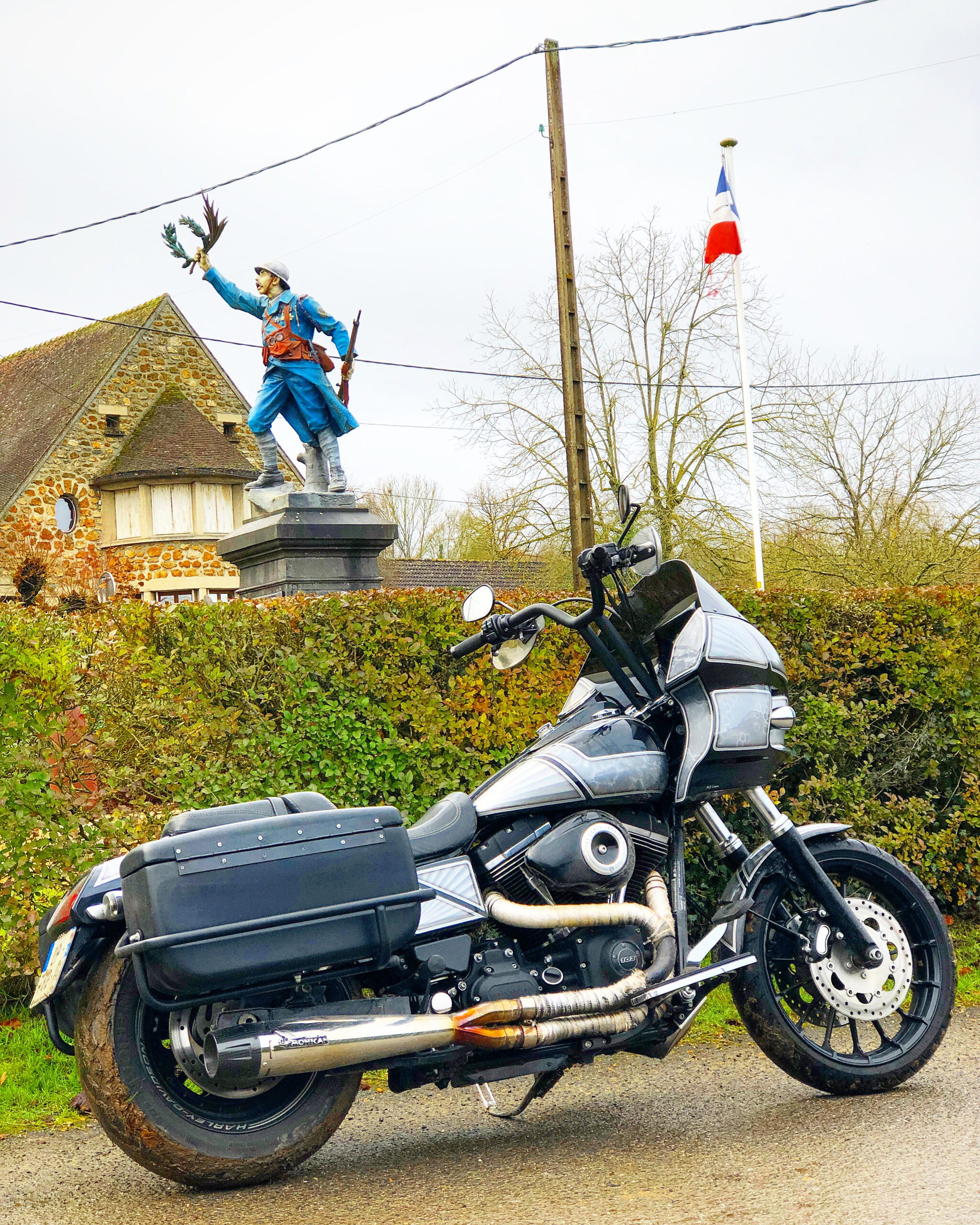
The light was magnificent in this late afternoon.
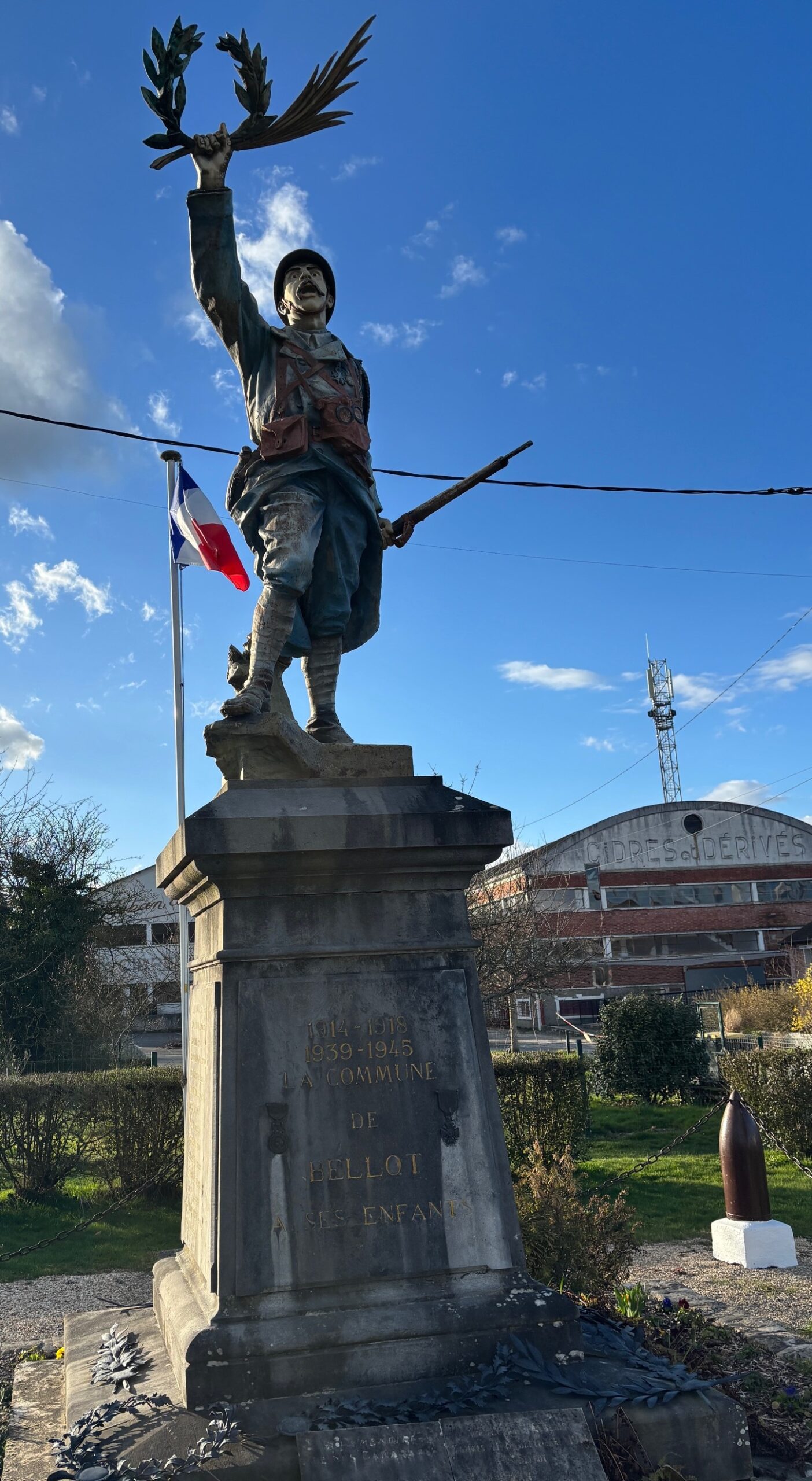
This war memorial is a serie sculpture created by Eugène Paul Benet in 1923. Made of bronze-coated cast iron. The monument was inaugurated on May 1923. It became a popular model among municipalites for the creation of similar monuments.
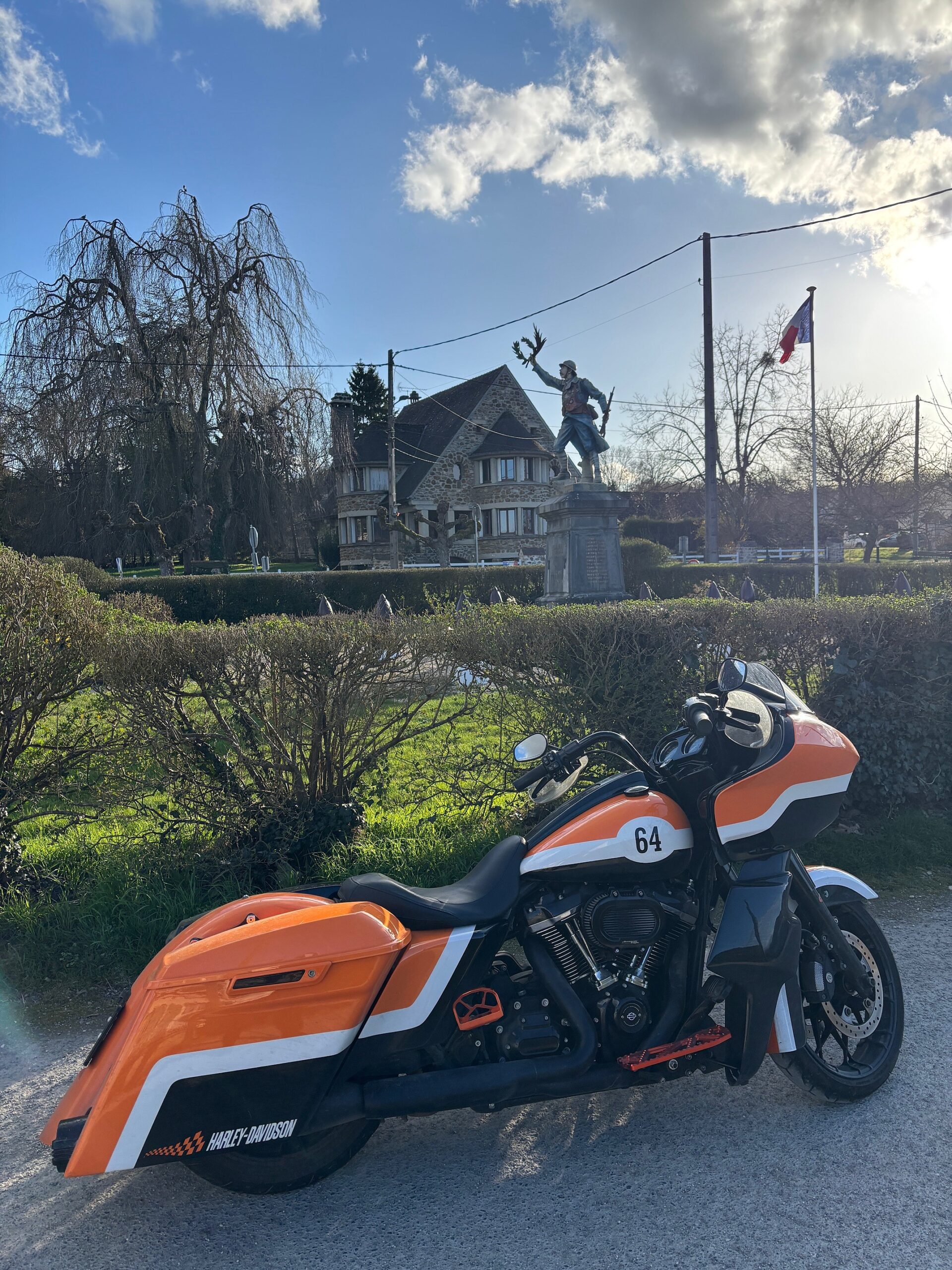
I was a little disapointed because since my last visit, the statue has aged poory and would deserve a little restoration. Indeed, its colors, which made it an almost unique monument (because among the very, very many war memorials that can be found in almost every town and village in France, very few are in color), have faded.
I was only 50kilometers from my home., it was time to go back. It was an excellent trip during which I once again learned a lot. I hope you will come one day to do it again with me.
See ya soon on the road, who knows?!?
Hervé, your French biker friend.

More Stories
MY HARLEY-DAVIDSON ROADGLIDE CHEESE RIDE TO CAMEMBERT, FRANCE
FRENCH BIKER AND AMERICAN AVIATORS
MY IRON HORSE, THE FRENCH FARRIERS AND SAINT-ELOI