
Story and Photos by ITN European Reporter Herve’ Rebollo
Salut à toi American rider,
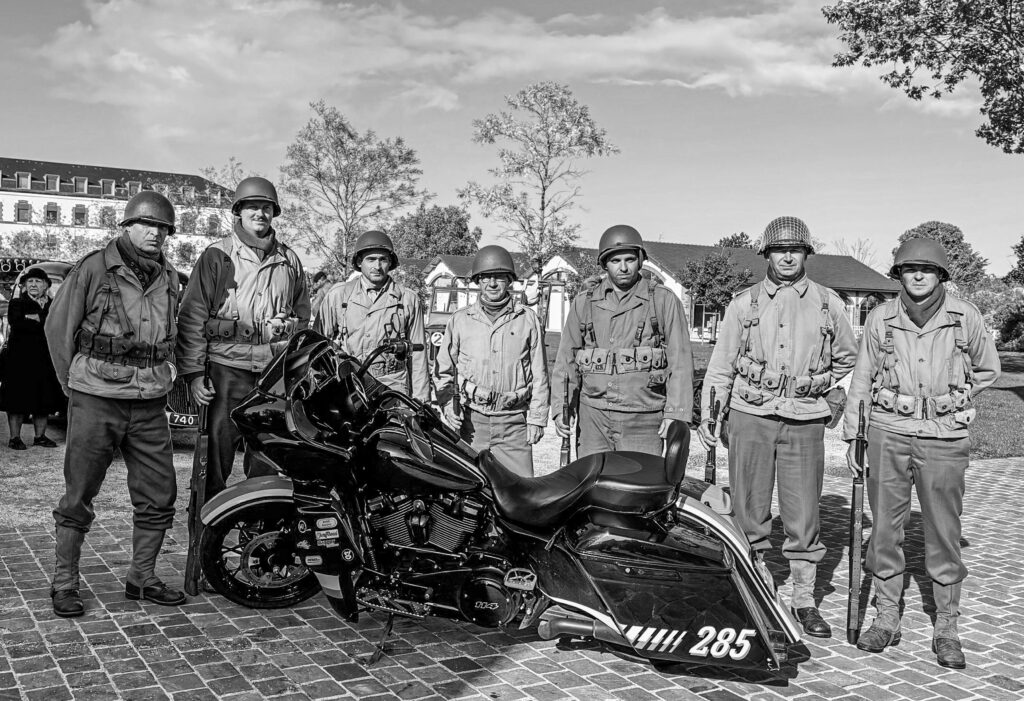
You may remember that, in last October, when I was on my way back home after visiting the last Leonardo da Vinci’s home (see: RIDE TO LEONARDO DA VINCI’S CASTLE – Iron Trader News), while passing through the small town of CHATEAUDUN, completely by chance, in front of the old Kellerman barracks (built in 1874 – A former garrison town, Châteaudun long housed cavalry units before welcoming artillery and air force units. There were nearly 1,000 cavalrymen at the end of the 19th and beginning of the 20th centuries), I spotted about forty people in 1940s costumes among civilian and military vehicles from the same era, who seemed to be commemorating an event from World War II.
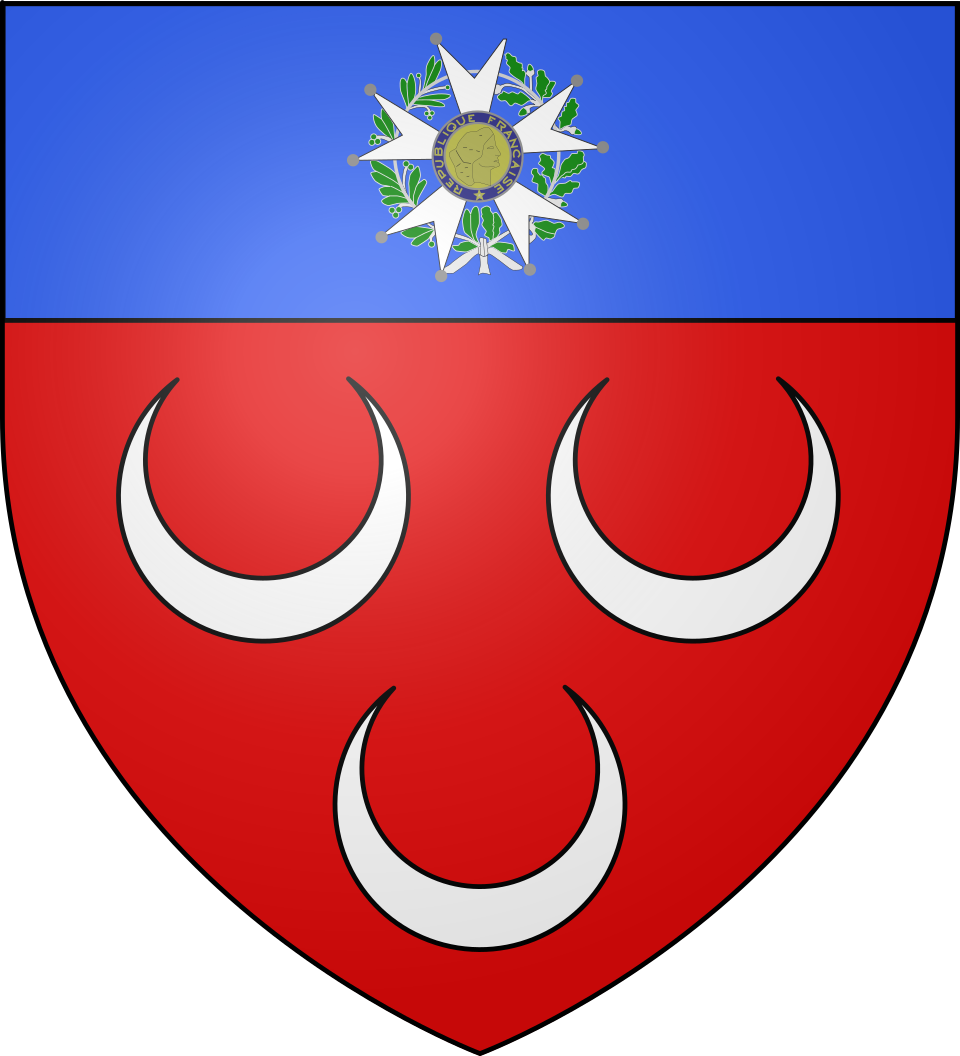
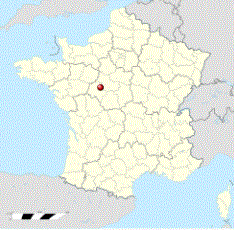
Châteaudun is a French commune, the subprefecture of Eure-et-Loir in the Centre-Val de Loire region.
Located in the southwest of the Paris Basin, the town is crossed by the Loir.
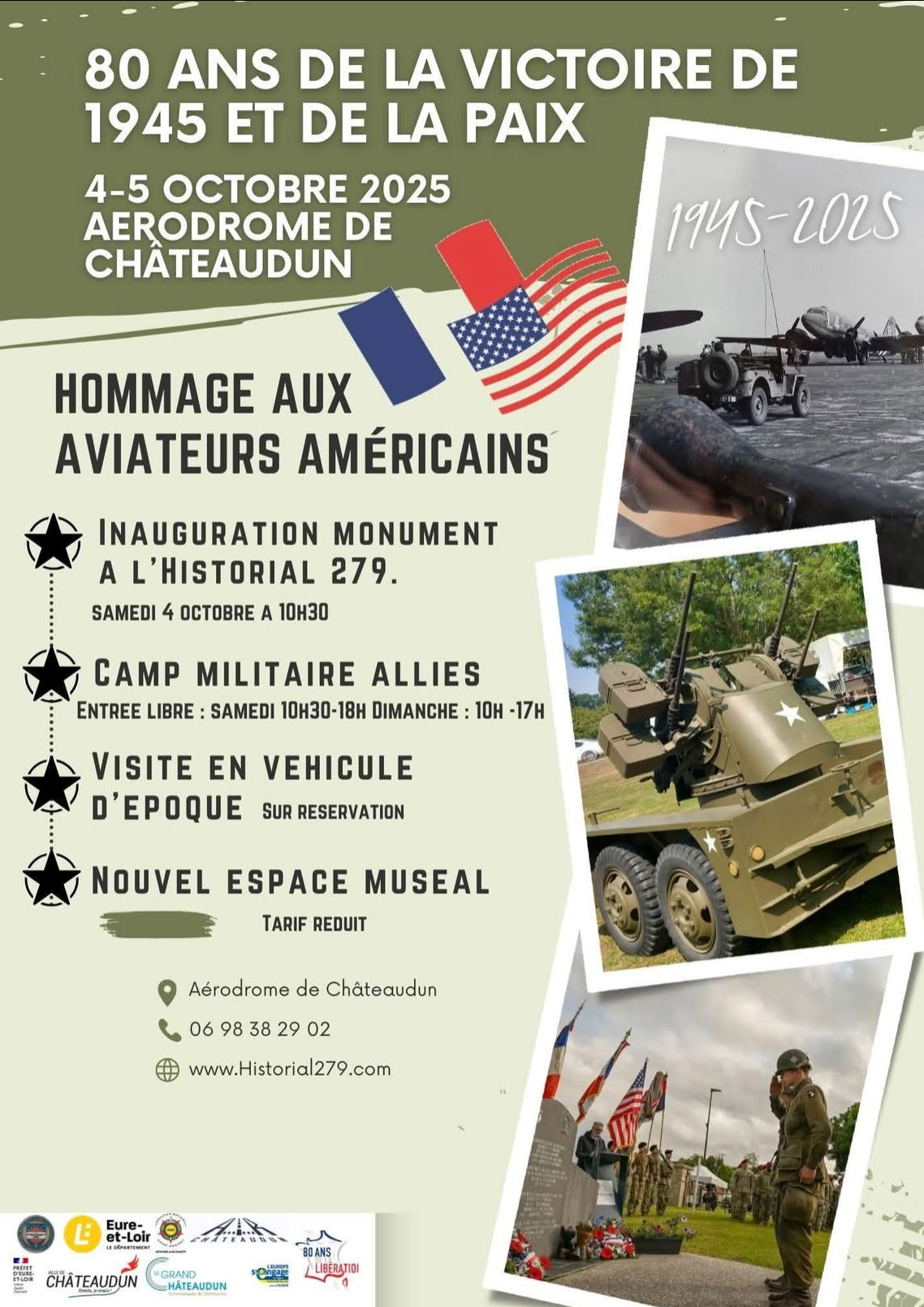
In fact, this weekend of early October, the “Memory and History” association paid tribute, at the former local airbase 279 (closed in 2014), to the American aviators who served during World War II. Families of American veterans were present. Eighty years after the Liberation, the families of two American heroes gathered in Châteaudun for a poignant tribute. Imagine for a moment: two families, separated by an ocean and decades, side by side on a former airbase, the very place where their ancestors made their mark on history. In this early October 2025 the descendants of two American aviators, unsung heroes of the Second World War, came together to honor their memory, 80 years after the Liberation. This tribute, organized by the local museum, Historial 279, provided a moving experience, blending tales of heroism, period artifacts, and a commemorative plaque engraved for eternity.
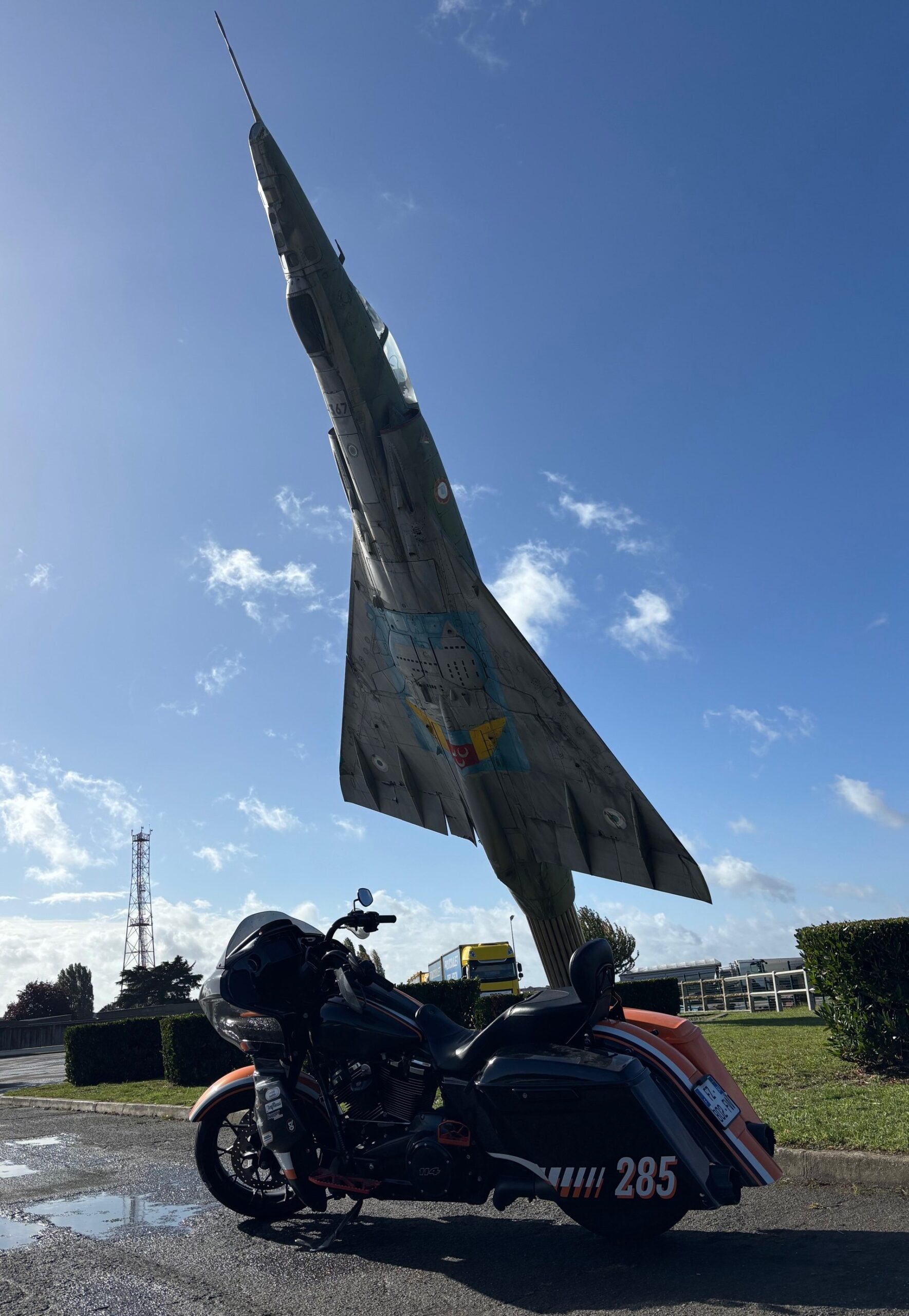
American aviators of the 439th Troop Carrier Group, who were deployed in Châteaudun at the end of World War II, are being honored in Châteaudun. 80 years ago, 200km from the Landing beaches in Normandy stood one of the largest airfields in western Europe held by the Germans: that of Châteaudun. Between intense air battles, massive bombings, acts of resistance and the base of allied airborne troops, this aeronautical stronghold will become a strategic issue during the liberation of France and Europe.
The 439th Operations Group is an active USAF Reserve unit. The unit’s WWII predecessor unit, the 439th Troop Carrier Group, was a C-Skytrain transport unit assigned to Ninth Air Force in Western Europe.
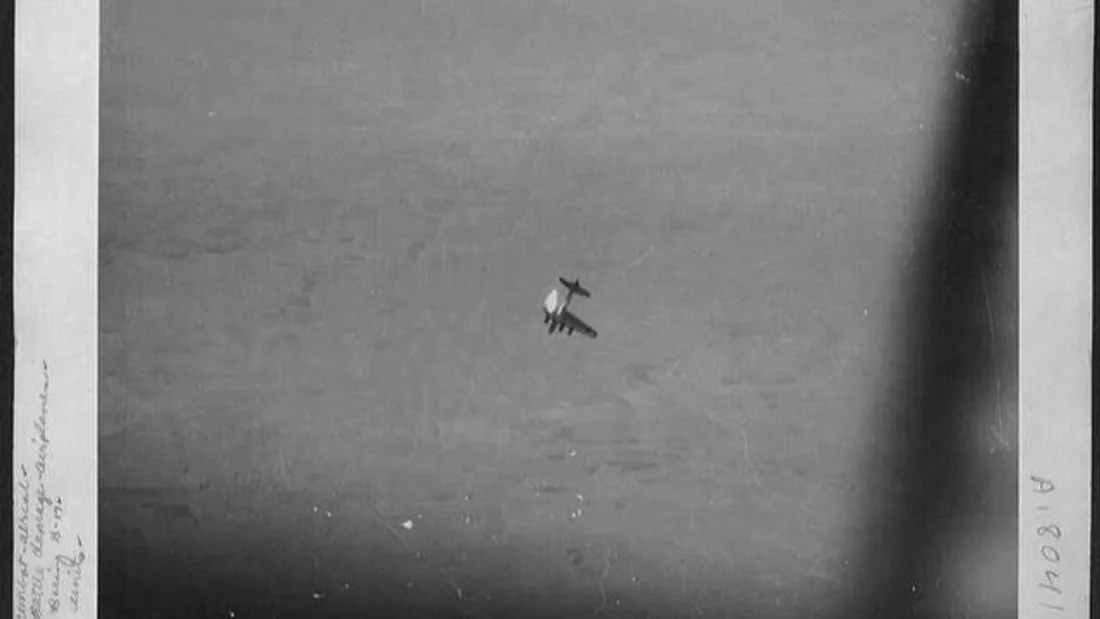
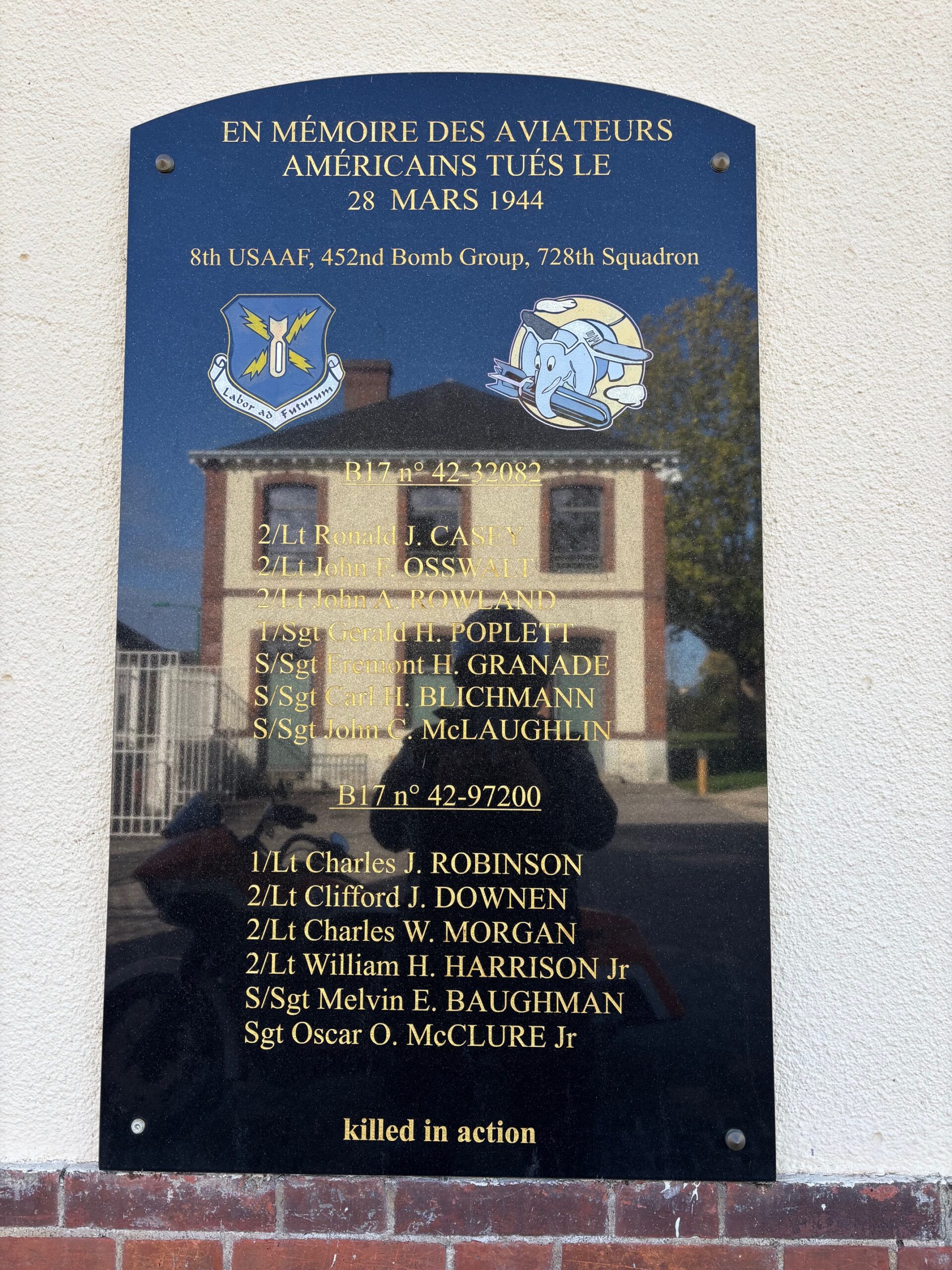
On March 28, 1944, “High Noon,” a B-17, was shot down over Châteaudun. A crash, almost exactly a year later (on March 24, 1945) from the launch of the largest airborne operation of World War II in Europe. More than 16,000 paratroopers and airborne troops transported by gliders landed near Wesel on the banks of the Rhine to deliver the fatal blow to the German army. Operation “Varsity” was coordinated from Coulommiers, Melun, and Châteaudun, from where the C-47s, C-46s, and WACO gliders took off.
The Historial 279 local museum (historial279.com),celebrated the end of World War II all weekend long, on Saturday, October 5, and Sunday, October 6, with a military reenactment camp accessible in front of the museum, on the site of the former airbase.
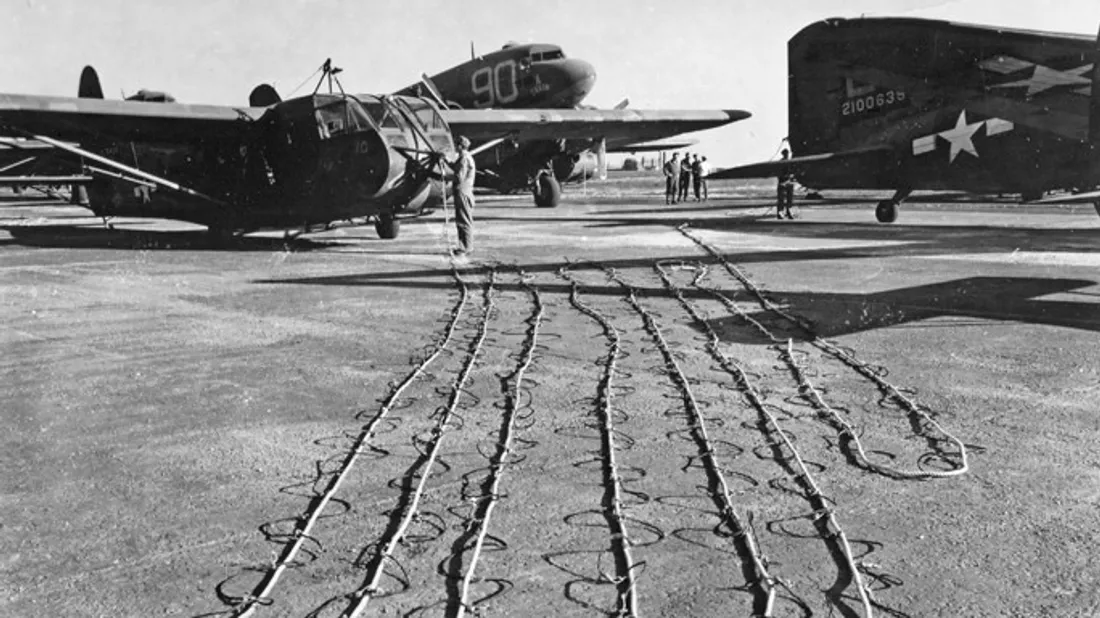
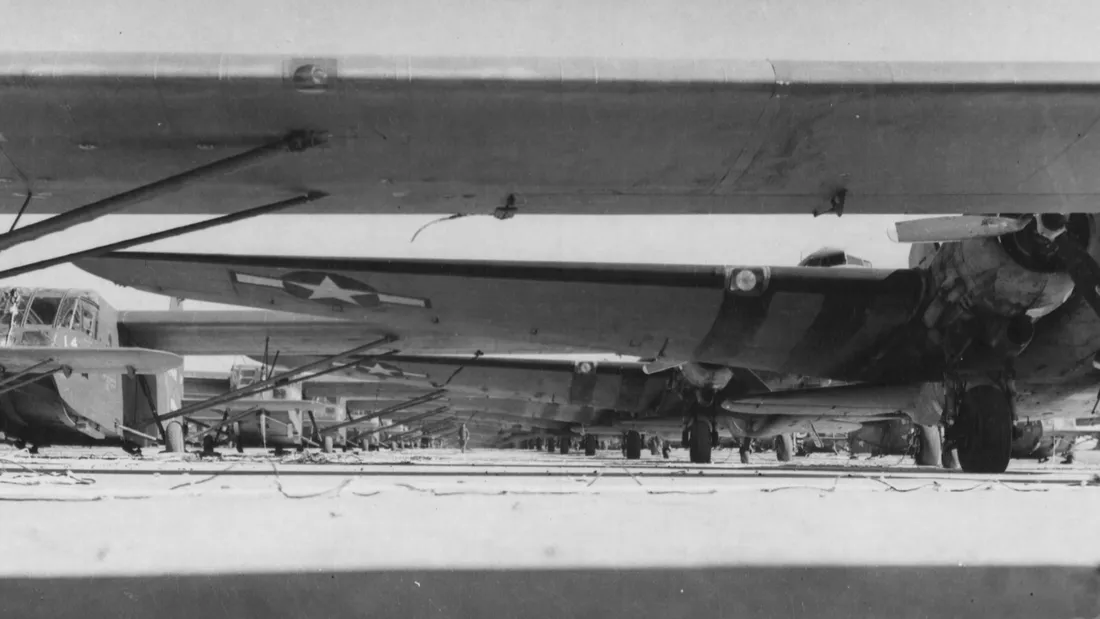
-“Several thousand American aviators and paratroopers passed through Châteaudun. It’s a little-known story here, but still very much alive among American families. A museum in Texas specifically mentions Châteaudun and displays photos.”. Ludovic Lebreton is the president of the Historial 279. In the region, it was the 439th Troop Carrier Group responsible for transporting units of the 17th US Airborne Division. Since November 4, 1944, the Americans turned Châteaudun into a base for the Allied Victory after the Liberation of the town. Its code name: “A-39”. In March 1945, dozens of C-47 Skytrains and Waco CG-4A gliders were stored on the runway, awaiting their flight to the Rhine.
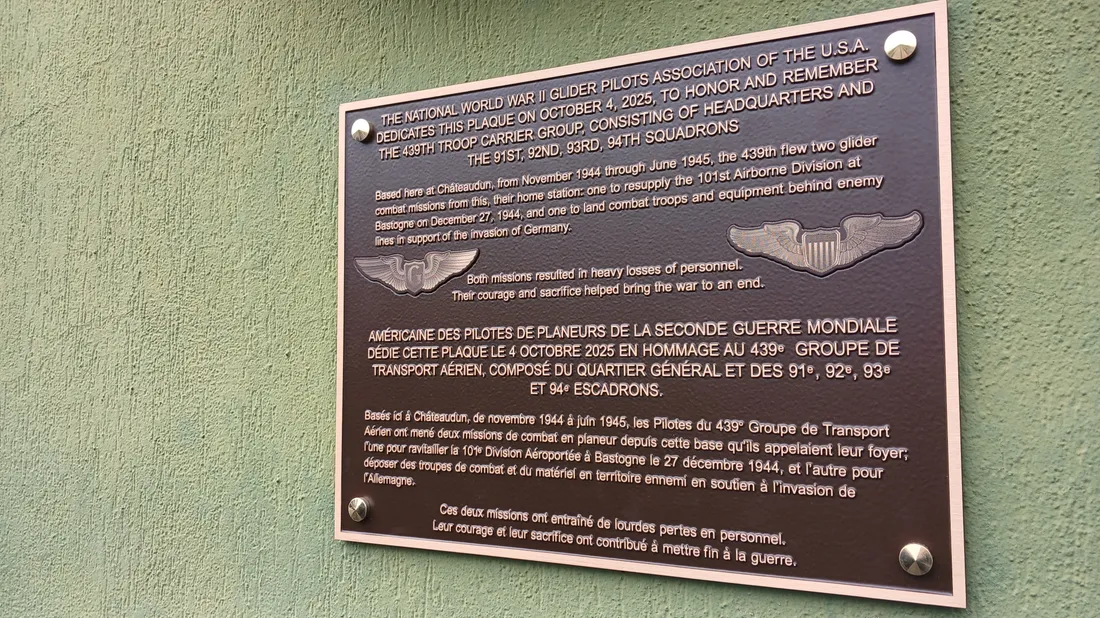
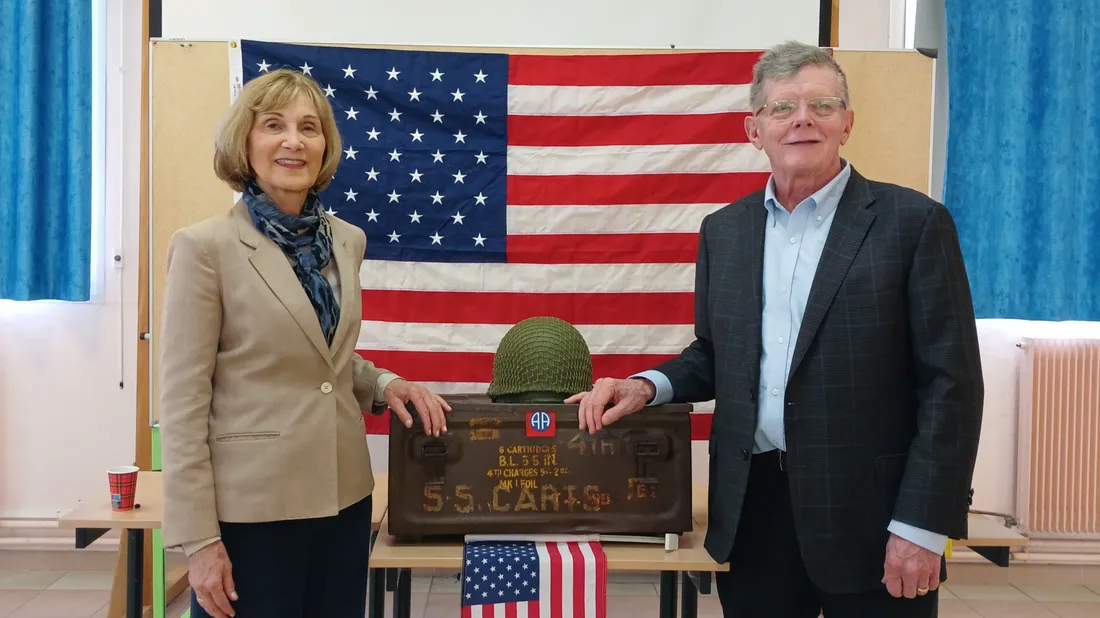
The event was launched on Saturday morning with the inauguration of a commemorative plaque in memory of the aviators of the 439th Troop Carrier Group, soldiers stationed at the base. An American association raised $2,000 to finance this plaque.
-“Châteaudun is very much forgotten, but it is one of the most important bases to have participated in the Liberation of Western Europe and the end of the war in 1945.” Among the soldiers stationed in Châteaudun were James Gammill and Hubert Wetzel. They were both members of the same crew on a C-47. A photo of the aviators taken in Châteaudun bears witness to this. This commemorative plaque honors the bravery of the two soldiers during missions such as Operation Versity. The two young Americans met during the war, became friends, and stayed in touch after returning to the United States, exchanging letters over the years.
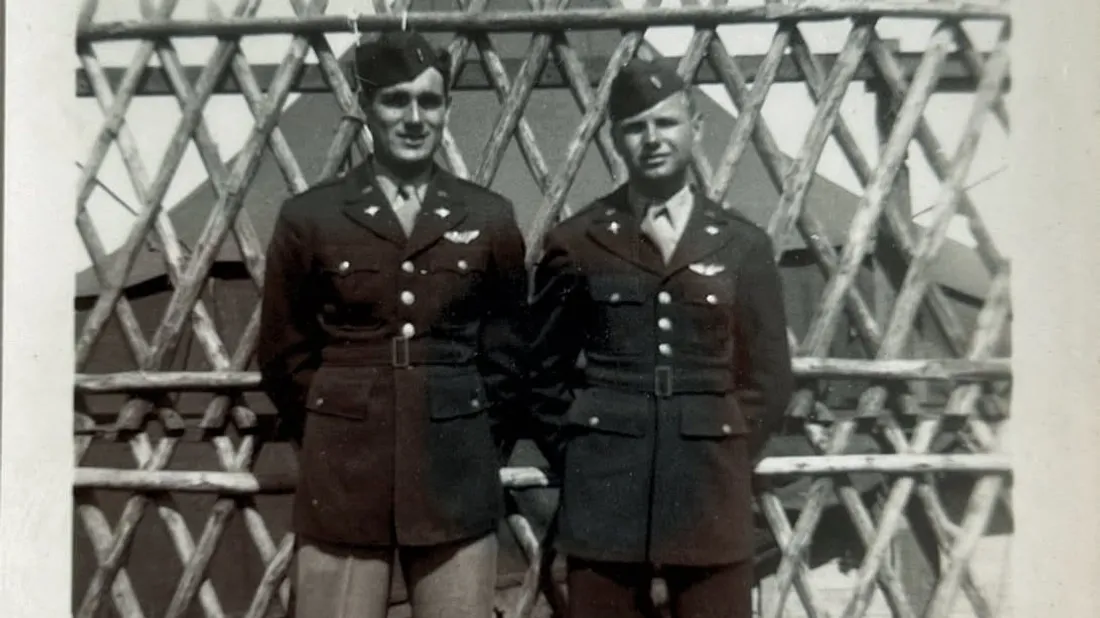
Their families came to Châteaudun on October 4th and 5th for the commemorations of the 80th anniversary of the Liberation, alongside another of an American veteran. In the museum, visitors can see period photographs featuring the two young soldiers. These scanned documents were shared with the museum, notably by Doreen Wetzel, Hubert Wetzel’s daughter, to enrich the exhibition. The American woman contacted the Dun-based association Mémoire et Histoire in 2019, which is when the connection between the two men came to light. Hubert’s nephew, Karl Sonnenberg, only discovered the story “four or five years ago.” Their descendants, now retired, met for the first time this Saturday at the ceremony, following phone conversations just a few months prior.
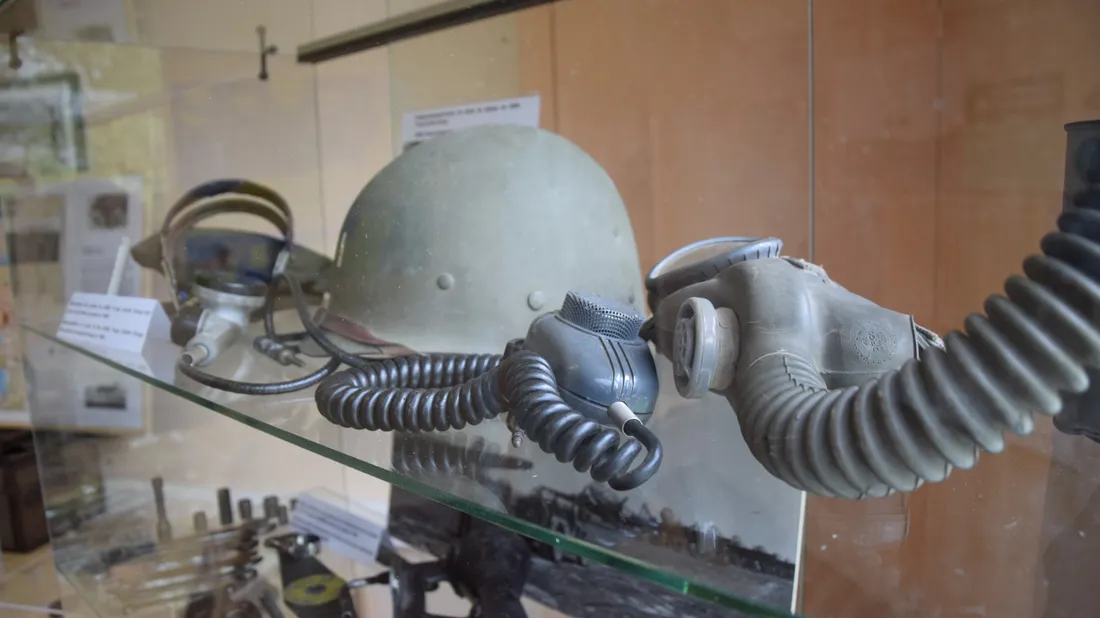
A space within Historial 279 will be dedicated to the two soldiers to commemorate the Allied commitment. –“We will receive family archives, aeronautical charts, and period documents”. These items will be displayed near a set of R-14 earphones marked “Utah Chicago for Signal Corps US Army” and a T-17 microphone from one of the Waco gliders. These two objects, rescued by a volunteer from the association, will be added to the museum’s collection this season.
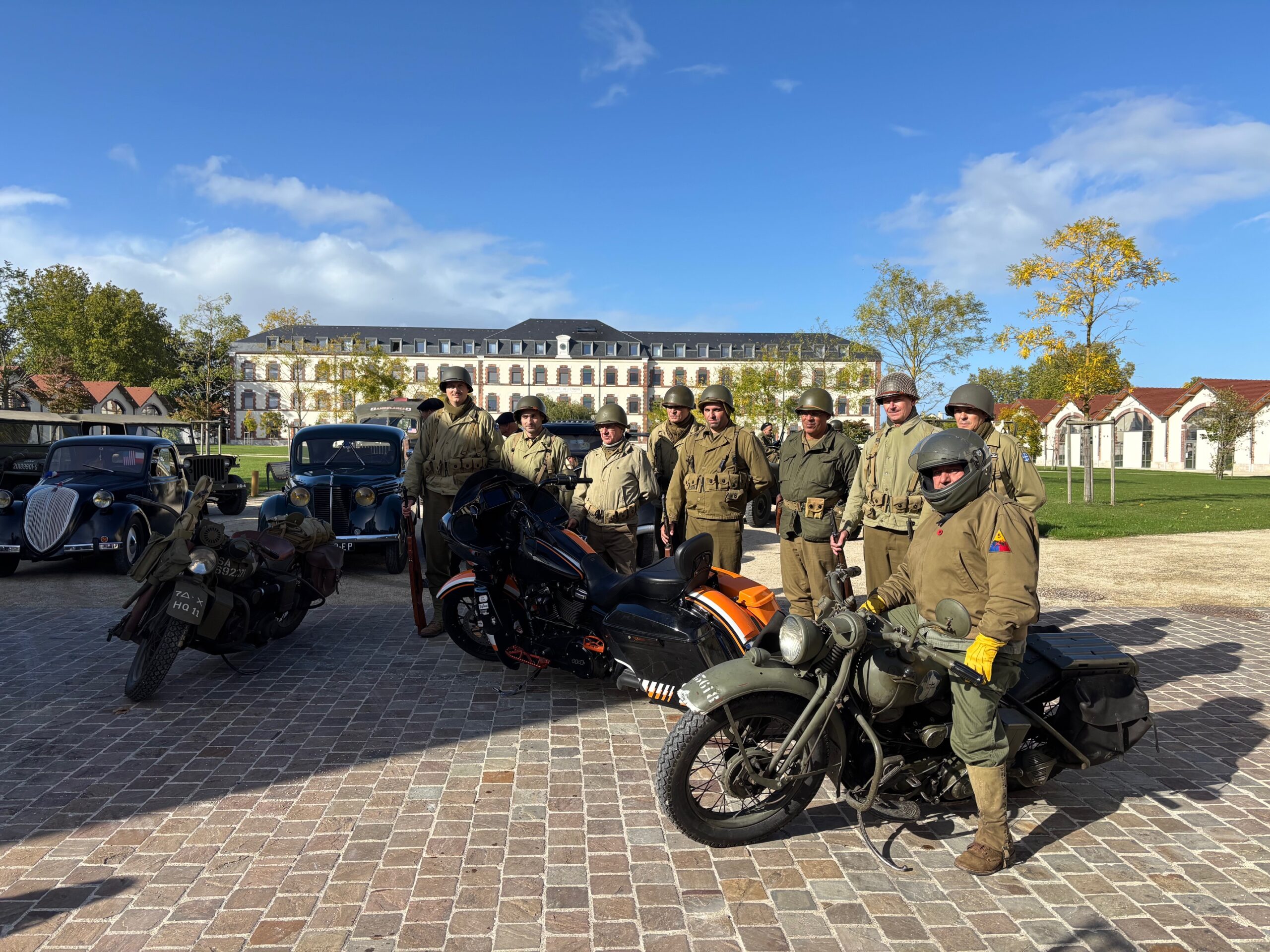
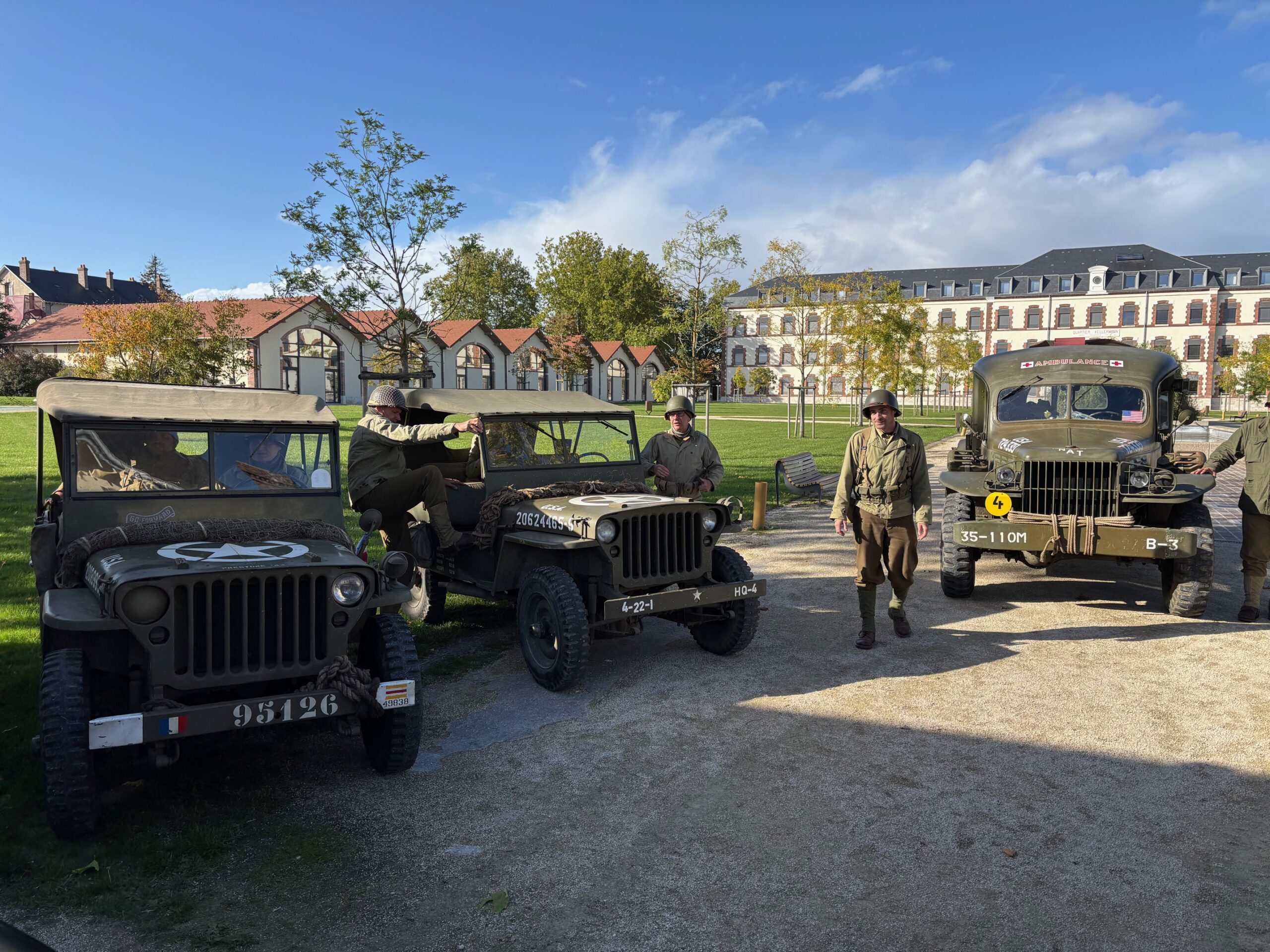
And, on Saturday afternoon, a column of passionate reenactors, in costumes and aboard period American and French vehicles, joined the city center and more specifically the Kellerman barracks, for an official commemorative ceremony in the presence of representatives from the town hall.
And I, a young (in my head) French biker, innocent and curious (soaked by the morning rain), happened to be passing right in front of the main entrance of the old barracks, and I witnessed this improbable living spectacle which immediately fascinated me.
Of course, I stopped.
The police officers present to ensure the security of the event immediately asked me to leave: Don’t stay there, sir!
But, since I am French (which means more or less stupid, arrogant and totally oblivious), I did not listen to them (yes, you can do that in France – but I’m not sure it’s a good thing) and I went directly to meet these fabulous reenactors.
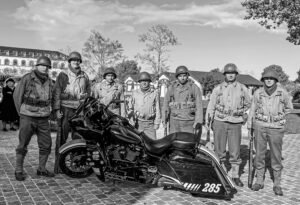
Hey guys, I’m sorry (actually not at all, I was just overjoyed) to bother you, but could I have some photos with and of you??? You guys are simply fantastic!!!
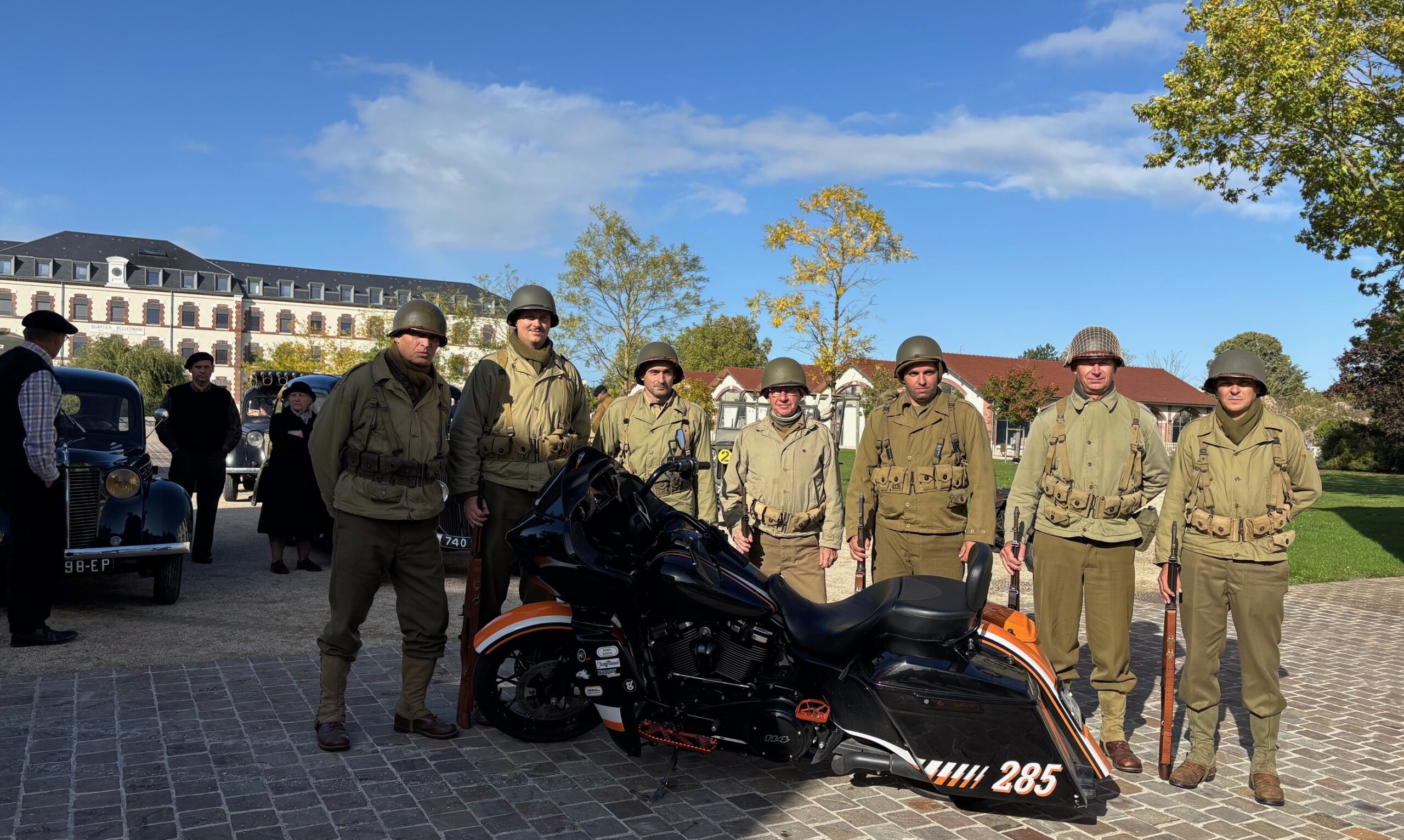
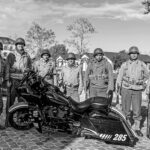
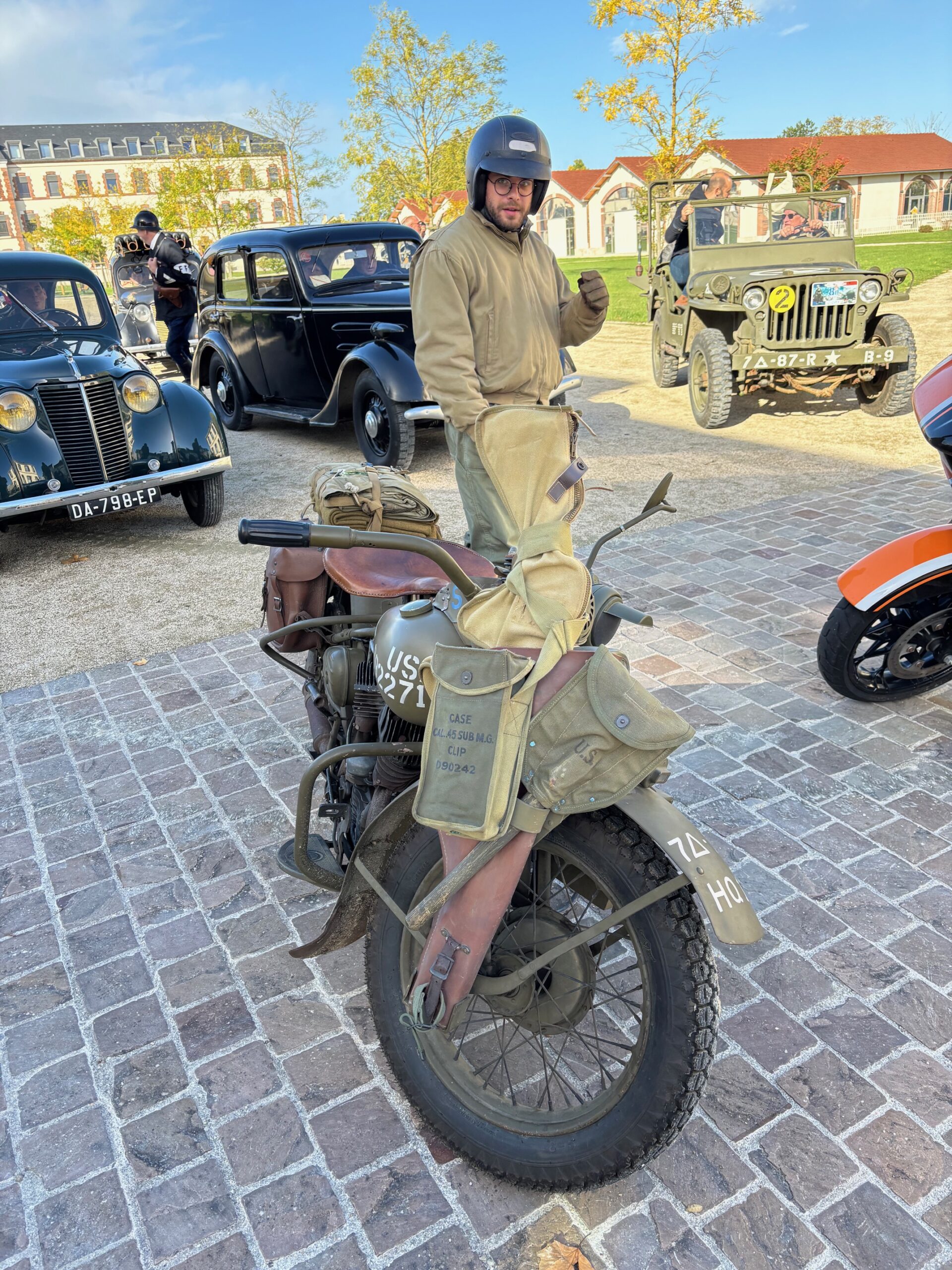
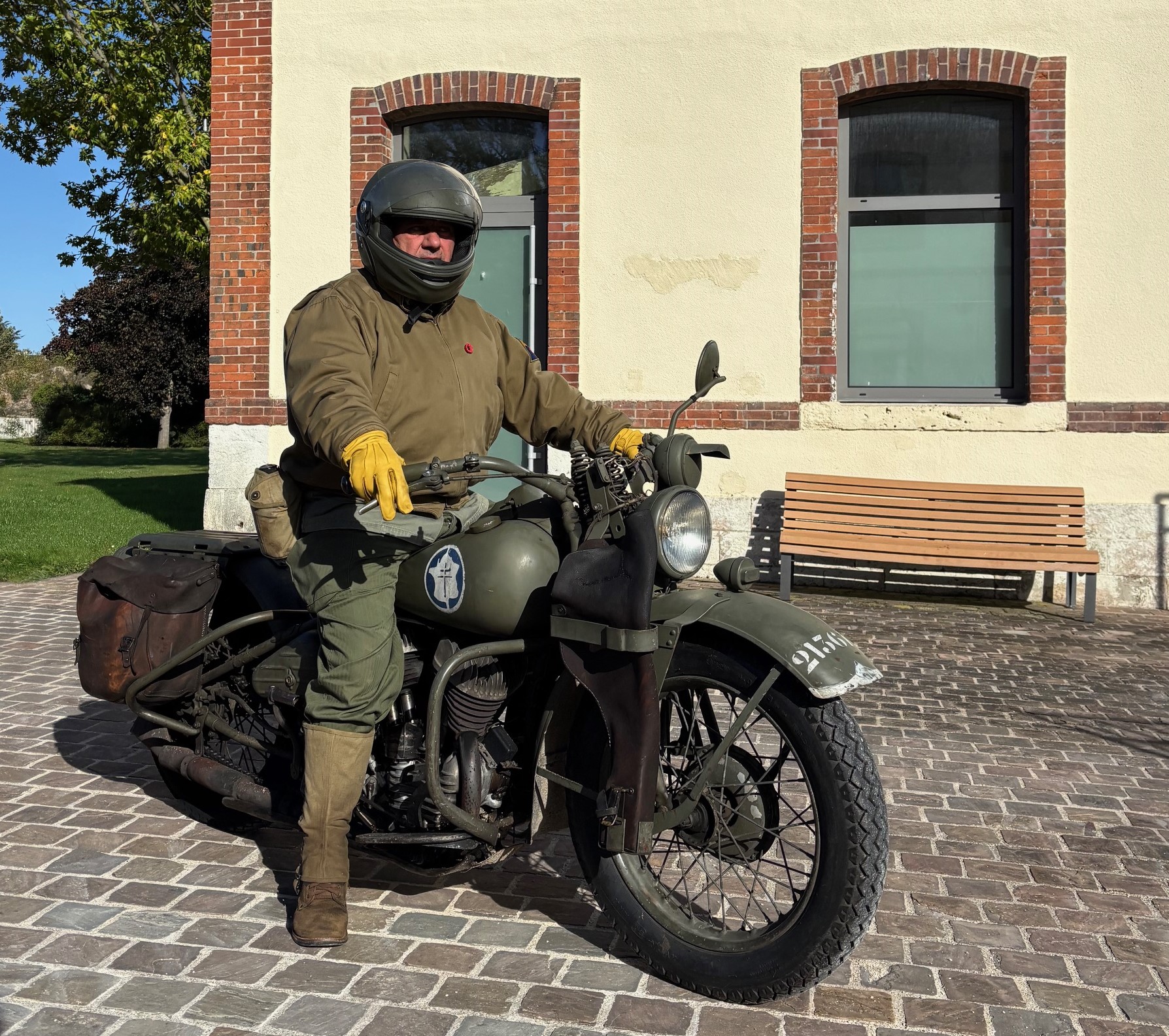
Oh, what a beautiful motorcycle. Love it!!!!
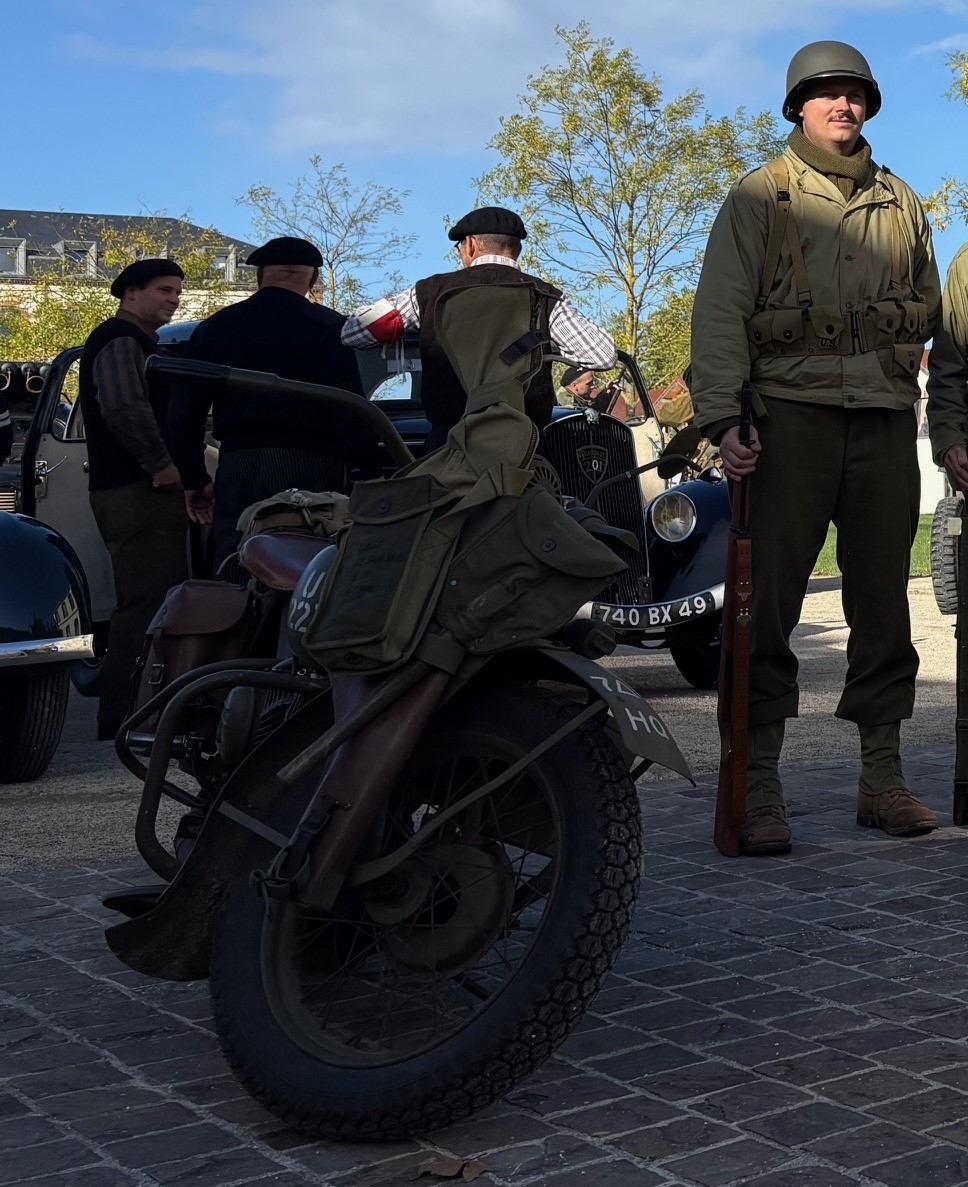
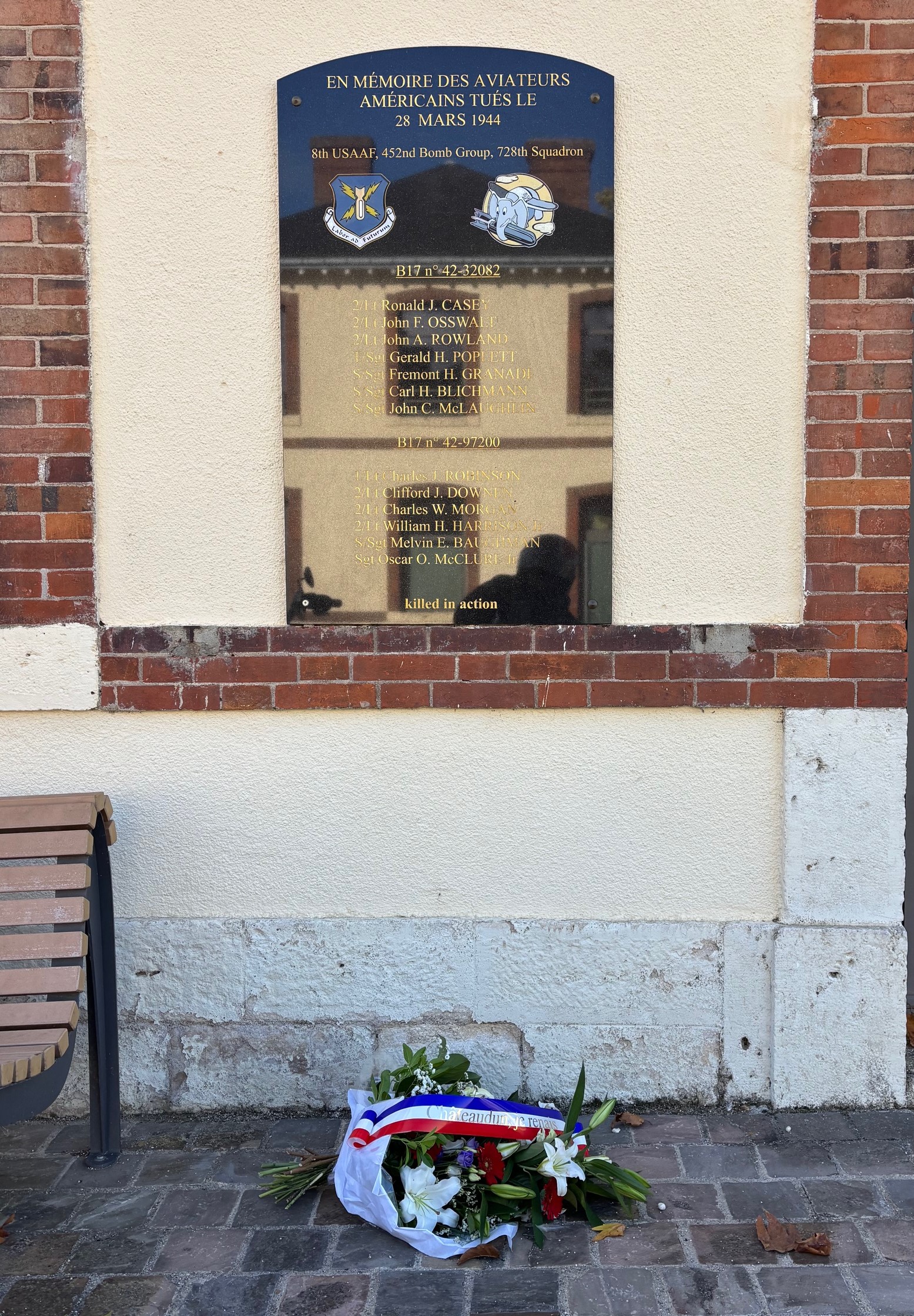
The ceremony consisted of laying a simple wreath at the foot of the city’s official memorial plaque, which reminds today’s generations that American airmen were killed in action aboard their B-17 bomber, giving their lives in the name of freedom.
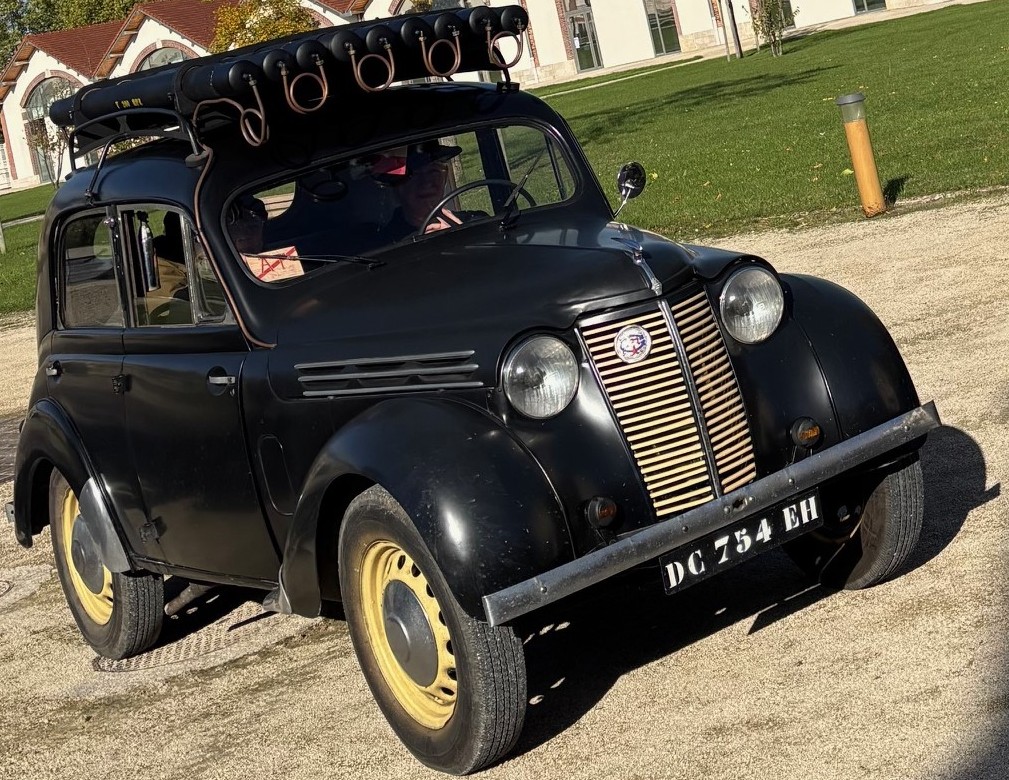
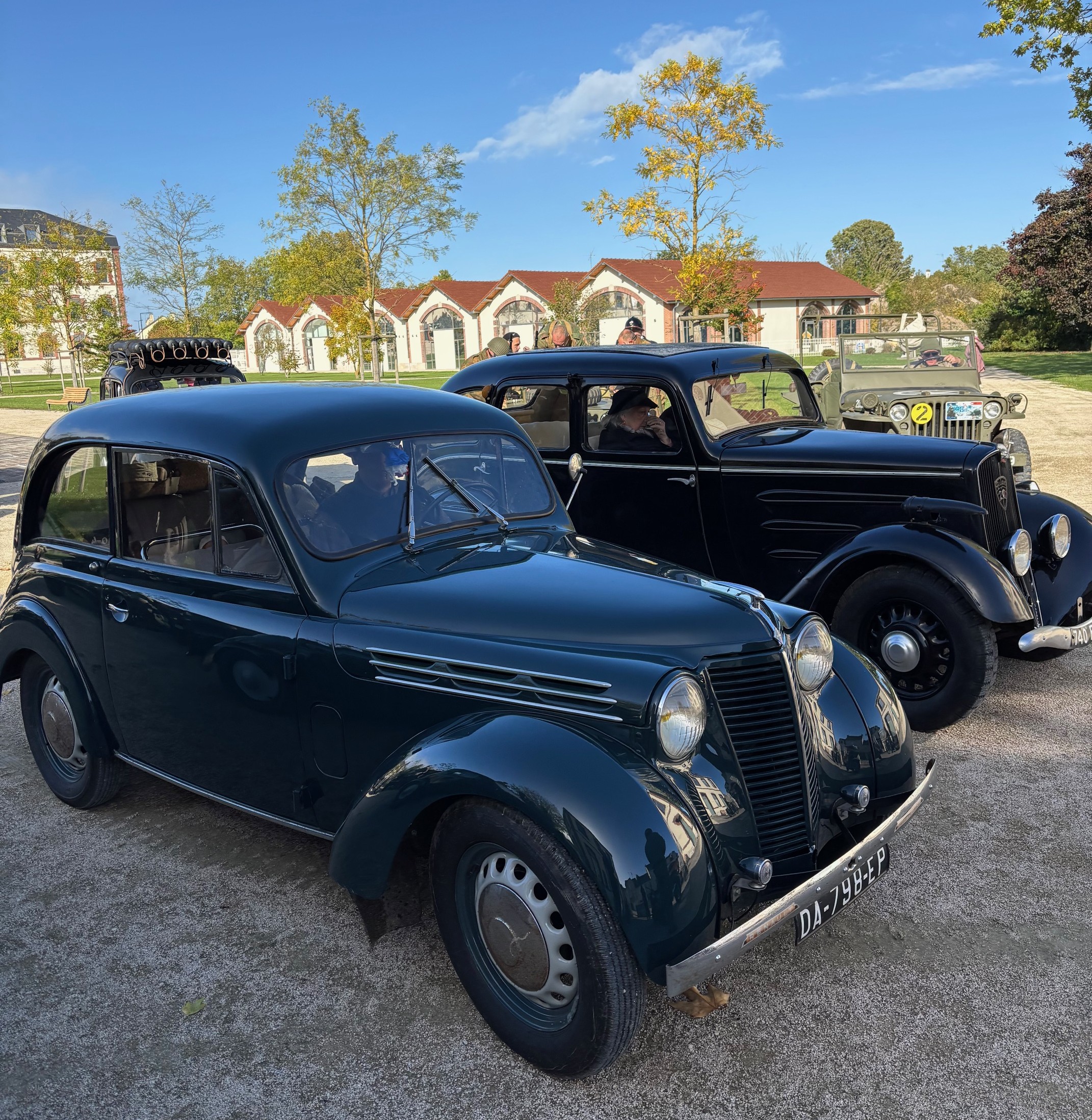
All the vehicles were in near-perfect condition. Here a Renault Juvaquatre “The Coach” (1937-1940) and a Peugeot 201. The Juvaquatre was a model marketed between 1937 and 1960. It was the first so-called “entry-level” model that Louis Renault agreed to release (There were nine main models). The Coach version was the first Juvaquatre model produced by Renault, starting in 1938. It was a 2-door, 4-seater sedan, with the rear seats accessible through the front doors. The trunk was only accessible from the inside, and the spare tire was located externally under a metal cover. The Peugeot 201 was produced by the French manufacturer Peugeot between 1929 and 1937. It was the first French car to be equipped with independent front suspension. The name 201 was chosen because it was the brand’s 201st project.
And people were really happy to take pictures with me (I was like a kid in a candy store!).
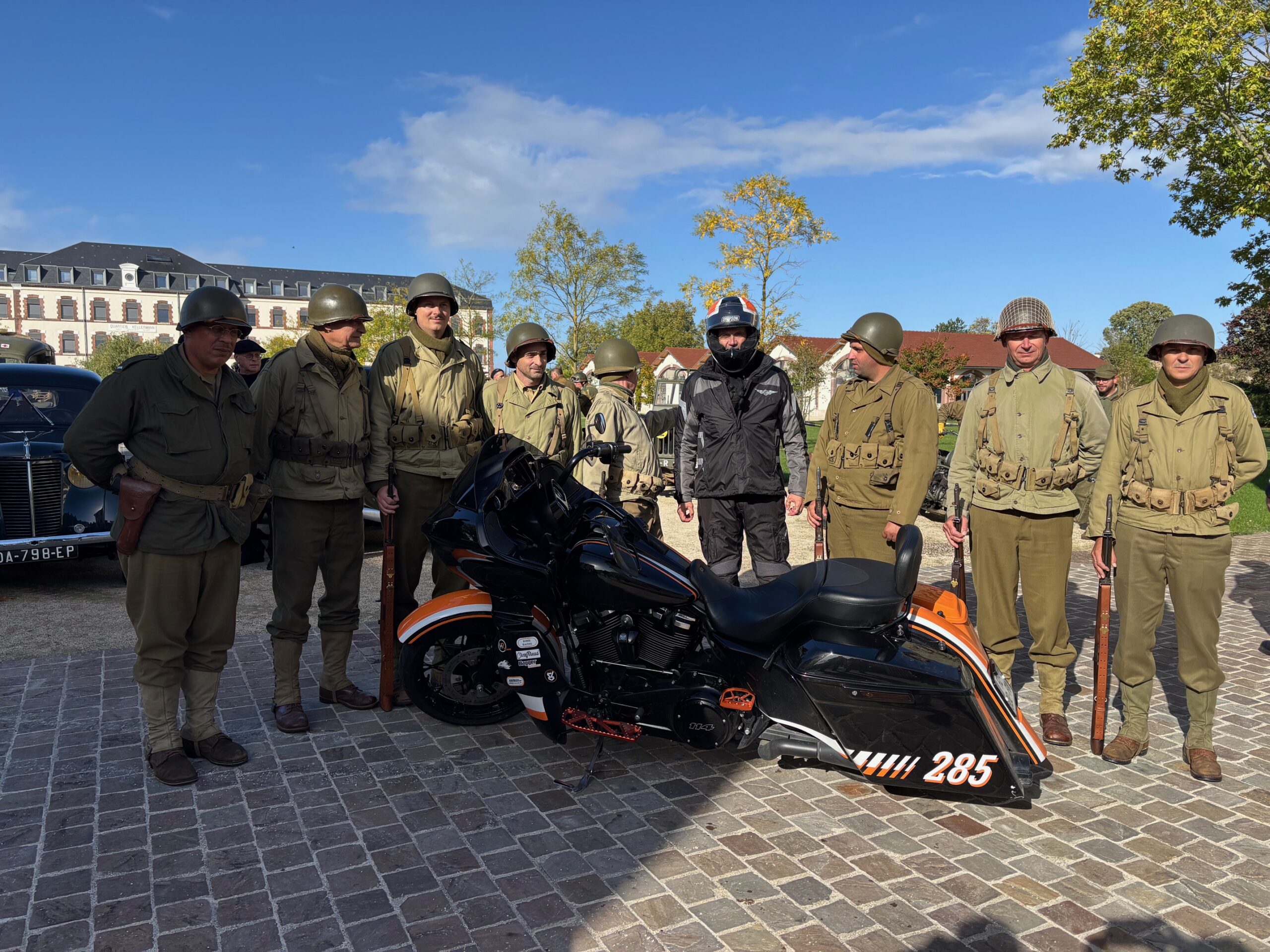
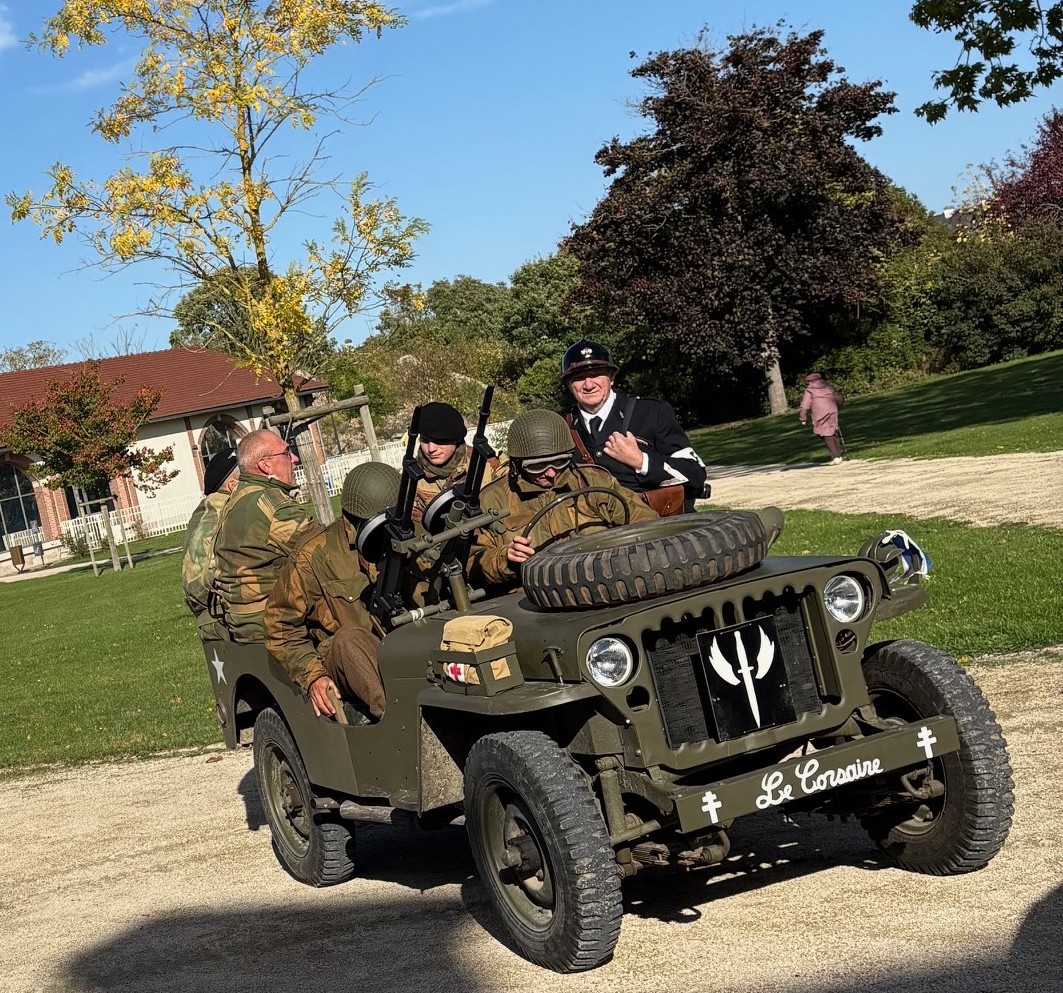
Some were dressed as American GIs.
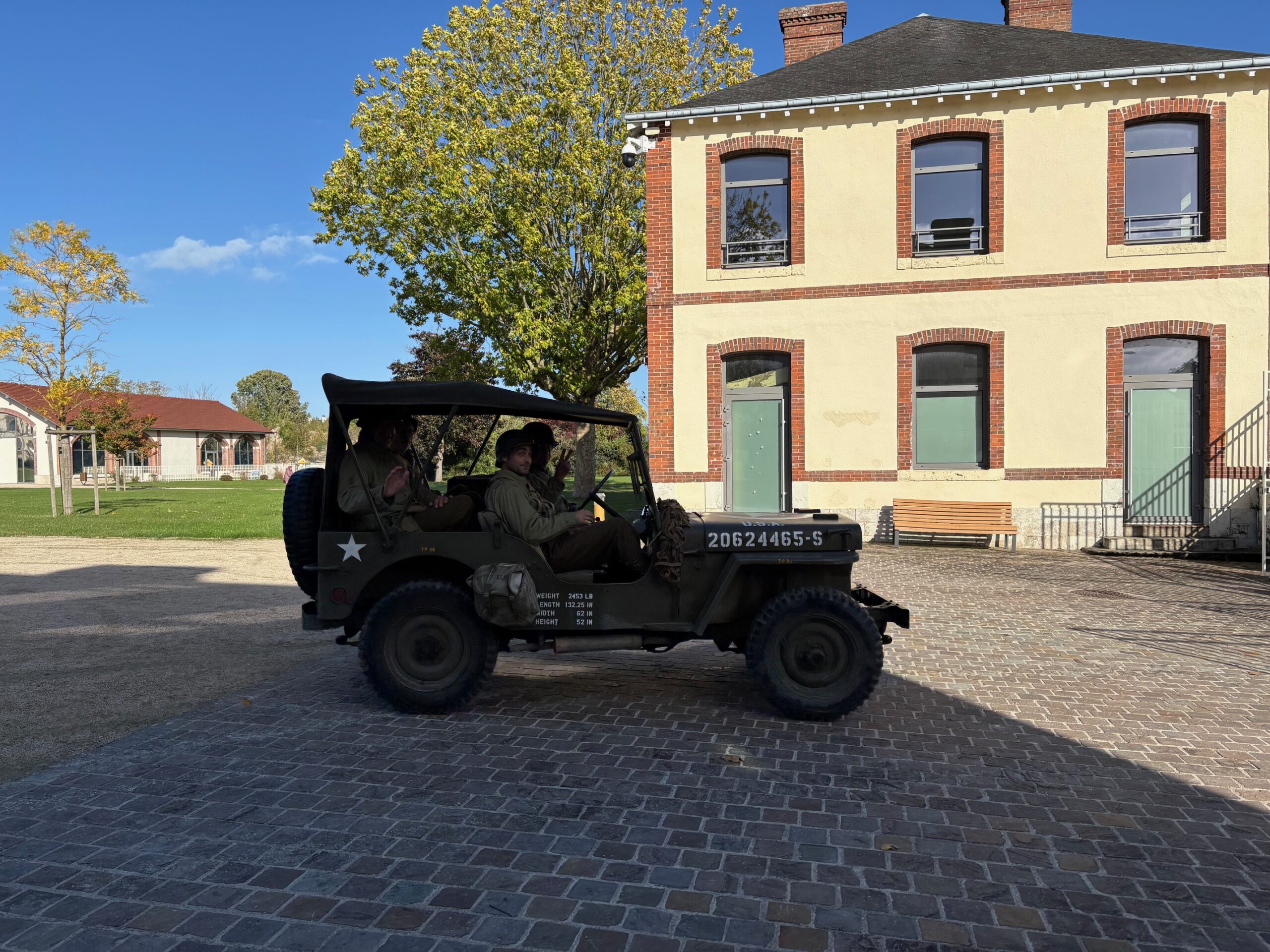
Representative of the French Resistance.
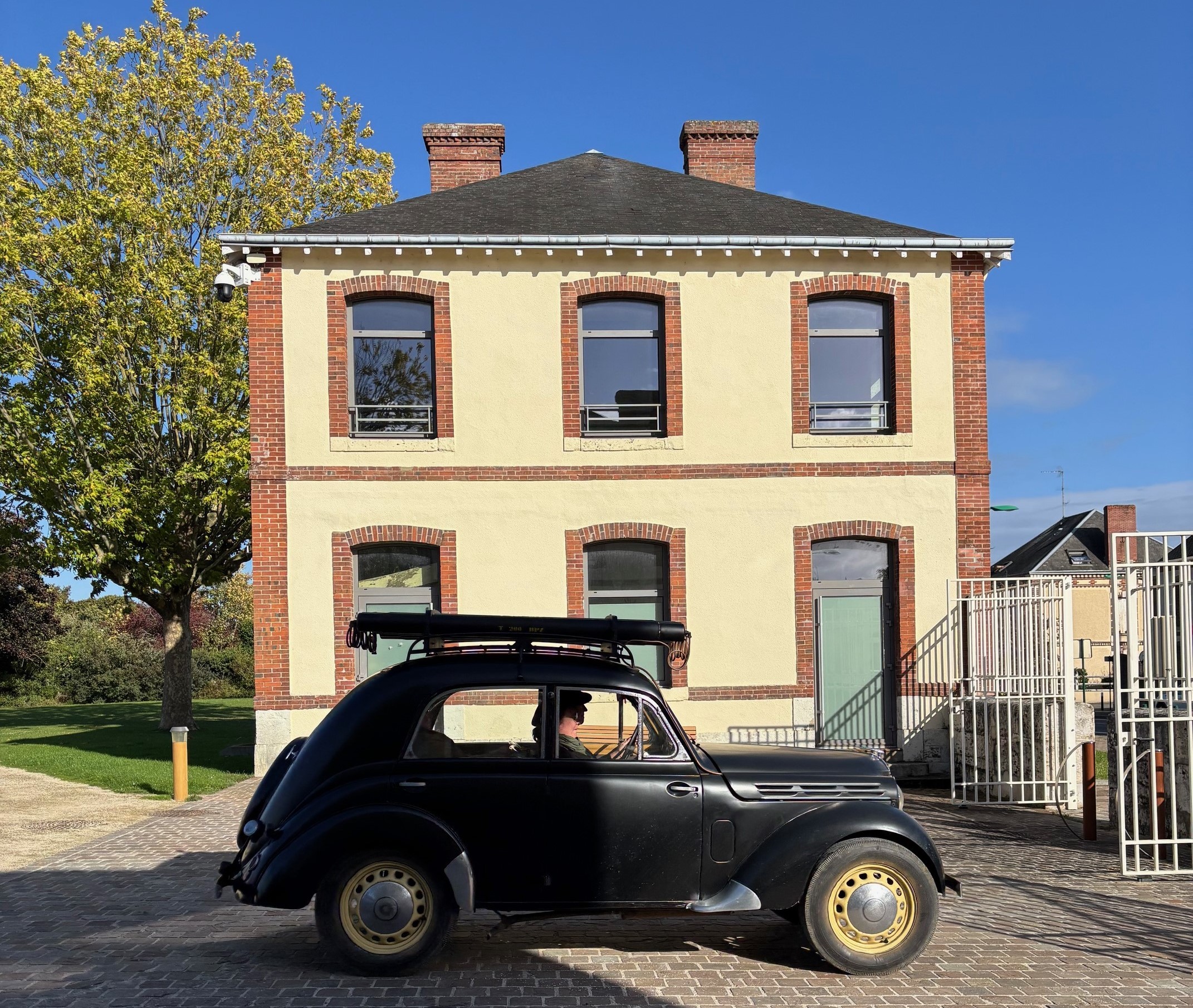
Or British paratroopers.
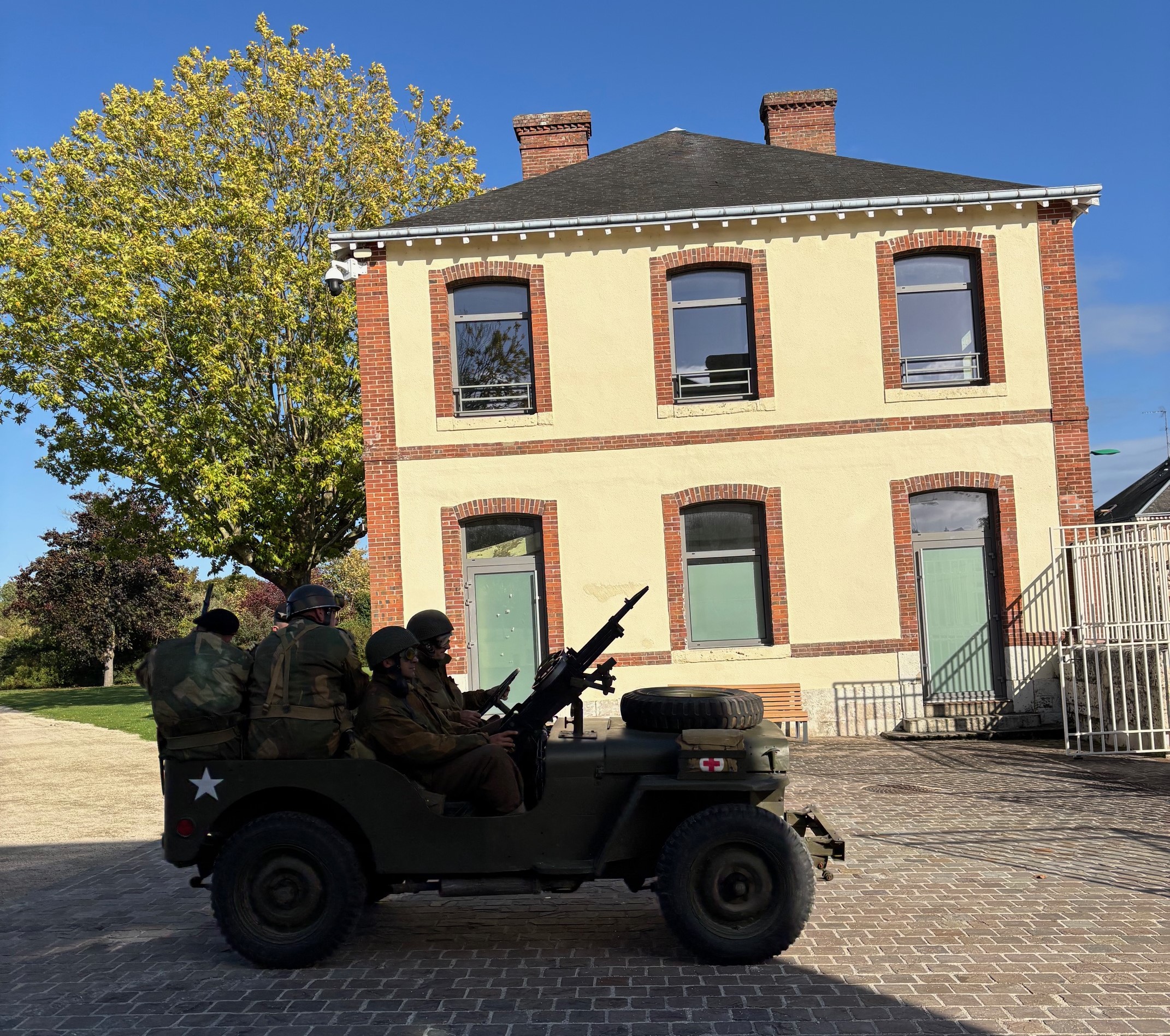
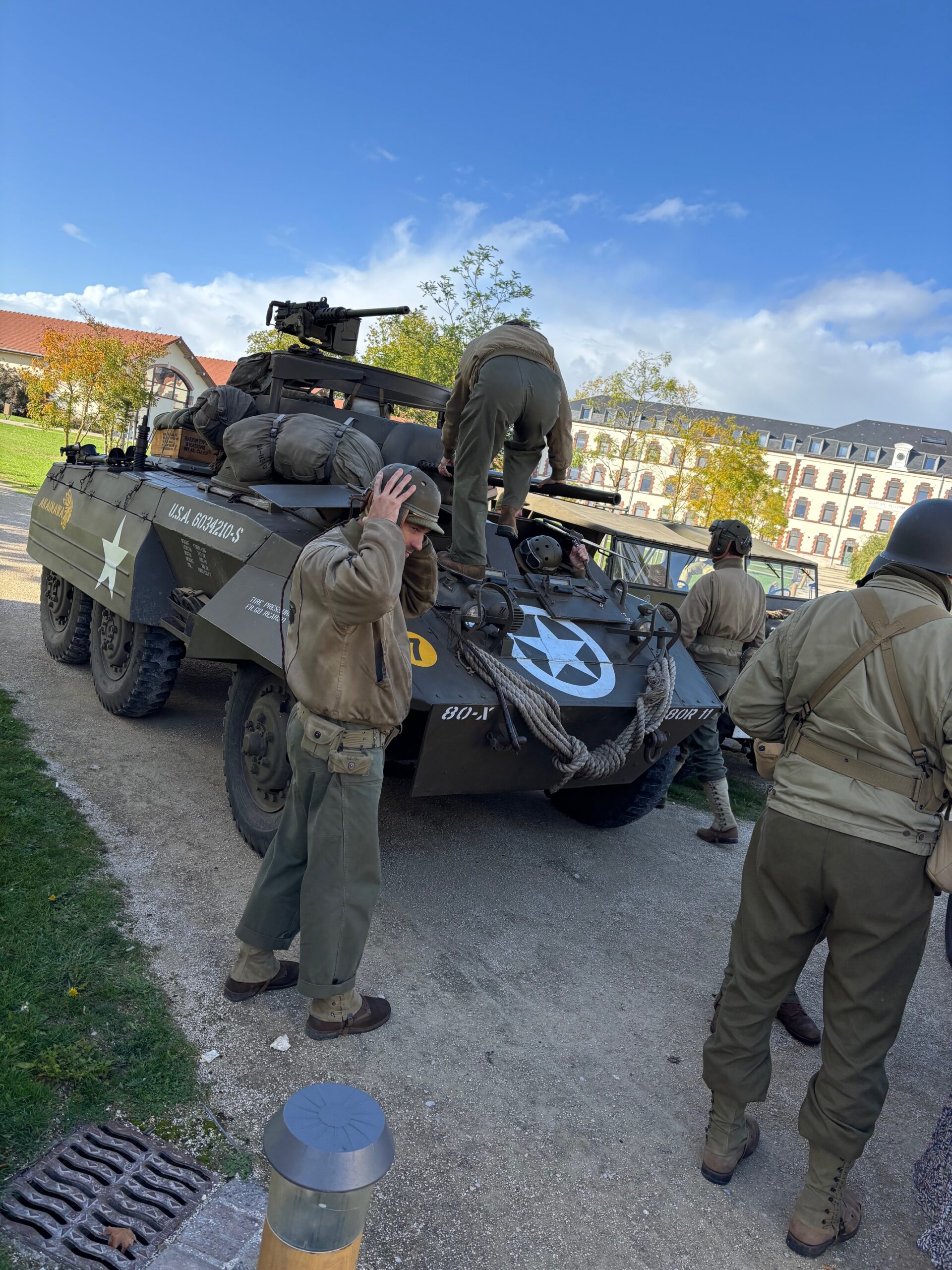
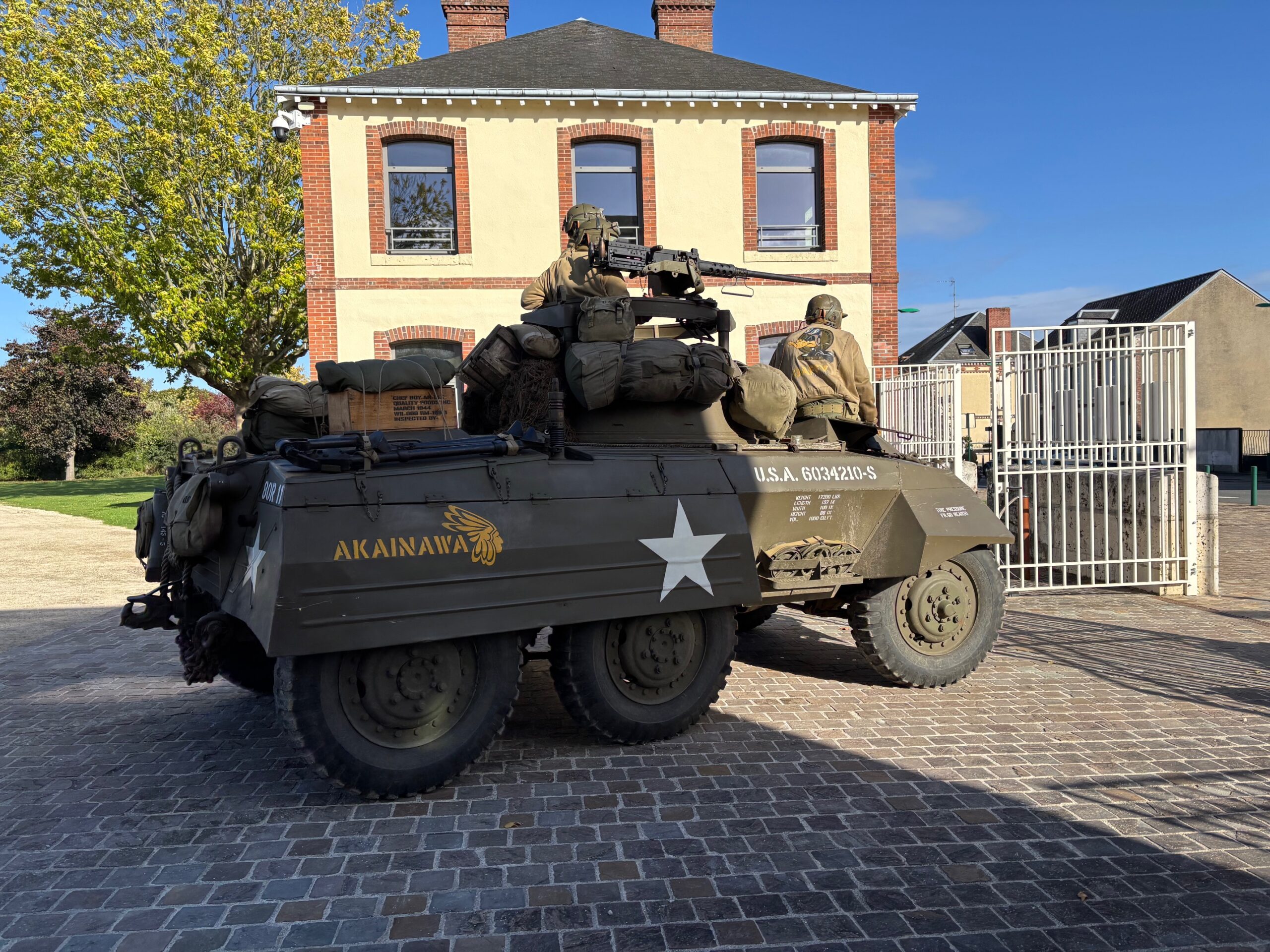
I particularly enjoyed the M20 Armored Utility Car. The M20 scout car was based on the M8. But instead of a turret, was mounted a low, armored open-topped superstructure plus AA ring mount, with M2 heavy machine gun, the crew carrying a bazooka for good measure against bad encounters. The M20 was mostly a command vehicle fitted with additional radio equipment, used in forward reconnaissance or as impromptu armored personnel and cargo carrier as well. Some 3,680 M20s were built by Ford.Motor Company).
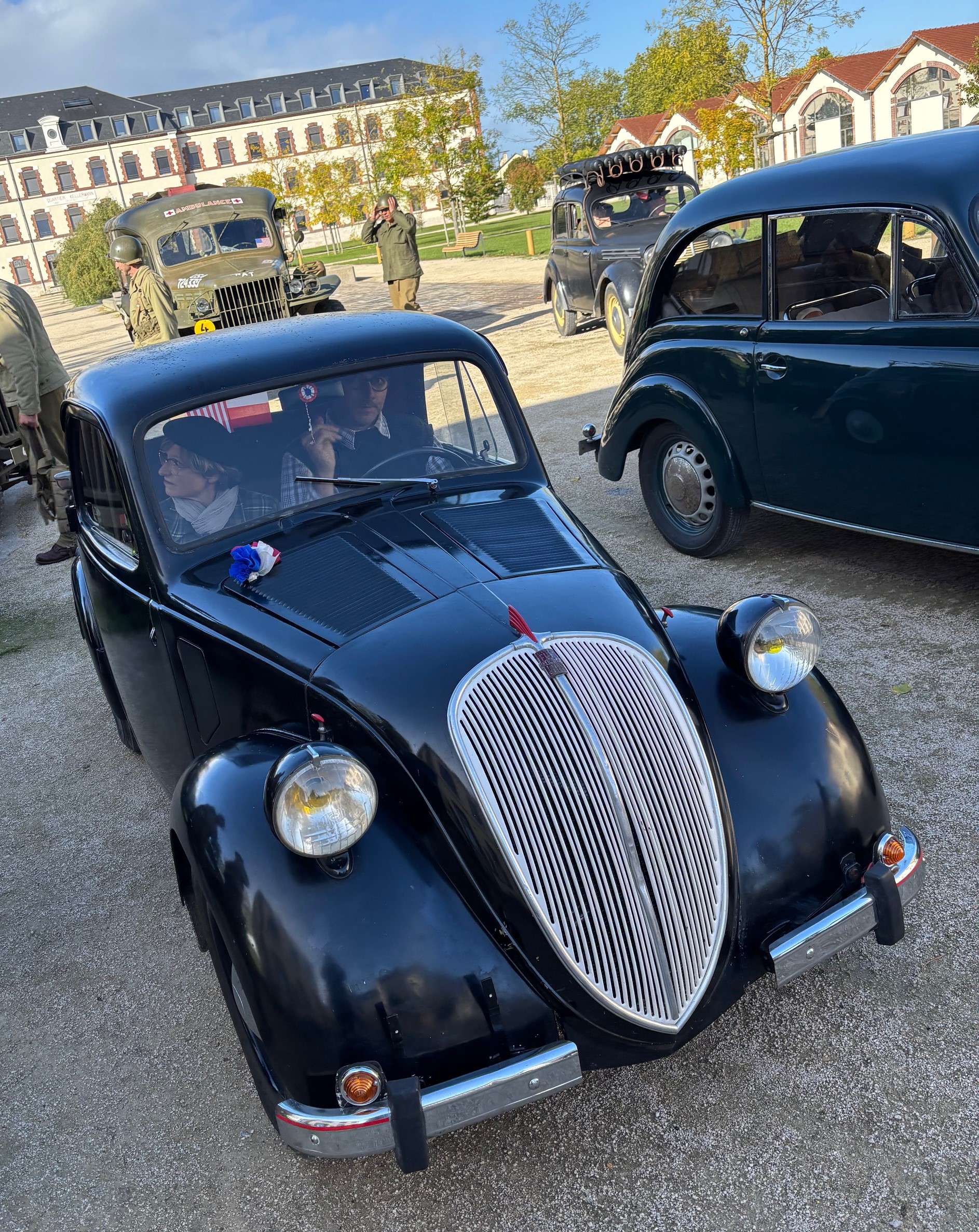
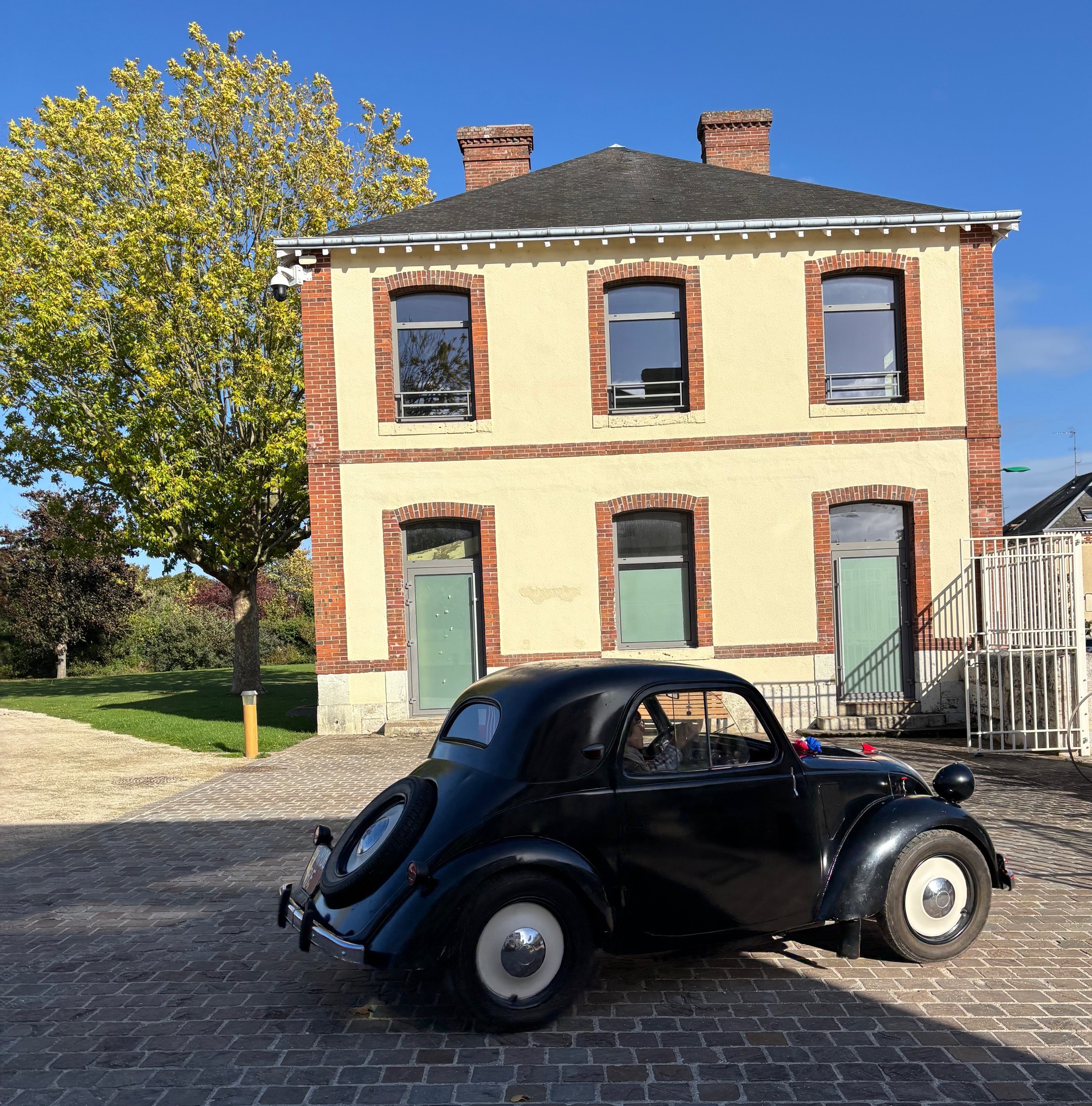
The small French cars were really good. It is a Simca 5, a Franco-Italian automobile designed by Fiat and produced by the manufacturers Simca and Fiat from 1936 to 1948. It is the French version of the Fiat 500 Topolino A (little mouse, and also the name of Mickey, in Italian) marketed in Italy.
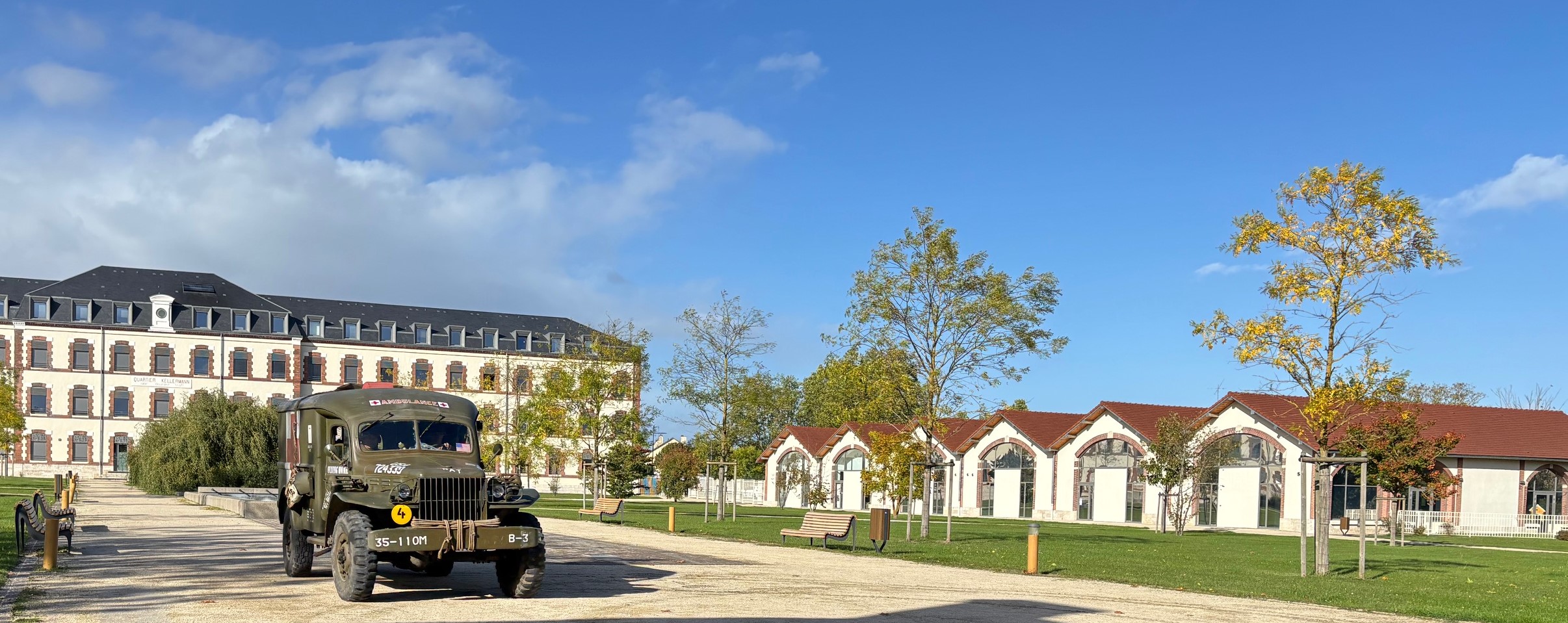
Produced from 1942 to 1944, the Dodge WC-54 was the standard US ambulance. Roof-mounted slings and folding-bench seating provided room for four stretchers or six seated patients. At the end of the WWII, many were given to the French Armed Services, who used it until 1985.
Since childhood, I’ve always loved the legendary GMC CCKW truck, also known as “Jimmy” or G-508, according to its Ordnance Supply catalog reference. Until the late 1960s (mid-1970s), many of these Dodge and GMC were still in service in the European countryside and forests. Many ended their days on farms, rusted away, before being snapped up by collectors for next to nothing (today, it’s virtually impossible to find one to restore).
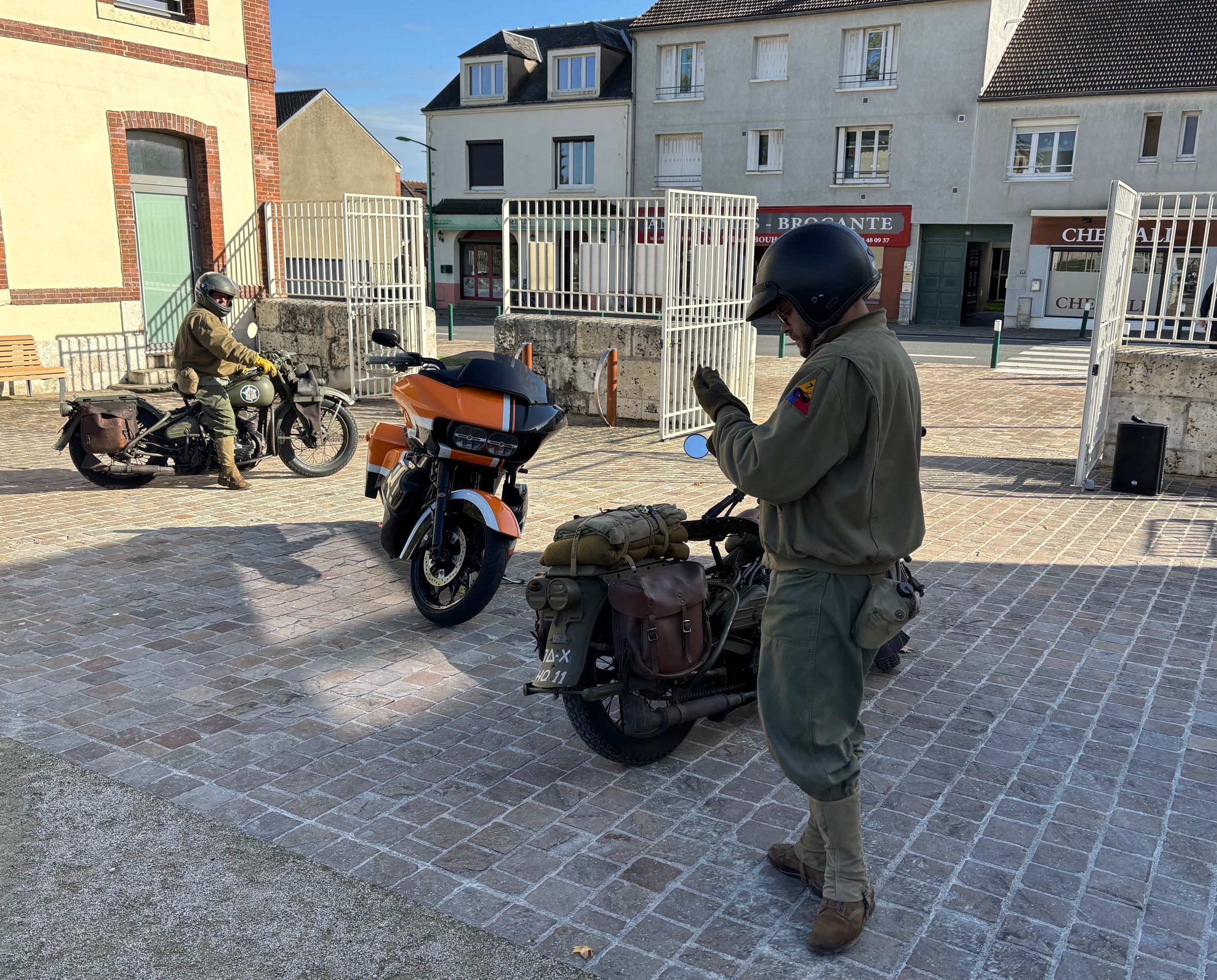
And of course, as an old biker passionate about American motorcycles, I have no words to describe my emotion in front of this WLA.
When chance allows us to encounter great history, and when memory and culture permeate us, we emerge enriched and perhaps even better people. I don’t know who to thank for that, but I am deeply grateful for those moments.
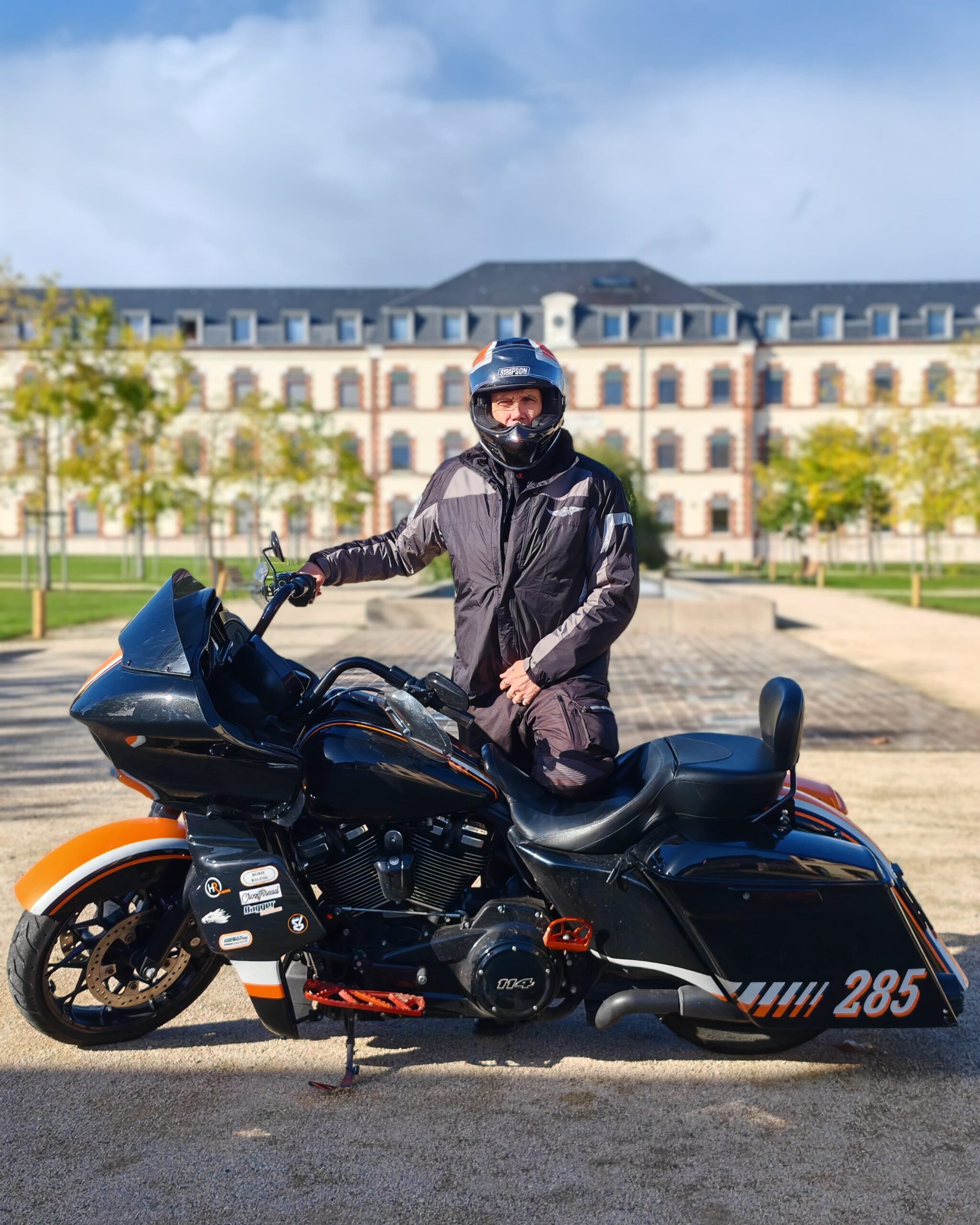
See ya soon on the road, who knows?!?
Hervé, your French biker friend.

More Stories
MY IRON HORSE, THE FRENCH FARRIERS AND SAINT-ELOI
MY RIDE TO THE PICASSIETTE’S HOUSE IN FREEZING TEMPS 🥶
RIDE TO LEONARDO DA VINCI’S CASTLE